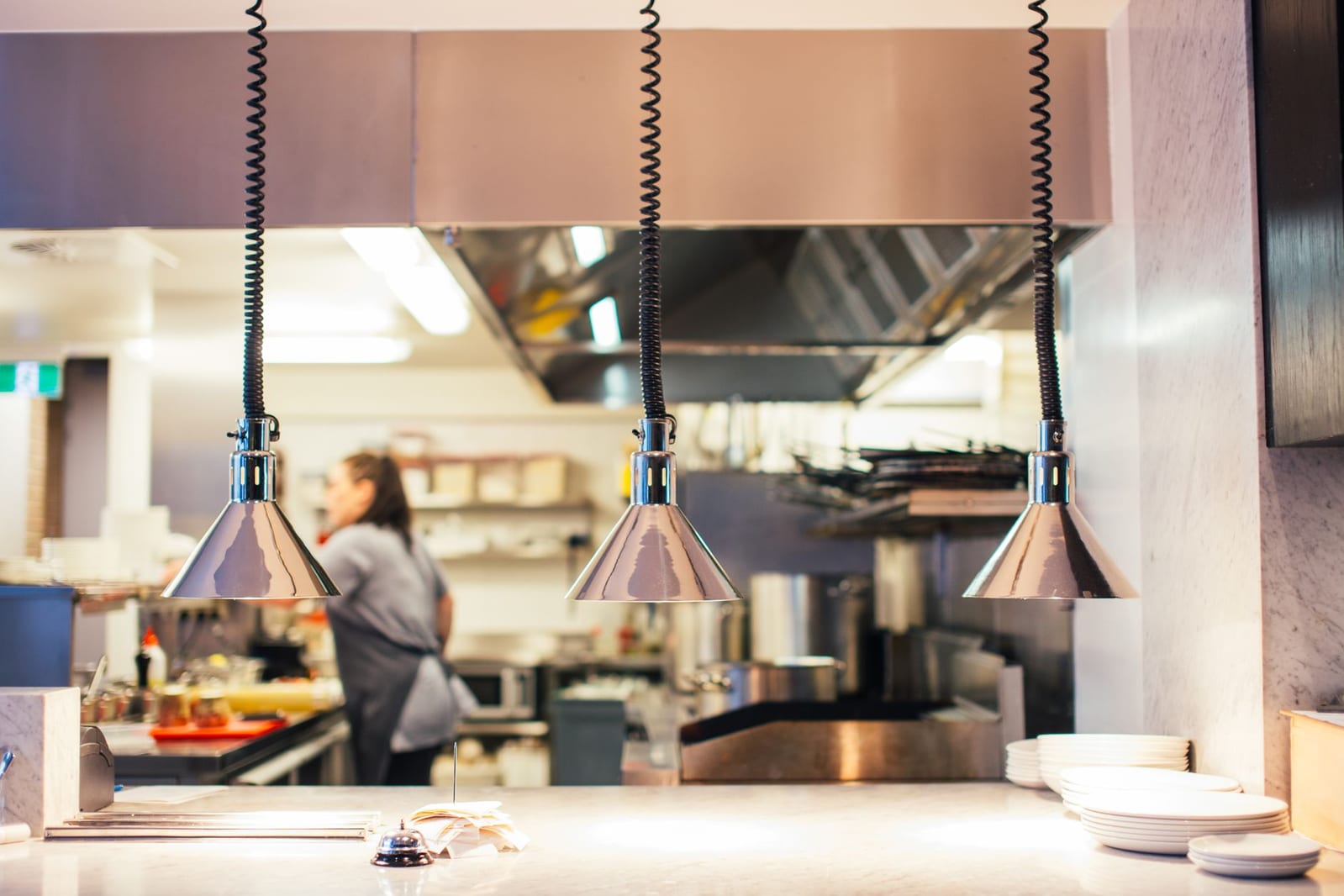
For a New York restaurant, a pest sighting isn't just unpleasant — it's a Department of Health violation, a lost letter grade, and a reputation hit that shows up in reviews. Roaches, drain flies and rodents are the usual culprits, and they thrive on the food, moisture and warmth a busy kitchen provides.
We run discreet, scheduled programmes designed around DOH expectations: monitoring, exclusion, drain and harbourage treatment, and documentation of every visit so you have the records an inspector wants to see. Service is timed around your hours — customers never know we were there.
Whether you're prepping for an inspection, recovering from a violation, or want to stay ahead year-round, we build the programme around your kitchen and your risk.
NYC restaurant pest-control rules every operator should know
Since 2010 the NYC Health Department has required restaurants to post a letter grade tied to sanitary-inspection points: 0 to 13 points is an A, 14 to 27 is a B, and 28 or more is a C, with the grade card posted where passers-by can see it. Live mice, rats or roaches are scored as vermin conditions, so an infestation can push an otherwise-passing kitchen into a B or C. (NYC DOHMH — Letter Grading for Restaurants)
The FDA Food Code that NY and NYC adopt requires, in section 6-501.111, that the premises be kept free of insects, rodents and other pests, controlled by routinely inspecting incoming shipments, routinely inspecting the premises for evidence of pests, using trapping or other methods when pests are found, and eliminating harborage — the core of a documented Integrated Pest Management programme. (US FDA Food Code §6-501.111 — Controlling Pests)
FDA Food Code section 6-202.15 requires that outer openings of a food establishment be protected against the entry of insects and rodents — using self-closing doors, screening, air curtains or sealed gaps. This exclusion-first expectation is why professional service in NYC restaurants pairs treatment with structural proofing rather than spraying alone, and why service reports should document those corrections. (US FDA Food Code §6-202.15 — Outer Openings, Protected)
Every NYC restaurant gets at least one unannounced sanitary inspection a year, and inspectors record points for any vermin evidence. Documented professional service with dated trap logs, monitoring records and corrective-action notes is the evidence that demonstrates an ongoing programme to an inspector, supports the FDA Food Code's routine-inspection requirement, and helps protect a hard-won A grade. (NYC DOHMH — Letter Grading for Restaurants)
How vermin findings map to a posted NYC letter grade
| Total inspection points | Posted grade | What it signals |
|---|---|---|
| 0–13 | A | Compliant — minimal or no vermin evidence at inspection |
| 14–27 | B | Conditions found — live pest evidence commonly contributes |
| 28 or more | C | Serious or repeated conditions — active infestation a frequent driver |
Signs you have a restaurant pest control problem
- Any roach, fly or rodent sighting in a prep or service area
- A recent or upcoming DOH inspection
- Drain flies around floor drains or under equipment
- A previous provider who never fully resolved the problem
Why Upper East Side sees this
NYC restaurants live and die by their DOH letter grade — drain flies and roach evidence are among the most common violations, and we treat them at the source.
We coordinate multi-tenant buildings so pests can't migrate from a neighbouring unit into your kitchen.