Pest control built for Bedford-Stuyvesant
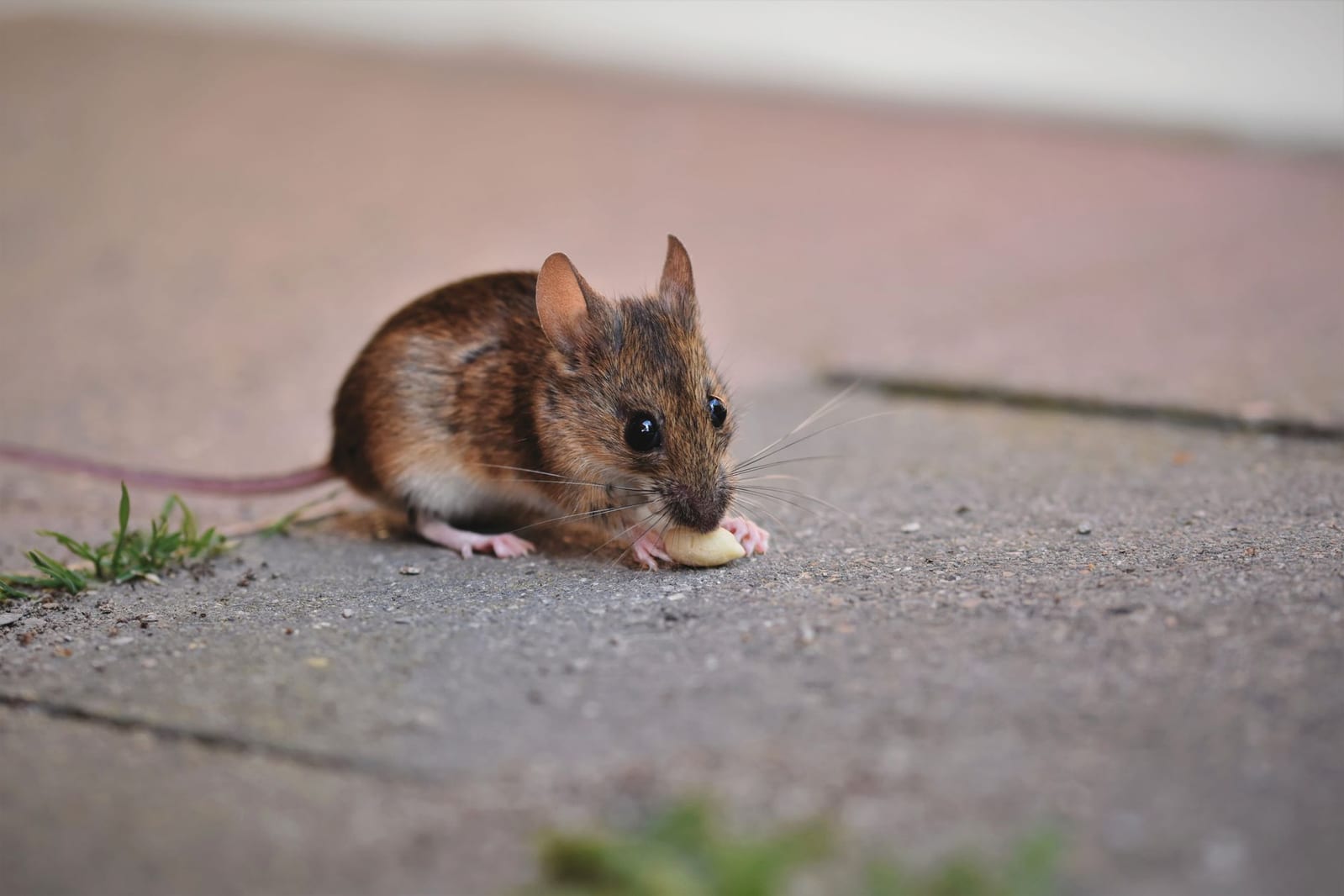
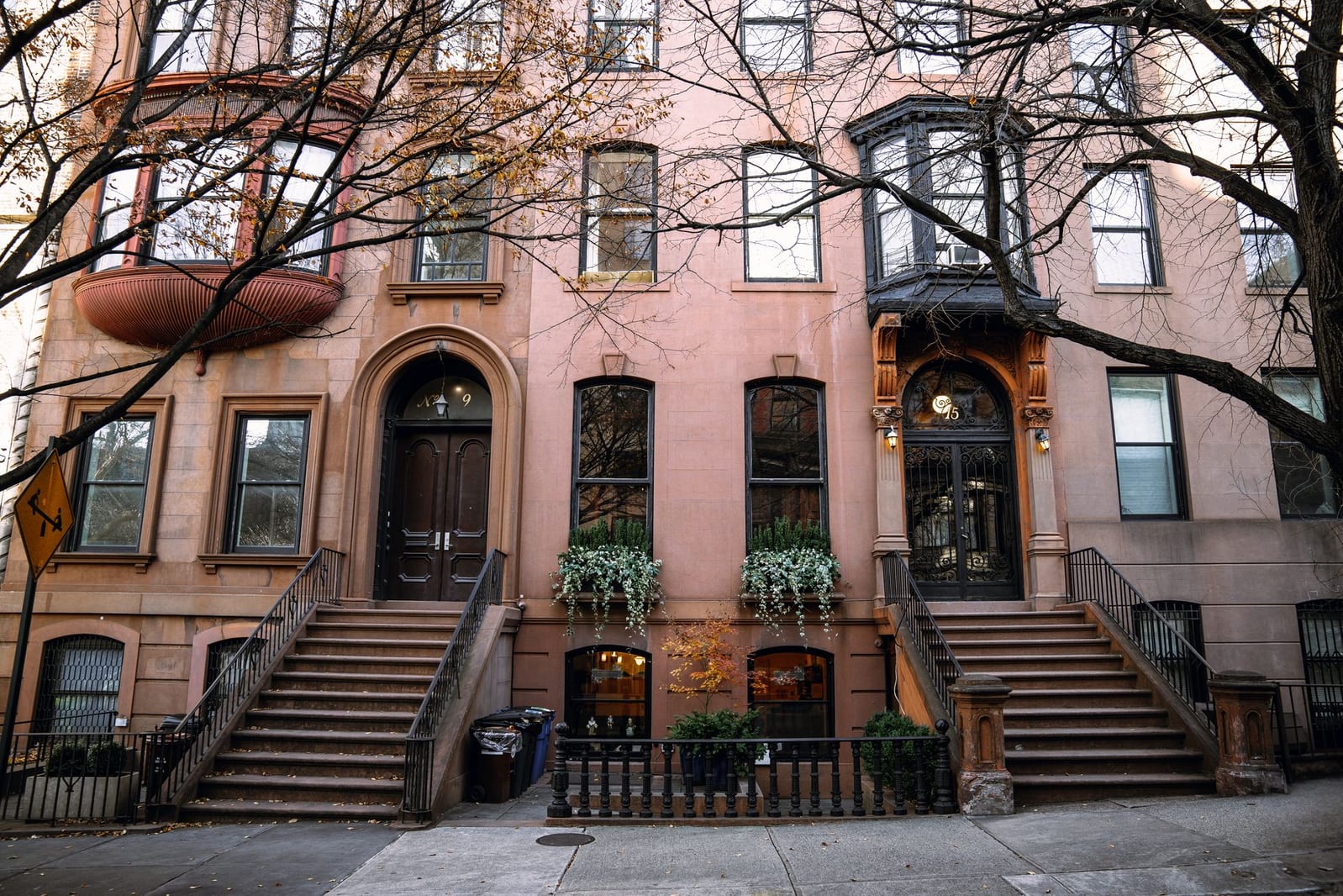
Twenty years working these blocks, no Brooklyn neighborhood generates more rodent complaints to the city than Bed-Stuy — the highest 311 rat complaint count of any neighborhood we cover in the five boroughs. Both Bed-Stuy and neighboring Bushwick carry the DOHMH's formal Rat Mitigation Zone designation, which means city inspectors return on a tightened schedule and buildings that fail face escalating scrutiny. That volume isn't abstract: it tracks directly to a housing stock built between the 1880s and 1900s, one of the largest unbroken brownstone and limestone row-house districts left in the country, where every home shares a foundation wall and a basement ceiling with the one next door.
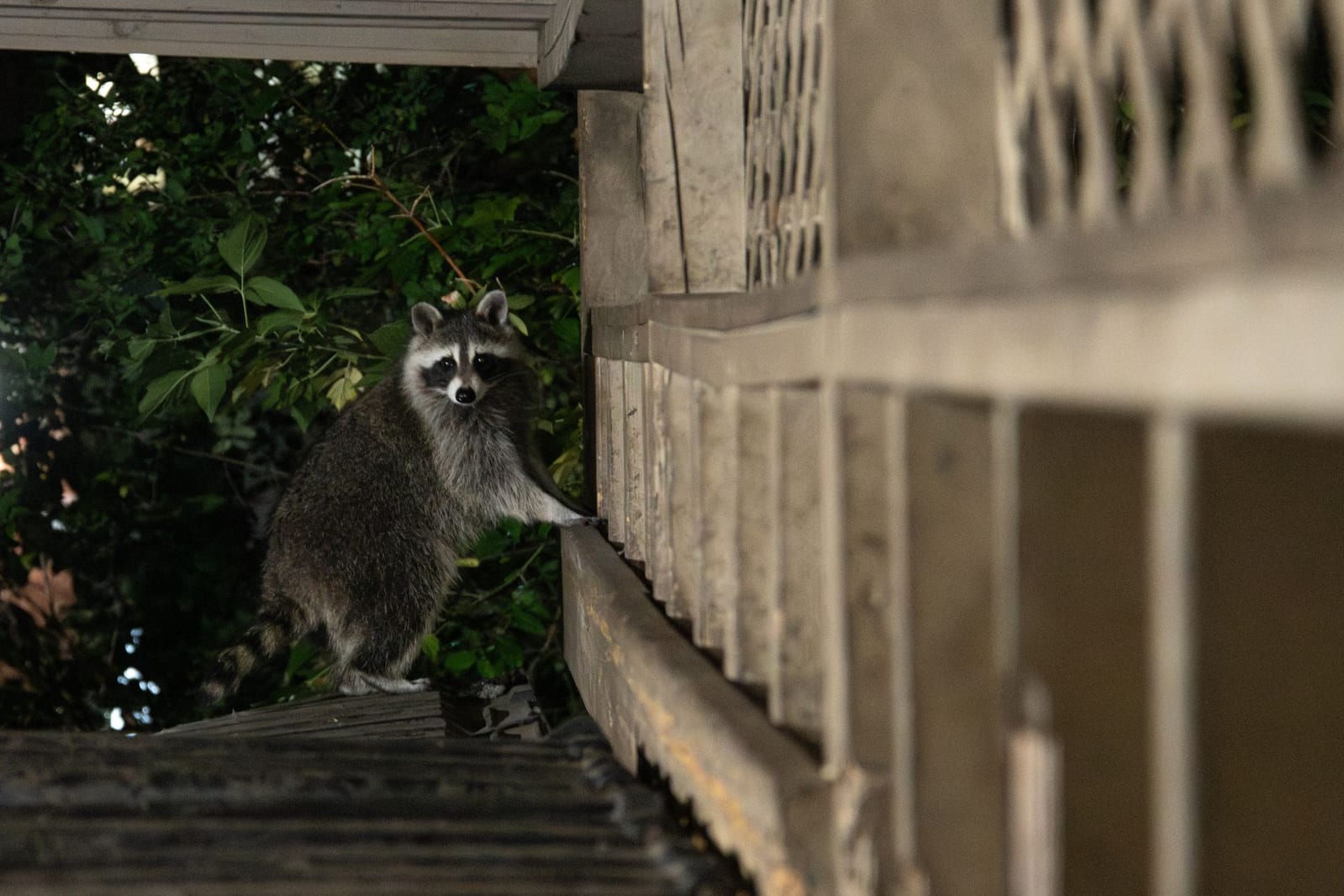
The row houses along Stuyvesant Heights and the blocks feeding into Fulton Street were built with masonry party walls and timber floor joists that run continuous through what are now separately owned homes. A burrow dug against one foundation doesn't stay contained to that address — Norway rats travel the seam between adjoining cellars, and a colony established under one stoop routes along that shared wall to the next three or four houses on the block before anyone upstairs notices droppings in the pantry. Sealing your own foundation gaps helps, but on these blocks it only holds if the row's other cellars get the same treatment.
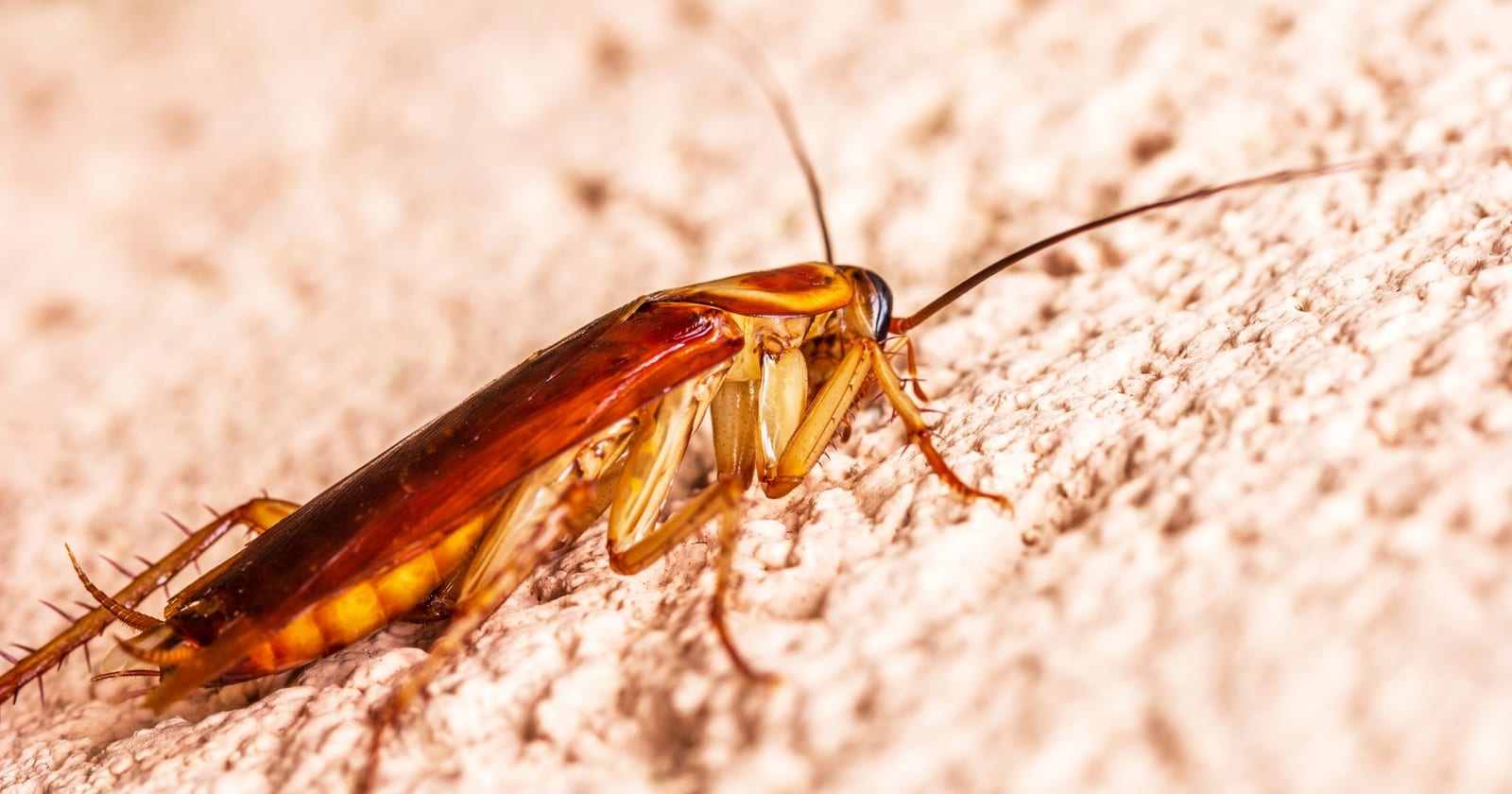
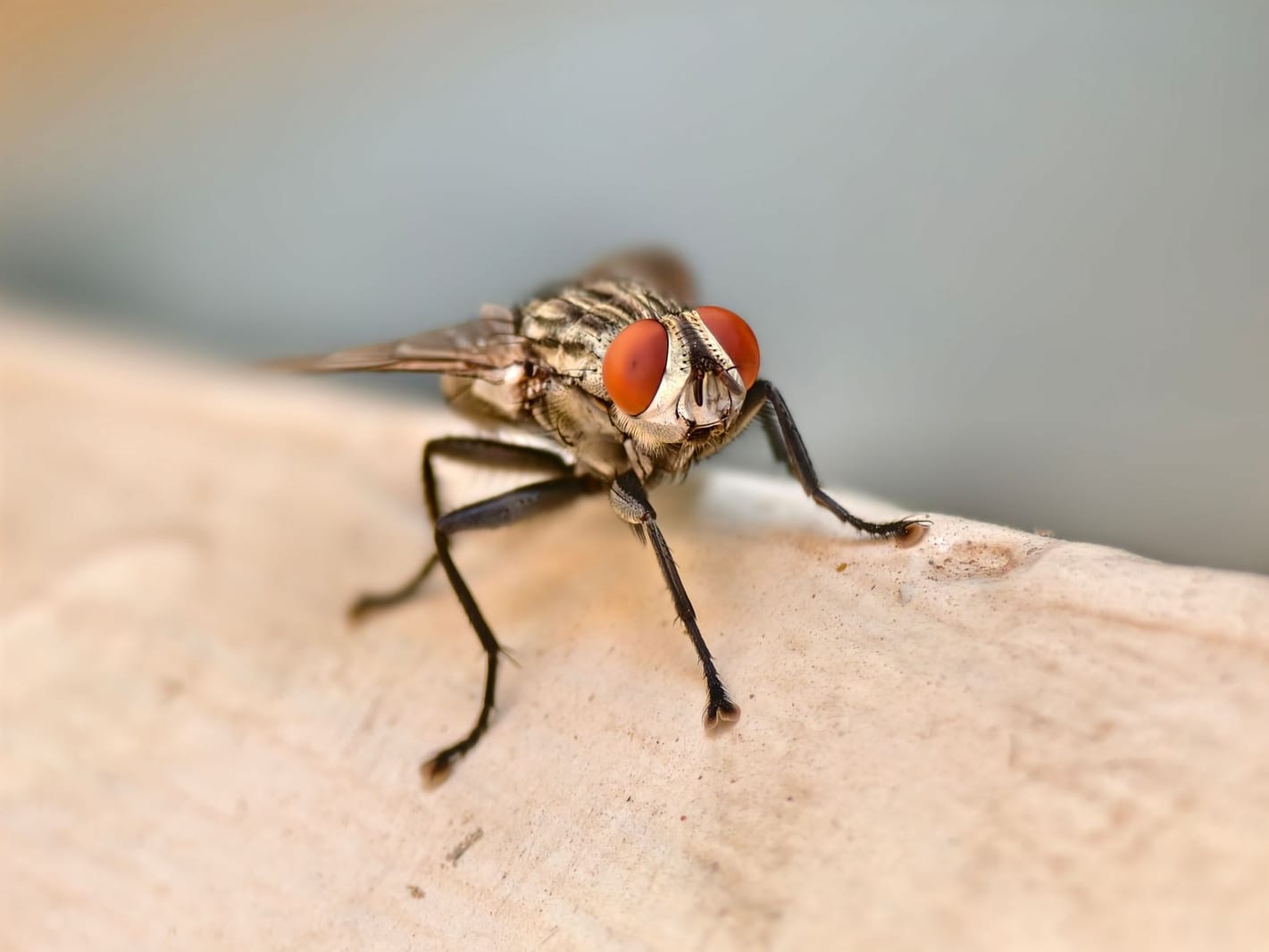
Fulton Street carries the neighborhood's restaurant and grocery density, and that corridor feeds rodent and German cockroach pressure into the residential blocks on either side of it, particularly the six-story prewar walk-ups mixed in among the row houses. Restoration Plaza and the retail built around it draw steady foot and delivery traffic, which means dumpster and loading-dock harborage close to homes people actually sleep in. It's a pattern any exterminator working this corridor sees repeatedly: a roach call in an upper-floor apartment traces back to a shared basement wall with a ground-floor storefront kitchen — the infestation didn't start in the apartment, it arrived through the wall.
The sheer number of DOHMH rat inspections carried out here every year dwarfs anything the smaller brownstone neighborhoods see — the RMZ schedule means city crews are back checking baited burrows on a rolling basis most of the year. And most of those checks come back clean. That tells you something useful: the pressure here is real but concentrated, not evenly spread across every address. A handful of chronically under-maintained lots, vacant buildings and mismanaged multi-family conversions carry a disproportionate share of the active burrows, while a well-sealed, well-maintained brownstone on the same block can go inspection after inspection without a finding.
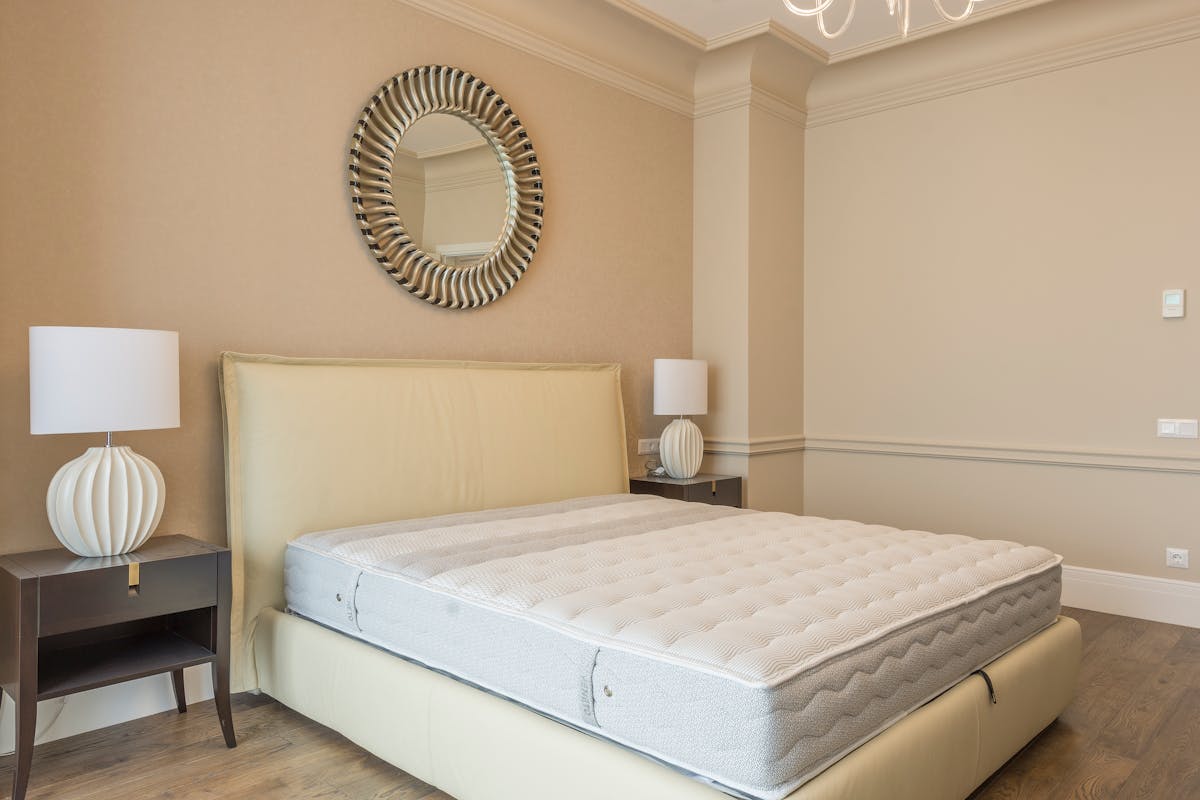
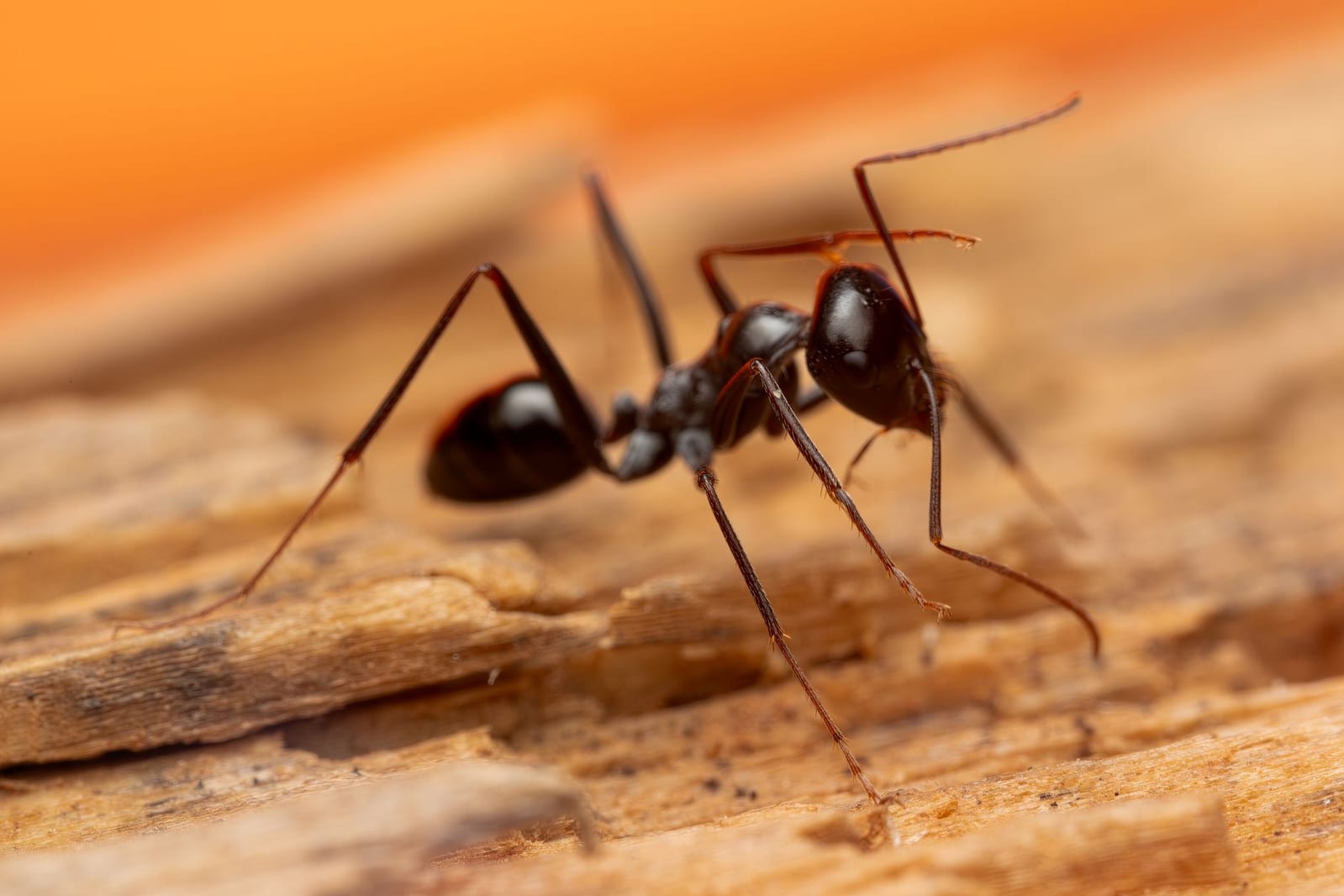
Bed bug vigilance matters as much as rodent control on these blocks. Row houses divided into multiple rental units decades ago share wall voids the same way they share rat burrows, and a mattress dragged out to a stoop for bulk pickup is a common way an infestation jumps from one apartment to the whole building's rental units. Carpenter ants and pavement ants both show up in the neighborhood's older wood trim and around foundation cracks, especially where a stoop or areaway hasn't been repointed in years — moisture gets into old mortar joints and gives ants a foothold long before anyone notices structural damage.
September through November is when Bed-Stuy homeowners call us most — rodent entry season, when falling temperatures push burrow activity from exterior foundations toward warm cellars and kitchens, and when the RMZ's active enforcement calendar tends to surface the year's worst violations. Under the city's bed bug disclosure law, landlords operating multi-unit conversions here are required to give incoming tenants the building's one-year infestation history at lease signing, which is a real consideration on blocks with this much converted rental stock and this much unit turnover. Getting ahead of a violation before an HPD complaint is filed saves owners real money and real time.
None of this is solved with a single visit or a can of spray from the corner hardware store. On a row house block like this, treatment has to account for what's happening in the cellar three doors down, not just the unit that called — exclusion first, then bait and traps placed at the actual travel corridors, with a follow-up inspection to confirm the burrows are dead and not just quiet. Given how much of Bed-Stuy's housing stock is landmarked, any exterior sealing or foundation work also has to respect the historic masonry rather than patch it with mismatched concrete.
What the city's own data says about Bedford-Stuyvesant
Residents of Bedford-Stuyvesant filed 1,750 rodent complaints with NYC 311 in the July 2025 – July 2026 period — the highest of the 21 neighborhoods we cover. Over the same window the Health Department carried out 37,839 rodent inspections in these ZIP codes, and 18.2% of them failed for active rat activity (6,876 inspections).
Bed bugs are tracked separately. Under Local Law 69 of 2017, every multiple-dwelling owner in the city files an annual bed bug report with HPD. Across every filing covering Bedford-Stuyvesant's ZIP codes, 2,007 dwelling units were reported infested out of 1,169,643 — an infestation rate of 0.17%, the 18th highest of the 21 neighborhoods we cover.
We publish the citywide version of this analysis, ranked by borough and ZIP code, in our rattiest NYC neighborhoods report — free to cite, quote or embed.
A complaint count measures where rats get reported, not where they all live — a block that calls 311 is not necessarily worse off than a block that has given up on calling. The inspection failure rate is the harder number: it is what a city inspector actually found on site. The bed bug rate is a landlord's own filing, so it understates buildings that never filed. Source: NYC Open Data — NYC 311 Service Requests + DOHMH Rodent Inspection + HPD Bedbug Reporting (NYC Open Data). Retrieved 2026-07-10.
Common pests in Bedford-Stuyvesant
The issues we treat most here: rodents, cockroaches, bed bugs, ants. We serve Fulton Street, Stuyvesant Heights brownstones, Restoration Plaza and the wider area across ZIPs 11216, 11221, 11233.