Pest control built for St. George
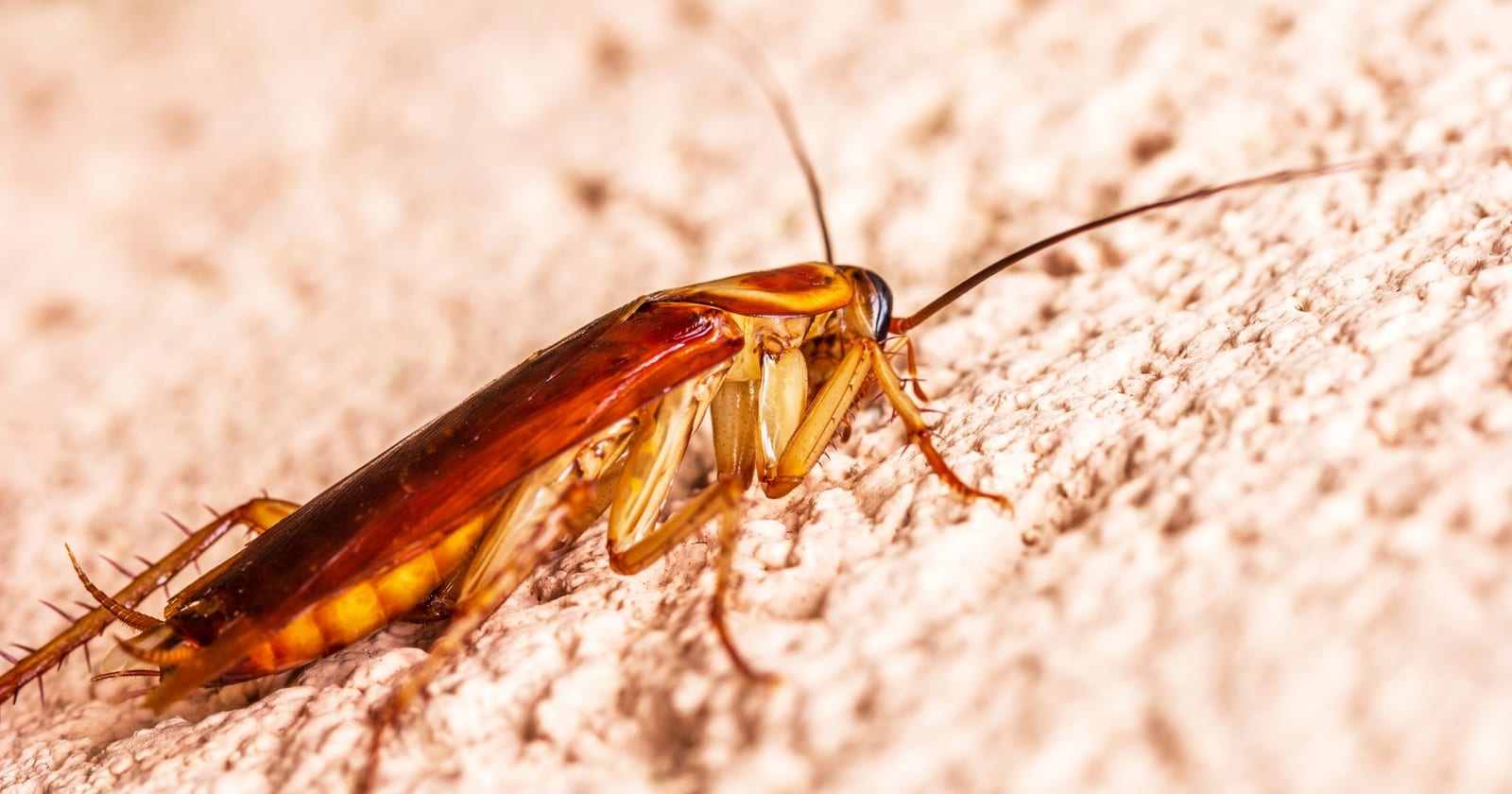
St. George is the one neighborhood in this network's Staten Island coverage that still runs on a Brooklyn-brownstone-belt pest calendar rather than a suburban one. The Staten Island Ferry terminal, Borough Hall, and the courthouse district concentrate government workers, commuters and pedestrian food-service traffic into a few dense blocks, and that density is exactly what drives cockroach and rat pressure in older attached buildings the way it would in any transit-adjacent urban corridor in the city — just at meaningfully lower volume than the Bronx or Brooklyn ever produce, which is reflected in inspection numbers that sit toward the low end of the network's tracked neighborhoods. A licensed exterminator working St. George treats the ferry-terminal blocks with the same urgency as a Bay Ridge or Park Slope commercial strip, not with the lighter touch that suits the island's suburban interior.
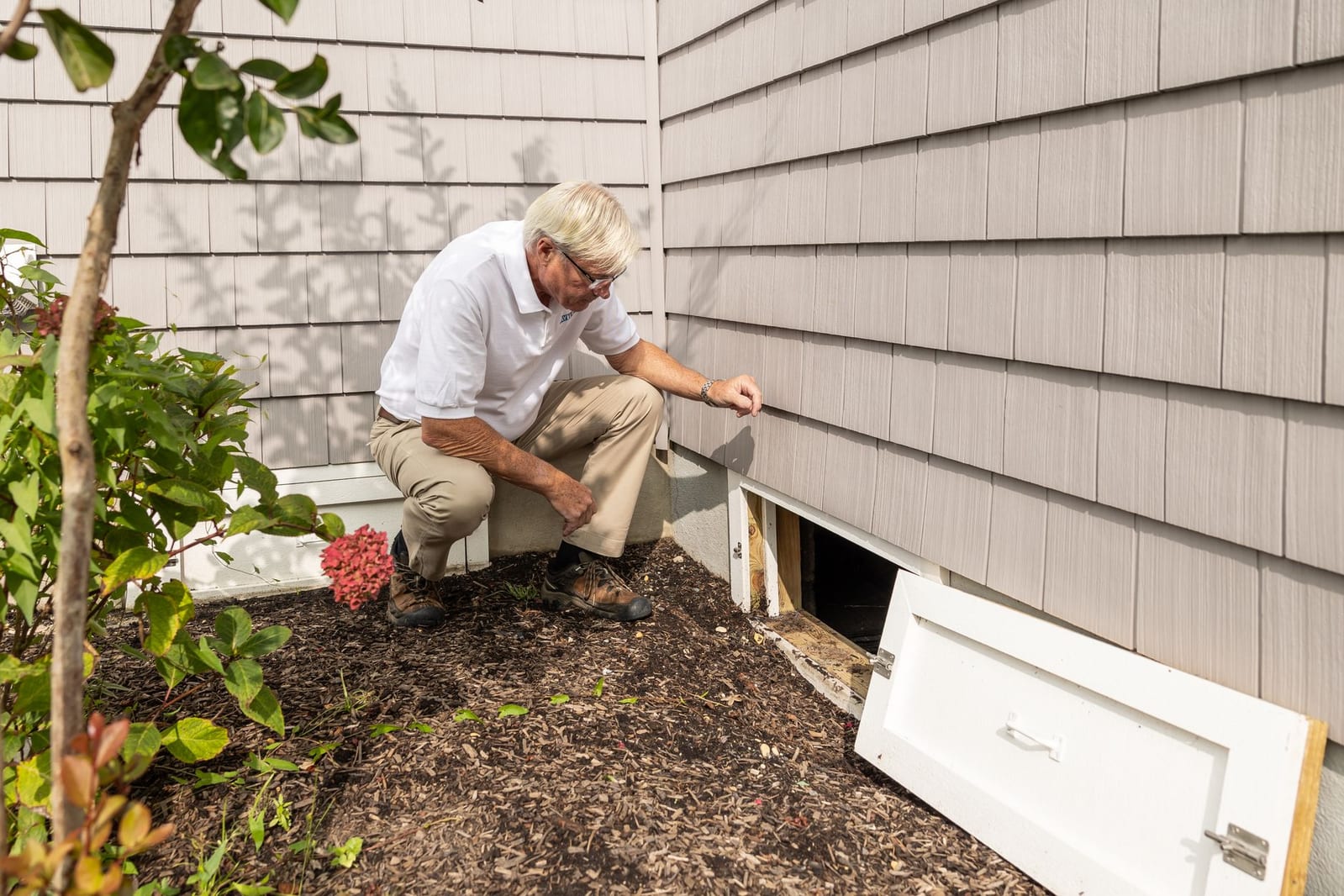
What's driving that comparatively low pressure is largely the building stock's transition, not its age. St. George is in the middle of converting older commercial and institutional buildings — former offices, retail space, and municipal-adjacent structures near Richmond Terrace — into residential units, and these conversions retain the deep service basements and original utility systems of their prior use. A newly converted building can look clean on day one and still have inherited harborage in a basement that hasn't been treated in years; pre-occupancy inspection is worth more here than in a building that's always been residential, because nobody has been watching that basement for pest activity recently. Asking the previous commercial tenant or building manager for pest-service records before signing a lease is a reasonable, and often revealing, first step.
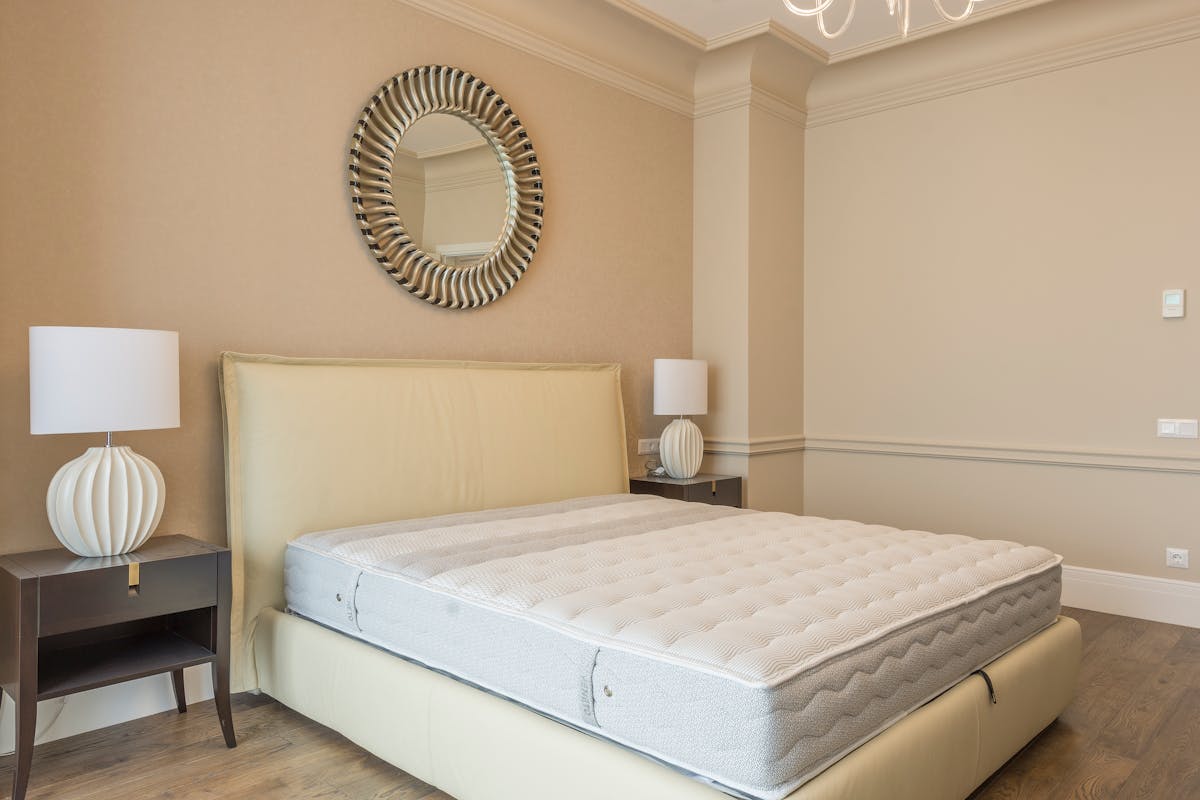
Ferry commuter volume and the courthouse district's foot traffic support enough restaurant and bar activity along Richmond Terrace to keep bed bug risk a live consideration for the neighborhood's residential buildings — travelers moving through the terminal and short-term visitors tied to court business are the same transient-population pattern that drives bed bug introduction in any transit hub, just at Staten Island scale rather than Midtown scale. It's a smaller version of the same mechanism, not a different one, and it's worth building owners near the ferry treating it as a standing risk rather than a rare event. Restaurant and bar owners along Richmond Terrace benefit from the same standing-monitoring approach that a Manhattan hospitality strip would use, scaled down to the smaller footprint.
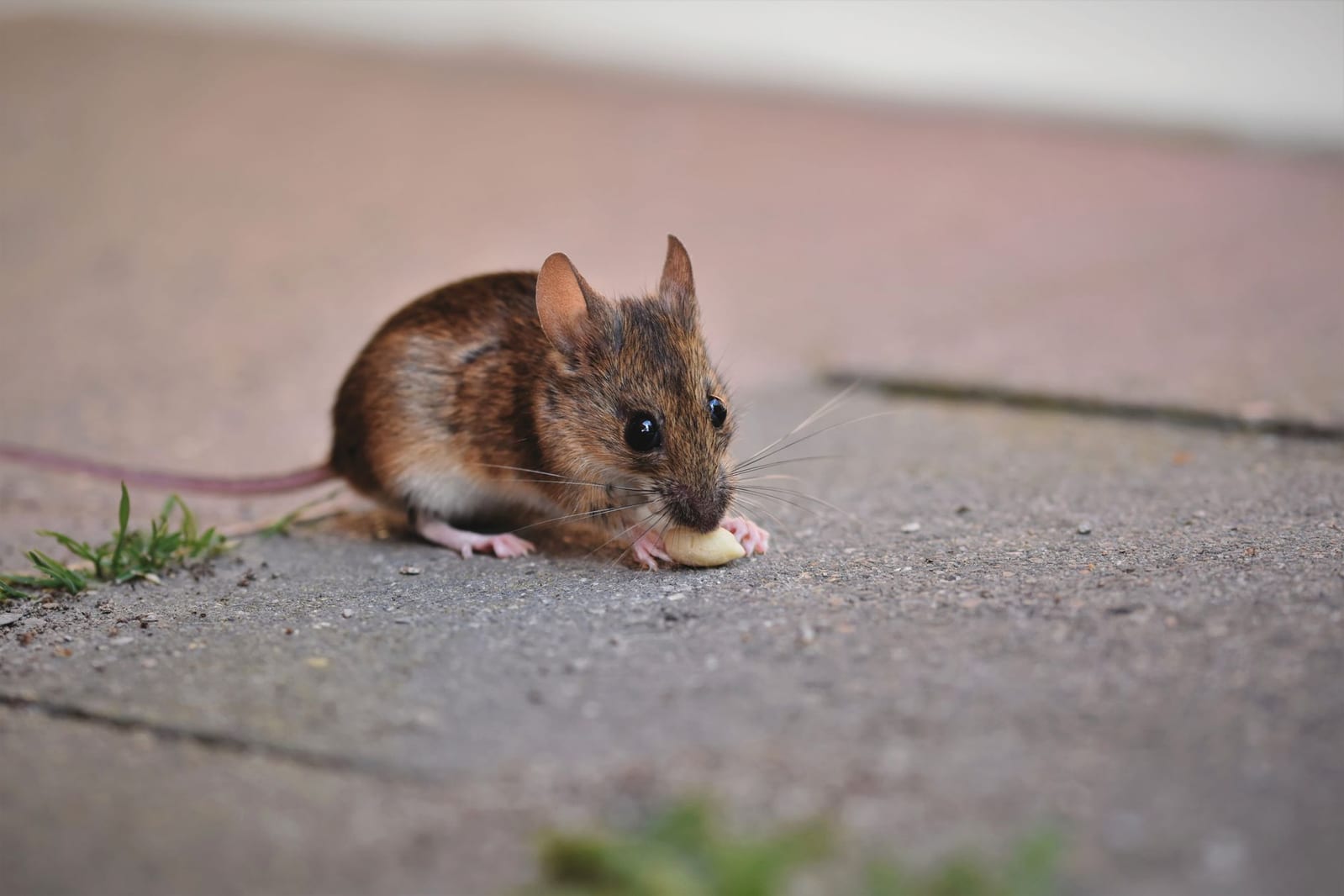
Rats are present on Staten Island's North Shore in a way they simply aren't in the island's suburban South Shore, and St. George's urban density is the reason why. Port Richmond and St. George share traditional urban rat pressure tied to older commercial buildings and shared basement infrastructure — a meaningfully different profile from the Greenbelt-adjacent wildlife and tick work that defines pest demand further south and inland on the island. An exterminator working St. George is doing Bronx-style rat and cockroach work, not the perimeter and exclusion work that defines a New Dorp or Great Kills service call. A property owner moving from a Manhattan or Brooklyn building into St. George shouldn't expect the pest profile to soften just because the borough has changed.
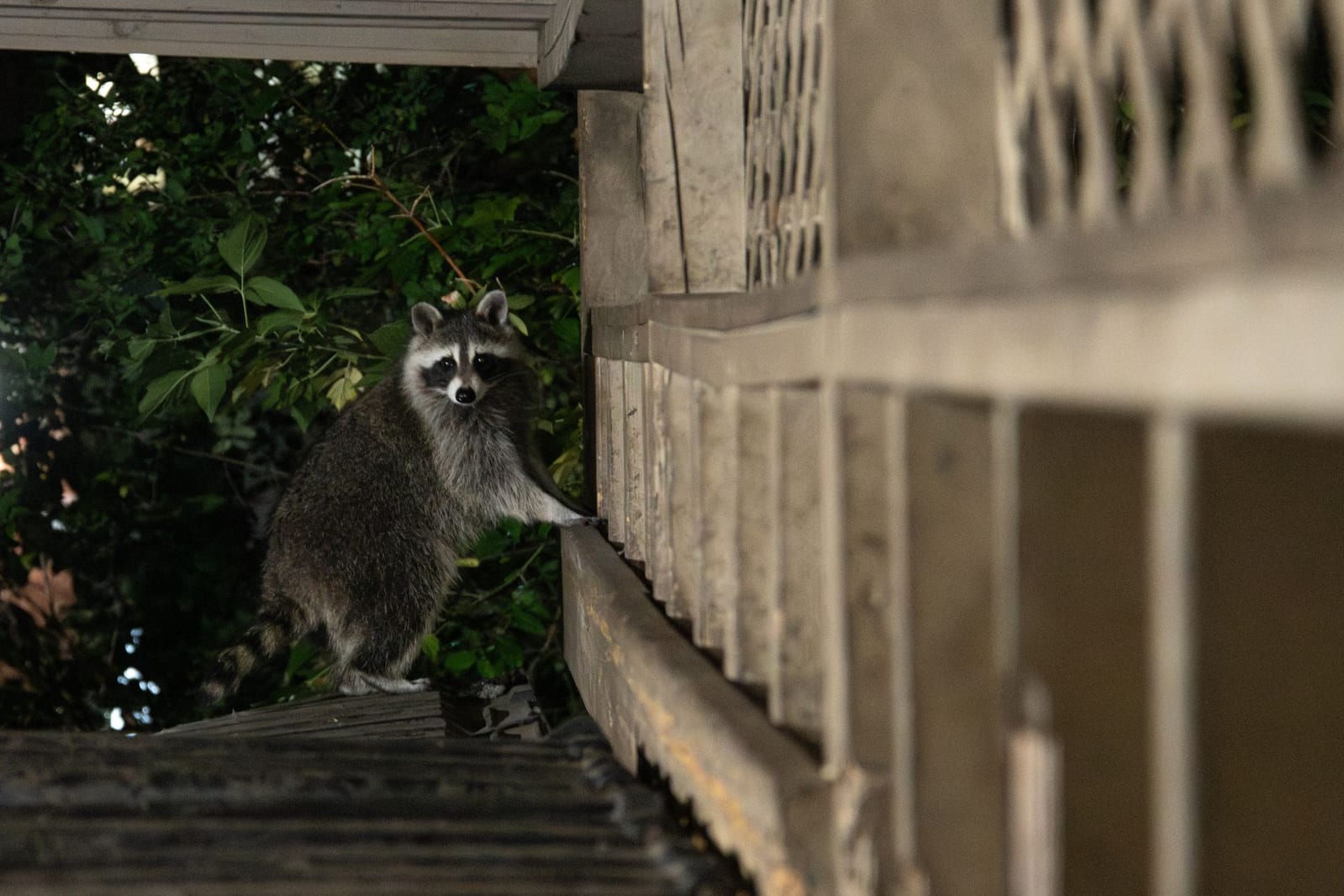
Wildlife exclusion, tick treatment, and the deer-driven pest pressure that defines much of Staten Island barely register in St. George — there's no Greenbelt-adjacent tree line here, and the built environment around the ferry terminal and Borough Hall is as urban as anywhere in the outer boroughs. That makes St. George something of an outlier within its own borough: a resident here calling about a raccoon or a tick is describing an unusual event, while the same call from Mid-Island or the South Shore is routine seasonal demand. That means a St. George exterminator's toolkit leans toward bait stations and gap sealing at the foundation, not the tick-barrier sprays and exclusion cages that dominate a Mid-Island or South Shore service truck.
The low overall inspection numbers for this stretch of Staten Island reflect a genuinely lower-pressure environment, not under-inspection — the inspection sample here is modest next to a corridor like Fordham Road's, and even against that smaller base, the share flagged for rat activity comes in near the bottom of the network's 21 tracked neighborhoods. That's a meaningfully different starting point for a service call here than in the Bronx: less chronic pressure, more one-off cases tied to a specific building's condition rather than a neighborhood-wide harborage problem. For a property owner, that translates to a shorter, more targeted service visit than a comparable Bronx job typically requires — a single inspection and treatment round often resolves it, rather than the standing multi-visit programs common in denser corridors.
What the city's own data says about St. George
Residents of St. George filed 128 rodent complaints with NYC 311 in the July 2025 – July 2026 period — the 17th highest of the 21 neighborhoods we cover. Over the same window the Health Department carried out 189 rodent inspections in these ZIP codes, and 9% of them failed for active rat activity (17 inspections).
Bed bugs are tracked separately. Under Local Law 69 of 2017, every multiple-dwelling owner in the city files an annual bed bug report with HPD. Across every filing covering St. George's ZIP codes, 325 dwelling units were reported infested out of 53,168 — an infestation rate of 0.61%, the 5th highest of the 21 neighborhoods we cover.
We publish the citywide version of this analysis, ranked by borough and ZIP code, in our rattiest NYC neighborhoods report — free to cite, quote or embed.
A complaint count measures where rats get reported, not where they all live — a block that calls 311 is not necessarily worse off than a block that has given up on calling. The inspection failure rate is the harder number: it is what a city inspector actually found on site. The bed bug rate is a landlord's own filing, so it understates buildings that never filed. Source: NYC Open Data — NYC 311 Service Requests + DOHMH Rodent Inspection + HPD Bedbug Reporting (NYC Open Data). Retrieved 2026-07-10.
Common pests in St. George
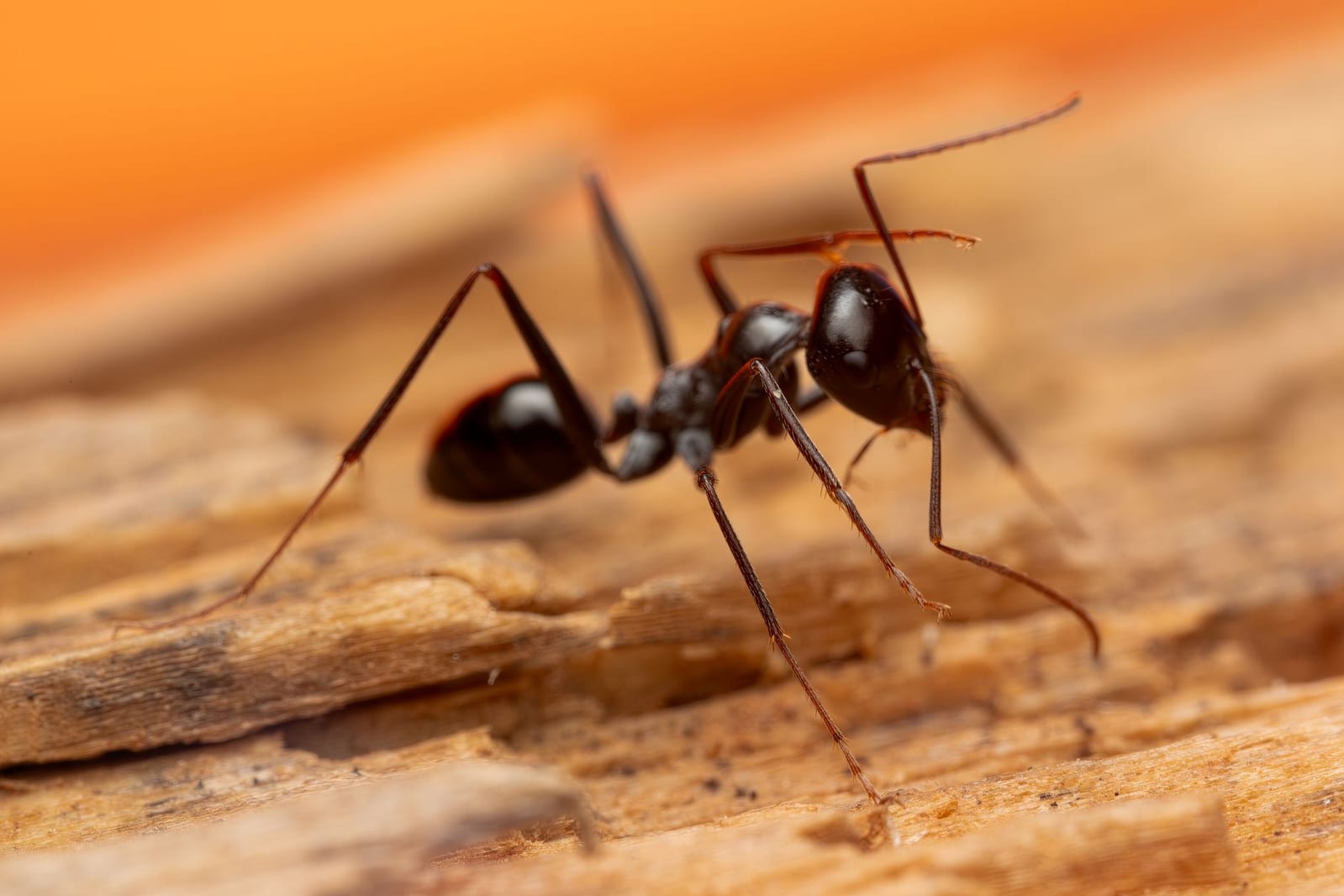
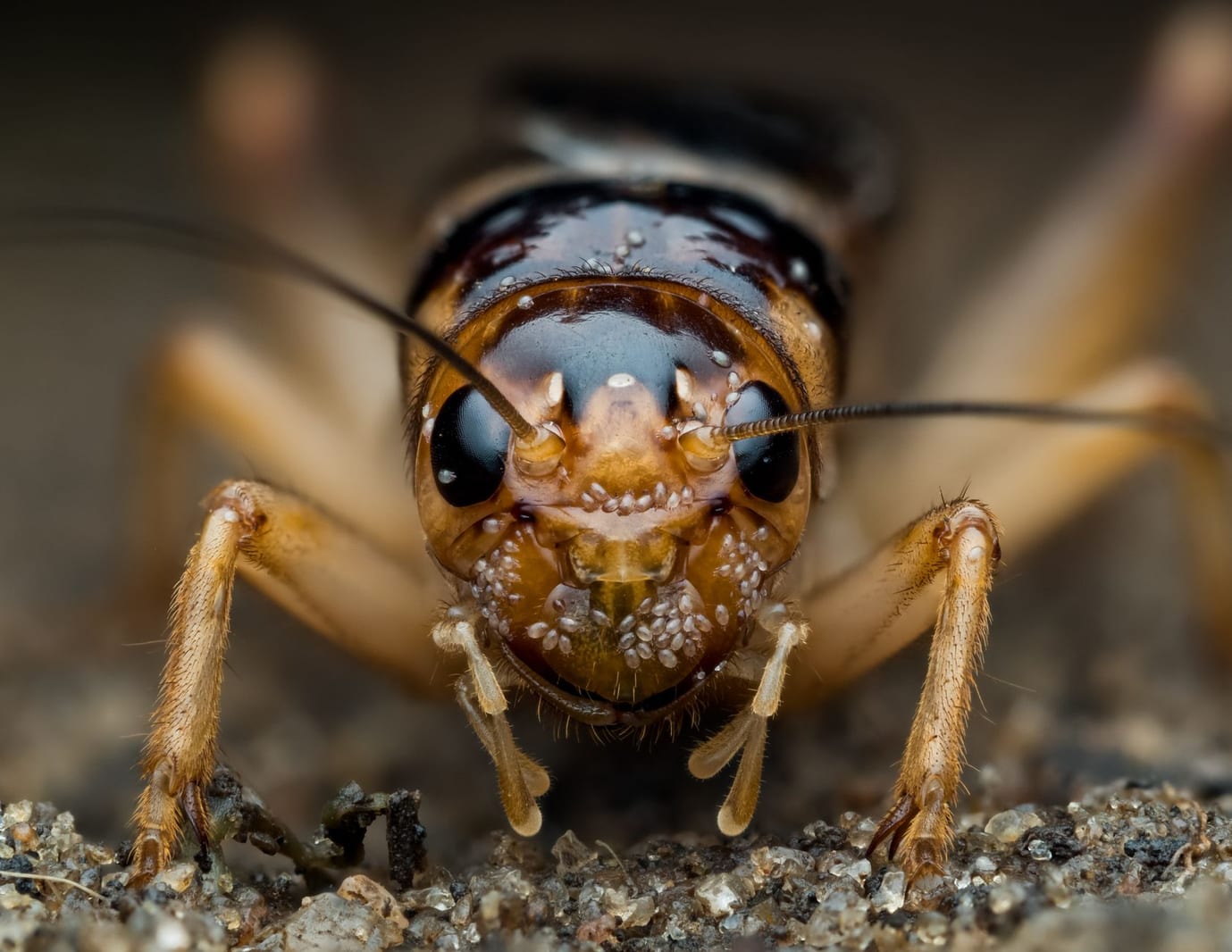
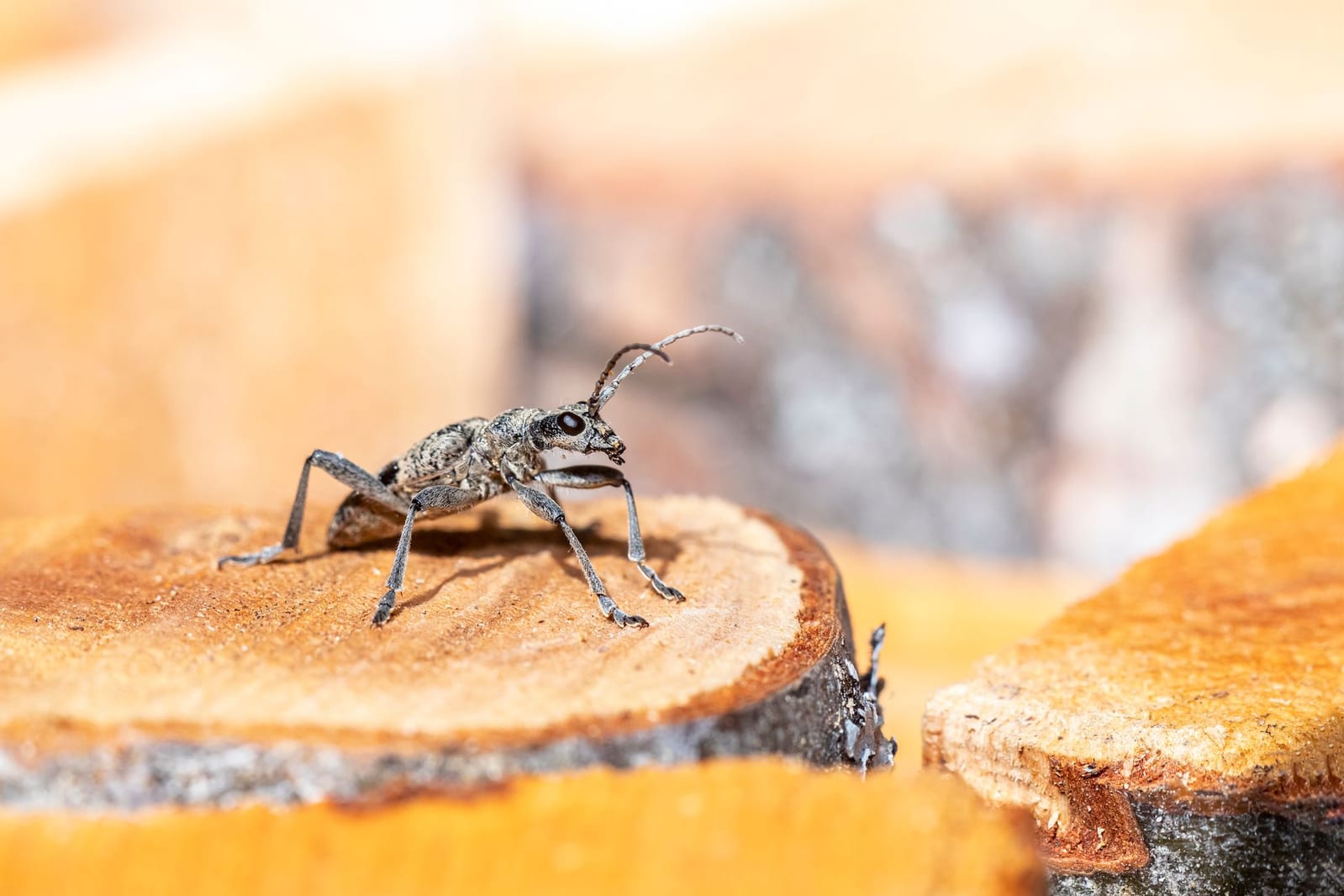
The issues we treat most here: rodents, cockroaches, bed bugs, ants. We serve St. George Ferry Terminal, Richmond County Bank Ballpark, New York Supreme Court (Staten Island), Borough Hall, Richmond Terrace and the wider area across ZIPs 10301, 10302.