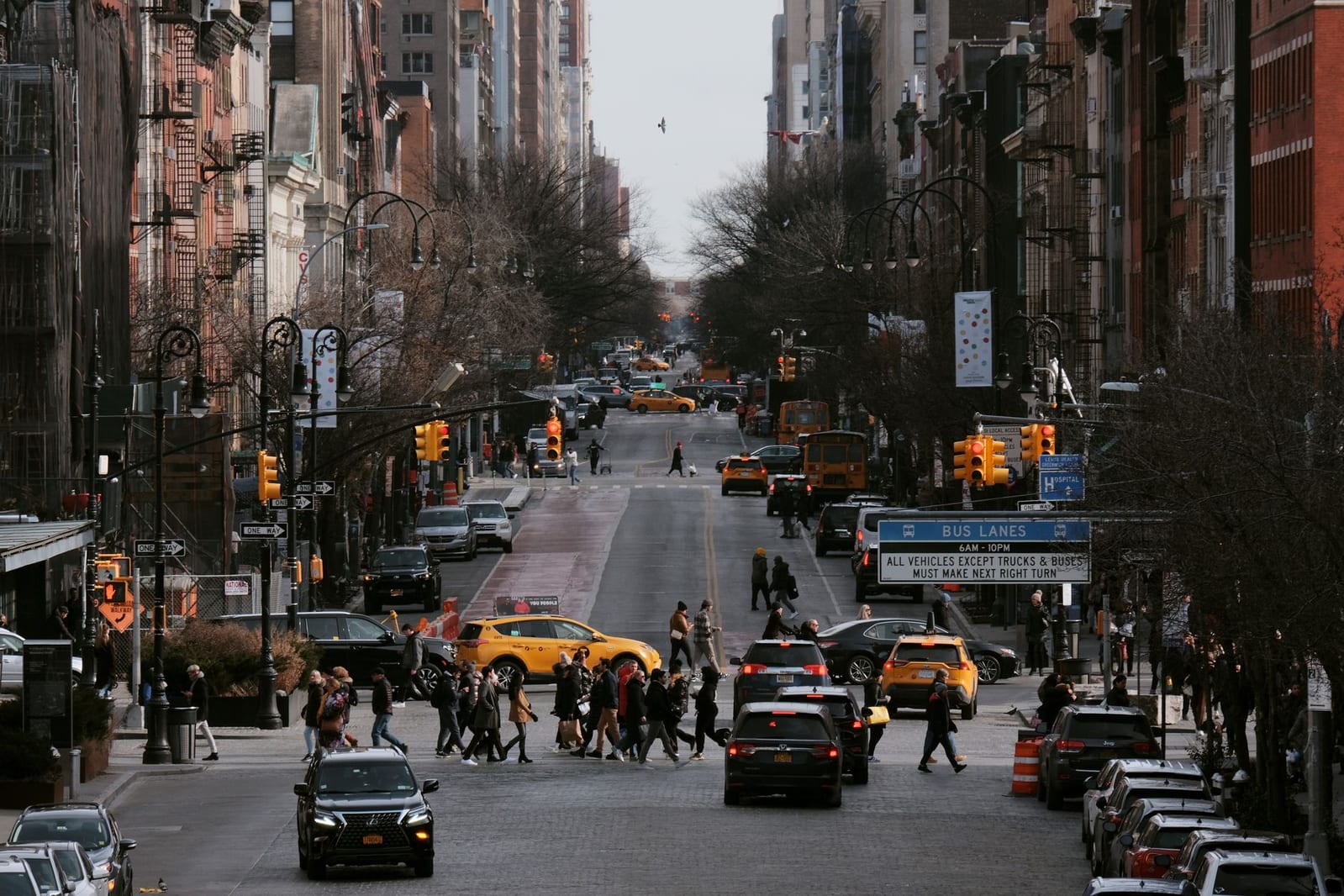
Pest control built for Flushing
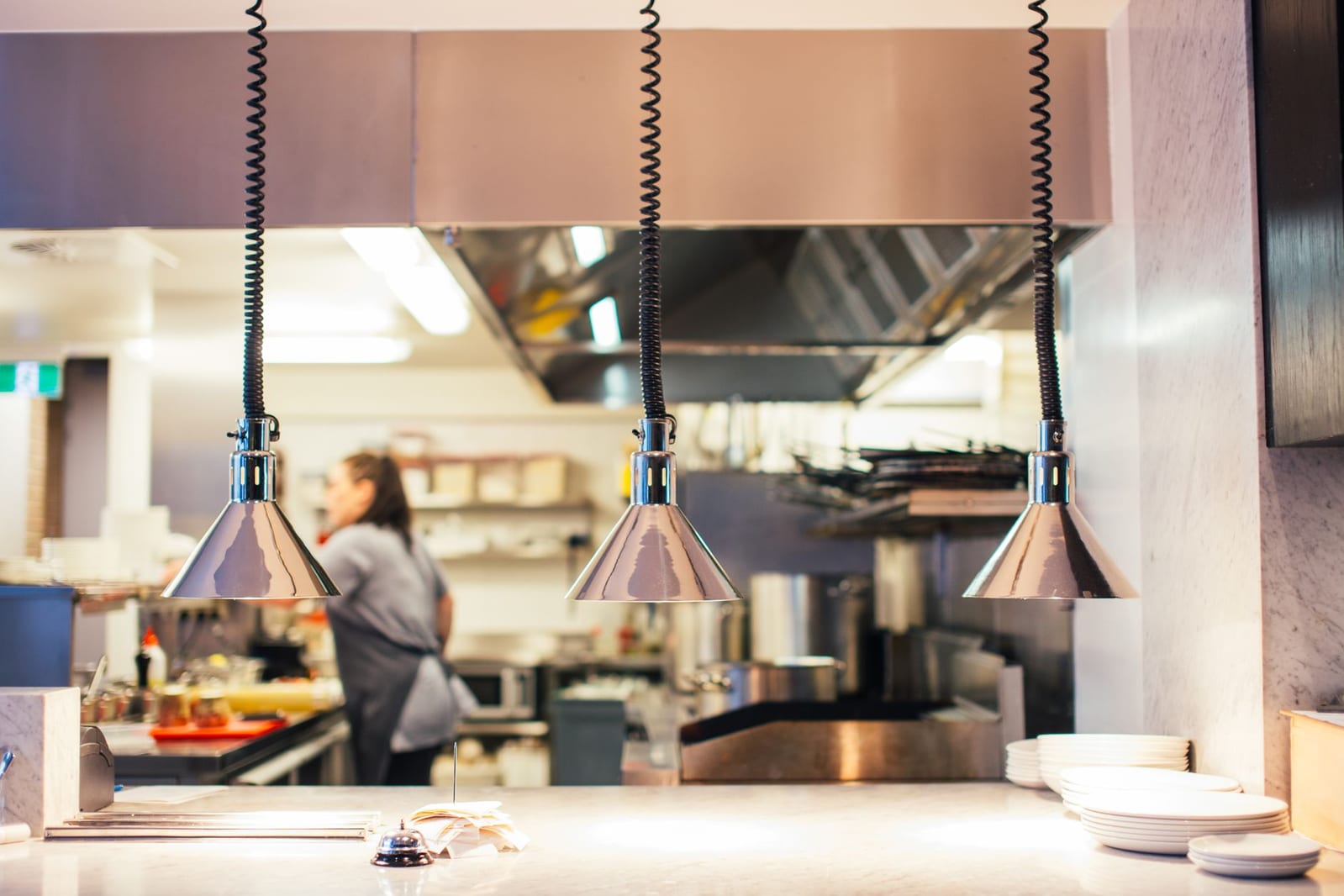
Main Street's restaurant and food-retail corridor is unusually dense even by Queens standards, and the food waste volume it generates is the single biggest driver of what we see in the 311 data: a rodent complaint volume in the middle tier of the 21 neighborhoods we track, against a DOHMH inspection failure rate for rat activity that runs well above what a middling complaint count alone would suggest. What makes Flushing's numbers worth reading closely is the complaint type breakdown underneath them, not just the totals. Sightings and conditions run close together here in a way that's unusual for a dense commercial district, and that pattern changes how I'd advise a property owner to act. That underlying pattern — not just how many complaints come in, but what kind — is what a property owner here should actually be paying attention to.
Flushing is one of only two neighborhoods in our network of 21 where 311 callers report 'Condition Attracting Rodents' — garbage, harborage, structural gaps — nearly as often as they report an actual rat sighting, with condition complaints running neck-and-neck with sighting reports rather than trailing well behind them. In most dense commercial neighborhoods, sighting reports dominate by a wide margin because people call after they've already seen a live rat. A near-even split suggests residents here are catching the setup stage — the overflowing bin, the gap under the loading dock door — before the population fully establishes, which is genuinely the better time to get a professional in for exclusion work rather than waiting for confirmed activity.
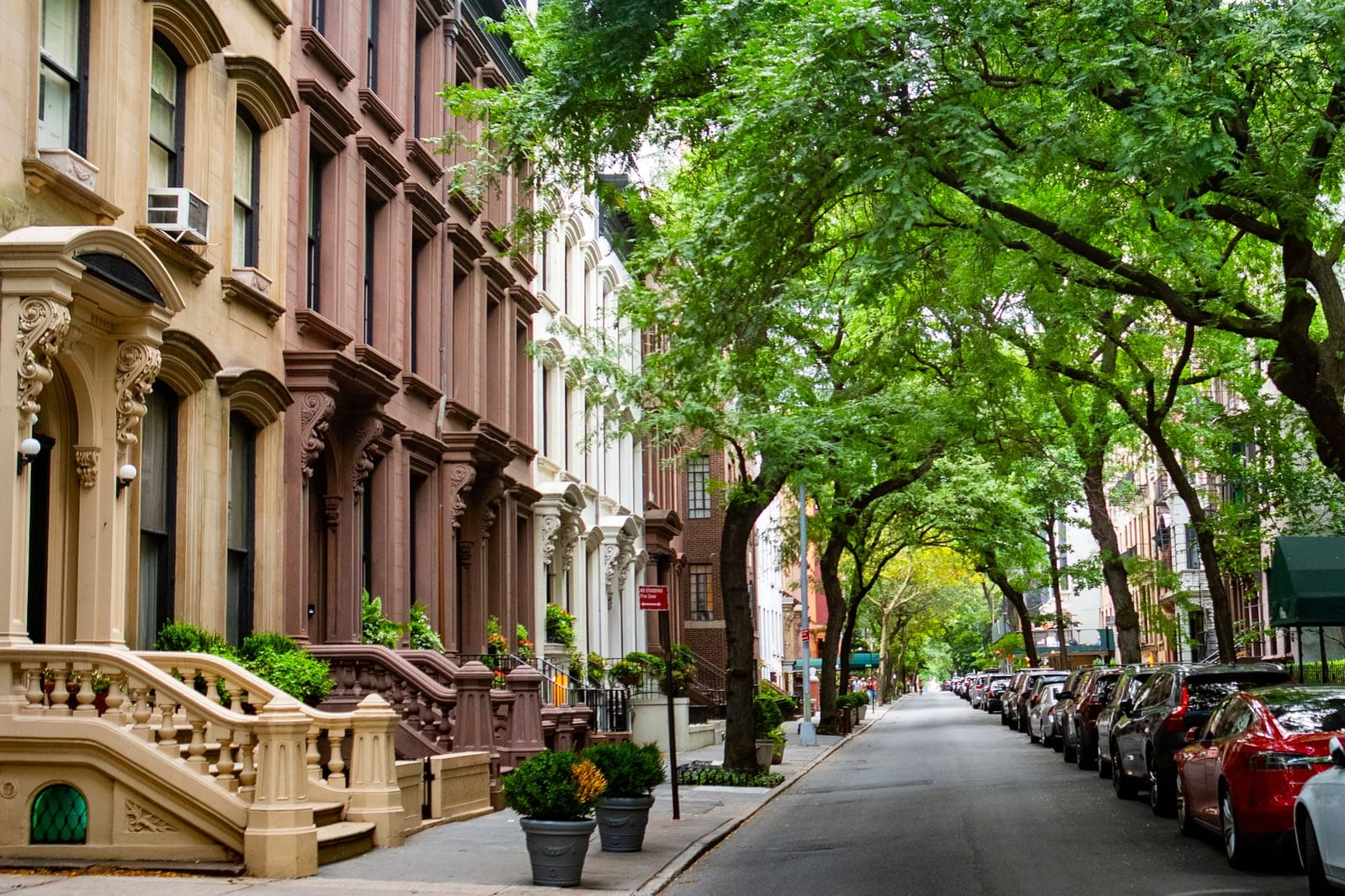
The buildings around Main Street mix older multi-family walk-ups with newer mixed-use construction over ground-floor retail, and both types share the same weakness: a taxpayer-style building with restaurant space on the ground floor and apartments above has every incentive for rodents to travel from the kitchen drains and grease traps straight up through the utility chases to the residential units. I've treated more than a few buildings here where the restaurant lease predates the current ownership and nobody upstairs realized how directly their apartment connects to the kitchen two floors down until the first roach or mouse showed up. I always check the shared chase behind the kitchen wall on these jobs before recommending anything upstairs, because sealing that single pathway does more than a full apartment treatment on its own.
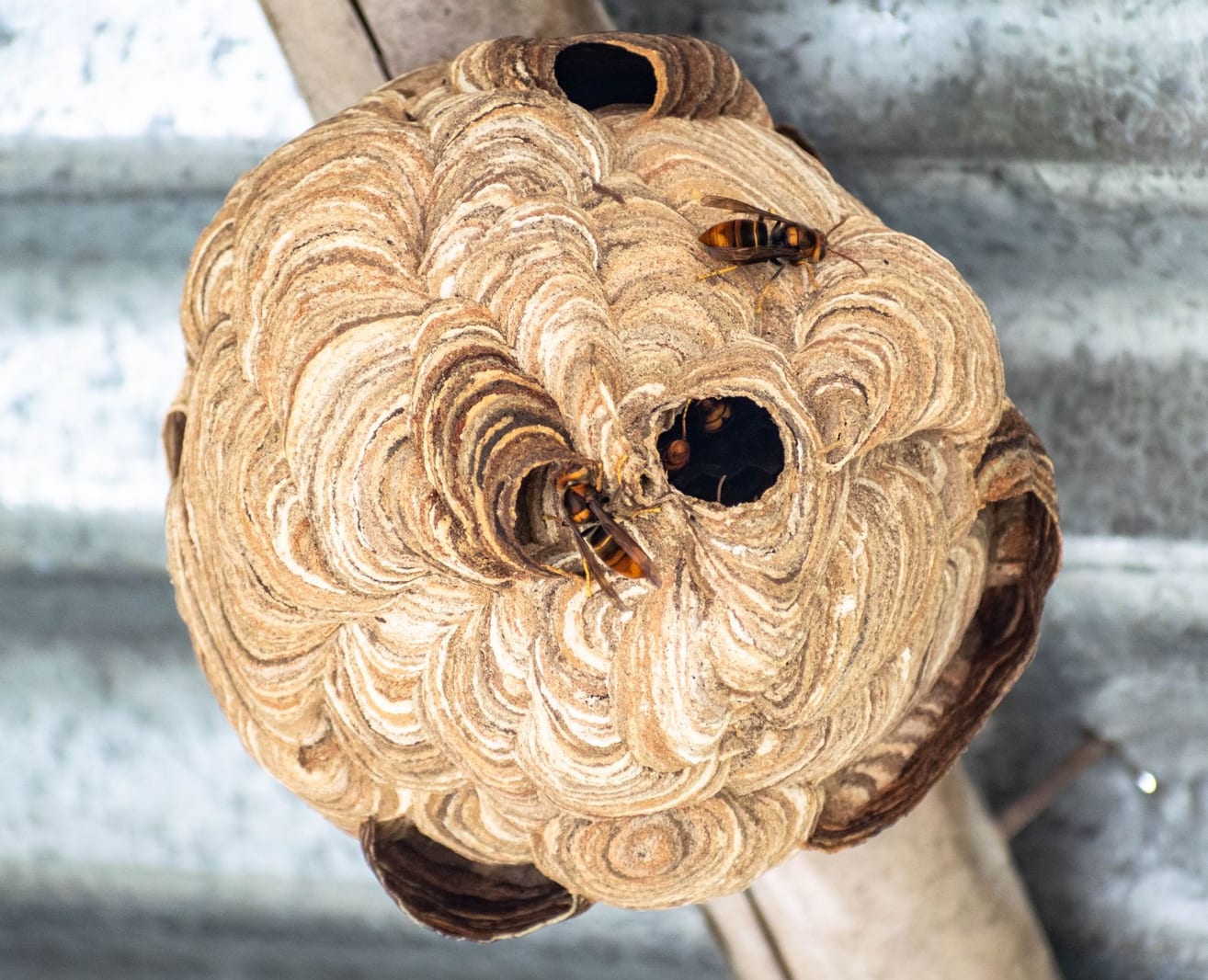
Flushing Meadows-Corona Park and the Kissena Park lake add mosquito breeding habitat that Main Street itself doesn't have, plus seasonal rodent movement along the park's edges into the closest residential blocks. Properties within a few blocks of either park should expect a summer mosquito season noticeably worse than blocks deeper into the commercial core, where the pest profile skews almost entirely toward rats and German cockroaches instead. Stinging insects nesting in the parks' tree cover are a secondary, smaller concern that shows up mainly in late summer. None of that changes the core Main Street pattern, though — walk two or three blocks off the park and the calls shift almost entirely back to rats and roaches around the restaurant kitchens.
Flushing has the largest Chinese community outside Manhattan's Chinatown, concentrated in the blocks immediately around Main Street, with a Korean community centered further along Union Street and the Murray Hill area. That matters practically for restaurant compliance work — a DOHMH grading conversation with a Main Street restaurant owner often needs to happen in Mandarin or Cantonese, not English, and a written compliance plan that only exists in English doesn't get acted on the same day. It's also a genuine content and service gap: almost no pest control competitor in this network's coverage area has built out Chinese- or Korean-language material for this specific commercial corridor. Building that capability isn't just a courtesy — it's the difference between a restaurant owner who acts on a compliance plan the same week and one who lets a fixable problem sit until the next inspection catches it again.
Rat activity along Main Street tracks the restaurant calendar more than the weather — a kitchen that gets busier during a festival week or a holiday season generates more waste and more rat movement regardless of temperature, which is different from the outer-Queens pattern where cold weather drives entry into homes. Property owners here should think about waste management timing around the neighborhood's commercial calendar, not just the standard September rodent-entry season the rest of Queens follows, and should expect the busiest restaurant weeks of the year to bring a noticeable uptick in complaints from neighbors. Waste haulers and building management should plan pickup frequency around the retail calendar here, not the standard weekly schedule that works fine in a purely residential neighborhood.
What the city's own data says about Flushing
Residents of Flushing filed 281 rodent complaints with NYC 311 in the July 2025 – July 2026 period — the 12th highest of the 21 neighborhoods we cover. Over the same window the Health Department carried out 400 rodent inspections in these ZIP codes, and 26.2% of them failed for active rat activity (105 inspections).
Bed bugs are tracked separately. Under Local Law 69 of 2017, every multiple-dwelling owner in the city files an annual bed bug report with HPD. Across every filing covering Flushing's ZIP codes, 1,650 dwelling units were reported infested out of 312,087 — an infestation rate of 0.53%, the 7th highest of the 21 neighborhoods we cover.
We publish the citywide version of this analysis, ranked by borough and ZIP code, in our rattiest NYC neighborhoods report — free to cite, quote or embed.
A complaint count measures where rats get reported, not where they all live — a block that calls 311 is not necessarily worse off than a block that has given up on calling. The inspection failure rate is the harder number: it is what a city inspector actually found on site. The bed bug rate is a landlord's own filing, so it understates buildings that never filed. Source: NYC Open Data — NYC 311 Service Requests + DOHMH Rodent Inspection + HPD Bedbug Reporting (NYC Open Data). Retrieved 2026-07-10.
Common pests in Flushing
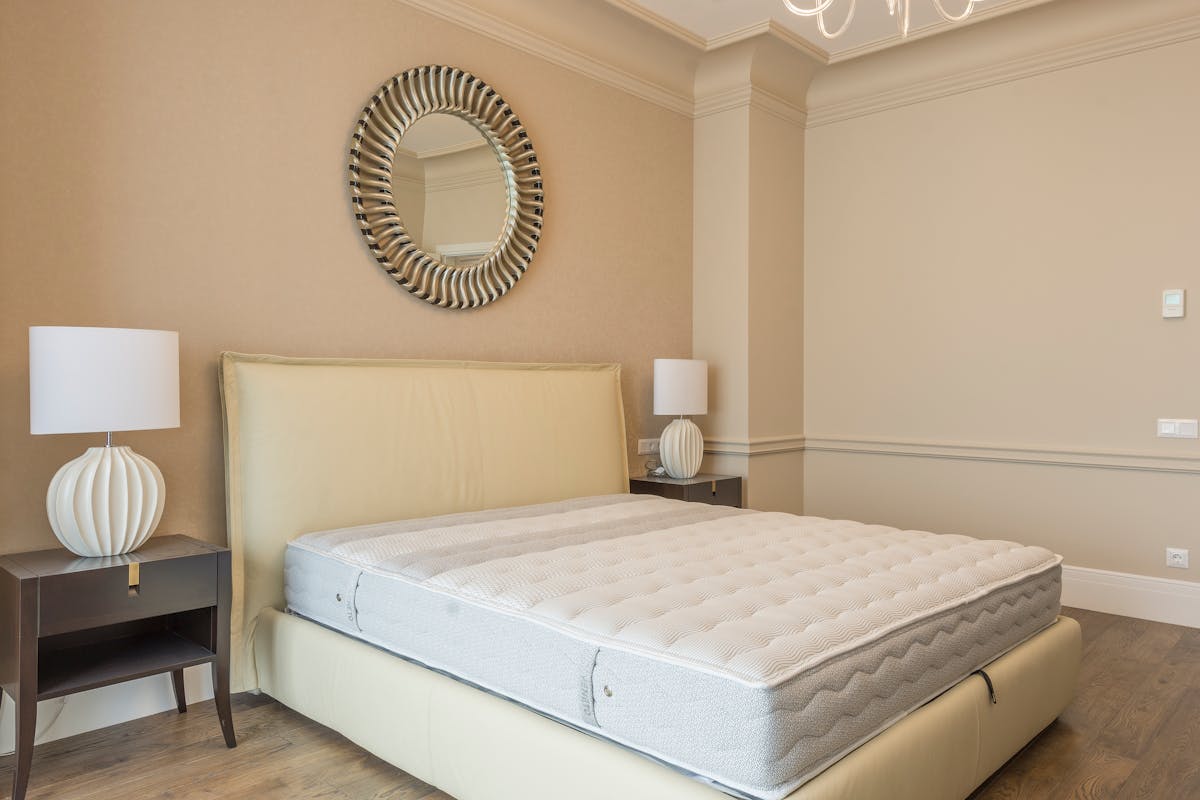
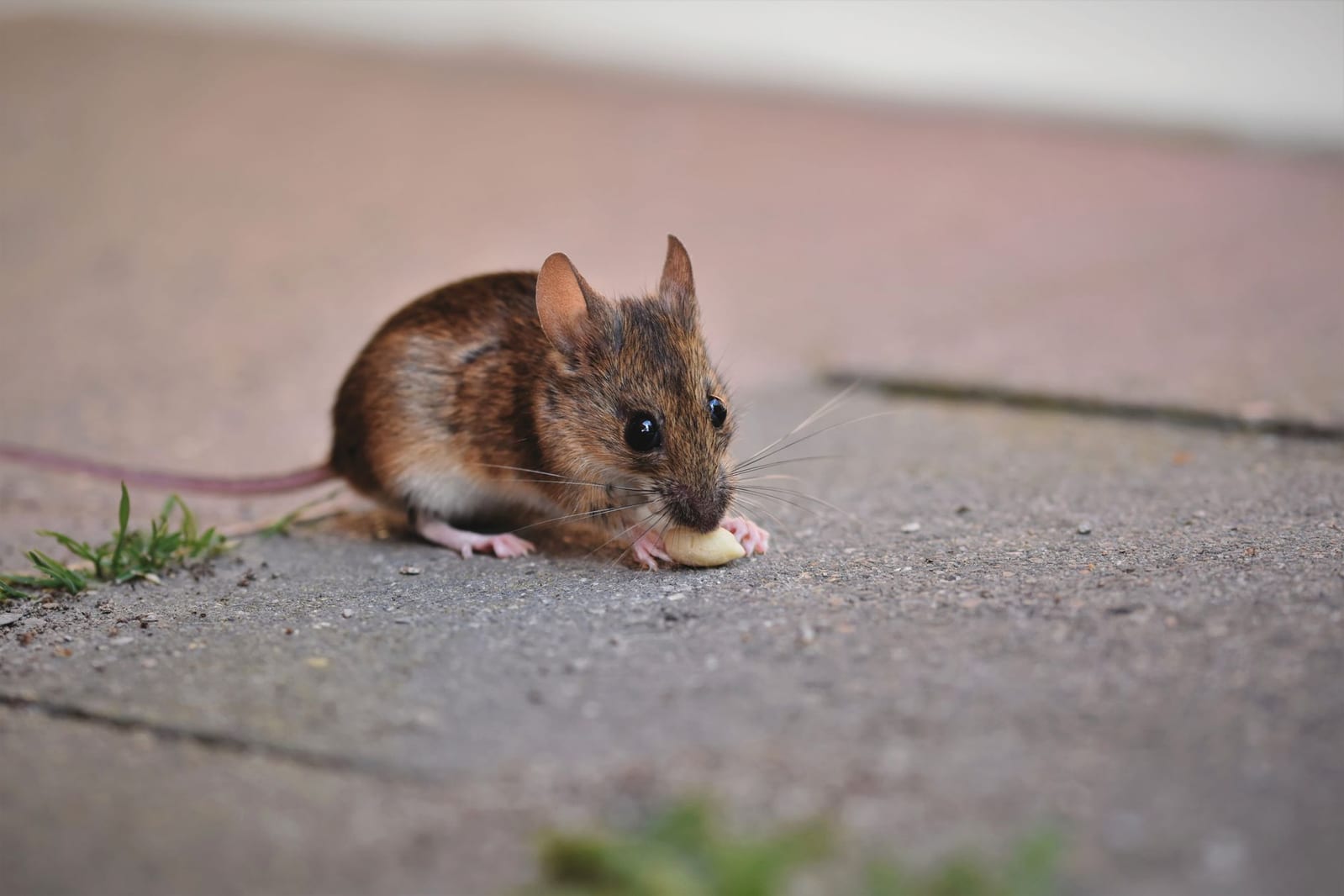
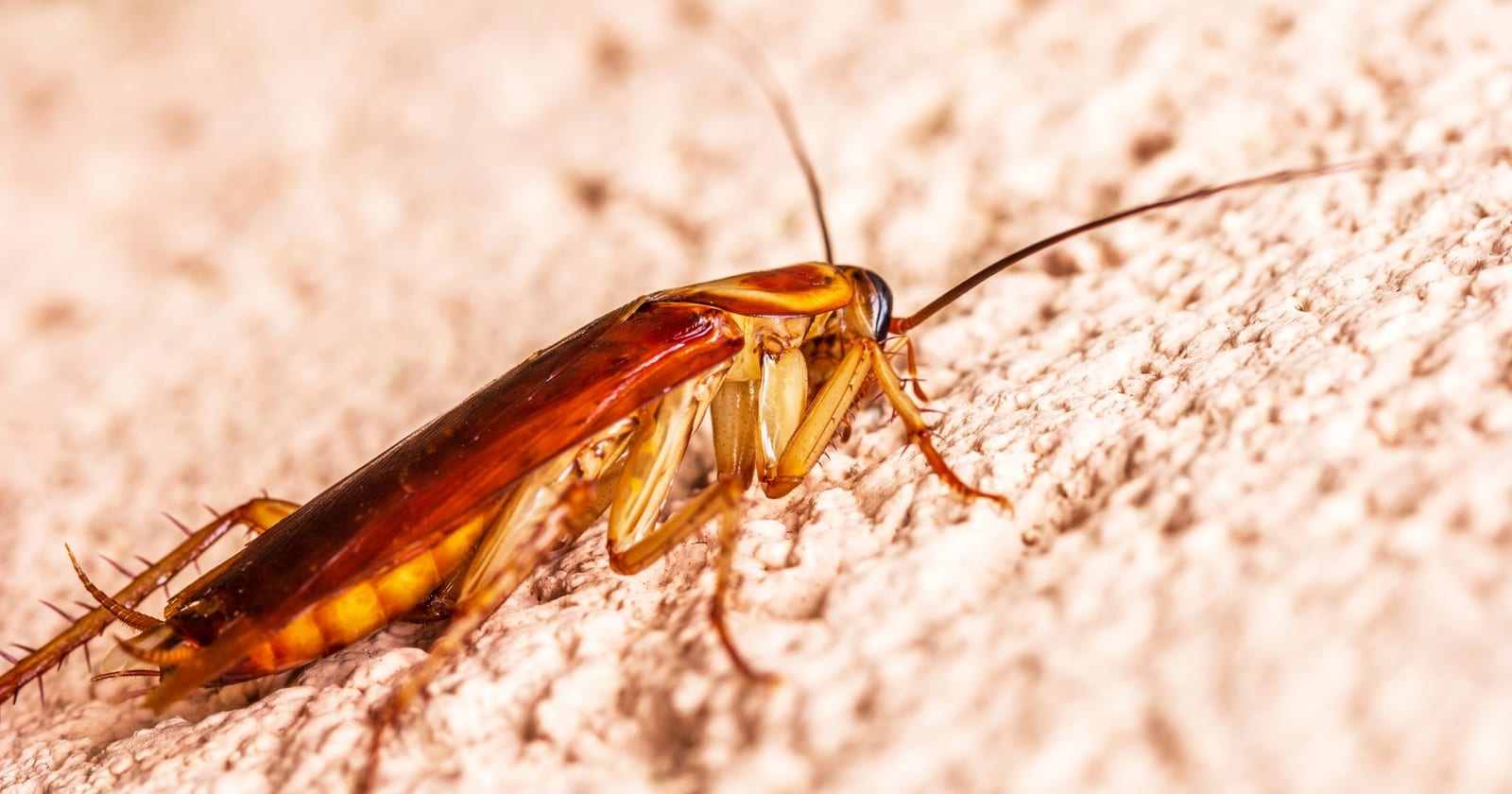
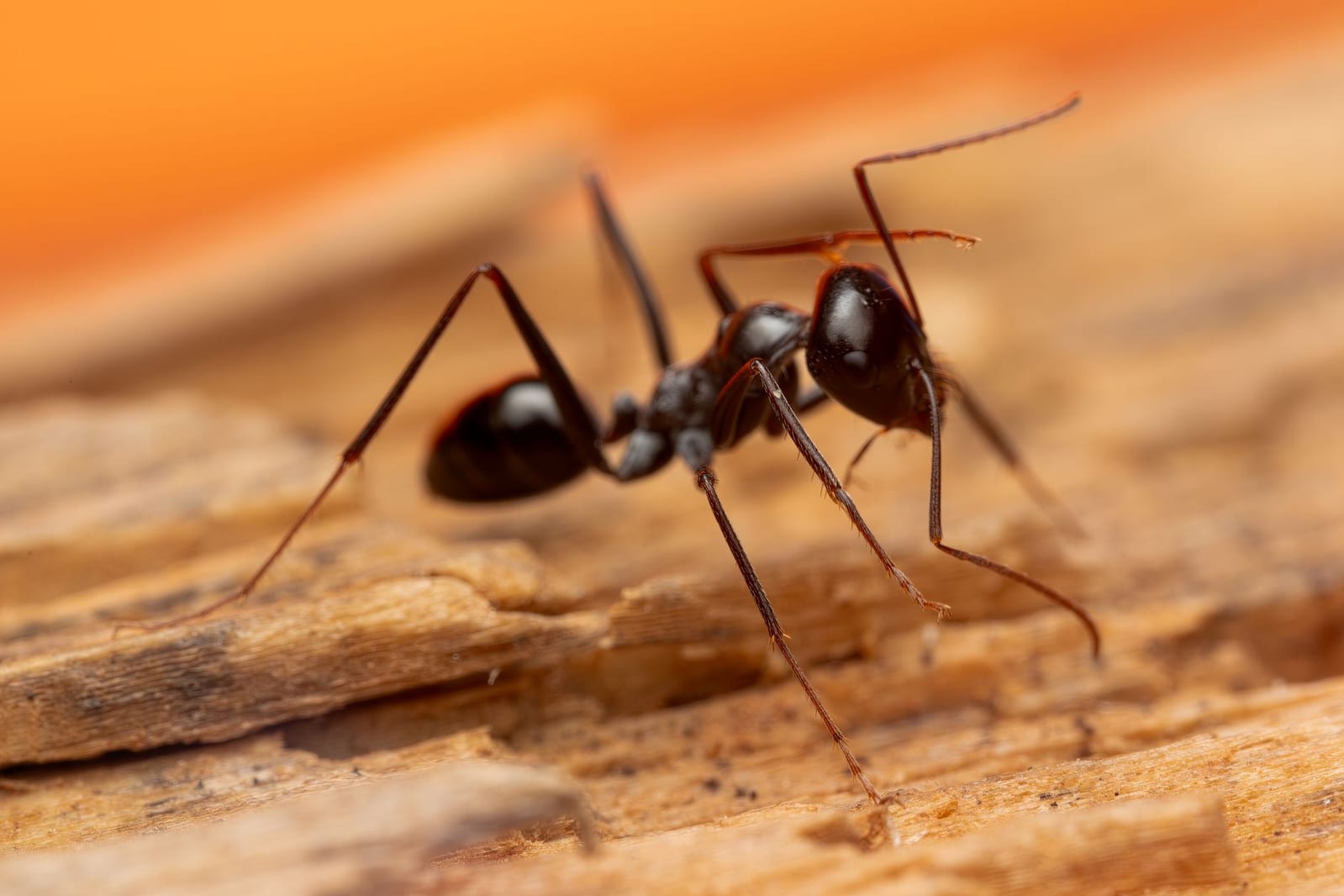
The issues we treat most here: rodents, cockroaches, bed bugs, ants. We serve Main Street, Flushing Meadows–Corona Park, Downtown Flushing and the wider area across ZIPs 11354, 11355, 11358.