Pest control built for Brooklyn Heights
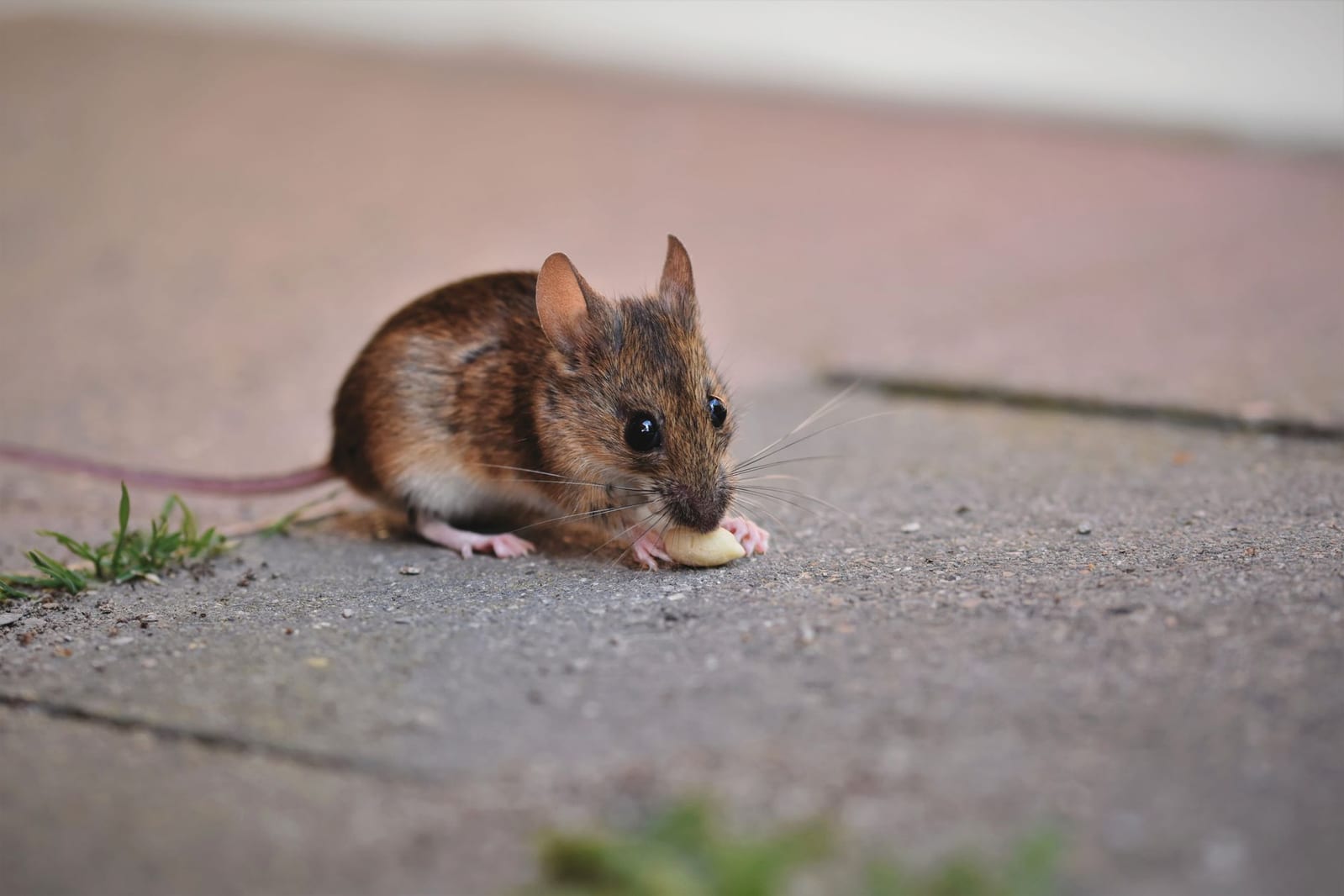
Brooklyn Heights posts the lowest rat complaint count of any neighborhood in this set — a fraction of Bed-Stuy's total — but that has as much to do with geography as pest pressure. This is the smallest footprint of the five neighborhoods we cover here, a single zip code built out almost entirely in the 19th century, so there are simply fewer buildings generating complaints in the first place. The share of inspections that come back confirming active rat activity, once a complaint is filed, isn't far off the citywide pattern for older brownstone housing — small area, not necessarily lighter pressure per building.
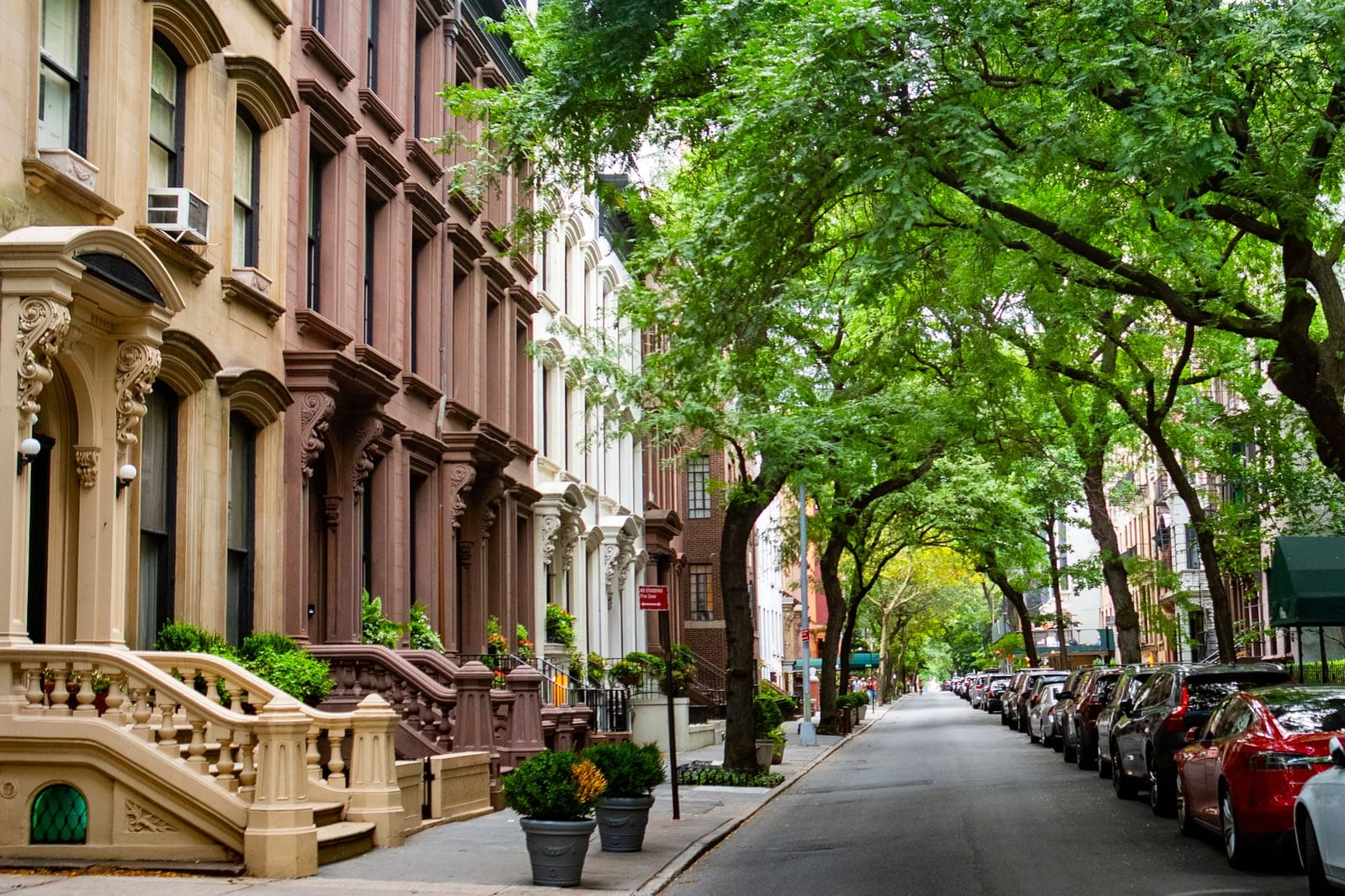
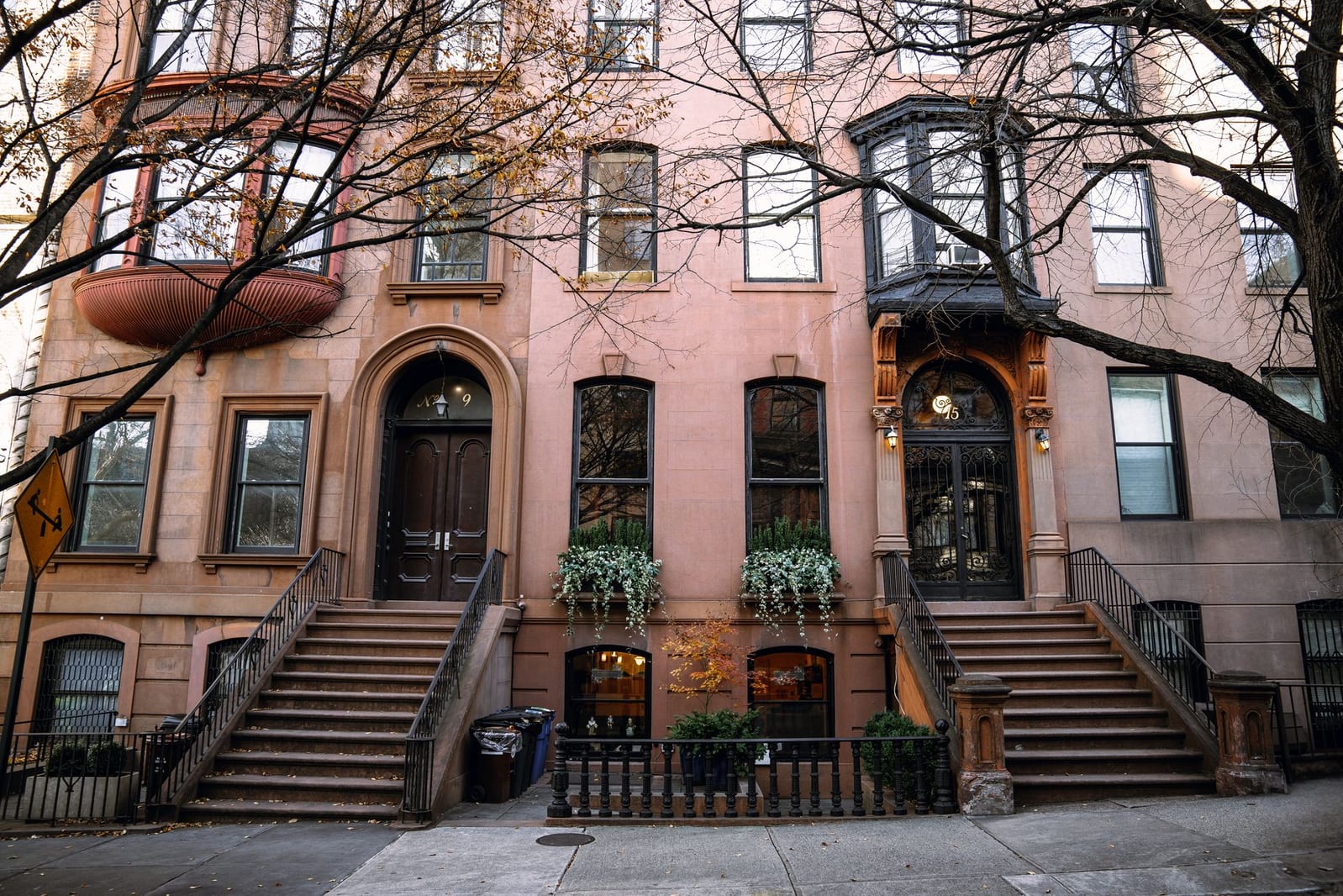
This is one of the oldest continuously built-up neighborhoods in the city, and its landmarked 19th-century brownstones and row houses carry every structural quirk that age brings — original wood joists, deep baseboard gaps, party walls shared the length of a block, and plumbing that's been patched and repatched for a hundred-plus years rather than replaced wholesale. None of that is unique to Brooklyn Heights, but the landmark designation covering nearly the entire neighborhood means exterior repair work — repointing masonry, replacing a foundation-level door, sealing an areaway gap — often needs Landmarks Preservation Commission review before it happens, which can slow the exclusion side of treatment.
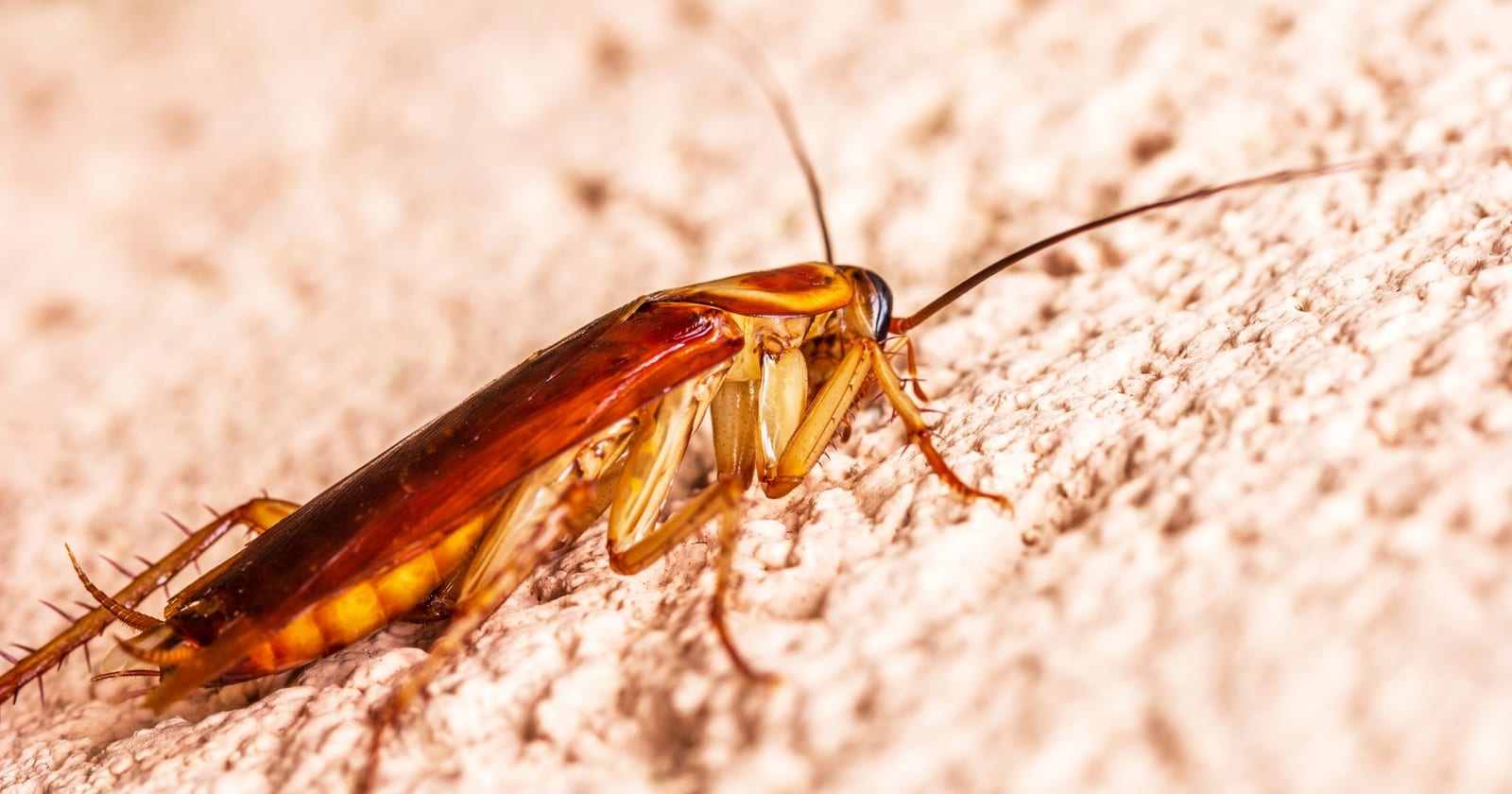
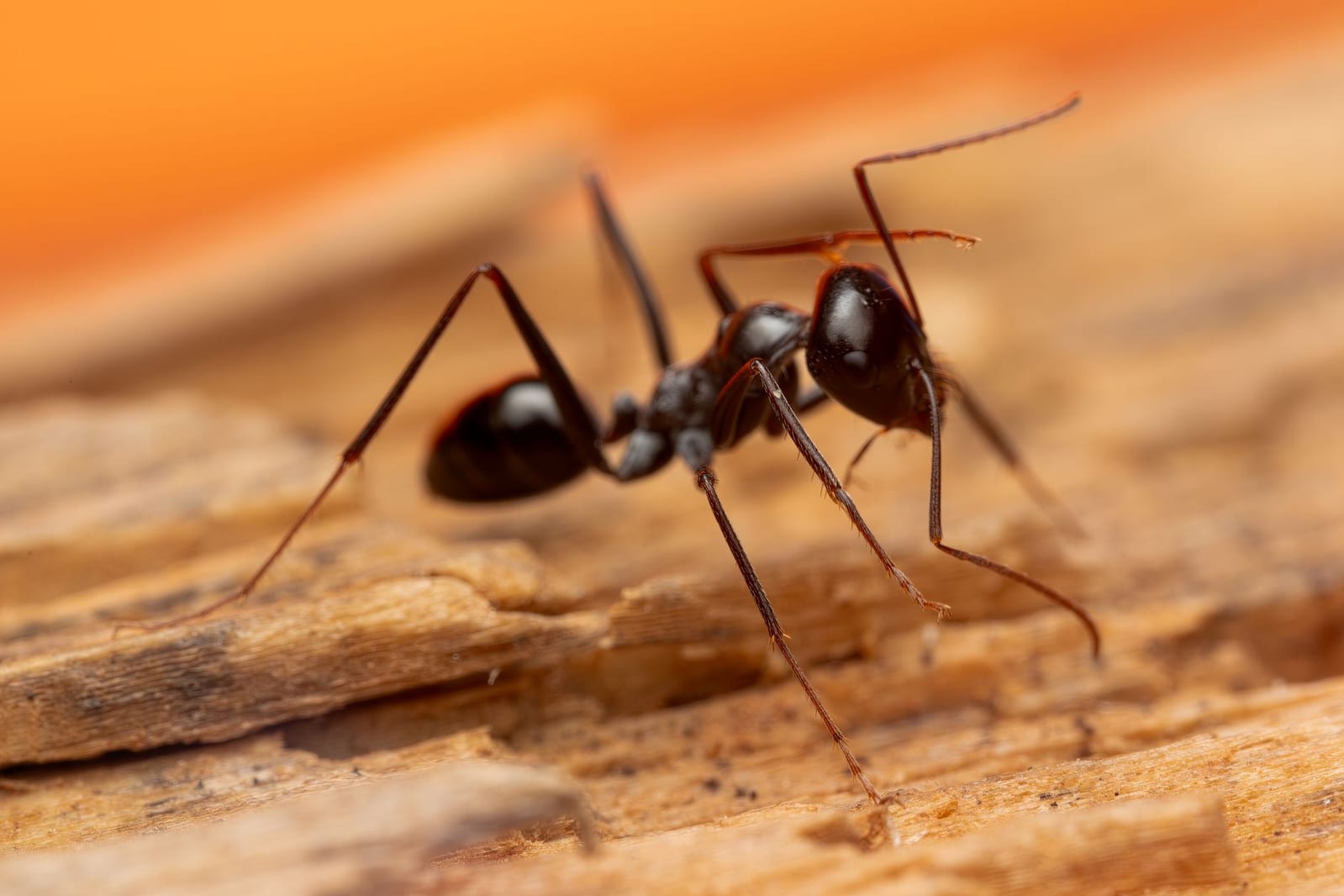
Garden-level and basement apartments carved out of these row houses generations ago are where the pressure concentrates. Original masonry foundations at that depth were never built airtight, and a hundred-plus years of settling has opened gaps around old window frames and foundation joints that let large American cockroaches — the ones New Yorkers call water bugs — rise up from below-grade drains, and ants and mice work their way in around aging sills. A top-floor unit in the same building can go years without a call while the garden apartment two floors down fights the same problem every season, often traced to a single unsealed drain the co-op board never flagged.
The neighborhood's edge along the Promenade and Brooklyn Bridge Park adds its own rodent pressure. Waterfront green space and the heavy foot and tourist traffic the Promenade draws mean exterior refuse management and landscaping maintenance matter more here than they would on a purely interior residential block, and burrow activity along the park's perimeter can push into the closest residential streets, particularly during the September–October rodent-entry season when falling temperatures send burrows looking for a warmer cellar nearby. A row house backing onto Brooklyn Bridge Park is getting outdoor harborage pressure a block further inland simply doesn't face in the same way.
Montague Street's restaurant and retail strip is the other pressure point in the neighborhood, feeding rodent activity into the residential blocks that back onto it the way any dense commercial corridor does — dumpster placement, delivery schedules and food waste sustain a population that then forages into nearby cellars. Because the surrounding blocks are almost entirely landmarked row houses rather than a mix of building eras, that pressure has fewer places to disperse to; it concentrates along a fairly narrow band of streets radiating out from the strip rather than spreading across a wider variety of building types the way it might in a more architecturally mixed neighborhood.
Brooklyn Heights' proximity to the Brooklyn Bridge approach and the traffic and construction activity around it is a smaller but real factor too — any nearby roadwork or utility work disturbs established burrows and sends rodents looking for the nearest undisturbed cellar, and in a neighborhood this dense with historic basements, there's no shortage of options. Treating a Brooklyn Heights row house well means respecting the landmark constraints on the exterior — patching a foundation gap with mortar that matches the original rather than raw concrete — while still doing the unglamorous work of mapping every burrow and sealing every basement penetration a hundred-plus years of settling has opened up.
What the city's own data says about Brooklyn Heights
Residents of Brooklyn Heights filed 135 rodent complaints with NYC 311 in the July 2025 – July 2026 period — the 15th highest of the 21 neighborhoods we cover. Over the same window the Health Department carried out 771 rodent inspections in these ZIP codes, and 18.2% of them failed for active rat activity (140 inspections).
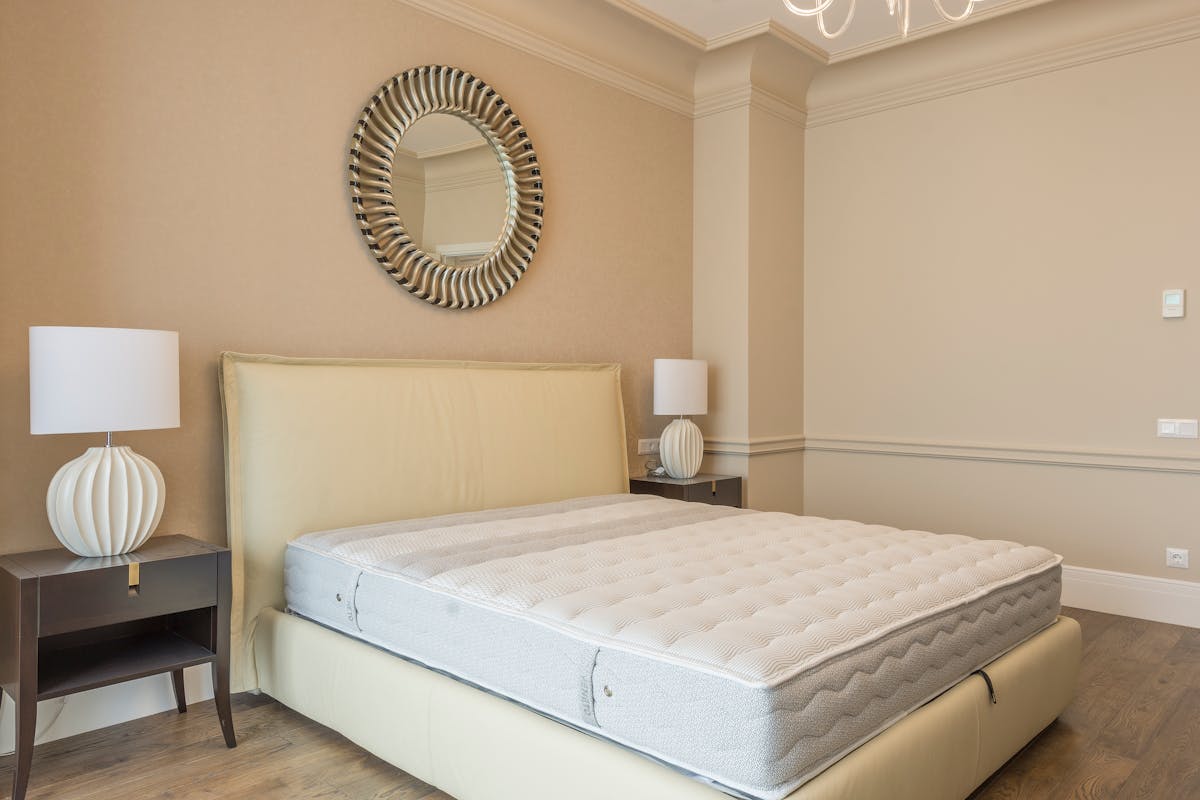
Bed bugs are tracked separately. Under Local Law 69 of 2017, every multiple-dwelling owner in the city files an annual bed bug report with HPD. Across every filing covering Brooklyn Heights's ZIP codes, 412 dwelling units were reported infested out of 263,725 — an infestation rate of 0.16%, the 19th highest of the 21 neighborhoods we cover.
We publish the citywide version of this analysis, ranked by borough and ZIP code, in our rattiest NYC neighborhoods report — free to cite, quote or embed.
A complaint count measures where rats get reported, not where they all live — a block that calls 311 is not necessarily worse off than a block that has given up on calling. The inspection failure rate is the harder number: it is what a city inspector actually found on site. The bed bug rate is a landlord's own filing, so it understates buildings that never filed. Source: NYC Open Data — NYC 311 Service Requests + DOHMH Rodent Inspection + HPD Bedbug Reporting (NYC Open Data). Retrieved 2026-07-10.
Common pests in Brooklyn Heights
The issues we treat most here: rodents, cockroaches, bed bugs, ants. We serve Brooklyn Heights Promenade, Montague Street, Brooklyn Bridge, Cadman Plaza and the wider area across ZIPs 11201.