Pest control built for Flatbush
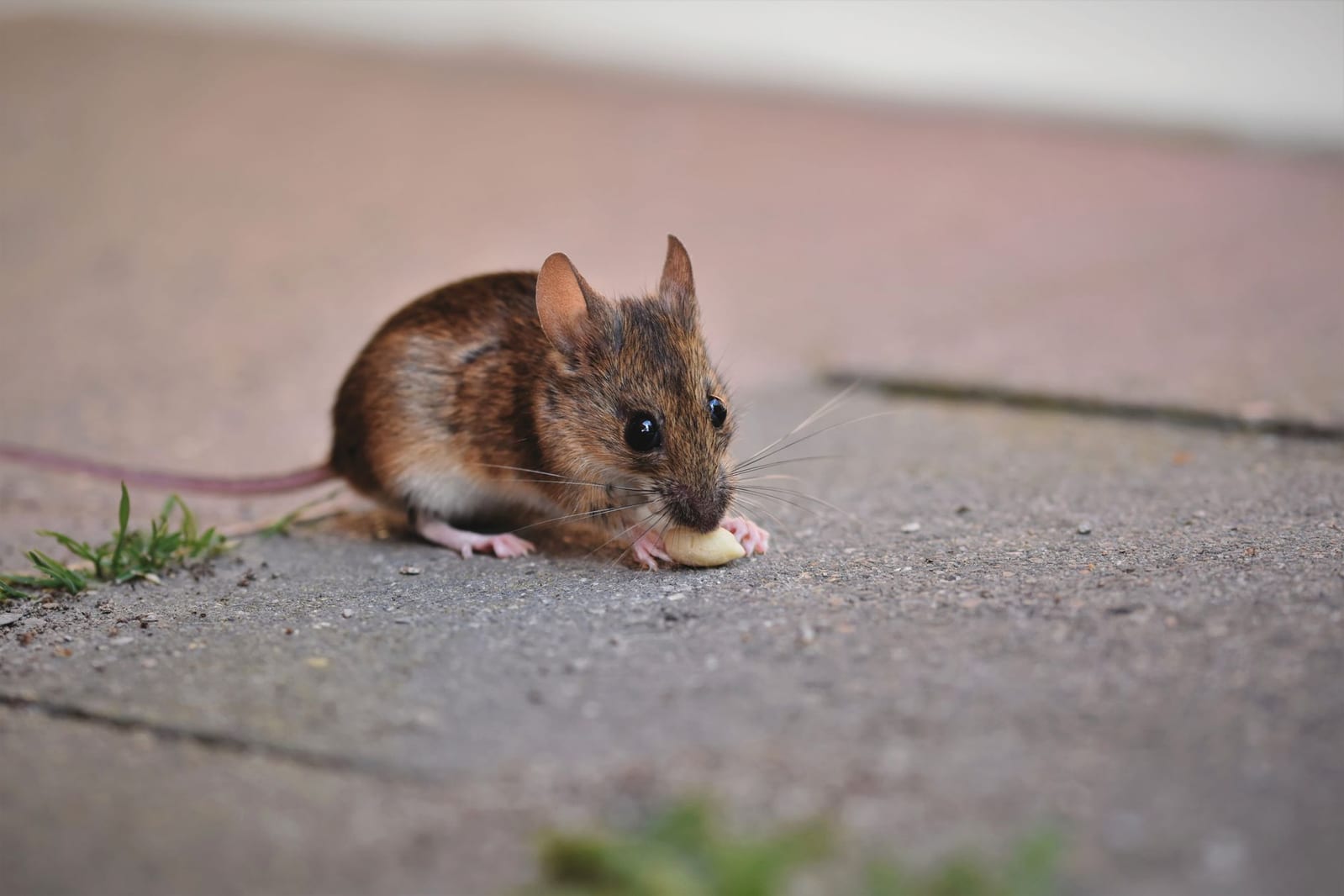
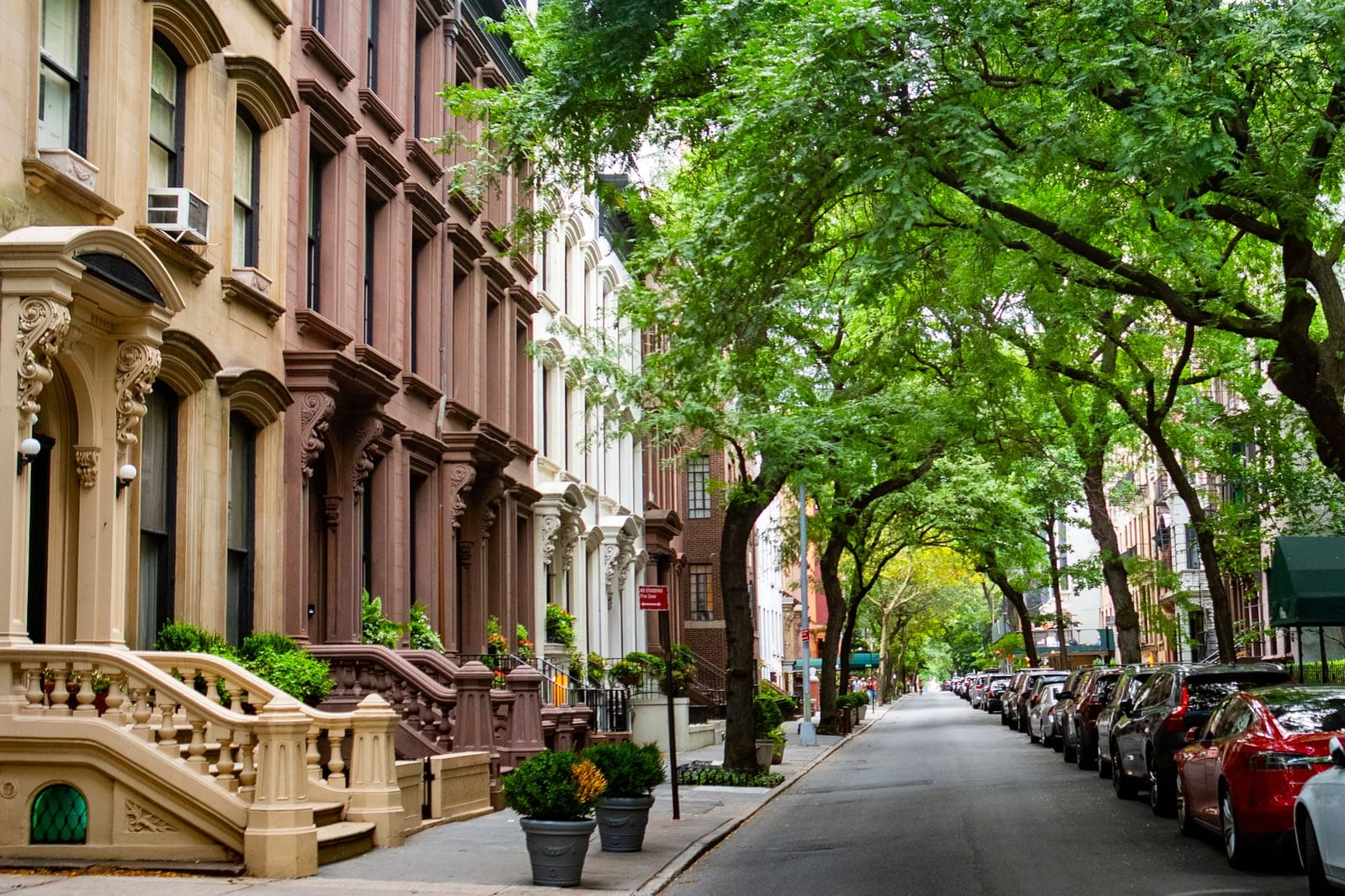
When a DOHMH inspector actually walks through a Flatbush building on a rat complaint, they find active burrow activity more often than not — one of the higher confirmed-rat rates of any neighborhood we serve, more frequent than a complaint-heavy neighborhood like Bed-Stuy sees per visit. That gap between how often the city checks and how often it finds something makes sense once you look at the building stock: dense prewar apartment blocks along Church and Flatbush Avenues sitting a few streets from the freestanding, century-old timber-framed Victorians of Ditmas Park — two very different structures with two very different rat pathways feeding the same inspection numbers.
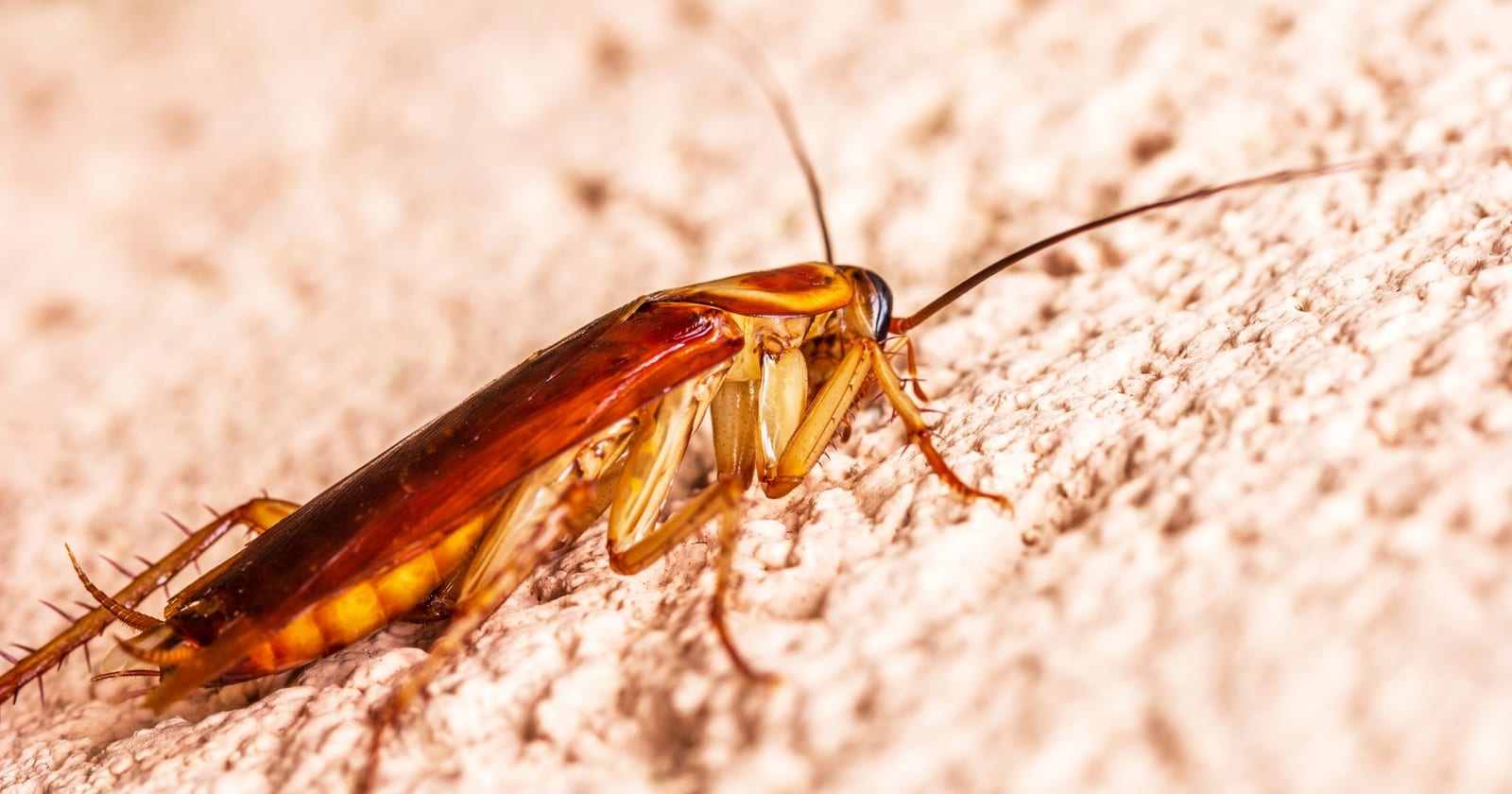
The prewar walk-ups that dominate Flatbush's apartment stock were built with the deep wall voids and shared risers typical of the era — plaster over furring strips with several inches of dead air behind it, running floor to floor behind every kitchen and bathroom wall. That's a highway for house mice and German cockroaches, and it means a single untreated unit rarely stays a single-unit problem for long; mice move in from an adjoining apartment's void space within two or three weeks even after a thorough treatment, which is why building-wide cooperation matters more here than in a two-family home.
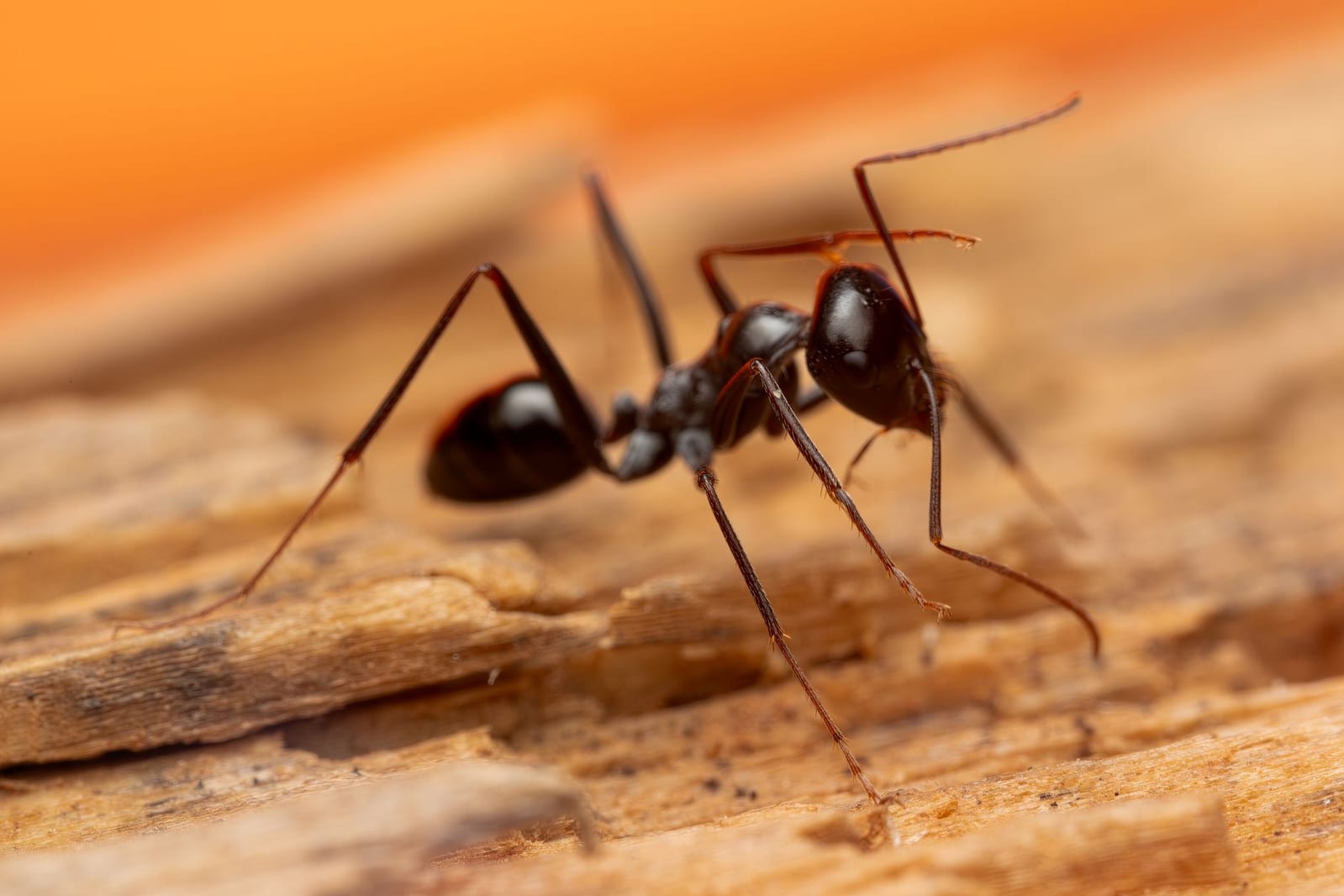
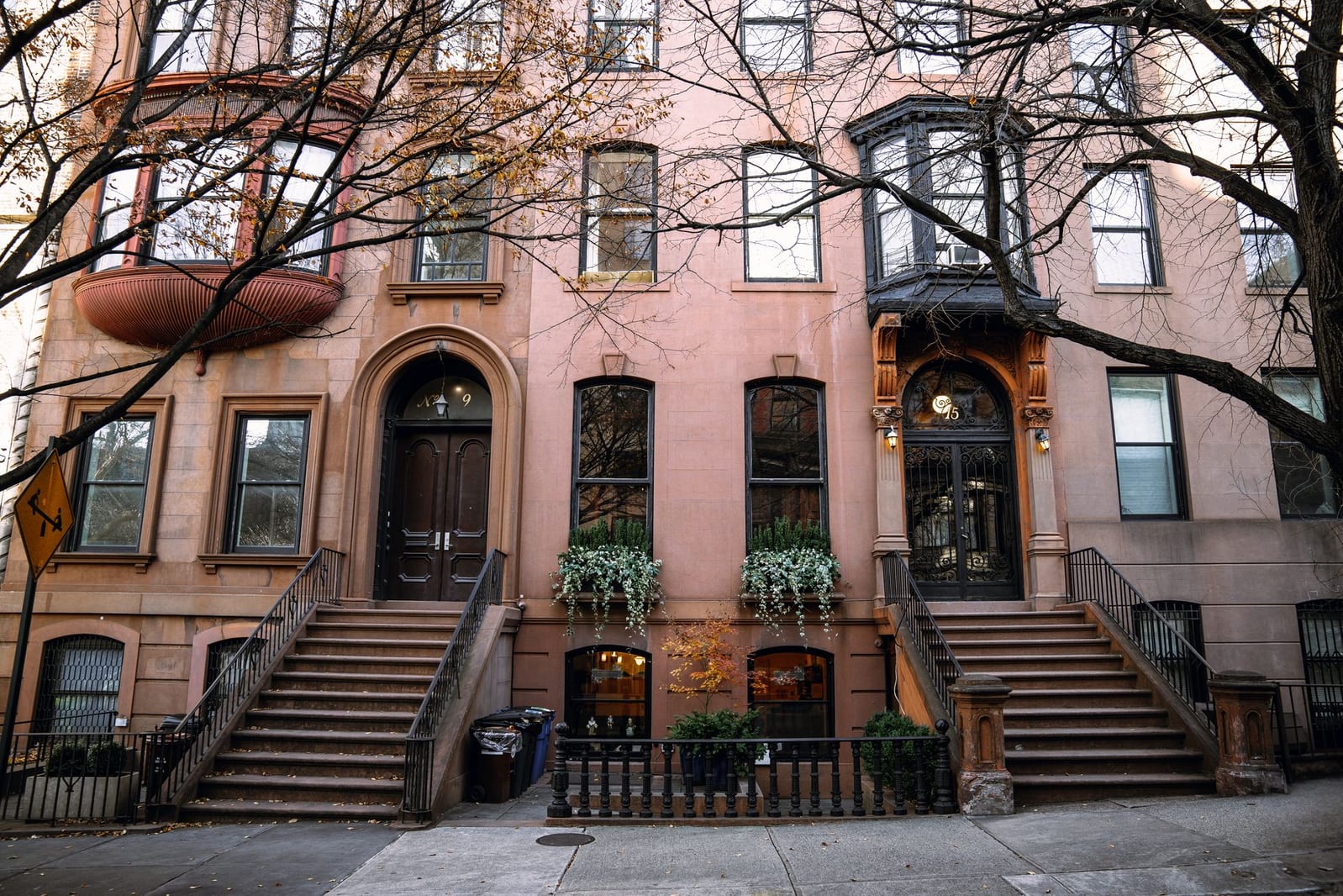
A few blocks over, the grand freestanding Victorian houses around Ditmas Park face an almost opposite problem. These century-old timber-framed homes have porches, detached yards, mature trees and full basements — conditions that favor carpenter ants working moisture-damaged sill plates and porch posts, plus the occasional squirrel or raccoon finding attic entry through old roof trim, rather than the apartment-building mouse-and-roach cycle next door. Where these houses have been divided into rental units, which is increasingly common, the old timber framing gives pests a second route between floors that a single-family home of the same age wouldn't have, and it changes the treatment plan from apartment-line exclusion work to structural sealing at the porch, foundation and attic soffits instead.
Church Avenue and the Flatbush Avenue commercial strip carry a dense run of restaurants, delis and grocers, and that corridor is the borough's clearest driver of exterior Norway rat pressure into the surrounding residential blocks — burrows along tree pits, foundation edges and loading areas that expand into nearby basements once cooler weather sends rats looking for warmth. Brooklyn College sits close enough to this corridor that student rental turnover in the surrounding blocks adds another layer of pressure: high move-in, move-out cycles are exactly the conditions that let bed bugs travel between units in furnished or partially furnished rentals.
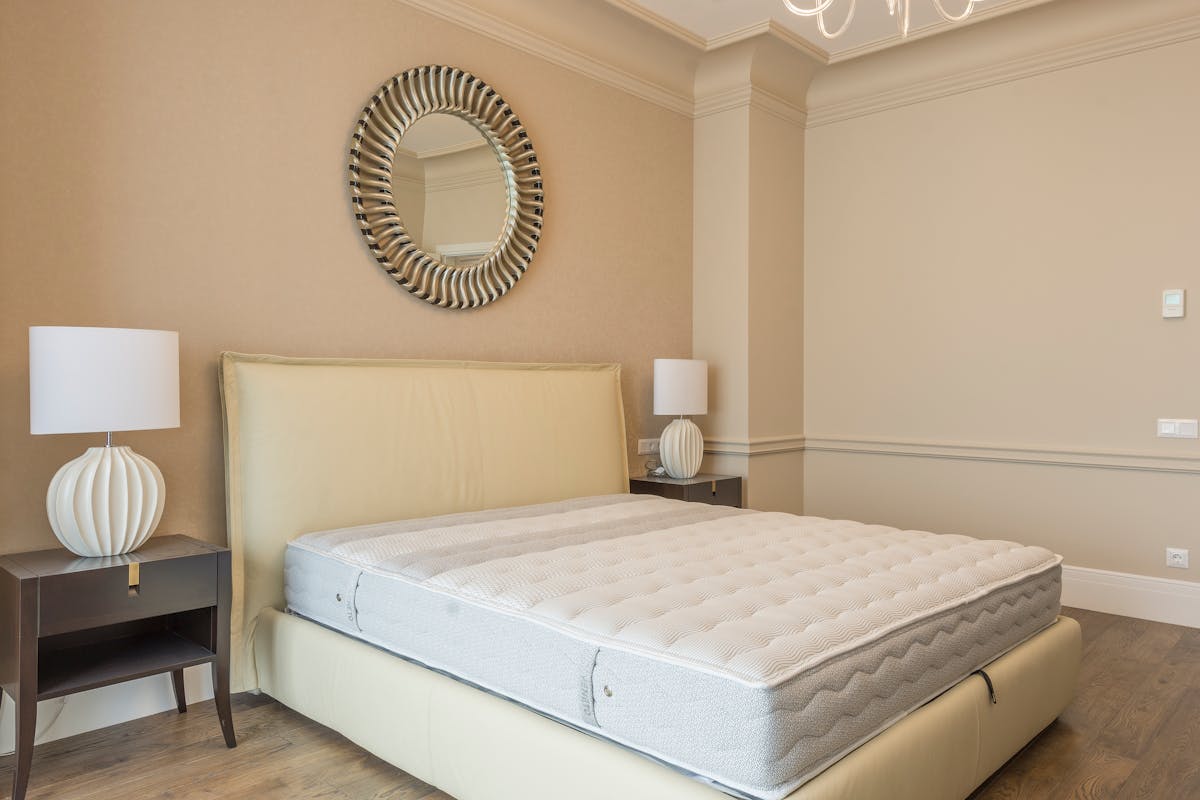
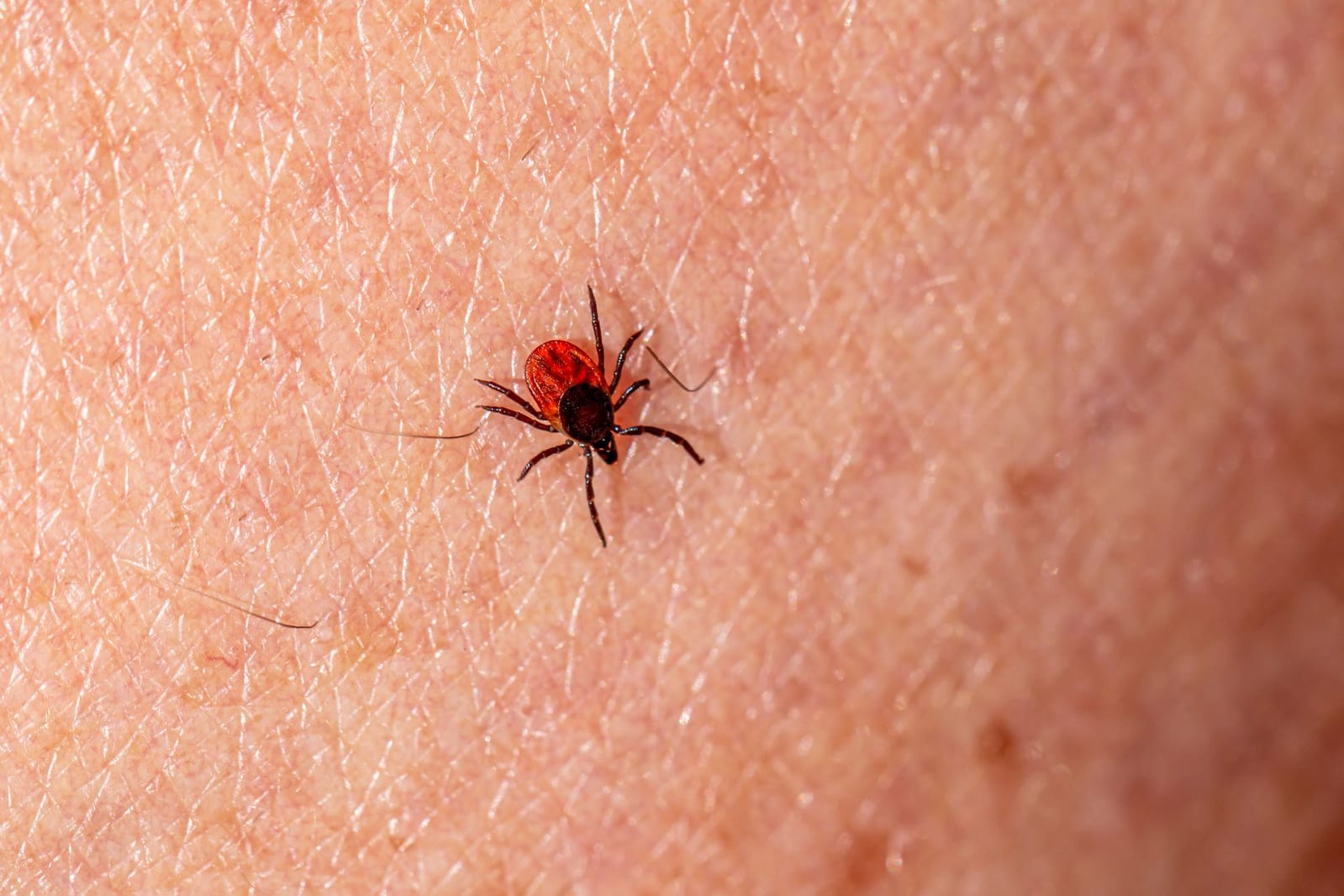
Flatbush carries one of the highest bed bug infestation rates of the neighborhoods we serve, on the city's own Local Law 69 landlord filings, and the mechanism is straightforward — dense, shared-wall apartment buildings with high tenant turnover let an infestation move from one unit to an entire line of apartments before anyone outside that first apartment notices. Under the city's bed bug disclosure law, landlords here are required to give incoming tenants the unit's and building's one-year infestation history in writing at lease signing. On buildings this size, prompt building-wide treatment isn't just pest control — it's the paperwork trail that protects an owner's disclosure obligation going forward, and it's cheaper than the tenant disputes that follow an undocumented infestation left to spread.
Treating a Flatbush apartment building well means starting with an inspection that actually maps which unit's void space connects to which, not just spraying the unit that complained. Kings Theatre and the retail built up around it keep foot traffic and delivery density high on the blocks nearest Church Avenue, which is worth factoring into any exclusion plan for ground-floor commercial-residential mixed buildings. For the Ditmas Park side of the neighborhood, the priority runs the other way — sealing porch and foundation gaps on wood-frame construction before carpenter ants get established in a sill plate that's already carrying moisture damage.
What the city's own data says about Flatbush
Residents of Flatbush filed 975 rodent complaints with NYC 311 in the July 2025 – July 2026 period — the 3rd highest of the 21 neighborhoods we cover. Over the same window the Health Department carried out 1,961 rodent inspections in these ZIP codes, and 33.8% of them failed for active rat activity (662 inspections).
Bed bugs are tracked separately. Under Local Law 69 of 2017, every multiple-dwelling owner in the city files an annual bed bug report with HPD. Across every filing covering Flatbush's ZIP codes, 3,702 dwelling units were reported infested out of 423,767 — an infestation rate of 0.87%, the 2nd highest of the 21 neighborhoods we cover.
We publish the citywide version of this analysis, ranked by borough and ZIP code, in our rattiest NYC neighborhoods report — free to cite, quote or embed.
A complaint count measures where rats get reported, not where they all live — a block that calls 311 is not necessarily worse off than a block that has given up on calling. The inspection failure rate is the harder number: it is what a city inspector actually found on site. The bed bug rate is a landlord's own filing, so it understates buildings that never filed. Source: NYC Open Data — NYC 311 Service Requests + DOHMH Rodent Inspection + HPD Bedbug Reporting (NYC Open Data). Retrieved 2026-07-10.
Common pests in Flatbush
The issues we treat most here: bed bugs, rodents, cockroaches, ants. We serve Brooklyn College, Prospect Park, Church Avenue, Kings Theatre, Ditmas Park Victorians and the wider area across ZIPs 11226, 11210, 11203.