Pest control built for Astoria
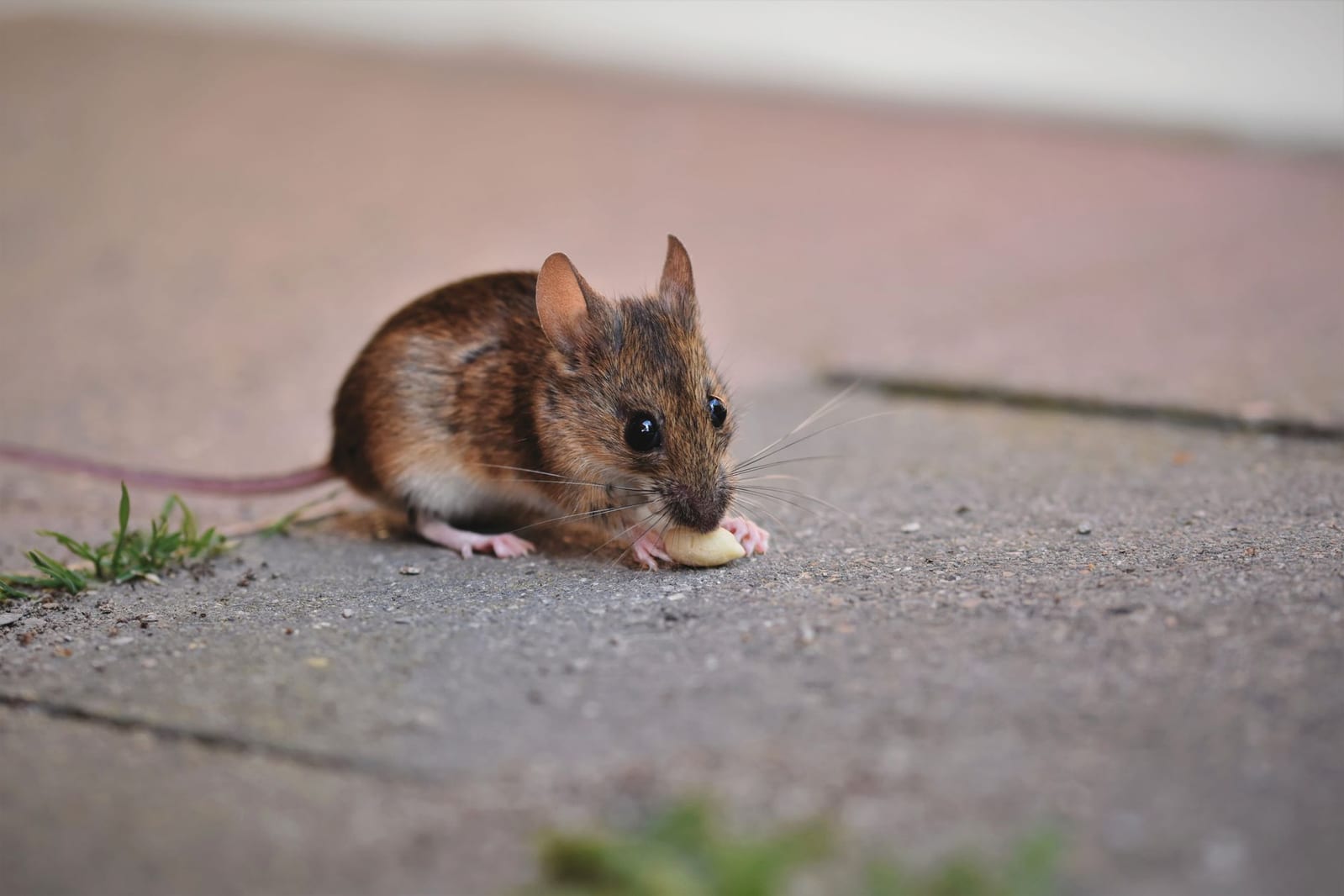
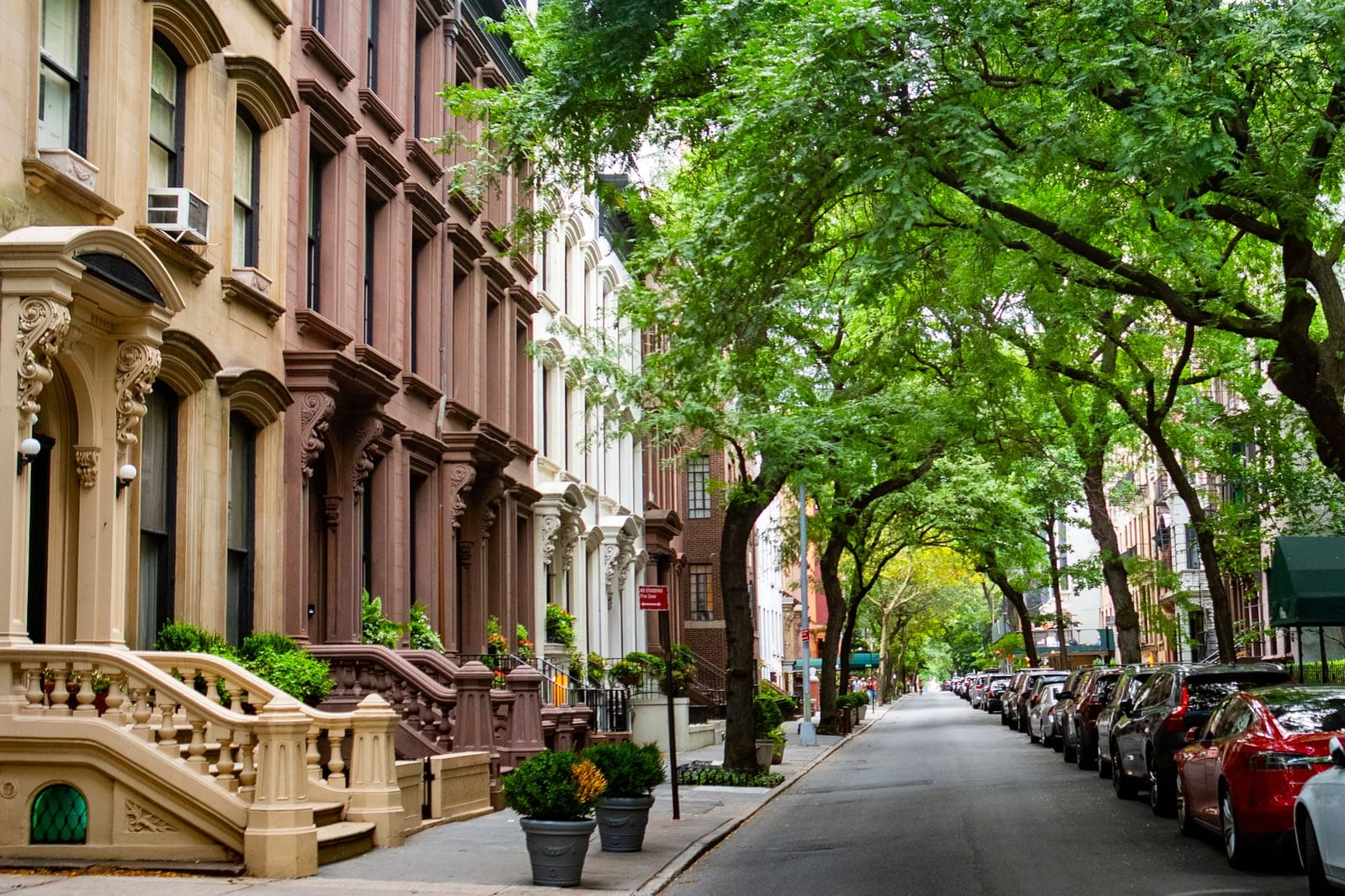
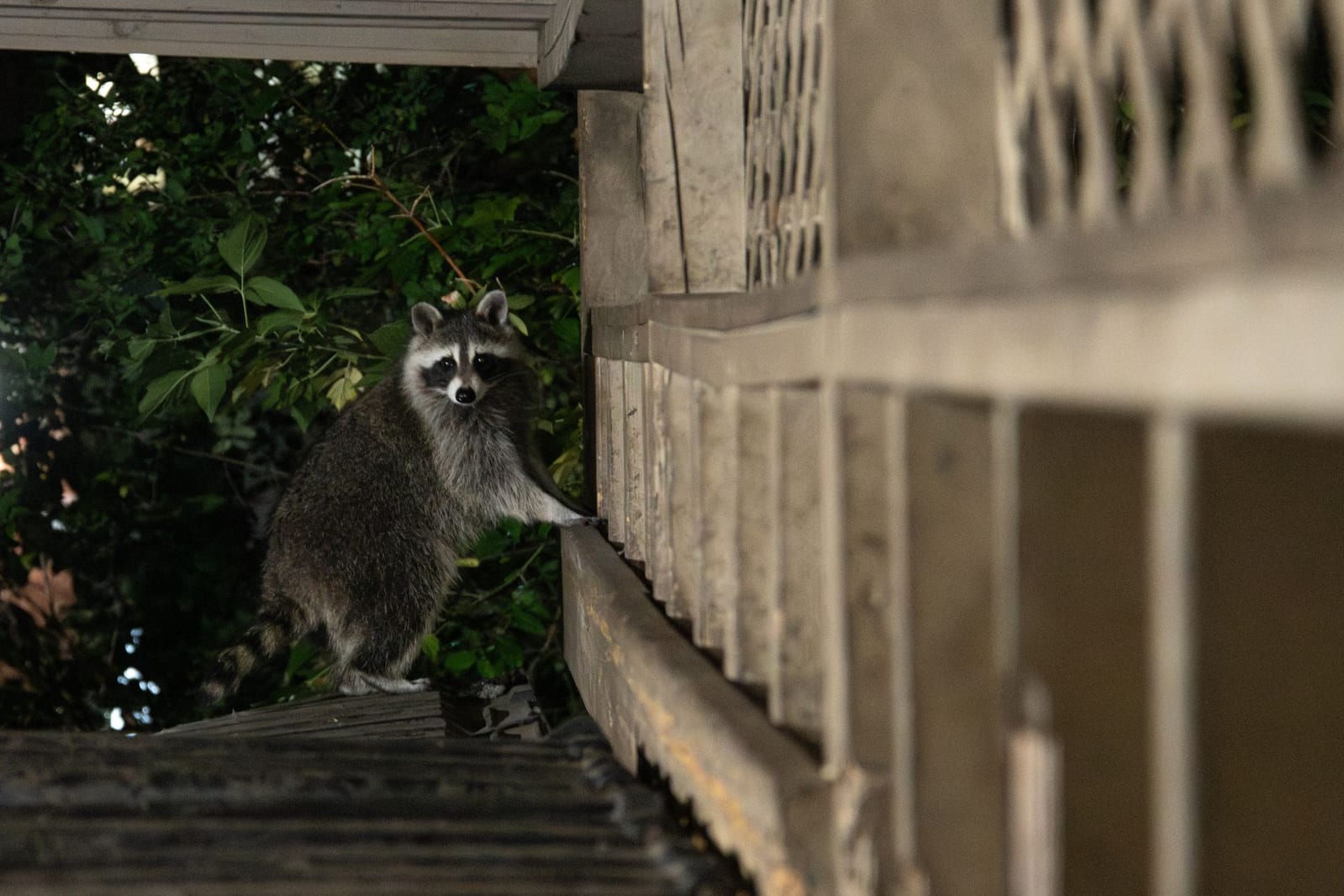
Steinway Street and the restaurant strip along 30th Avenue generate the food waste that keeps this neighborhood's rat population fed through the winter, and the pre-war brick walk-ups stacked along the side streets give that population somewhere warm and undisturbed to nest. Our 311 data ranks this neighborhood's rat complaint volume among the higher tier of the 21 Queens and citywide neighborhoods we track, and when DOHMH inspectors actually walk the restaurants and buildings here, they find active rat signs at a rate that outpaces what that complaint volume alone would predict. That combination, a lot of kitchens and a lot of old masonry within a few blocks of each other, is what makes Astoria a harder rat market to clear than its complaint rank suggests.
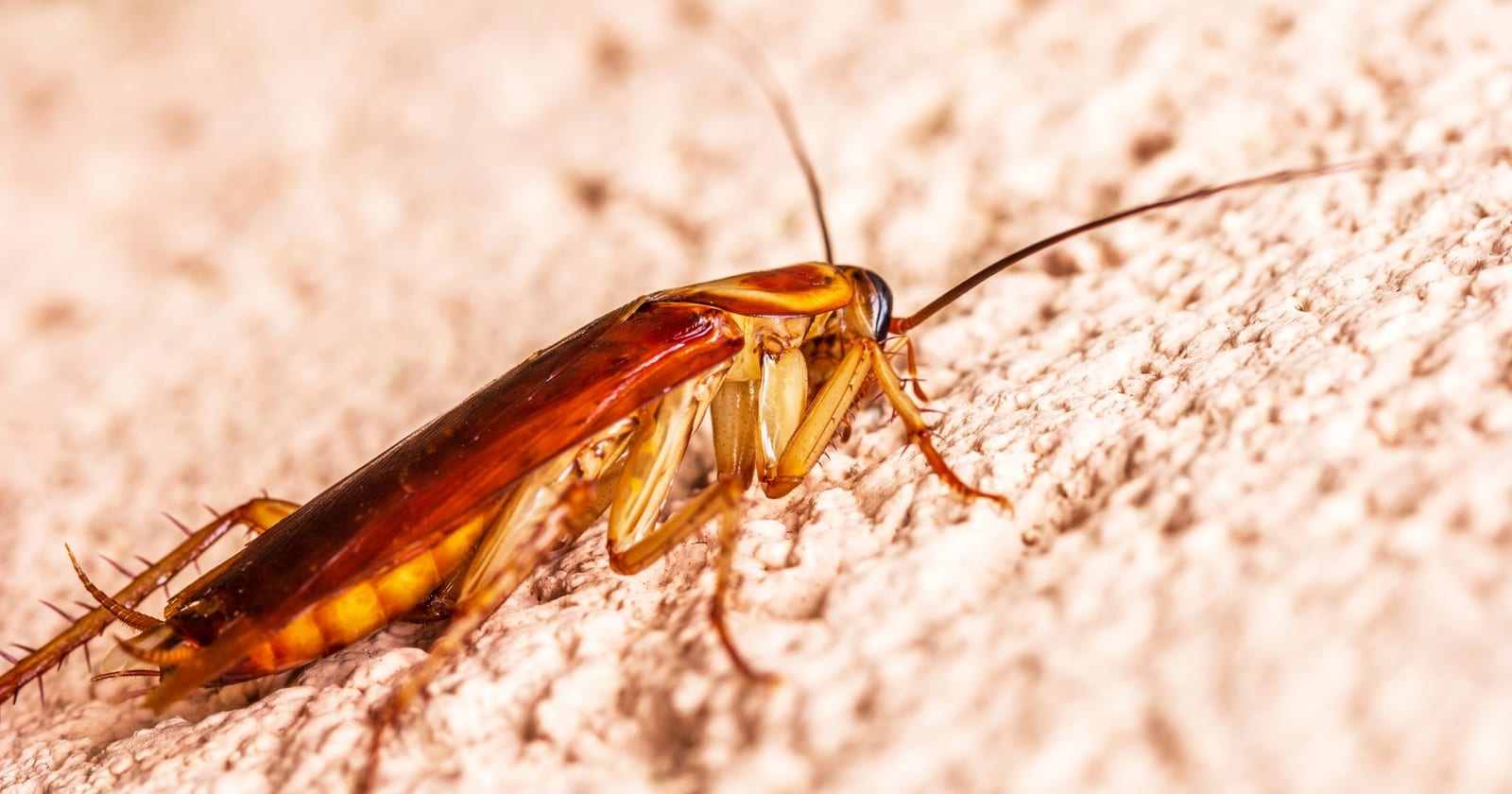
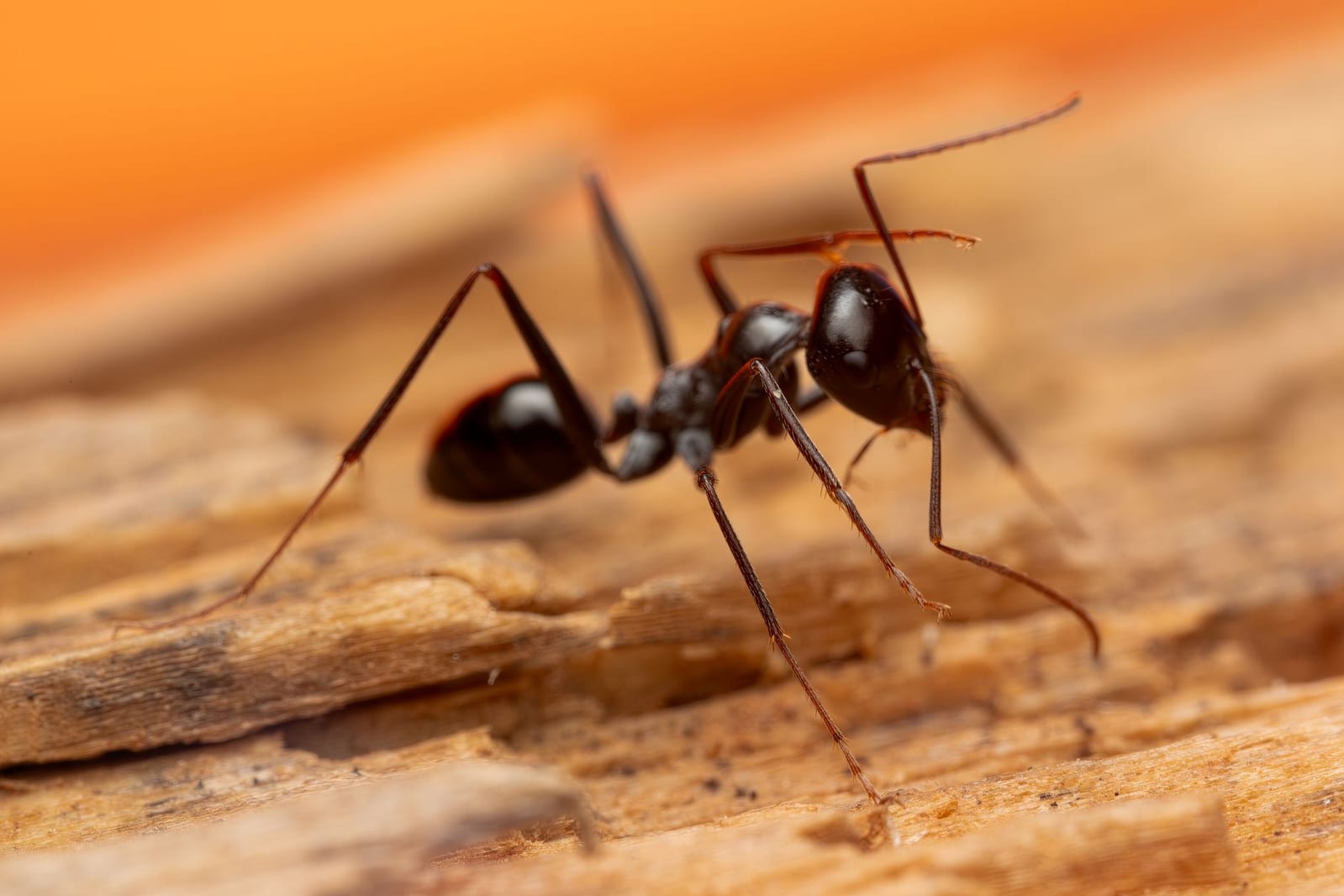
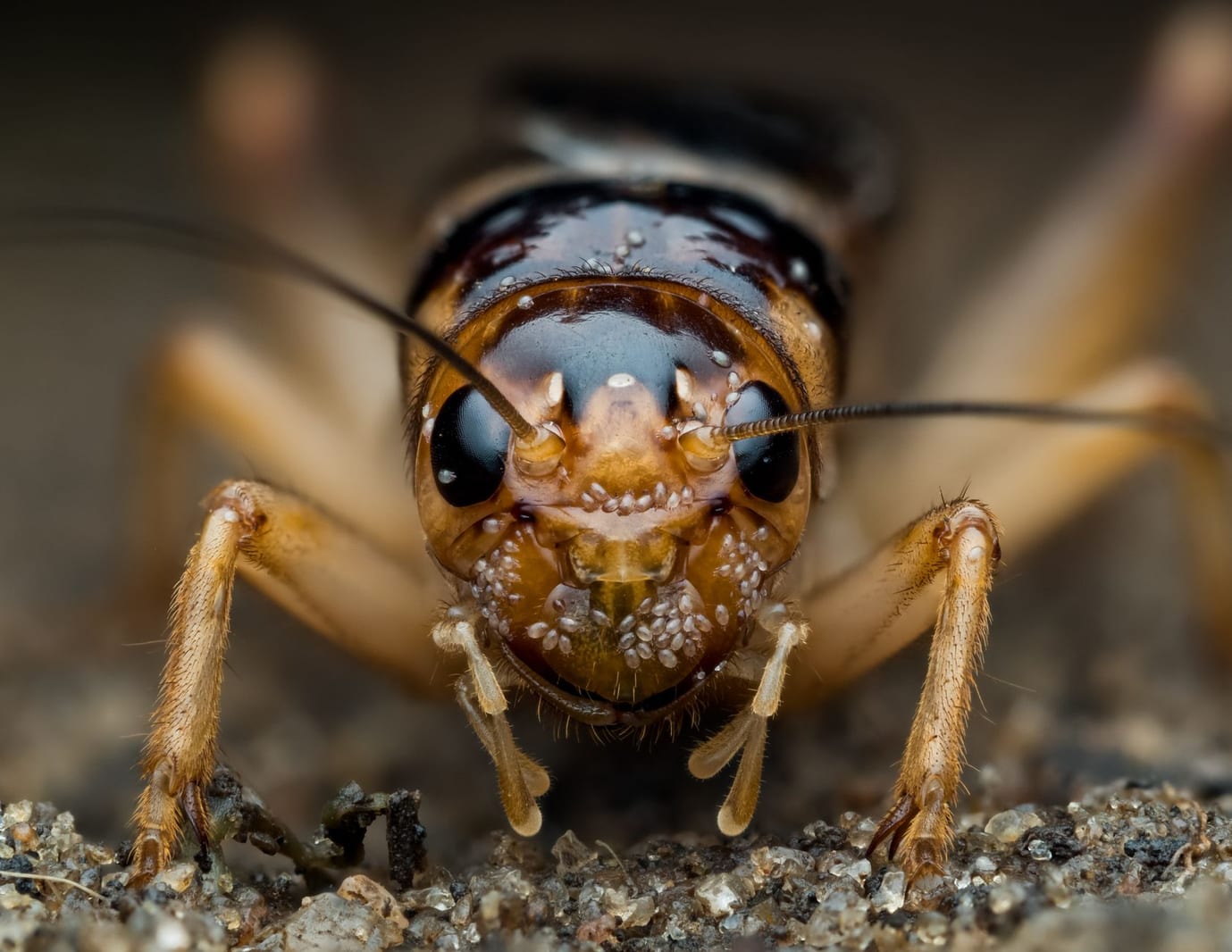
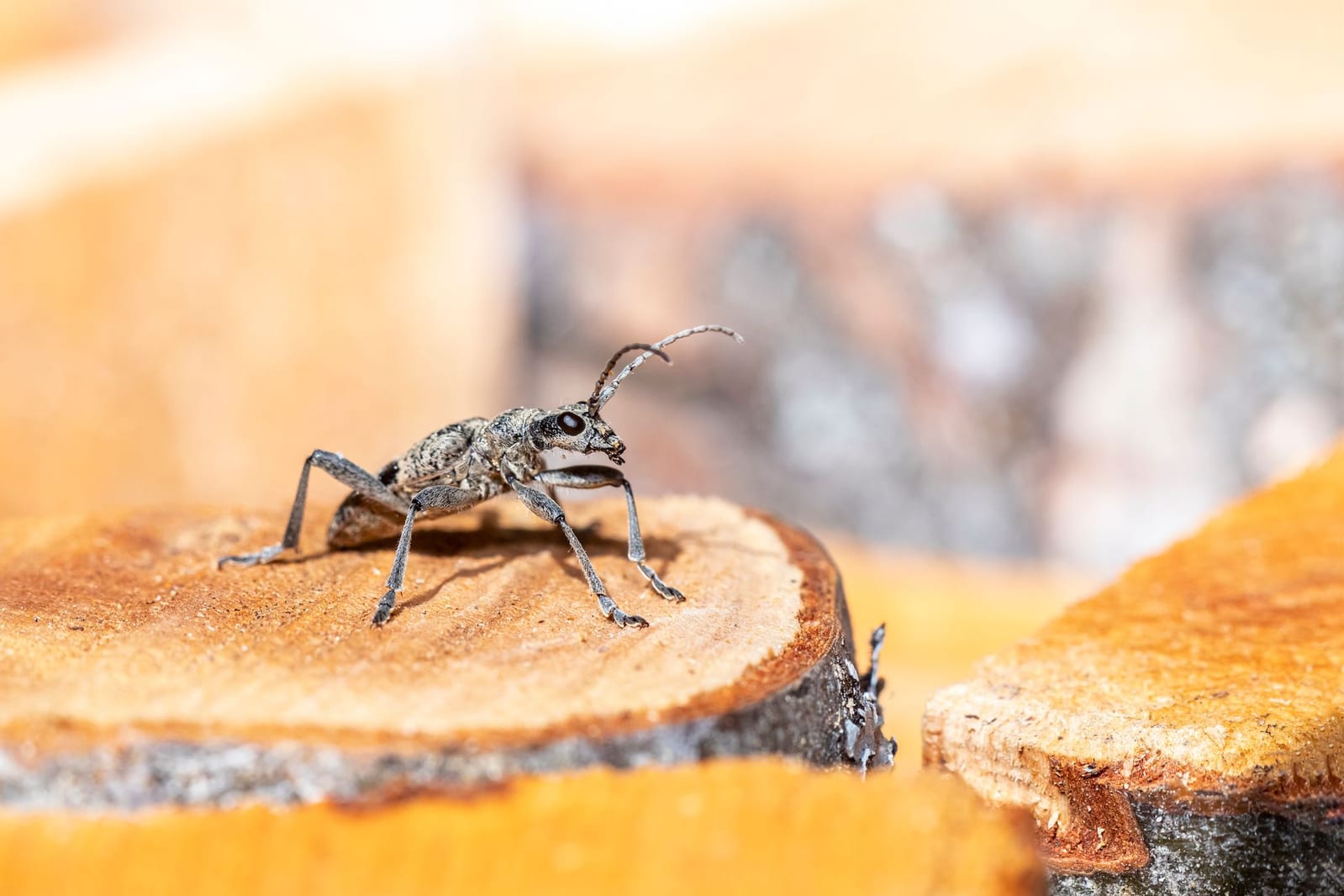
The walk-ups themselves are the classic four- and five-story pre-war type, brick exteriors over wood joist floors, with a shared basement, a shared trash setup, and a dumbwaiter shaft in the older buildings that nobody uses anymore but that still connects every kitchen in the line. Mice and German cockroaches use that shaft, plus the gaps around radiator pipes and the kickboard under the kitchen sink, to move floor to floor. Two- and three-family frame houses on the side streets off Ditmars Boulevard have their own basements and crawl spaces, usually damp, which is where I find the carpenter ants and the occasional American cockroach coming up from a floor drain.
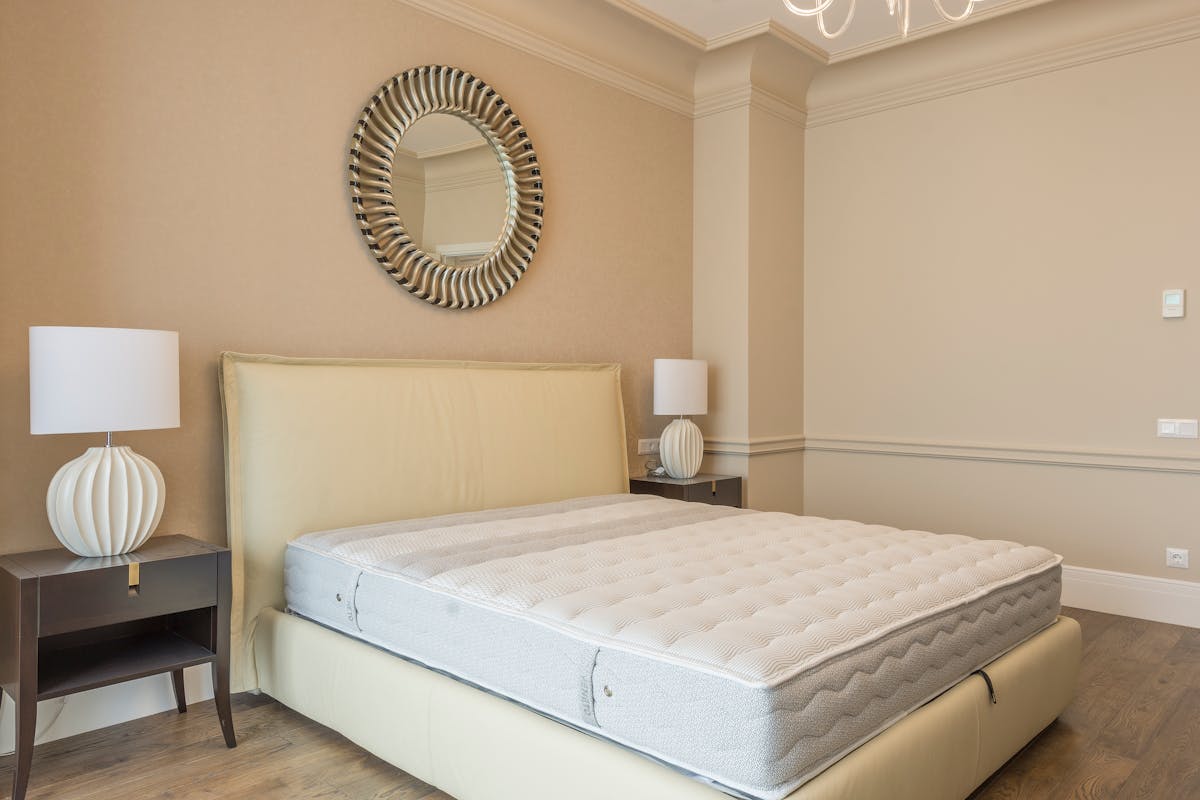
Astoria's rental turnover is high, and the short-term rental activity near the waterfront and along Broadway adds a transmission path most owner-occupied blocks don't have: a mattress or a headboard doesn't need a resident to bring bed bugs in, a string of overnight guests does the job. I treat more first-time bed bug cases in buildings with a documented short-term rental unit than in comparable buildings without one, and in a shared-wall walk-up that infestation doesn't stay in one apartment for long — it moves along the party wall to the unit next door within a few weeks if nobody acts. The standard two-treatment chemical protocol clears most of these cases, but only once every adjoining unit in the line has been inspected, not just the one that reported a bite.
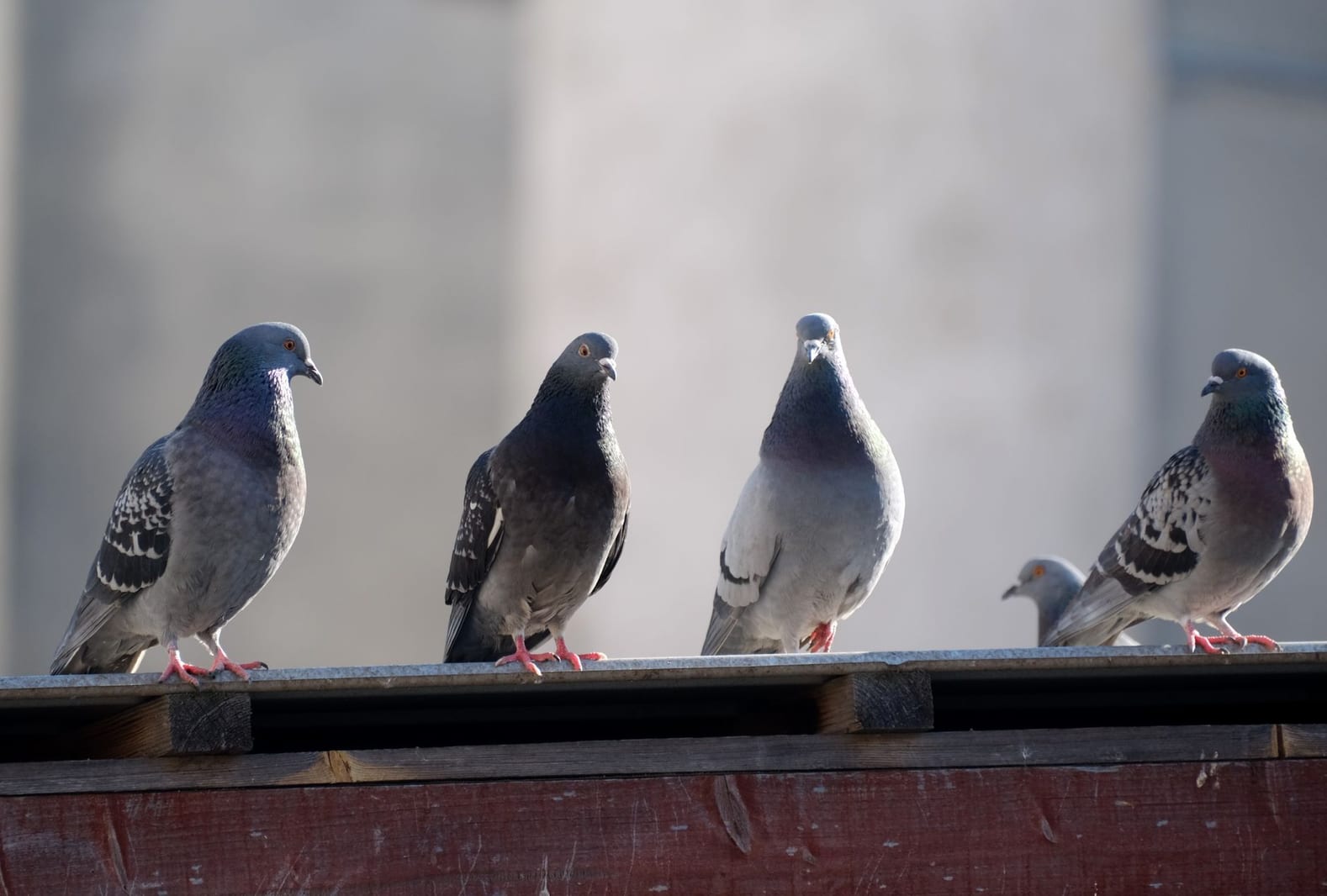
The waterfront and Astoria Park bring their own seasonal pressure — mosquitoes breeding in anything that holds standing water within a couple of blocks of the park through the warm months, and gulls and pigeons working the park edges and the rooftops of the buildings that back onto it. Neither is the dominant call I get from this neighborhood, but both show up reliably from June through August, and property owners backing directly onto the park or the waterfront should expect more of both than blocks further inland, especially once the summer heat sets in and standing water sits longer between rains. A gutter that doesn't drain properly or a neglected planter on a rooftop terrace is usually all it takes to turn a quiet block into a mosquito complaint by midsummer.
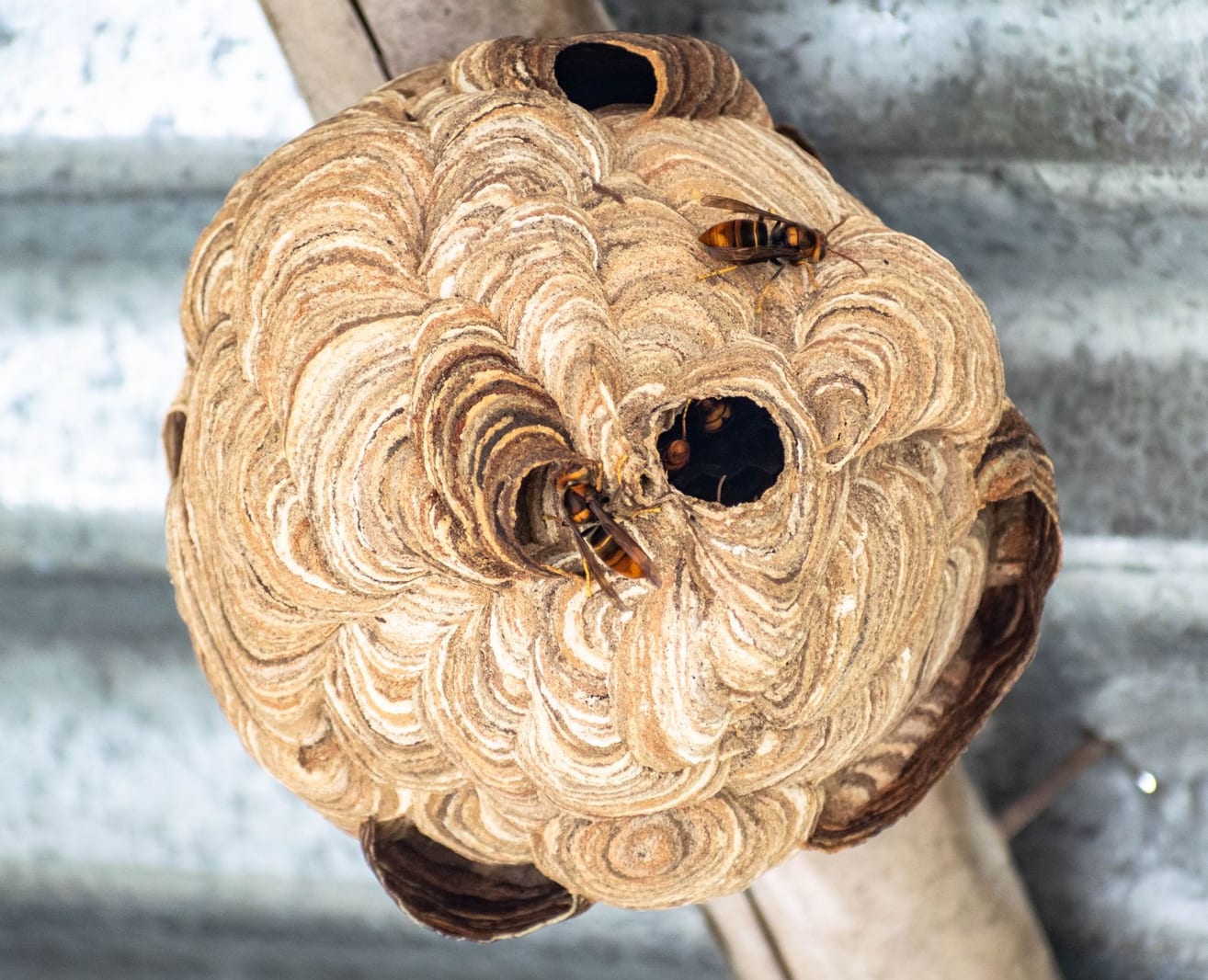
Socrates Sculpture Park and the surrounding green edge add a smaller, secondary version of the same seasonal pattern — outdoor pest calls that spike in summer and taper off fast once the weather turns, unlike the rat and roach pressure from the restaurant corridor that runs closer to year-round. Property owners near this stretch of waterfront should treat the outdoor calls as seasonal maintenance rather than a sign of a bigger underlying problem, which is a different read than a rat complaint near Steinway Street deserves. Ants and the occasional wasp nest under a deck or shed are the typical finds here, not the structural rodent and cockroach issues that define the commercial blocks a few streets over.
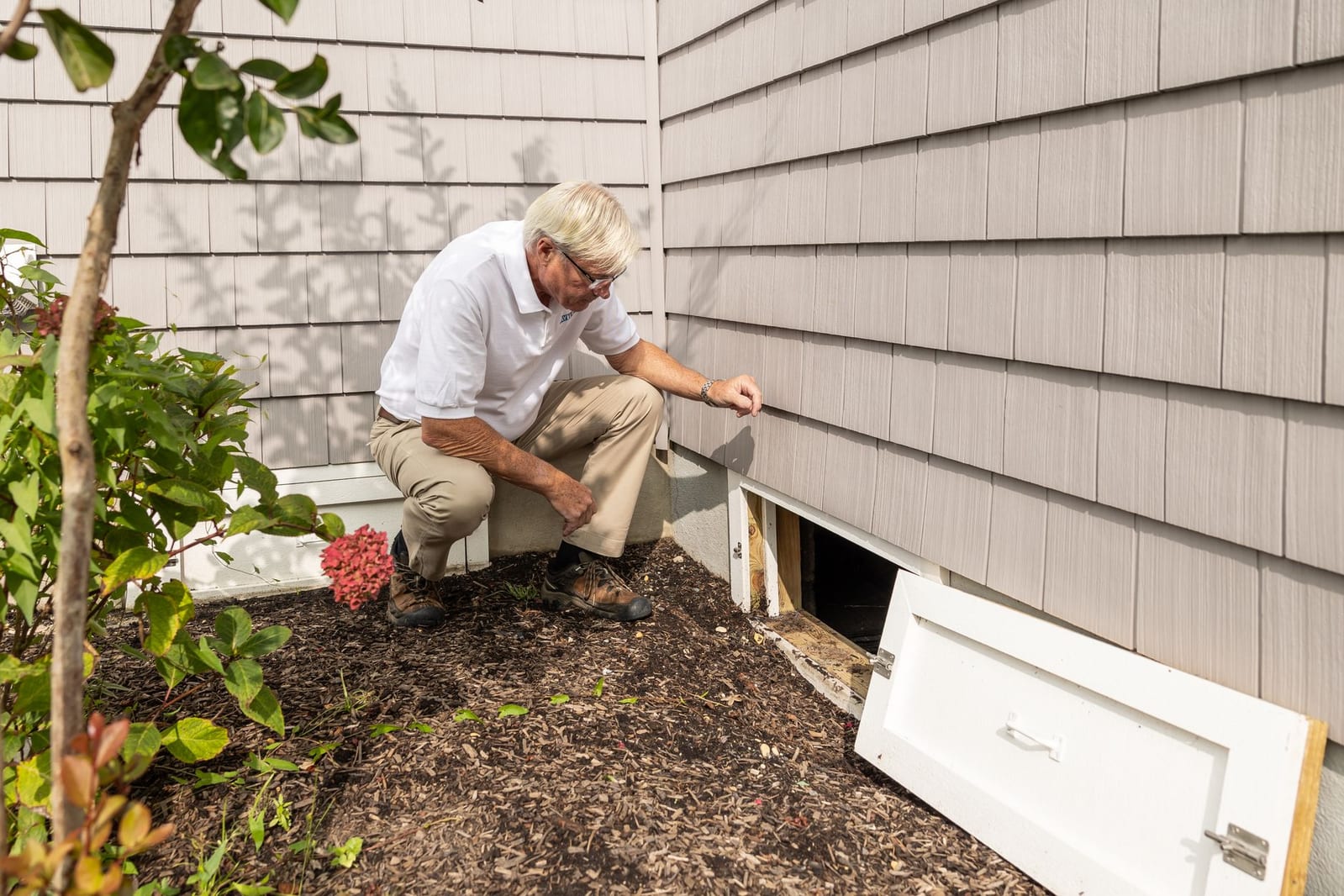
The building age matters as much as the building type for treatment planning here. A pre-war walk-up with an intact dumbwaiter shaft or an unsealed radiator chase needs exclusion work in every apartment in the line before bait or gel treatment does any lasting good, not just in the unit that called. Skipping that step is the single most common reason I get a callback within a month on an Astoria job, and it's almost always the same gap the previous treatment missed. Buildings closer to Steinway Street's restaurant row need that exclusion work done more aggressively than quieter residential blocks near the park, simply because the pest pressure pushing against the building's gaps is that much heavier.
What the city's own data says about Astoria
Residents of Astoria filed 812 rodent complaints with NYC 311 in the July 2025 – July 2026 period — the 5th highest of the 21 neighborhoods we cover. Over the same window the Health Department carried out 1,377 rodent inspections in these ZIP codes, and 32% of them failed for active rat activity (440 inspections).
Bed bugs are tracked separately. Under Local Law 69 of 2017, every multiple-dwelling owner in the city files an annual bed bug report with HPD. Across every filing covering Astoria's ZIP codes, 1,485 dwelling units were reported infested out of 324,821 — an infestation rate of 0.46%, the 12th highest of the 21 neighborhoods we cover.
We publish the citywide version of this analysis, ranked by borough and ZIP code, in our rattiest NYC neighborhoods report — free to cite, quote or embed.
A complaint count measures where rats get reported, not where they all live — a block that calls 311 is not necessarily worse off than a block that has given up on calling. The inspection failure rate is the harder number: it is what a city inspector actually found on site. The bed bug rate is a landlord's own filing, so it understates buildings that never filed. Source: NYC Open Data — NYC 311 Service Requests + DOHMH Rodent Inspection + HPD Bedbug Reporting (NYC Open Data). Retrieved 2026-07-10.
Common pests in Astoria
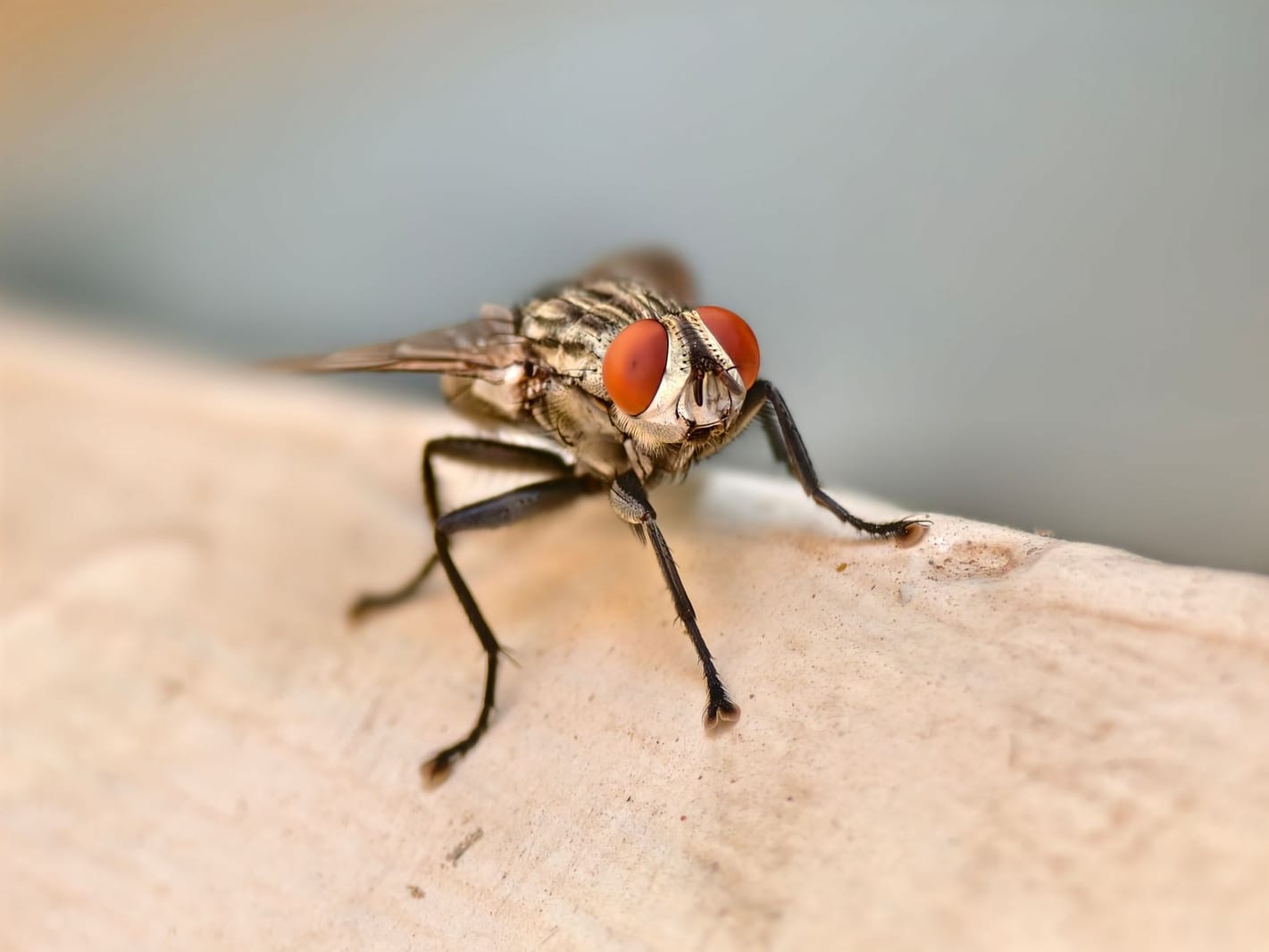
The issues we treat most here: rodents, cockroaches, ants, flies. We serve Astoria Park, Steinway Street, 30th Avenue, Socrates Sculpture Park and the wider area across ZIPs 11102, 11103, 11105, 11106.