Pest control built for Chinatown
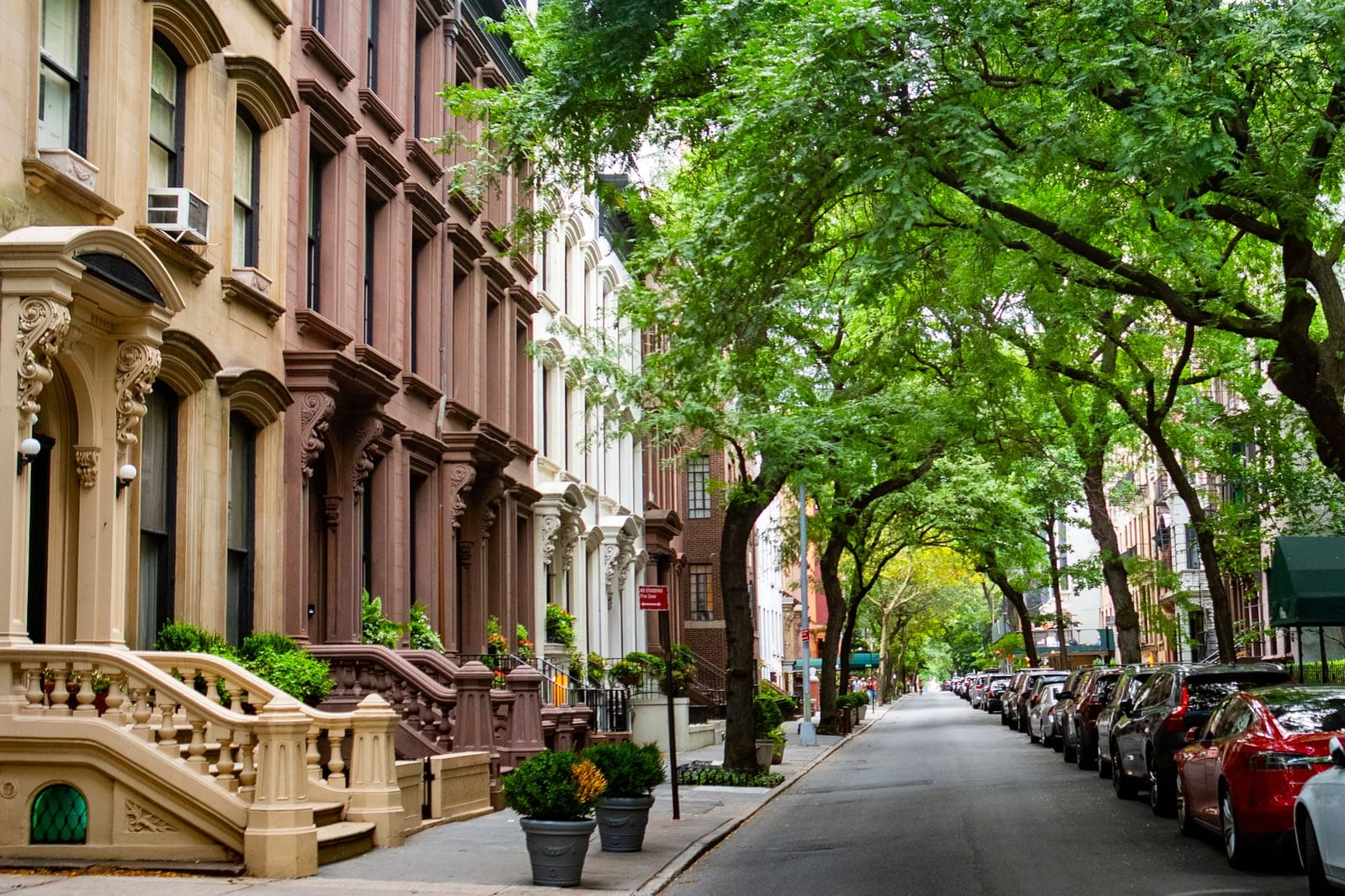
Chinatown's tenement buildings along Mott, Bayard, and the western stretch of Canal Street are some of the oldest continuously occupied residential structures in Manhattan, and nearly all of them carry the same ground-floor-commercial, upper-floor-residential layout that defines pest pressure here — a restaurant, fish market, or produce stall at street level sharing floor drains, basement storage, and party walls with the apartments stacked above it. That vertical arrangement is the single biggest factor in how pests move through this neighborhood, more than age or income level. It's why an exclusion plan here has to start with the ground-floor commercial tenant's basement and drain access, not the residential unit that placed the call.
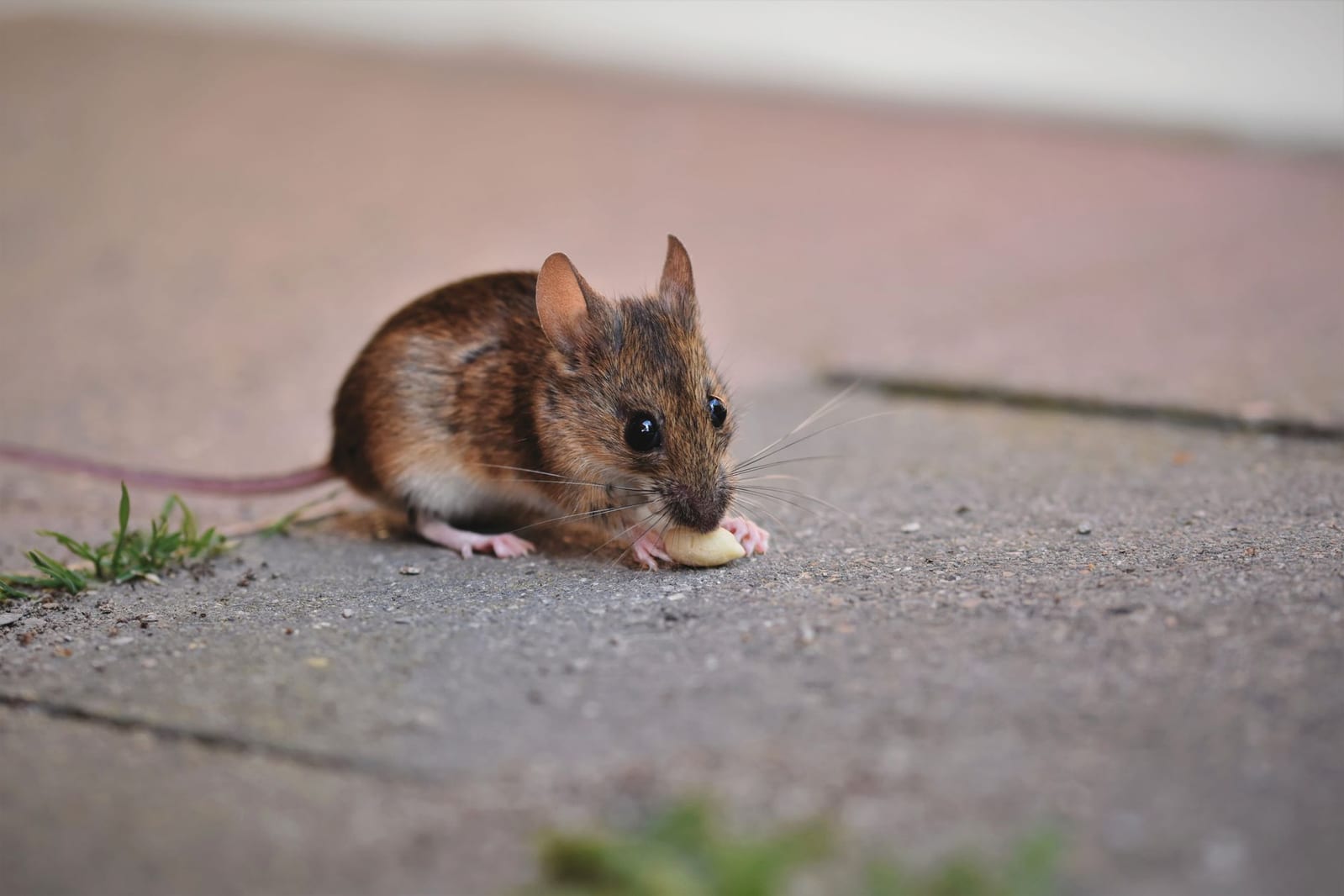
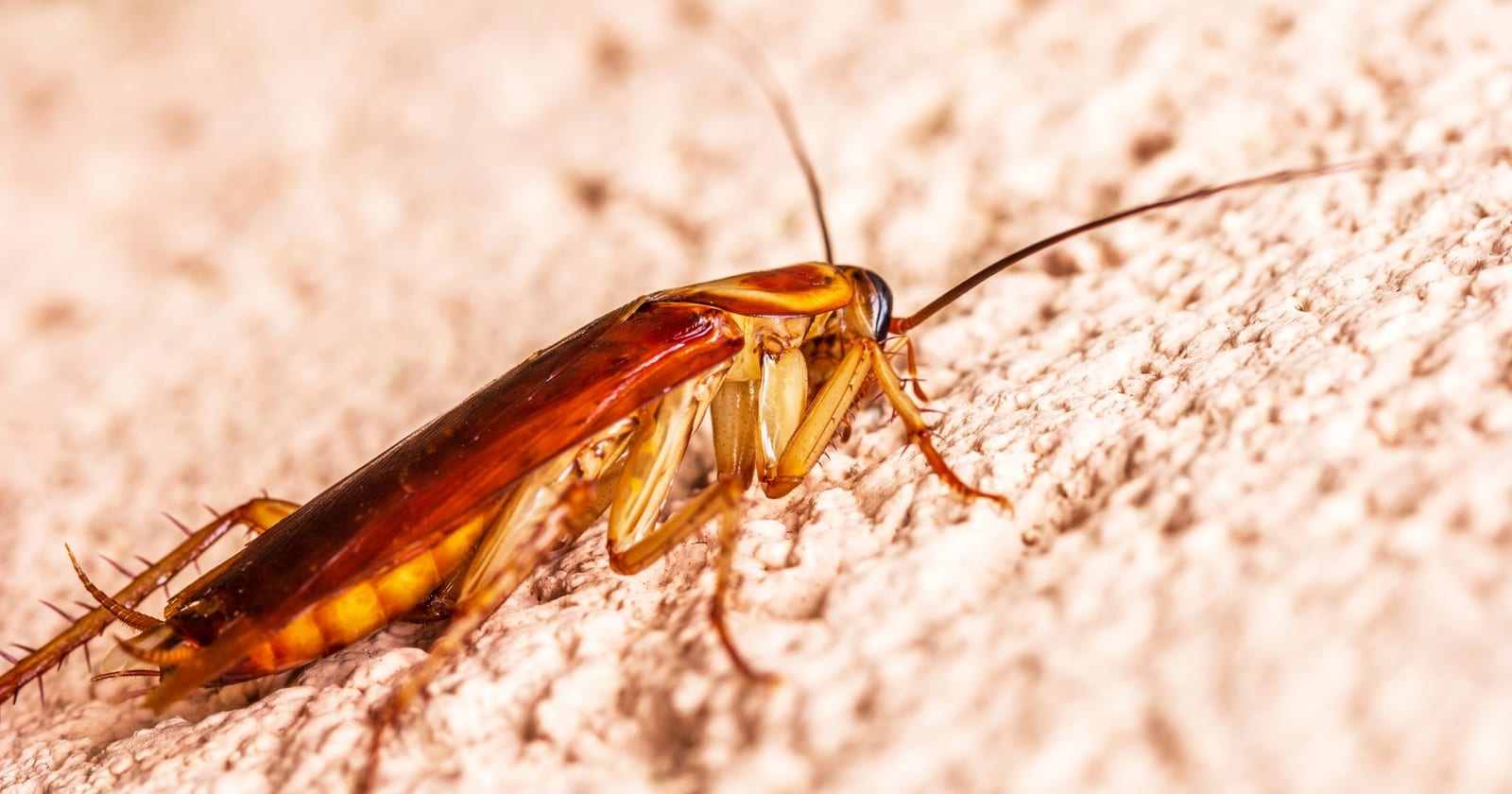
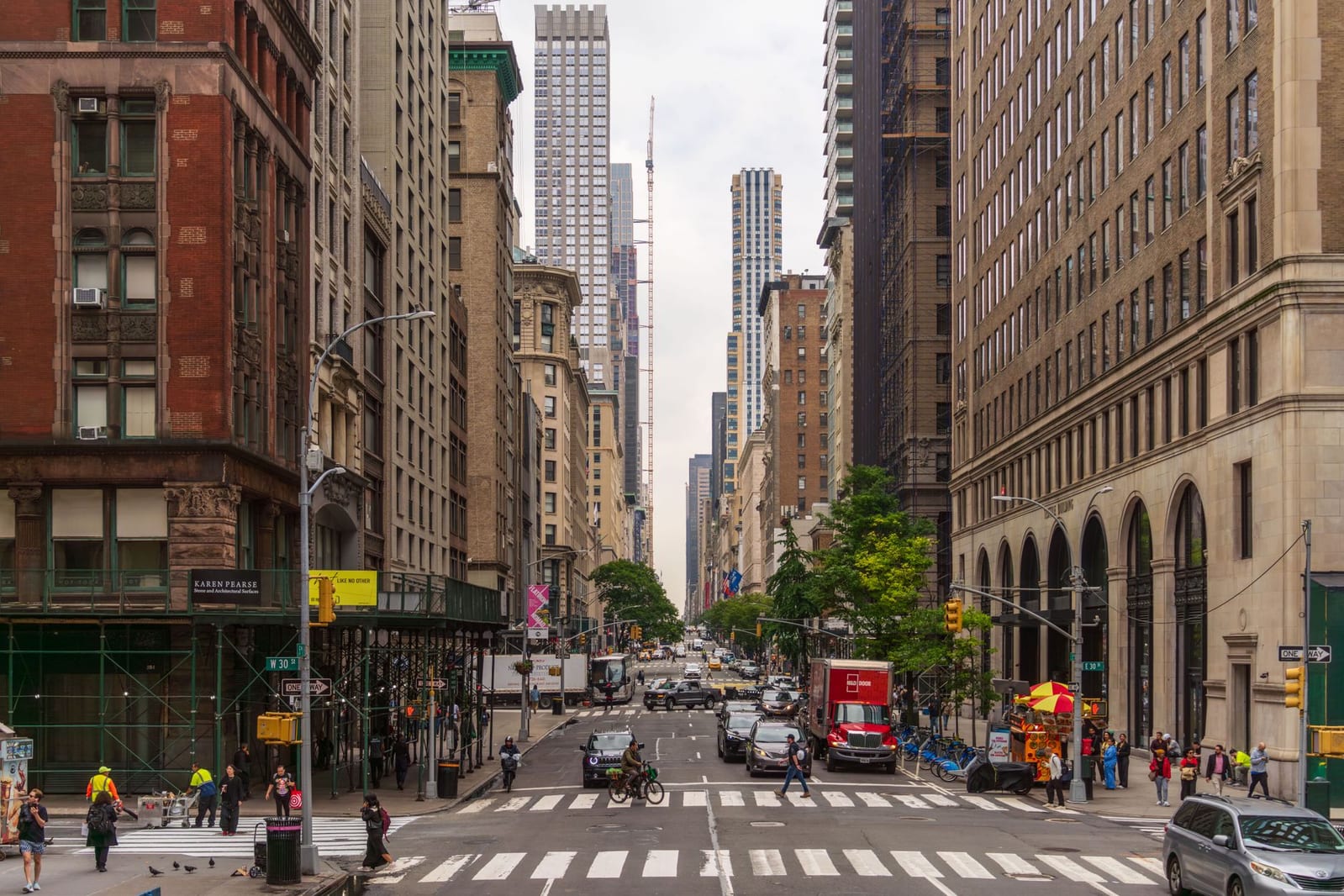
Canal Street and the blocks around Mott and Bayard carry one of the highest concentrations of restaurants, live-poultry markets, and fish and produce retail anywhere in the city, and on paper that density should generate the heaviest rodent and cockroach pressure in Manhattan. Food waste volume here, block for block, exceeds almost anywhere else we service — refuse from fish stalls and produce vendors sits curbside multiple times a day, which is exactly the kind of sustained attractant that builds large Norway rat colonies and German cockroach populations in adjacent buildings. That's what makes the neighborhood's actual inspection record so counterintuitive, and it's the first thing we explain to a new tenant here who's expecting the worst rat problem in Manhattan simply because of what's cooking on the block.
Here's the finding that runs against expectation: Chinatown posts the lowest DOHMH inspection failure rate for active rat conditions of any Manhattan neighborhood in our data, despite carrying that restaurant and market density. The most plausible explanation isn't that Chinatown has fewer pests — it's that commercial food operators here live under near-constant health department scrutiny, and a restaurant that fails inspection risks a grade posting and lost business in a hyper-competitive block, so kitchen-level pest management gets taken seriously in a way it doesn't always in less inspection-saturated commercial strips. It's a genuine compliance signal, not proof the underlying pest pressure is low, and residential buildings sharing a wall with one of these tightly managed kitchens benefit from that discipline whether they know it or not.
Columbus Park, wedged between Mulberry and Baxter Streets at Chinatown's edge, is smaller and more intensively used than the large uptown parks, and it doesn't function as the kind of rat reservoir that Marcus Garvey Park or Riverside Park does for their neighborhoods — daily foot traffic and active park maintenance keep it from holding the same kind of undisturbed harborage. What outdoor rat pressure Chinatown does see traces back to the commercial refuse cycle on Canal and Mott, not the park, which is a genuinely different pattern from almost every other Manhattan neighborhood with a comparable green space at its center, and it's a distinction worth making before assuming Columbus Park itself is the source of any rat complaint filed on the blocks surrounding it.
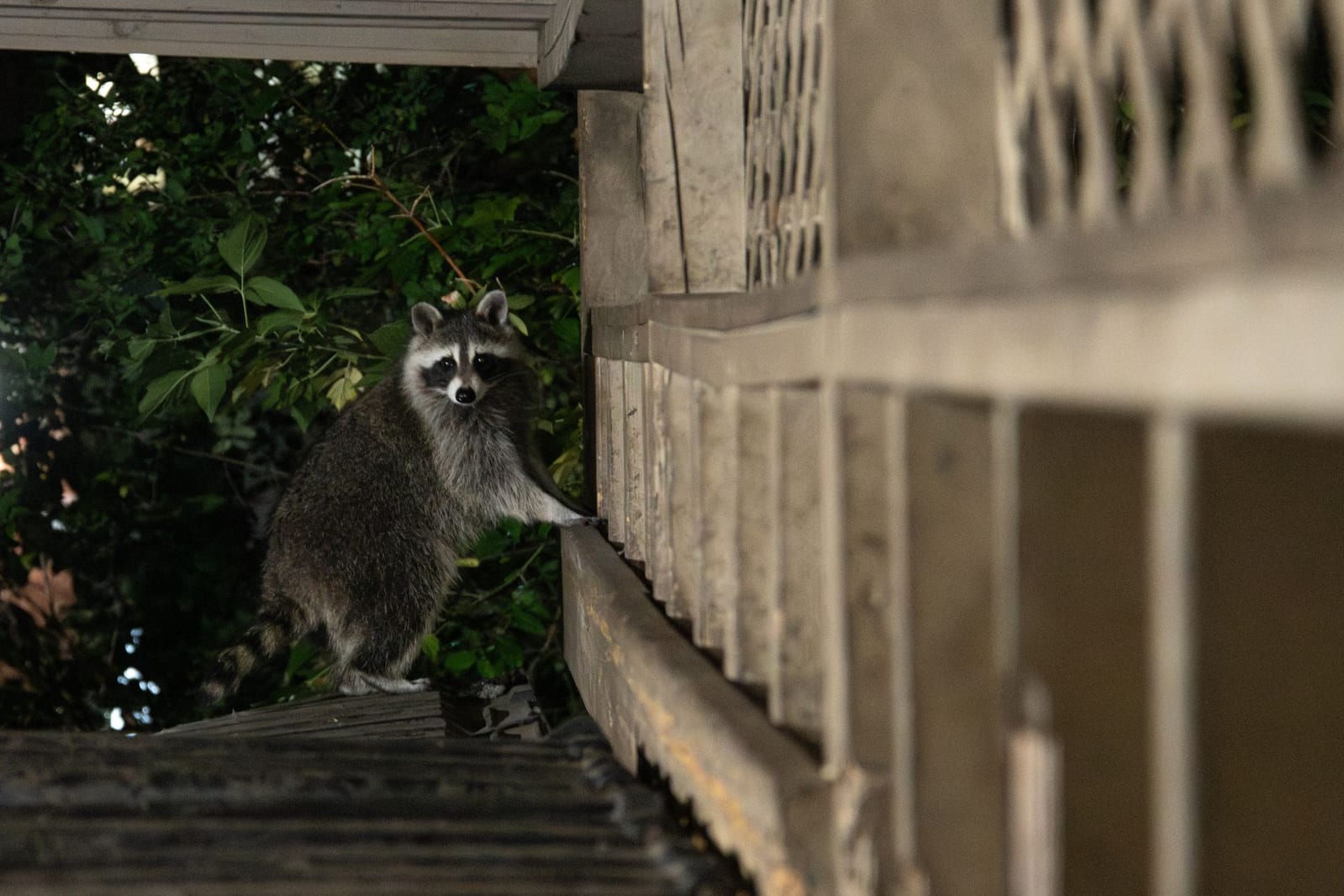
The Manhattan Bridge approach cuts directly through the neighborhood's eastern edge, and the underpass along Canal and the Bowery creates the kind of sheltered, undisturbed infrastructure space — utility conduits, structural voids, standing debris — that Norway rats use as a travel corridor between the bridge's Brooklyn-side population and the Chinatown blocks on this side. Buildings closest to the underpass see rat activity tied to that corridor more than to their own trash management, which is worth knowing before assuming a building's own housekeeping is the problem, particularly for tenants on the blocks running directly under the bridge approach itself, where that corridor effect is strongest, most consistent, and least tied to the season.
A meaningful share of Chinatown's residents communicate primarily in Cantonese or Mandarin, and pest terminology doesn't always translate directly — tenants here need pest control guidance and 311 reporting information in Chinese, not an English-only pamphlet, to actually act on a violation or book a treatment. This is one of the more underserved language gaps in NYC pest control content generally, and it's specific to this neighborhood and to Flushing in Queens, where a comparably large Chinese-speaking population faces the exact same gap in available guidance, and it's a gap we treat as a standing priority rather than an afterthought, since a translated pamphlet after the fact helps no one who needed it during the actual emergency.
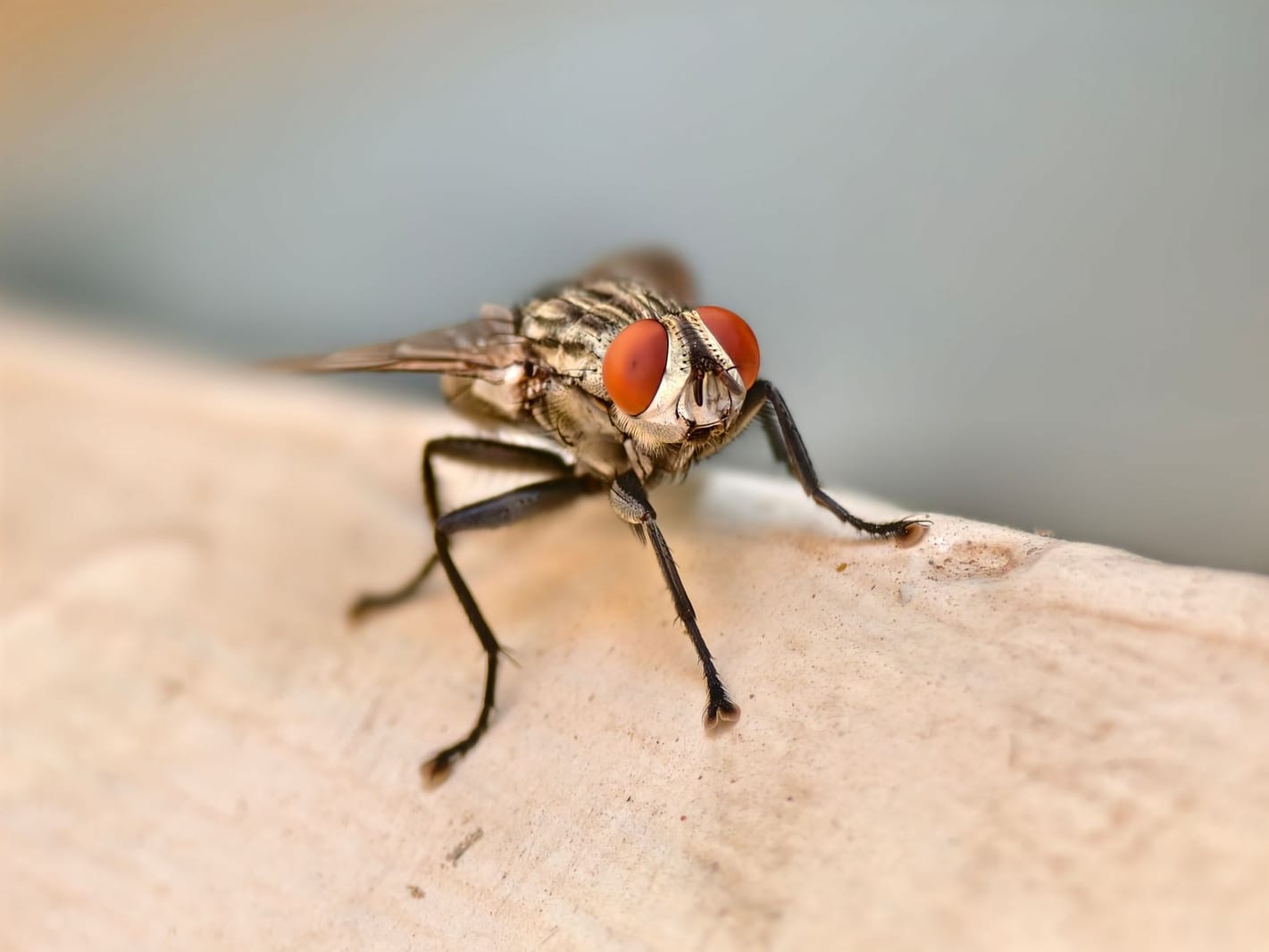
Fly pressure around the fish and produce stalls on Canal Street runs high through the warmer months, spring through early autumn, driven by the volume of fresh product turnover rather than any single dirty storefront, and it's a pattern residents on these blocks learn to expect every year regardless of how carefully any one stall manages its waste. Rodent entry into residential units still follows the standard September-October Manhattan calendar, but building management in this neighborhood — given the inspection scrutiny on the commercial tenants downstairs — tends to move faster on sealing shared basement access than in less closely watched commercial districts. That faster response is arguably the practical benefit of the same compliance culture that keeps the rat inspection numbers looking better than the restaurant density would suggest, and it's a genuine point of contrast with commercial corridors elsewhere in Manhattan that see far less regulatory attention.
What the city's own data says about Chinatown
Residents of Chinatown filed 81 rodent complaints with NYC 311 in the July 2025 – July 2026 period — the 19th highest of the 21 neighborhoods we cover. Over the same window the Health Department carried out 1,360 rodent inspections in these ZIP codes, and 6.8% of them failed for active rat activity (92 inspections).
Bed bugs are tracked separately. Under Local Law 69 of 2017, every multiple-dwelling owner in the city files an annual bed bug report with HPD. Across every filing covering Chinatown's ZIP codes, 208 dwelling units were reported infested out of 119,446 — an infestation rate of 0.17%, the 17th highest of the 21 neighborhoods we cover.
We publish the citywide version of this analysis, ranked by borough and ZIP code, in our rattiest NYC neighborhoods report — free to cite, quote or embed.
A complaint count measures where rats get reported, not where they all live — a block that calls 311 is not necessarily worse off than a block that has given up on calling. The inspection failure rate is the harder number: it is what a city inspector actually found on site. The bed bug rate is a landlord's own filing, so it understates buildings that never filed. Source: NYC Open Data — NYC 311 Service Requests + DOHMH Rodent Inspection + HPD Bedbug Reporting (NYC Open Data). Retrieved 2026-07-10.
Common pests in Chinatown
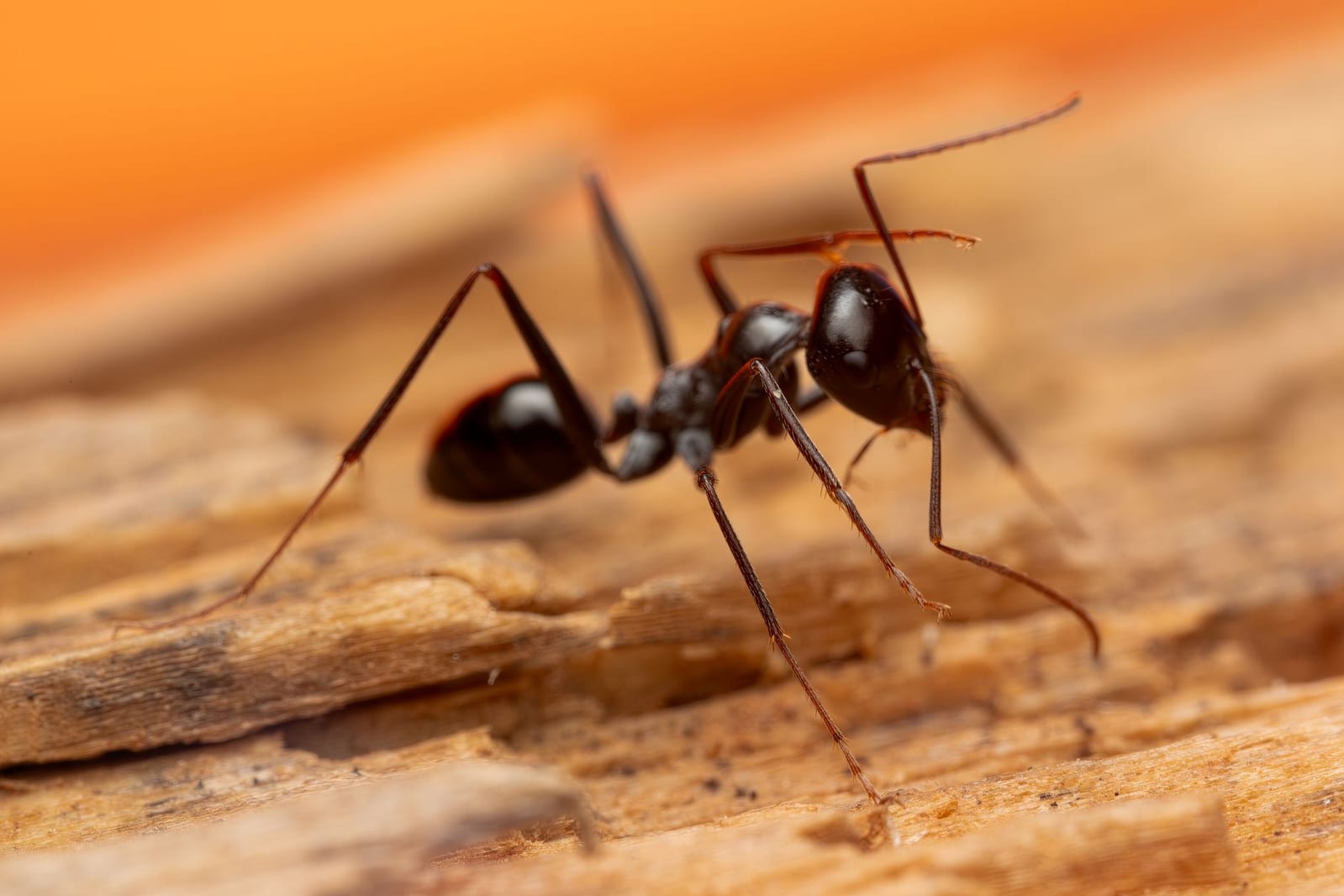
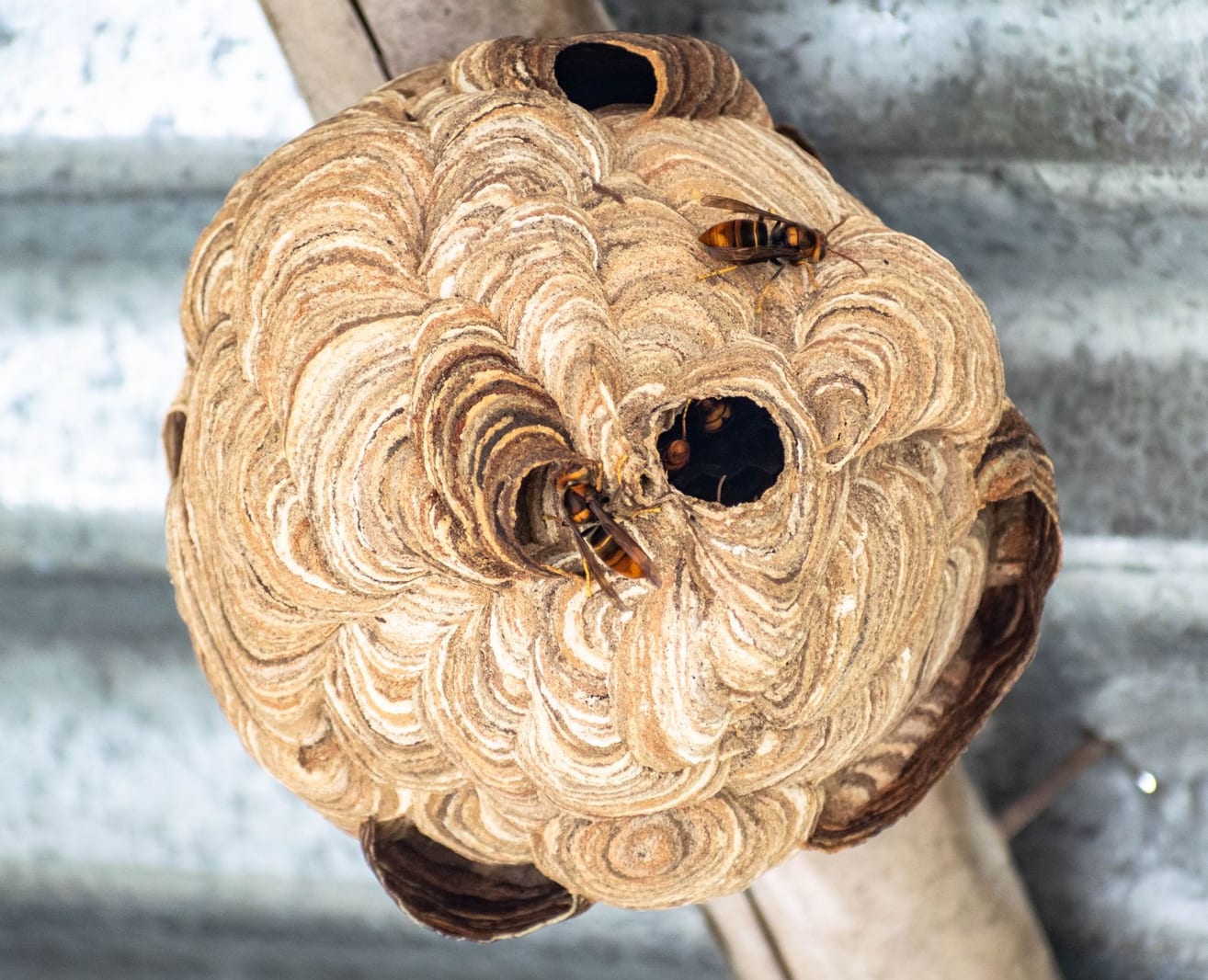
The issues we treat most here: rodents, cockroaches, flies, ants. We serve Canal Street, Mott Street, Columbus Park, Manhattan Bridge, Bayard Street and the wider area across ZIPs 10013.