Pest control built for New Dorp
New Dorp posts the lowest rat-activity failure rate of any neighborhood this network tracks across all five boroughs — a genuinely different starting point from anywhere else on this list, Bronx or Staten Island. The reason isn't luck; it's construction. New Dorp's single-family and semi-detached homes sit on their own lots with yards, driveways, and perimeter space between structures, which gives Norway rats none of the shared-wall, shared-basement travel routes that sustain rat colonies in dense apartment buildings. A rat problem here tends to be a single-property issue tied to a specific foundation gap or a woodpile against the house, not a neighborhood-wide harborage network. An exterminator called to a New Dorp rat complaint should expect a one- or two-visit job scoped to a single address, not a multi-building program.
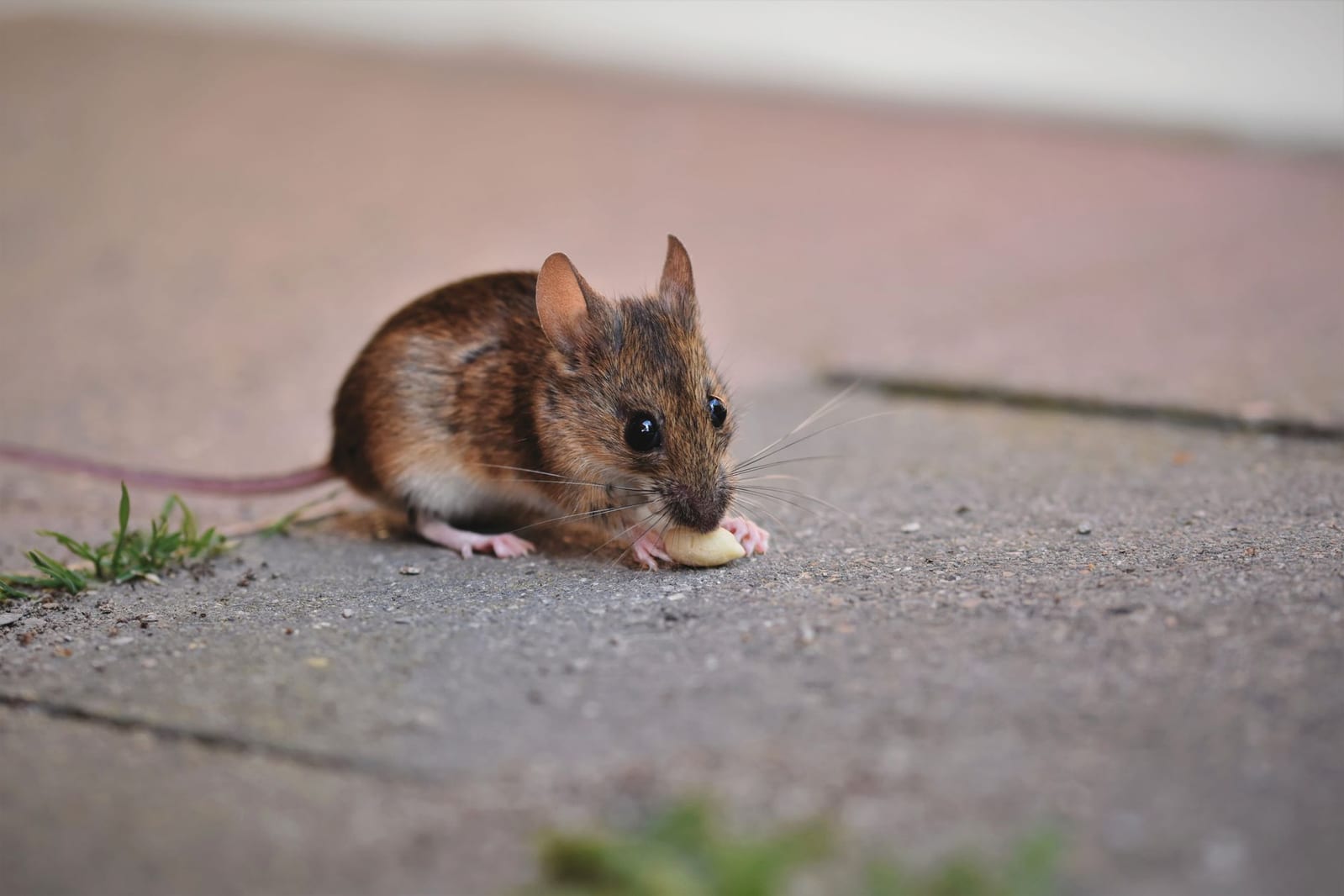
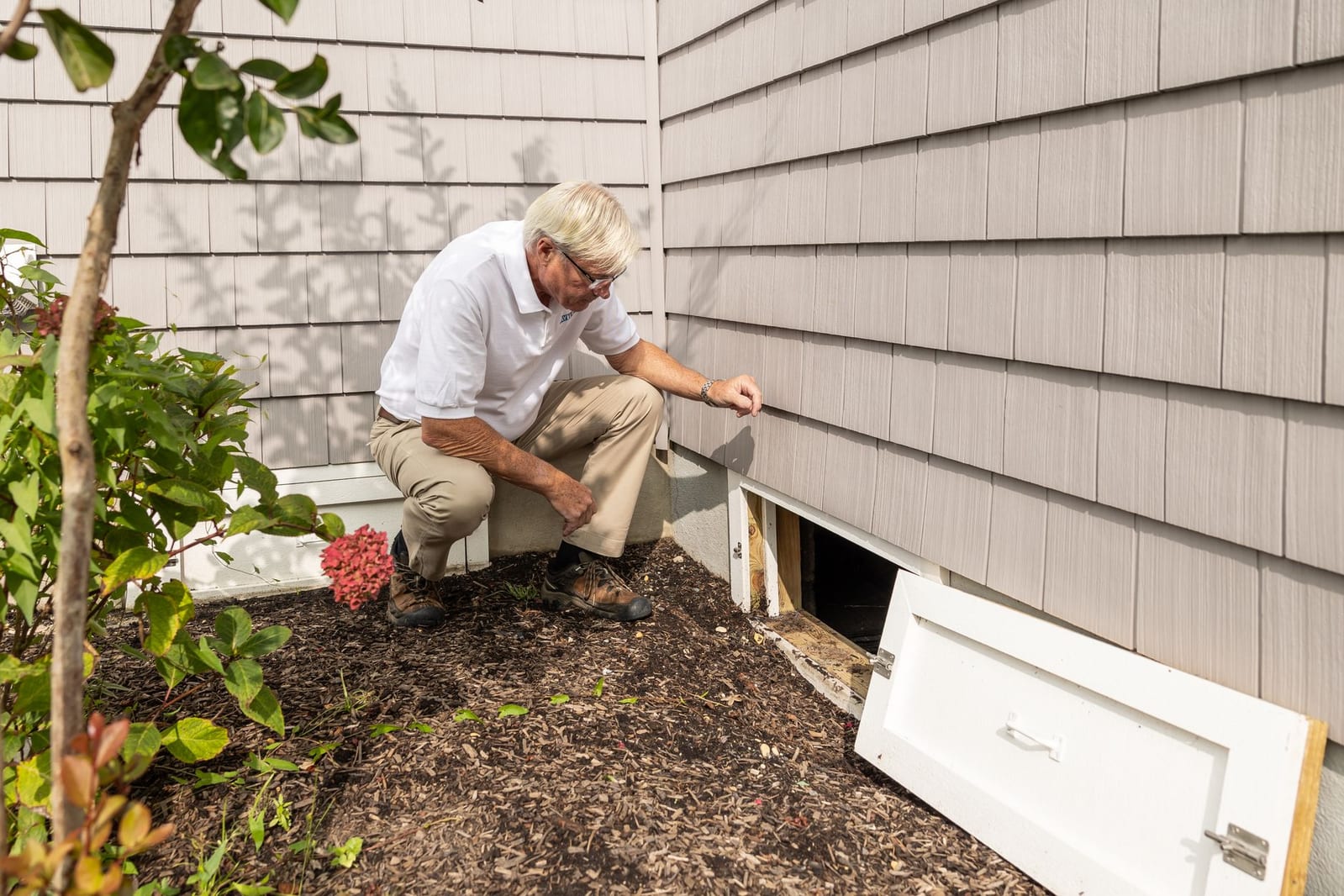
What actually drives service calls in New Dorp is a different species entirely. Mice, not Norway rats, are the primary rodent demand here, and October and November — the autumn entry season — are when it spikes, as the neighborhood's houses with crawl spaces and larger foundations give mice far more entry-point complexity to work with than a sealed apartment building offers. A New Dorp mouse job typically means walking the full perimeter of a detached house, checking utility penetrations, the garage-to-house seam, and crawl space vents, rather than the interior-wall-void work that defines a Manhattan or Bronx apartment mouse call. Snap traps set flush against baseboards in the kitchen and basement, checked daily, are standard here — bait stations see far less use than in the city's apartment-heavy neighborhoods.
Wildlife exclusion is a bigger share of the workload here than rat or roach treatment. Detached homes with garages, sheds, and yard space give squirrels, raccoons, and opossums far more places to establish than the North Shore's denser attached housing does, and a New Dorp service call is as likely to be a squirrel working a fascia gap or a raccoon denning under a shed as it is a rodent problem inside the house. This perimeter-and-exclusion-first approach is a genuinely different trade from the interior burrow-mapping and bait-station work that defines a South Bronx or St. George rat job. A one-way excluder installed at the primary den entrance, left in place until the animal has clearly left, is standard practice on these jobs.
New Dorp Lane's small commercial strip is the one pocket of the neighborhood that runs closer to a conventional urban pest pattern — the restaurants and shops along the strip generate enough food waste to sustain modest rodent activity in adjacent basements, and homes immediately bordering the strip see more pressure than those further into the residential blocks. It's a small-scale version of the commercial-corridor-feeds-residential-blocks pattern found throughout the network, just contained to a few blocks rather than a mile-long avenue. Restaurant kitchens on New Dorp Lane benefit from the same grease-trap and sanitation-focused prevention plan used on any small commercial food strip in the network, just applied at a smaller scale.
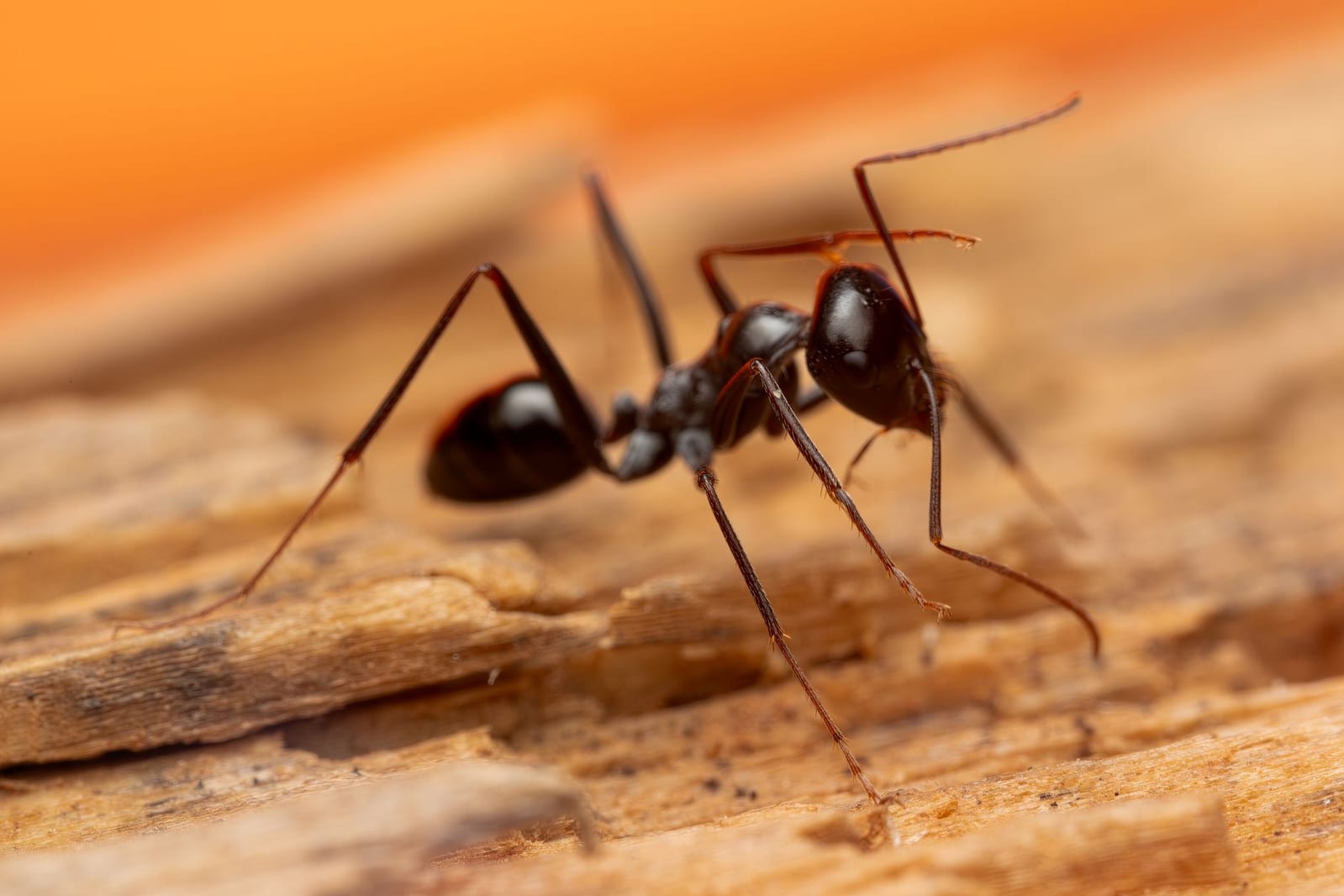
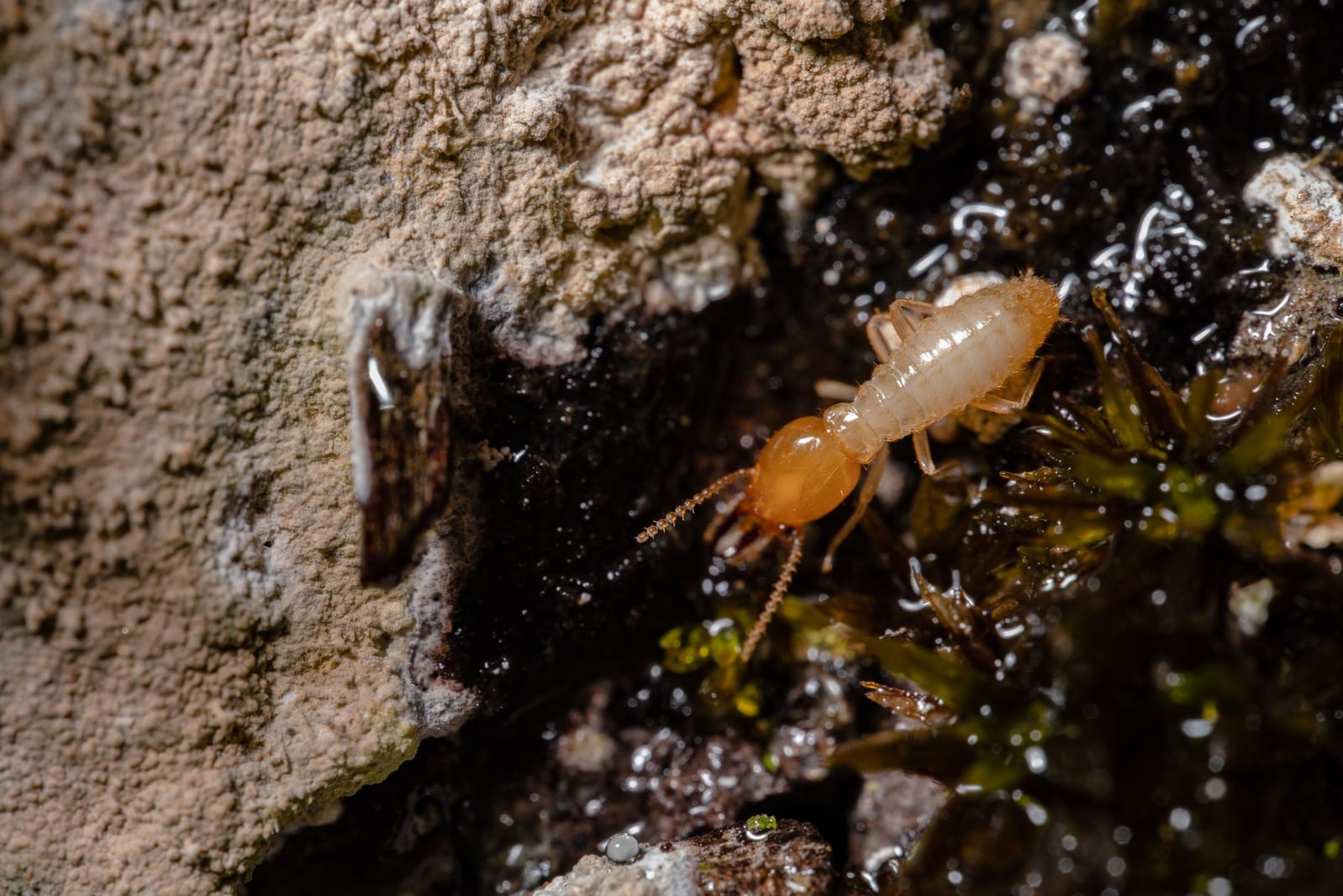
Proximity to New Dorp Beach and the eastern shoreline adds a seasonal mosquito layer that has nothing to do with the rat and mouse story — tidal low-lying areas near the shoreline breed mosquitoes through the summer months, and backyard treatment for the suburban homeowner is a legitimate, separate demand stream from the rodent and wildlife work. Older homes along Dongan Hills Avenue with larger basements also see carpenter ants and occasional moisture-driven pest issues where the foundation sits lower relative to the water table than the newer construction closer to Richmond Avenue. Homeowners near the shoreline should treat standing water in gutters, planters, and low-lying yard corners as a mosquito-breeding risk worth addressing before the summer season starts.
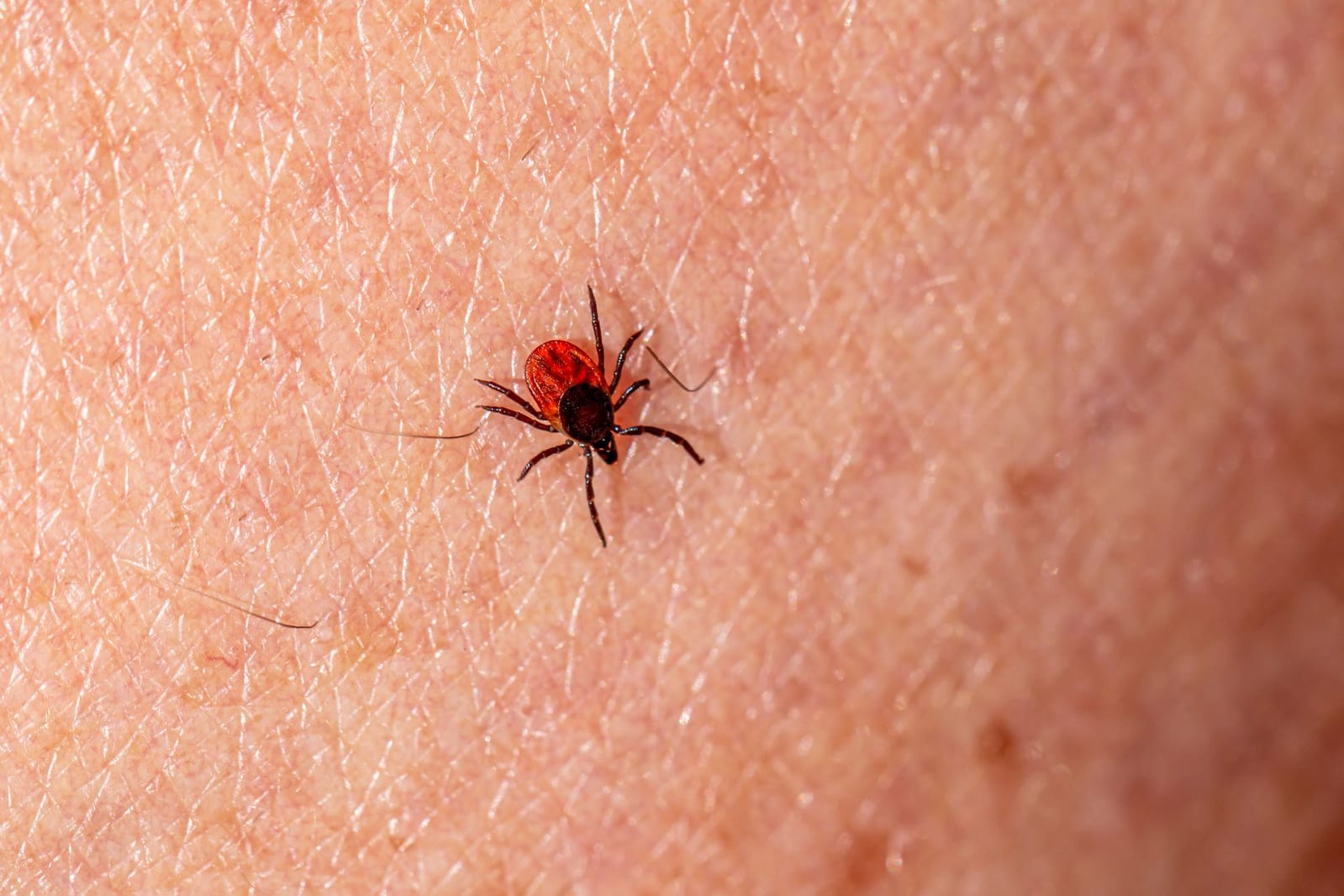
The lowest failure rate in the network doesn't mean zero demand — it means the pest problems in New Dorp are individual-property issues rather than neighborhood-wide infrastructure problems, and that changes how a service call should be scoped. Where a Fordham Road building needs coordination with a superintendent and possibly the whole building, a New Dorp job is usually a single-family perimeter inspection: seal the gaps, set the exclusion devices, treat the yard if wildlife or ticks are present, and the job is largely done in one or two visits rather than an ongoing building-wide program. That distinction is worth knowing before booking a service call — a New Dorp homeowner shouldn't expect, or pay for, the ongoing building-wide monitoring program a Bronx commercial property needs.
What the city's own data says about New Dorp
Residents of New Dorp filed 136 rodent complaints with NYC 311 in the July 2025 – July 2026 period — the 14th highest of the 21 neighborhoods we cover. Over the same window the Health Department carried out 128 rodent inspections in these ZIP codes, and 7% of them failed for active rat activity (9 inspections).
Bed bugs are tracked separately. Under Local Law 69 of 2017, every multiple-dwelling owner in the city files an annual bed bug report with HPD. Across every filing covering New Dorp's ZIP codes, 79 dwelling units were reported infested out of 14,929 — an infestation rate of 0.53%, the 8th highest of the 21 neighborhoods we cover.
We publish the citywide version of this analysis, ranked by borough and ZIP code, in our rattiest NYC neighborhoods report — free to cite, quote or embed.
A complaint count measures where rats get reported, not where they all live — a block that calls 311 is not necessarily worse off than a block that has given up on calling. The inspection failure rate is the harder number: it is what a city inspector actually found on site. The bed bug rate is a landlord's own filing, so it understates buildings that never filed. Source: NYC Open Data — NYC 311 Service Requests + DOHMH Rodent Inspection + HPD Bedbug Reporting (NYC Open Data). Retrieved 2026-07-10.
Common pests in New Dorp
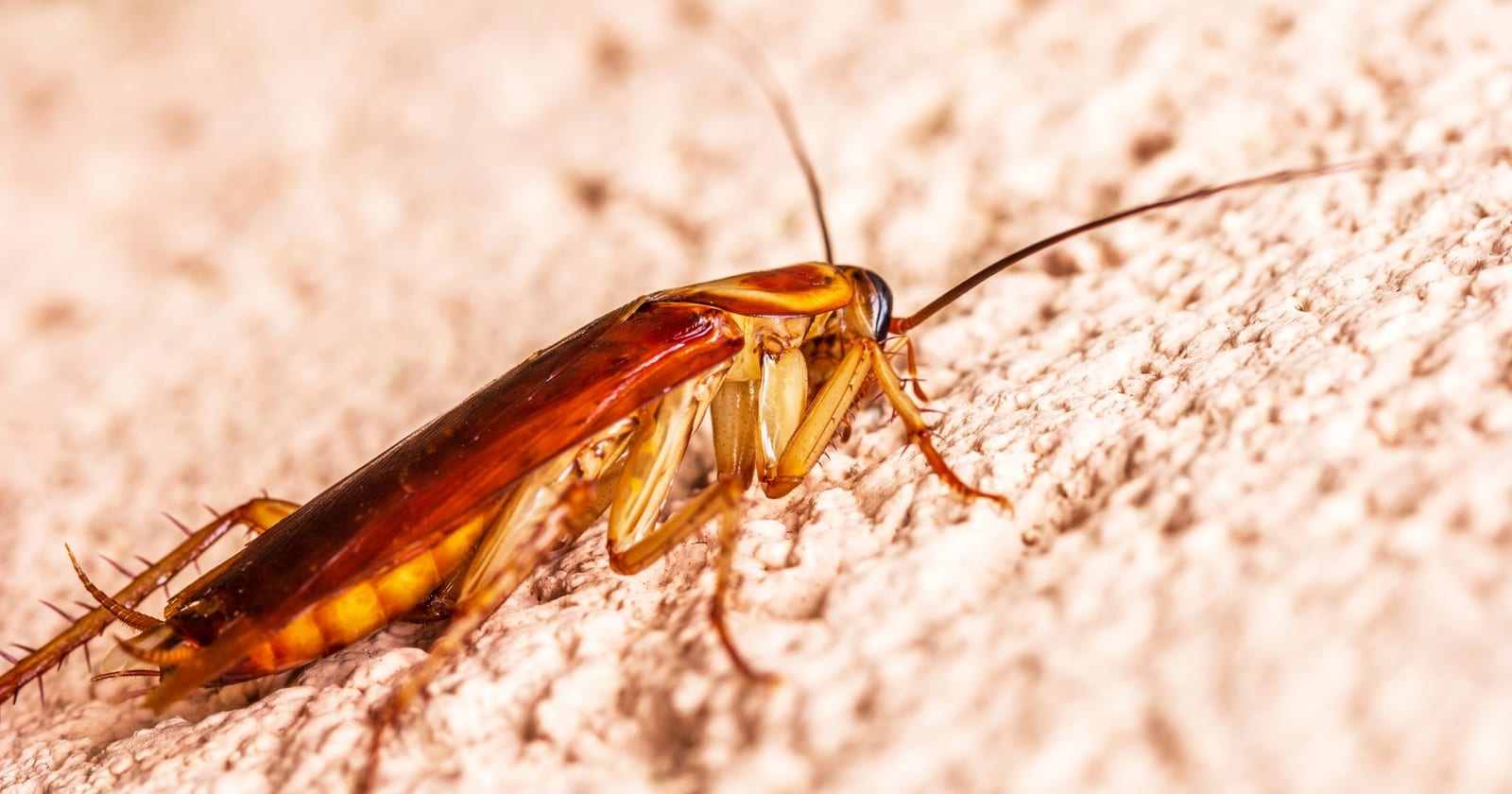
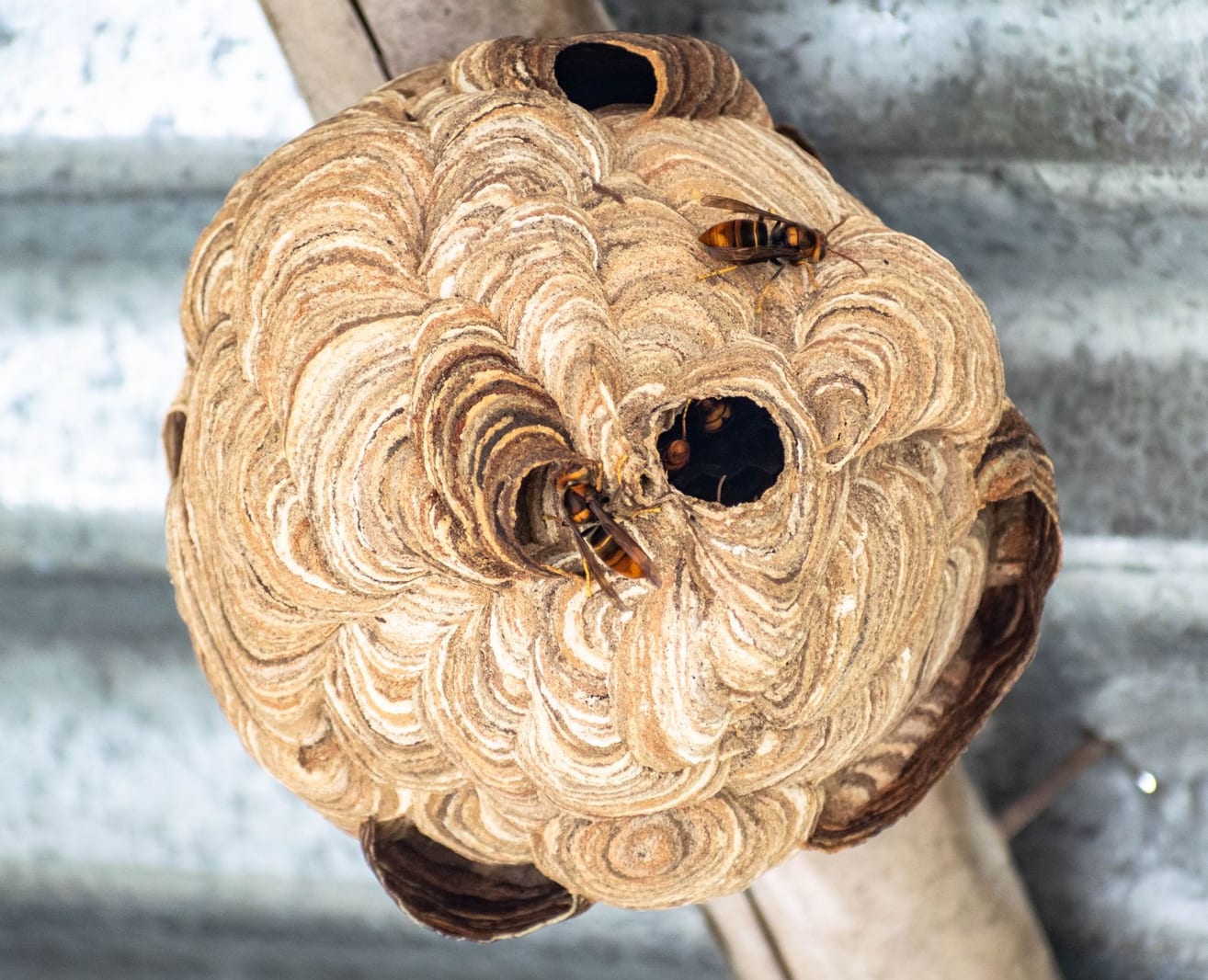
The issues we treat most here: rodents, ants, stinging insects, cockroaches. We serve New Dorp Lane, Richmond Avenue, New Dorp Beach, Dongan Hills Avenue and the wider area across ZIPs 10306.