Skip to content
Mon–Fri & Sun: 8am–6pm · Closed Saturday
ES
Expert Exterminating Licensed NYC Exterminators

Pest Control in Upper East Side

Expert Exterminating provides licensed, insured pest control across Upper East Side, Manhattan. We know the neighbourhood's buildings and the pests that come with them.

Get Your Free Quote

Or call now: (929) 566-8438

Pest control built for Upper East Side

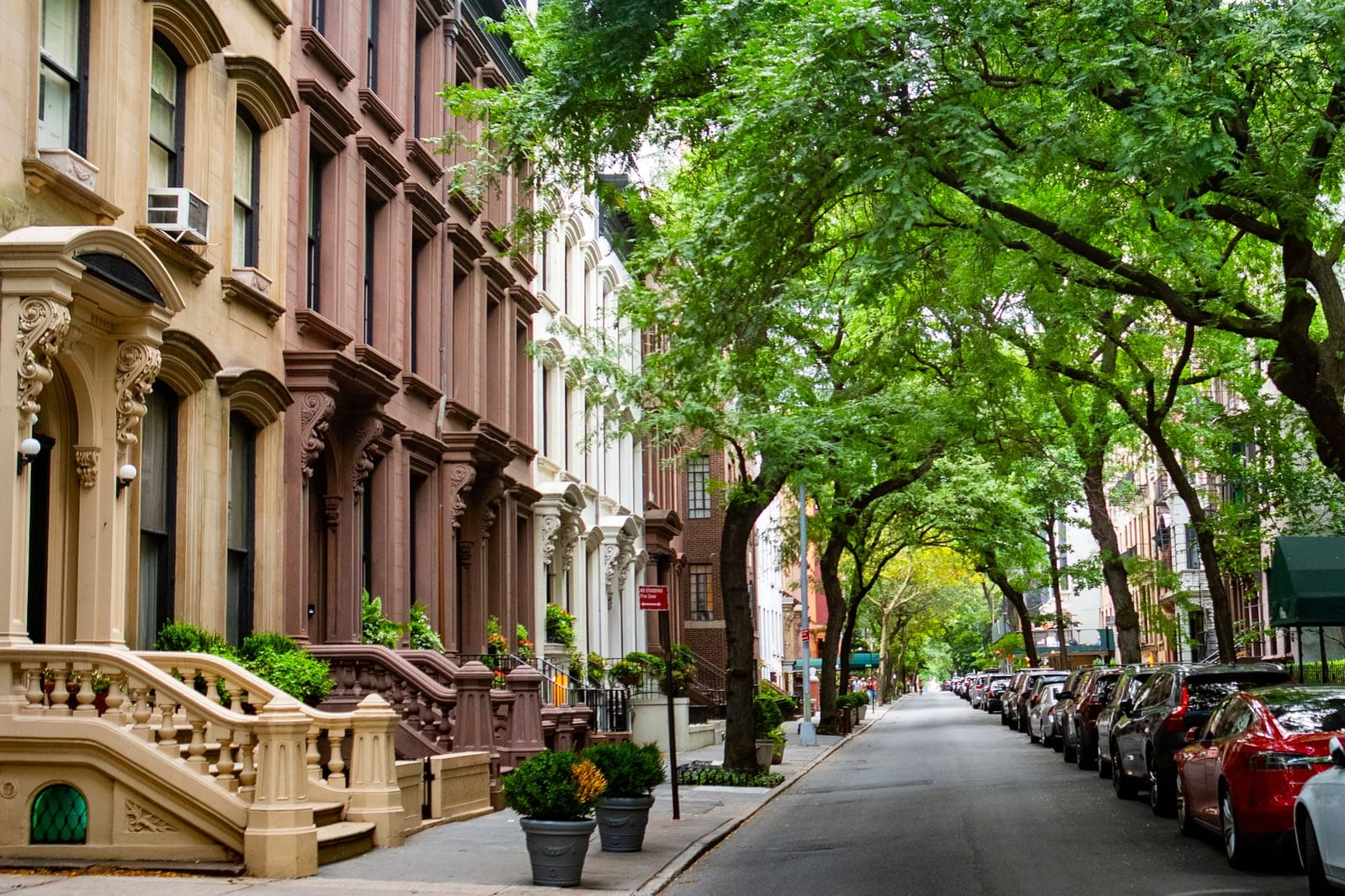
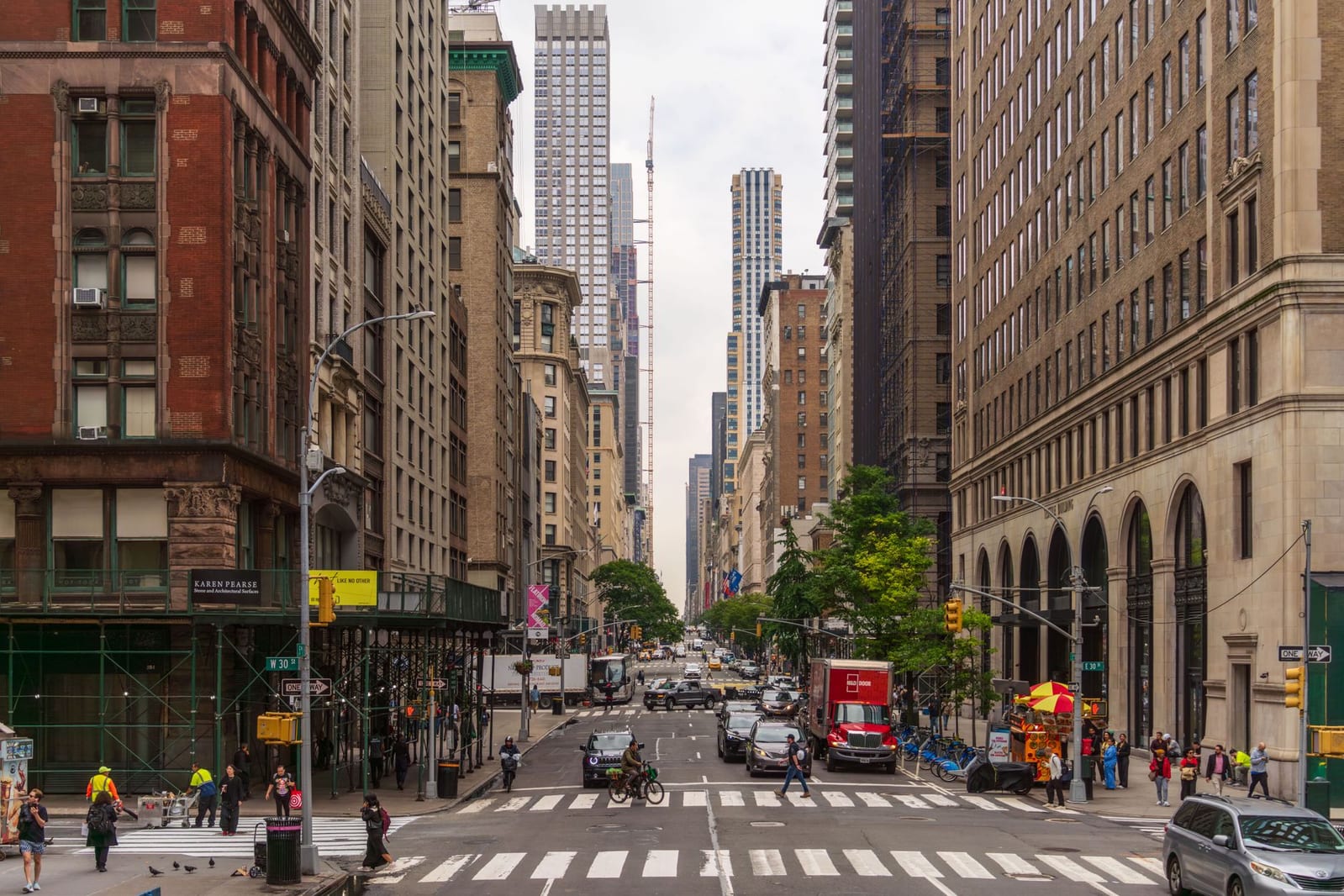
Park Avenue and Fifth Avenue co-ops are the image most people have of the Upper East Side, but the neighborhood's actual building stock splits sharply in two: pre-war cooperative towers with elevator operators and service entrances west of Lexington, and the older, denser tenement and walk-up stock in Yorkville east of Second Avenue that predates the co-op boom by decades. Both share the same underlying vulnerability — original plumbing risers and service stairwells that connect units vertically — but the Yorkville side sees far more of the day-to-day roach and mouse activity, while the Park Avenue side sees more of the bed bug and clothing moth calls. Smaller townhouses closer to Lenox Hill split the difference — four- and five-story buildings that carry some of both the co-op tower's shared-riser risk and the walk-up's older plumbing.

Central Park runs the entire western edge of the Upper East Side, and the buildings closest to Fifth Avenue and Museum Mile feel it: mice and the occasional squirrel push out of the park's planted beds into ground-floor apartments and building basements as the weather turns in autumn, and the park's maintained lawns and garden beds are exactly the kind of soft, irrigated ground Norway rats prefer to burrow along. A doorman building on Fifth Avenue with a well-run trash room can still see rat activity at the foundation line simply because of what's on the other side of the wall. That same park-edge effect tapers off noticeably by the time you reach Yorkville's older streets near Second Avenue, further from the tree line.

Clothing moth calls — the webbing moth and casemaking moth species that feed on wool, cashmere, and other natural fibers — are disproportionately an Upper East Side problem in our territory, and it comes down to what's actually in the closets here. Stored fur, off-season wool suits, and inherited rugs sitting untouched in cedar-lined closets for months at a time give moth larvae exactly the undisturbed protein source they need to complete a life cycle. It's not a hygiene failure — it's a function of what residents in this ZIP code own and how they store it, and it needs targeted moth treatment rather than a general pest spray aimed at the wrong insect entirely.

Bed bugs are the call co-op boards take most seriously, because Upper East Side apartments turn over through international travel, seasonal residents, and staff who move between properties, and a documented infestation becomes a board-level disclosure issue at resale. DOHMH inspection data for this ZIP cluster shows a failure rate for pest conditions that runs higher than the raw complaint count alone would suggest — buildings here get inspected less often than denser downtown blocks, but when an inspector is called in, real conditions are more often confirmed. That pattern argues for proactive building-wide monitoring, not waiting for a resident complaint to trigger the first inspection. Buildings within a block or two of Museum Mile's cultural institutions see a disproportionate share of these calls, likely tied to visitor and staff foot traffic through lobbies and service corridors.

East toward Yorkville and Second and Third Avenues, the building stock drops forty or fifty years older and the pest profile changes with it — German cockroaches in kitchens with original tile and grout lines, and mice moving through wall voids in six-story walk-ups that never had the capital improvements the Park Avenue co-ops received. We treat Yorkville buildings closer to how we'd treat a Chelsea or Hell's Kitchen walk-up than a Fifth Avenue tower, because the underlying construction is the same era and the same vulnerabilities apply. Building superintendents here are often the first line of defense, and coordinating directly with them, rather than only with individual tenants, is what actually gets ahead of a spreading infestation before it reaches every floor on the riser.

Service logistics matter more on the Upper East Side than almost anywhere else in Manhattan — board approval, service-entrance scheduling, and coordination with building staff are part of every job here, not an afterthought. We work around doorman shift changes and service-elevator hours as a matter of course, and we give co-op boards the documentation format they need for their files, because a treatment record here often has to satisfy a board committee, not just the resident who called. It's a level of coordination overhead a Chelsea walk-up landlord rarely has to think about, and we build that time into every Upper East Side quote from the outset rather than treating it as an unplanned delay once the job is already underway.

Rodent and mouse pressure on the Upper East Side follows the citywide October entry pattern, but the buildings that see it worst are the ones backing directly onto Central Park or sitting on the older Yorkville side streets — anywhere the building's exterior meets soft ground or an aging foundation. Clothing moth calls run on their own separate calendar entirely, clustering in spring when residents open storage closets to swap out winter wool for the season, which is usually the first time anyone notices the damage. Bed bug calls hold roughly steady year-round given how continuously this ZIP cluster's residents travel, with only a modest bump each January as holiday guests and returning travelers bring back what they picked up over the break.

What the city's own data says about Upper East Side

Residents of Upper East Side filed 732 rodent complaints with NYC 311 in the July 2025 – July 2026 period — the 6th highest of the 21 neighborhoods we cover. Over the same window the Health Department carried out 2,883 rodent inspections in these ZIP codes, and 26.6% of them failed for active rat activity (766 inspections).

Bed bugs are tracked separately. Under Local Law 69 of 2017, every multiple-dwelling owner in the city files an annual bed bug report with HPD. Across every filing covering Upper East Side's ZIP codes, 2,663 dwelling units were reported infested out of 1,062,805 — an infestation rate of 0.25%, the 16th highest of the 21 neighborhoods we cover.

We publish the citywide version of this analysis, ranked by borough and ZIP code, in our rattiest NYC neighborhoods report — free to cite, quote or embed.

A complaint count measures where rats get reported, not where they all live — a block that calls 311 is not necessarily worse off than a block that has given up on calling. The inspection failure rate is the harder number: it is what a city inspector actually found on site. The bed bug rate is a landlord's own filing, so it understates buildings that never filed. Source: NYC Open Data — NYC 311 Service Requests + DOHMH Rodent Inspection + HPD Bedbug Reporting (NYC Open Data). Retrieved 2026-07-10.

Common pests in Upper East Side

The issues we treat most here: bed bugs, cockroaches, rodents, moths. We serve Museum Mile, Central Park, Lenox Hill, Yorkville, Park Avenue and the wider area across ZIPs 10021, 10028, 10065, 10075, 10128.
What we treat

Services in Upper East Side

Tap a service for Upper East Side-specific details.

Bed Bug Treatment

Bed Bug Treatment

We eliminate bed bugs with a combination of targeted insecticide treatment and whole-room heat, backed by a follow-up inspection so the infestation does not return.

Learn more
Rat & Mouse Control

Rat & Mouse Control

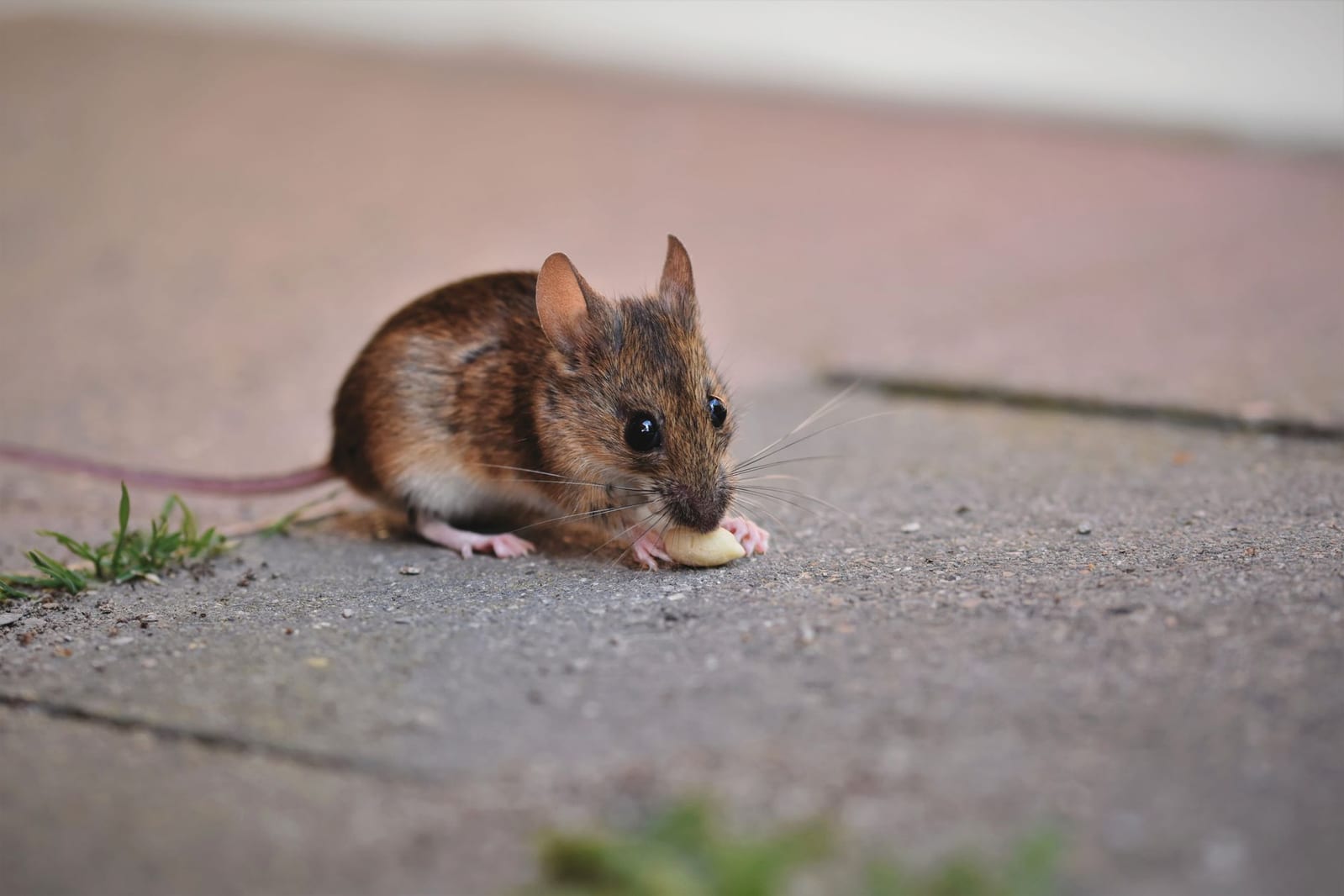
We control rats and mice by sealing the entry points they use to get in, removing the active population with targeted trapping and baiting, and proofing your property so they can't return.

Learn more
Cockroach & Water Bug Control

Cockroach & Water Bug Control

We eliminate German cockroaches and water bugs with targeted gel baiting and crack-and-crevice treatment that reaches the harbourages where roaches breed, then keep them out with follow-up monitoring.

Learn more
Carpenter Ant & Ant Control

Carpenter Ant & Ant Control

A carpenter ant exterminator in NYC locates both the parent colony and its satellite nests, treats with targeted baiting and residual dusting, and identifies the moisture source drawing them in — without fixing the leak, the colony returns within a season.

Learn more
Wasp, Hornet & Bee Removal

Wasp, Hornet & Bee Removal

We safely remove wasp, hornet and yellow-jacket nests — including hard-to-reach nests near entrances and high on buildings — and prioritise them because active nests are a real hazard.

Learn more
Commercial Pest Control

Commercial Pest Control

We run discreet, documented commercial pest programmes for NYC restaurants, offices, retail and multi-family buildings — built around the Department of Health standards inspectors look for.

Learn more
Residential Pest Control

Residential Pest Control

We protect New York apartments, brownstones and homes from the full range of household pests with treatment tailored to your building and a maintenance option that keeps them out year-round.

Learn more
Recurring Pest Maintenance (IPM)

Recurring Pest Maintenance (IPM)

Our recurring maintenance plans use Integrated Pest Management to intercept pests before they become an infestation — scheduled visits, monitoring and treatment that keep your property protected year-round.

Learn more
Termite Control & Inspection

Termite Control & Inspection

We inspect for termites, provide the documented WDI reports lenders require for real-estate closings, and treat active infestations with liquid barriers and baiting systems.

Learn more
Mosquito & Tick Control

Mosquito & Tick Control

We make yards, gardens and outdoor spaces usable again with mosquito and tick treatment that targets resting and breeding areas, plus seasonal programmes for season-long protection.

Learn more
Fly Control

Fly Control

We control flies by finding and eliminating the breeding source — drains, organic build-up, moisture — not just the flies you see, which is the only way to stop them coming back.

Learn more
Spider Control

Spider Control

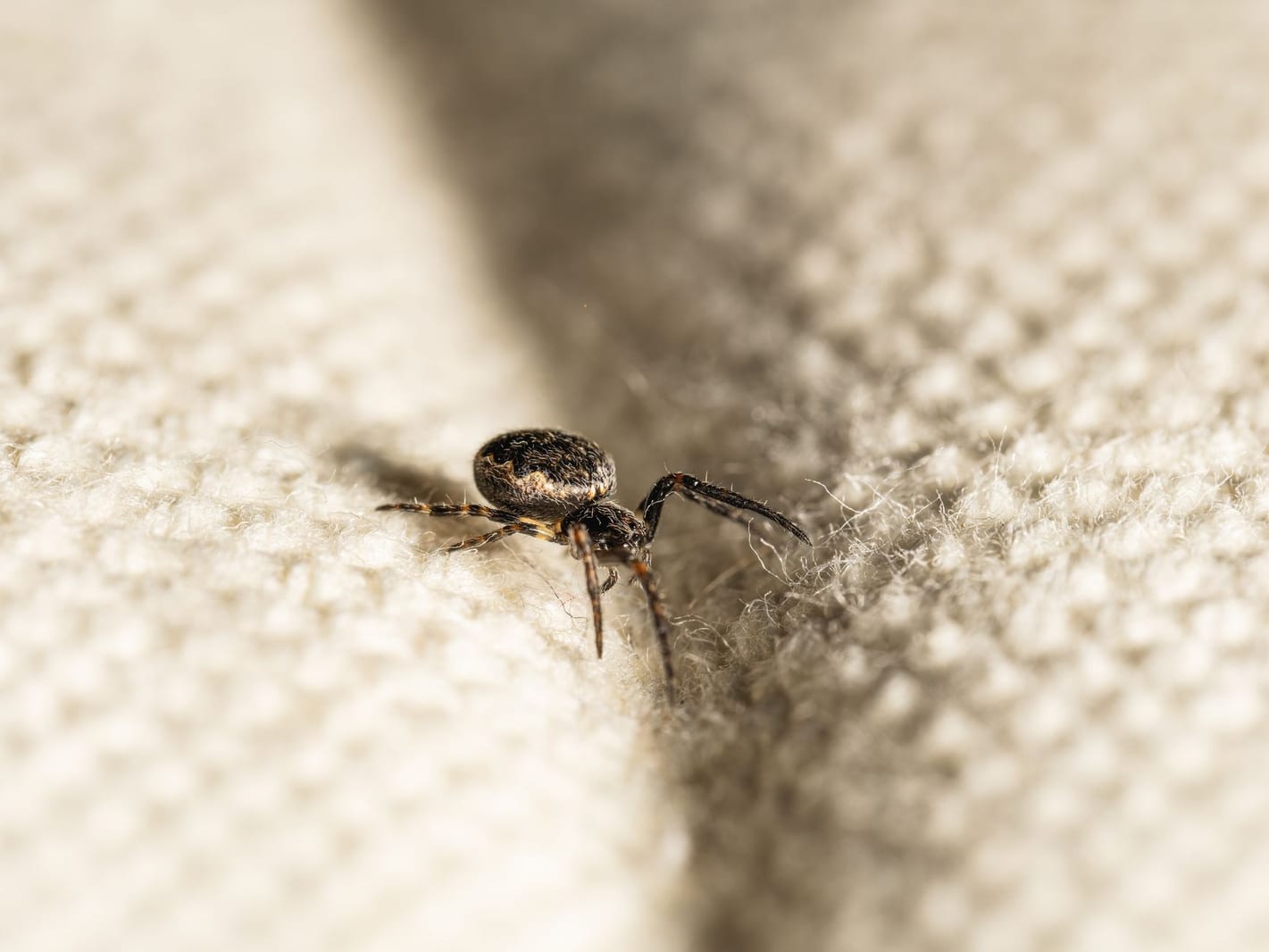
We reduce spiders by treating entry points and the insects they feed on, removing webs and harbourages so your space stays clear — and we identify any species of concern.

Learn more
Pantry & Clothing Moth Control

Pantry & Clothing Moth Control

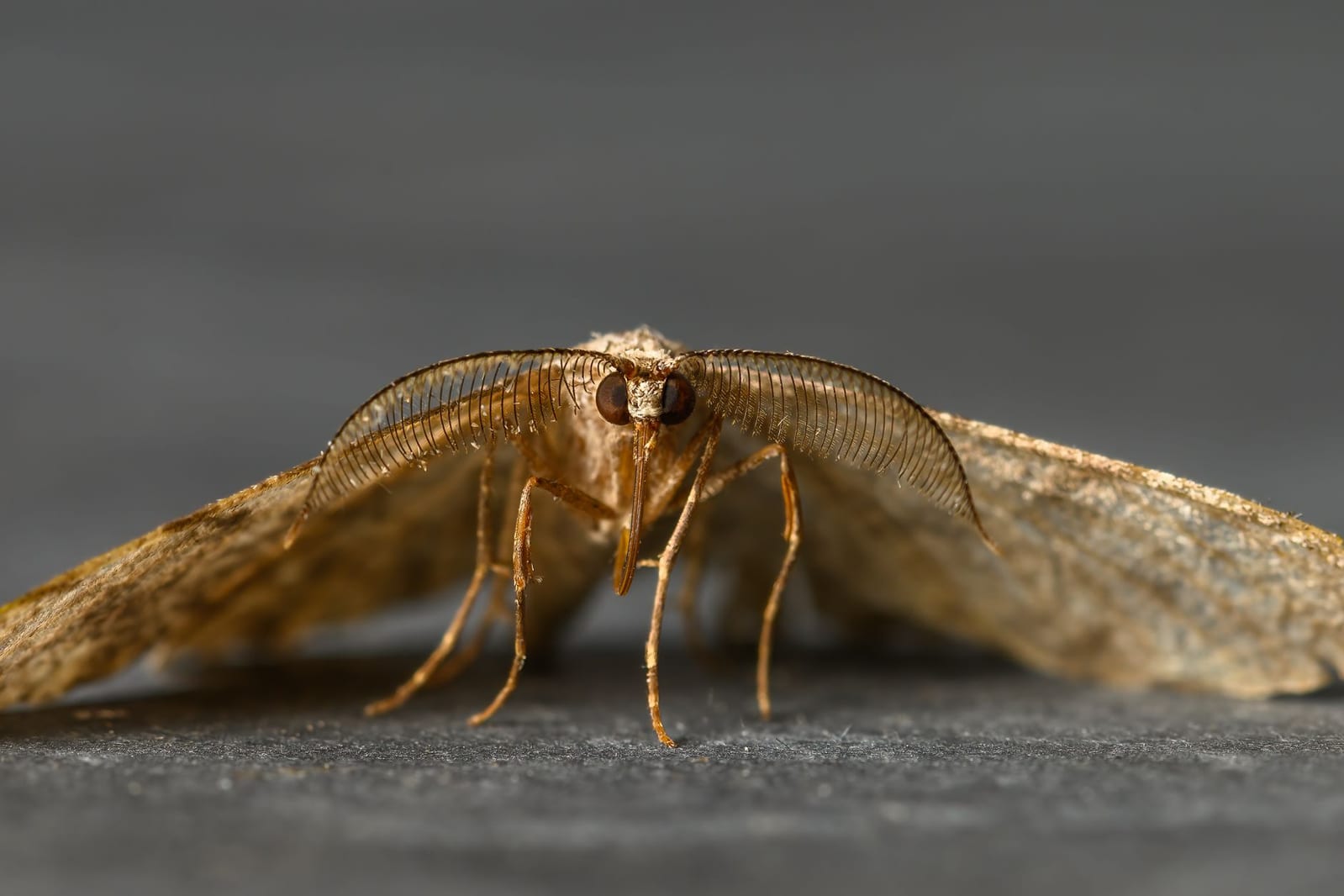
We eliminate pantry and clothing moths by locating and removing the infested source, then treating to stop the next generation — the step DIY traps alone always miss.

Learn more
Pigeon & Bird Control

Pigeon & Bird Control

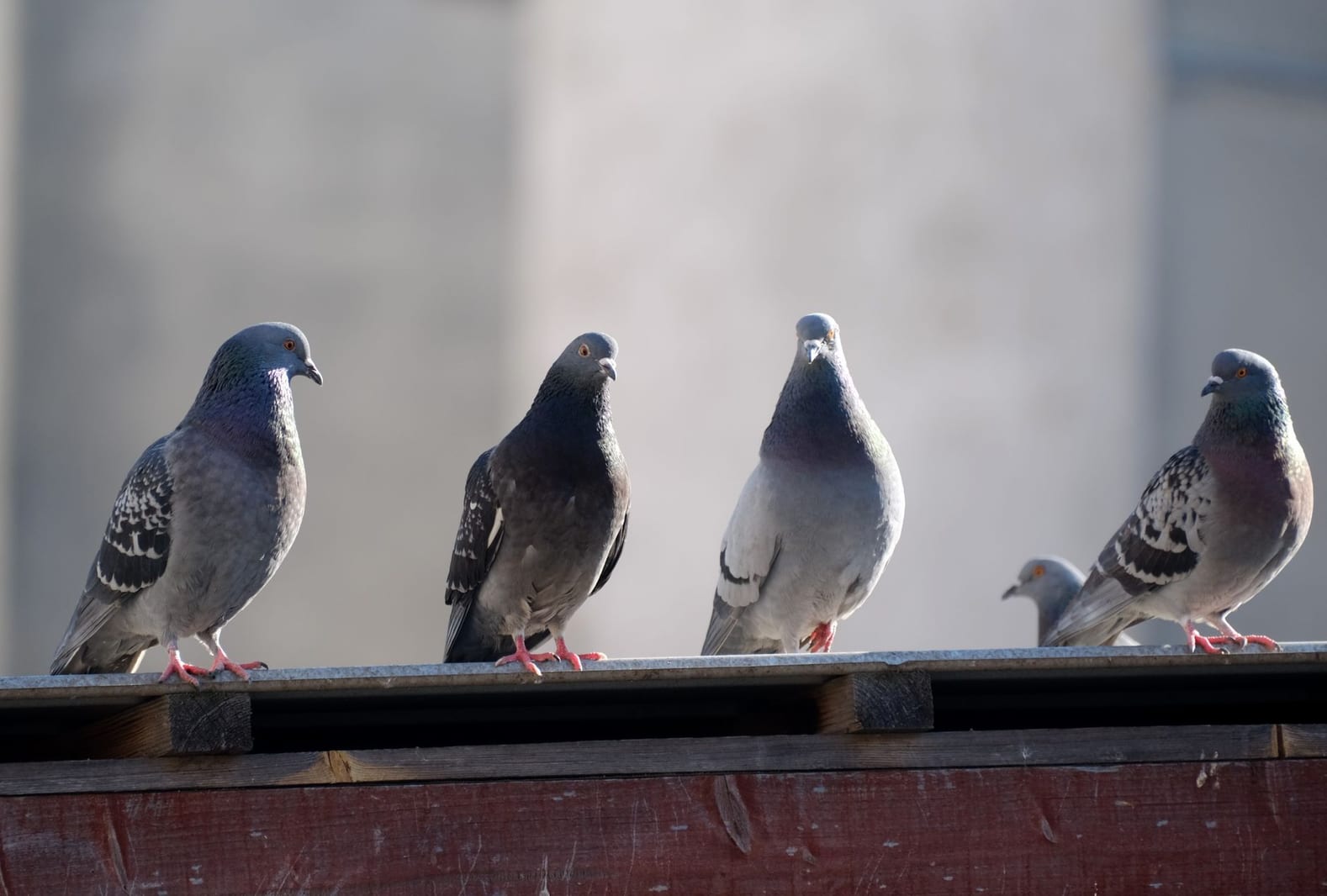
We humanely deter pigeons and nuisance birds from ledges, signs, courtyards and rooftops using netting, spikes and exclusion — and remove nests and droppings that pose a health hazard.

Learn more
Wildlife & Squirrel Removal

Wildlife & Squirrel Removal

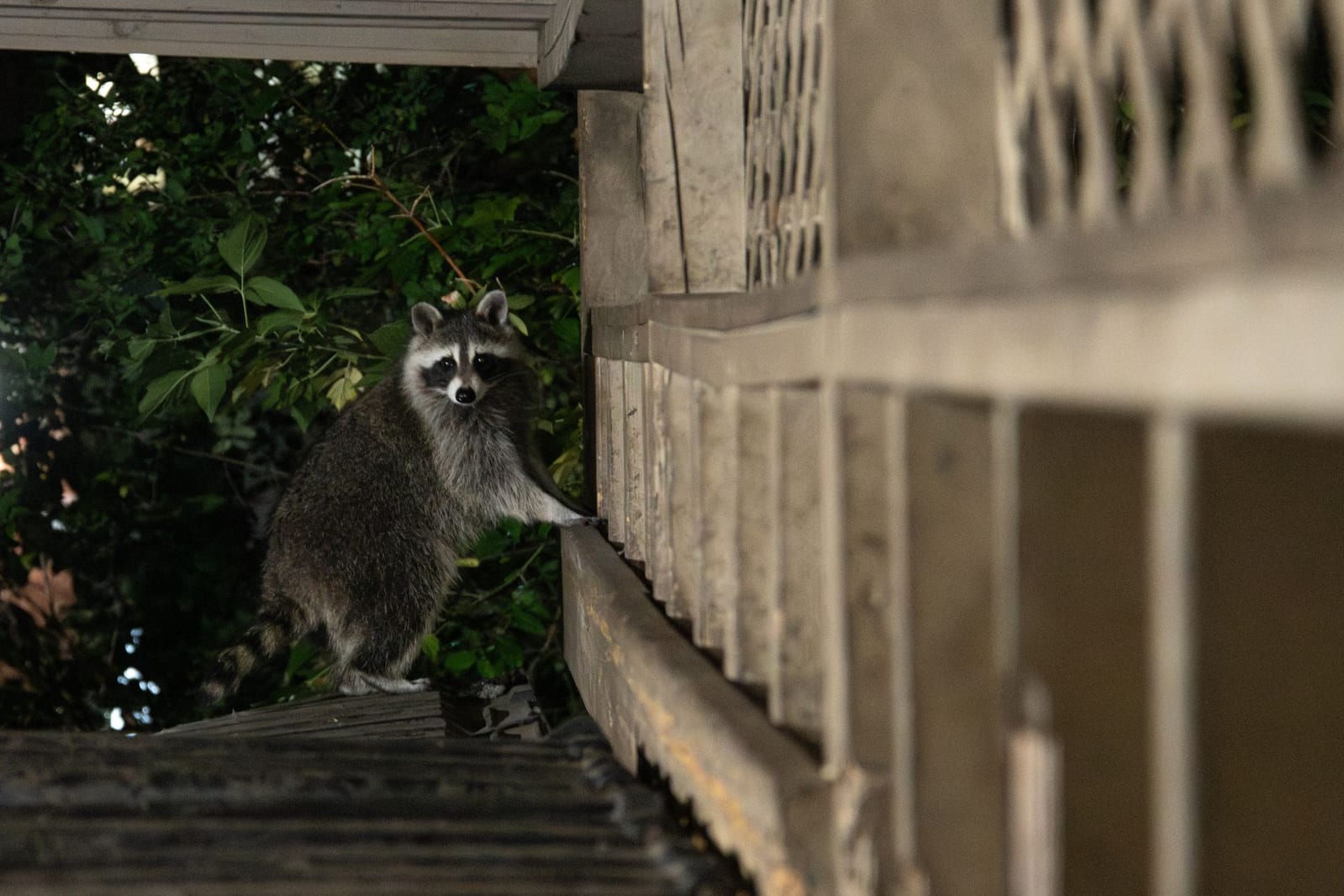
We humanely remove squirrels, raccoons and other wildlife from attics, walls and roofs, then seal the entry points so animals can't get back in.

Learn more
Flea Control

Flea Control

We eliminate fleas by treating all life stages across the areas pets frequent, breaking the breeding cycle that makes fleas so hard to clear with DIY products alone.

Learn more
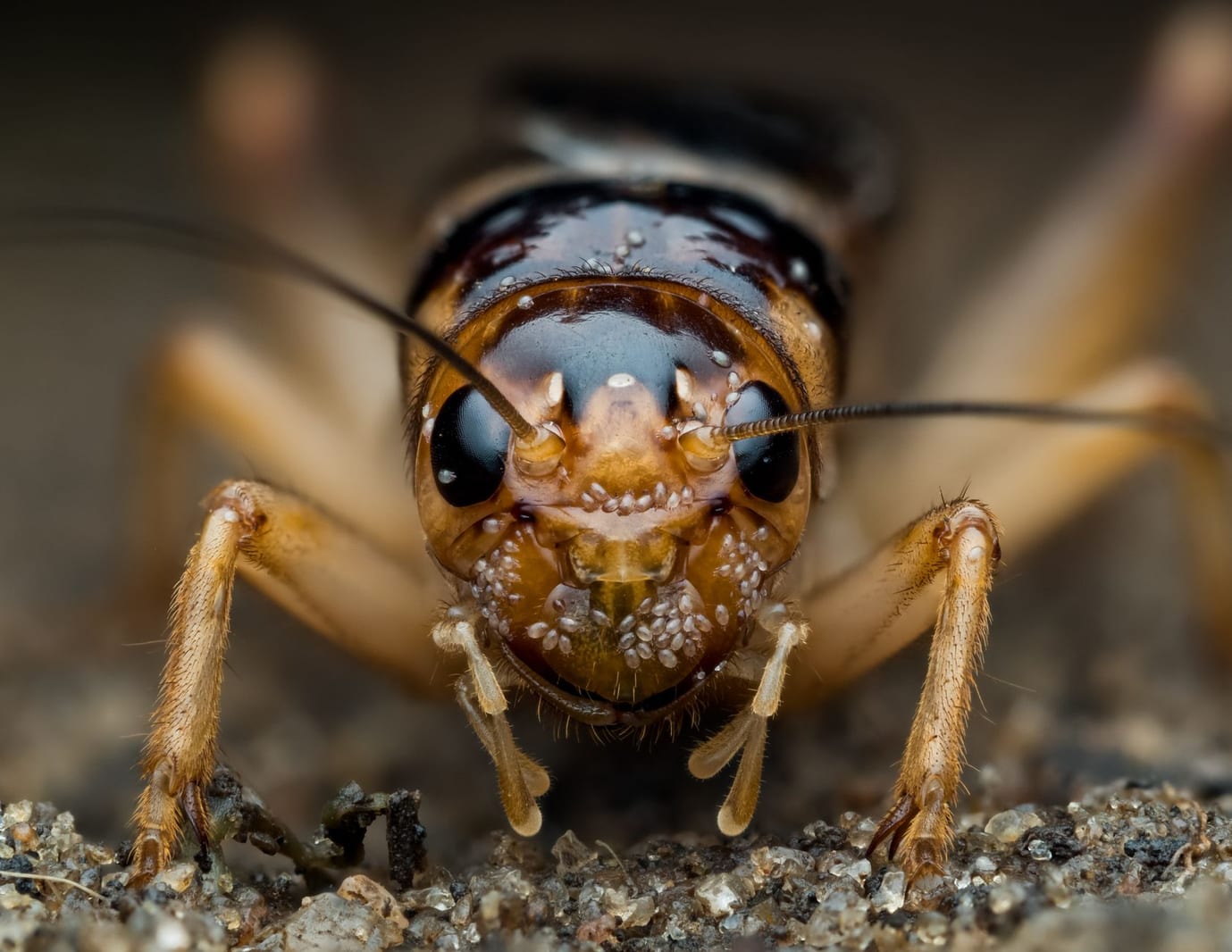
Cricket & Camel Cricket Control

Cricket & Camel Cricket Control

We get rid of house crickets and camel (spider) crickets by treating the damp basements, cellars and entry points where they harbour, then sealing them out so they stop coming back.

Learn more
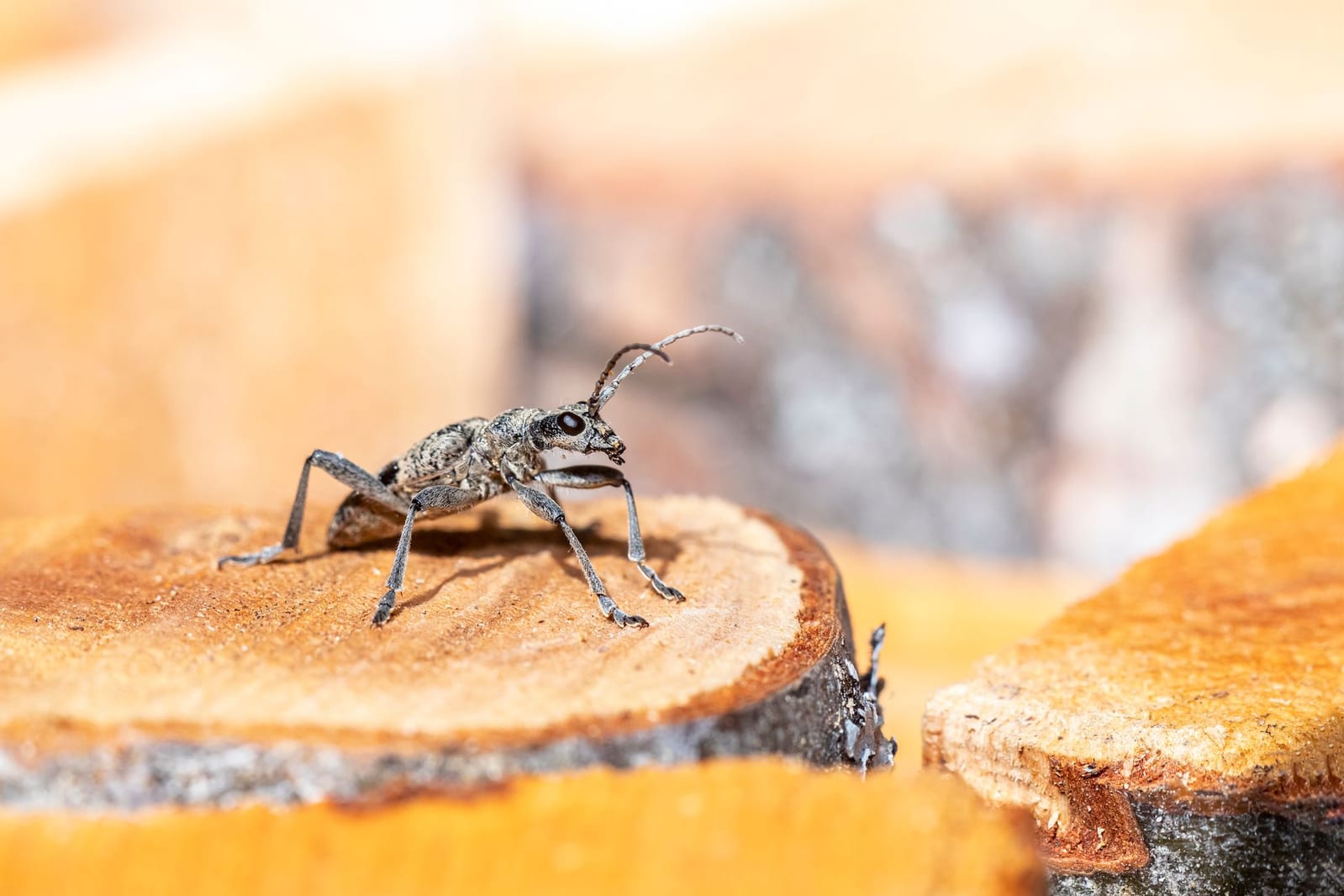
Beetle & Carpet Beetle Control

Beetle & Carpet Beetle Control

We eliminate carpet beetles, spider beetles and pantry beetles by finding and removing the infested source — fabric, stored food or debris — then treating to break the life cycle so the damage stops.

Learn more
Silverfish Control

Silverfish Control

We get rid of silverfish by treating the damp bathrooms, basements and wall voids where they harbour, then reducing the moisture and starchy food sources that draw them in — so they stop coming back, not just disappear for a week.

Learn more
Restaurant Pest Control

Restaurant Pest Control

We keep NYC restaurants, bodegas and food-service businesses inspection-ready with discreet, documented pest control built around the Department of Health standards inspectors look for — cockroaches, flies, rodents, handled before they cost you a grade.

Learn more
Property Management & Multi-Family Pest Control

Property Management & Multi-Family Pest Control

We run building-wide pest programmes for NYC property managers, landlords and co-op/condo boards — treating shared walls, basements and risers together so pests can't migrate between units, with the documentation compliance and tenants require.

Learn more
Office & Retail Pest Control

Office & Retail Pest Control

We keep NYC offices and retail spaces pest-free with discreet, scheduled programmes that protect your staff, customers and brand — handled outside business hours so no one notices but you.

Learn more
Emergency Pest Control

Emergency Pest Control

Emergency pest control means a same-day response for situations that can't wait for a standard appointment — an active infestation discovered right before a move or inspection, a commercial kitchen facing closure risk, or a sudden, severe pest problem — with the same licensed treatment standard as any scheduled visit, just prioritised.

Learn more

Pest Control in Upper East Side — FAQs

Why does my Park Avenue co-op have bed bugs if the building is well-maintained?

Bed bug risk on the Upper East Side tracks travel and turnover, not building maintenance — international travel, seasonal residents, and staff moving between properties all introduce bed bugs regardless of how well a co-op is run. A well-maintained building can still see an introduction through luggage or a piece of furniture. What maintenance does affect is how fast it's caught and contained, which is why proactive monitoring matters more here than in lower-turnover buildings.

What's eating holes in my wool sweaters on the Upper East Side?

Almost certainly clothing moths — webbing or casemaking moth larvae that feed on wool, cashmere, and other natural fibers stored undisturbed in closets for months at a time. It's disproportionately common on the Upper East Side because of what residents here tend to store: fur, off-season wool, and inherited rugs left untouched in cedar closets. It isn't a hygiene issue — it's a function of the fabric and the storage conditions, and it needs targeted moth treatment, not general pest spray.

Is Yorkville part of the Upper East Side's pest picture, or is it different?

Yorkville, the section east of Second and Third Avenues, has an older, denser building stock than the Park Avenue co-op belt, and its pest profile looks more like a Chelsea or East Village walk-up than a Fifth Avenue tower: German cockroaches in older kitchen tile lines and mice moving through wall voids in six-story buildings that never got major capital upgrades. We treat Yorkville buildings differently from the doorman co-ops a few blocks west because the underlying construction era is different.

Do I need my co-op board's approval before scheduling an exterminator on the Upper East Side?

Usually, yes, for anything beyond a routine unit-level service — most Upper East Side co-op boards require notice or approval for pest treatments, especially bed bug work, because a documented infestation can become a disclosure issue at resale. We coordinate service-entrance timing, doorman shift changes, and the documentation format co-op boards typically require for their files as a standard part of scheduling, not an extra step.

How soon can you come out in Upper East Side?

Call us and we'll book the earliest available appointment across Upper East Side (10021, 10028, 10065, 10075, 10128) and the surrounding Manhattan area.

What pests are most common in Upper East Side?

In Upper East Side, the most common issues we treat are bed bugs, cockroaches, rodents, moths — largely because park avenue and fifth avenue co-ops are the image most people have of the upper east side, but the neighborhood's actual building stock splits sharply in two: pre-war cooperative towers with elevator operators and service entrances west of lexington, and the older, denser tenement and walk-up stock in yorkville east of second avenue that predates the co-op boom by decades. both share the same underlying vulnerability — original plumbing risers and service stairwells that connect units vertically — but the yorkville side sees far more of the day-to-day roach and mouse activity, while the park avenue side sees more of the bed bug and clothing moth calls. smaller townhouses closer to lenox hill split the difference — four- and five-story buildings that carry some of both the co-op tower's shared-riser risk and the walk-up's older plumbing.

Are you licensed and insured?

Yes. Expert Exterminating is operated by Expert Exterminating, a licensed and insured New York exterminator.

Pest problem in Upper East Side? Call today.

Licensed, insured, local NYC exterminators. Call to schedule.

Call Now Free Quote