Pest control built for Williamsburg
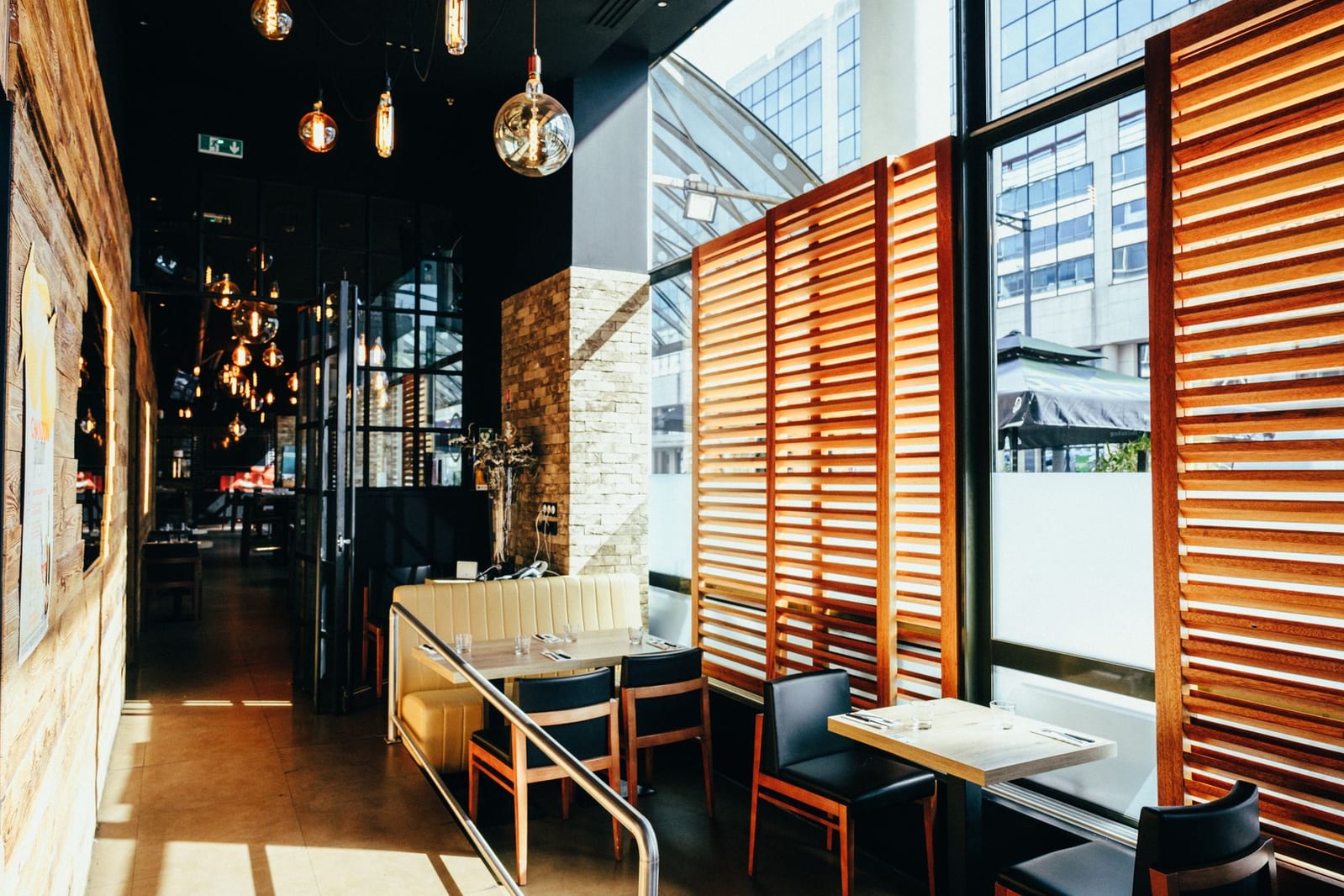
Williamsburg's DOHMH inspection count runs far higher than a similarly sized residential neighborhood like Park Slope or Brooklyn Heights, and the reason isn't hidden — it's restaurant, bar and nightlife density. Every food-service establishment along Bedford Avenue and the waterfront corridor gets its own routine inspection cycle independent of any residential complaint, which pushes the neighborhood's total inspection count up even in years when actual rat pressure hasn't changed. The fail rate that comes back, once you account for that, tracks closer to a moderate residential neighborhood than the raw inspection count would suggest on its own, which is worth knowing before assuming the worst from the headline number alone.
The building stock explains where the real pest pressure sits. Williamsburg's converted industrial lofts and warehouse-to-residential conversions carry legacy infrastructure from their commercial past — old freight elevator shafts, oversized utility penetrations, and basement space that was never designed as living space and was never sealed to residential standard. Rodents that established themselves in a building's commercial-era basement decades ago don't leave just because the upper floors got renovated into loft apartments; they use the same utility chases and old floor drains the building has always had, now running behind exposed brick and stainless kitchens instead of warehouse racking and loading pallets.
New-construction glass condo buildings along the waterfront sit in sharp contrast to those converted lofts. Modern concrete-and-glass construction has minimal void space and sealed utility penetrations by comparison, so rodent and cockroach pressure inside a genuinely new building tends to be lower — the risk there is almost entirely at the ground floor, where loading docks, trash rooms and adjacent older buildings introduce pests that a new structure's own design wouldn't otherwise invite. A five-year-old Williamsburg high-rise and a converted 1920s warehouse two blocks away can have almost opposite pest profiles despite serving the same waterfront rental market and the same price bracket.
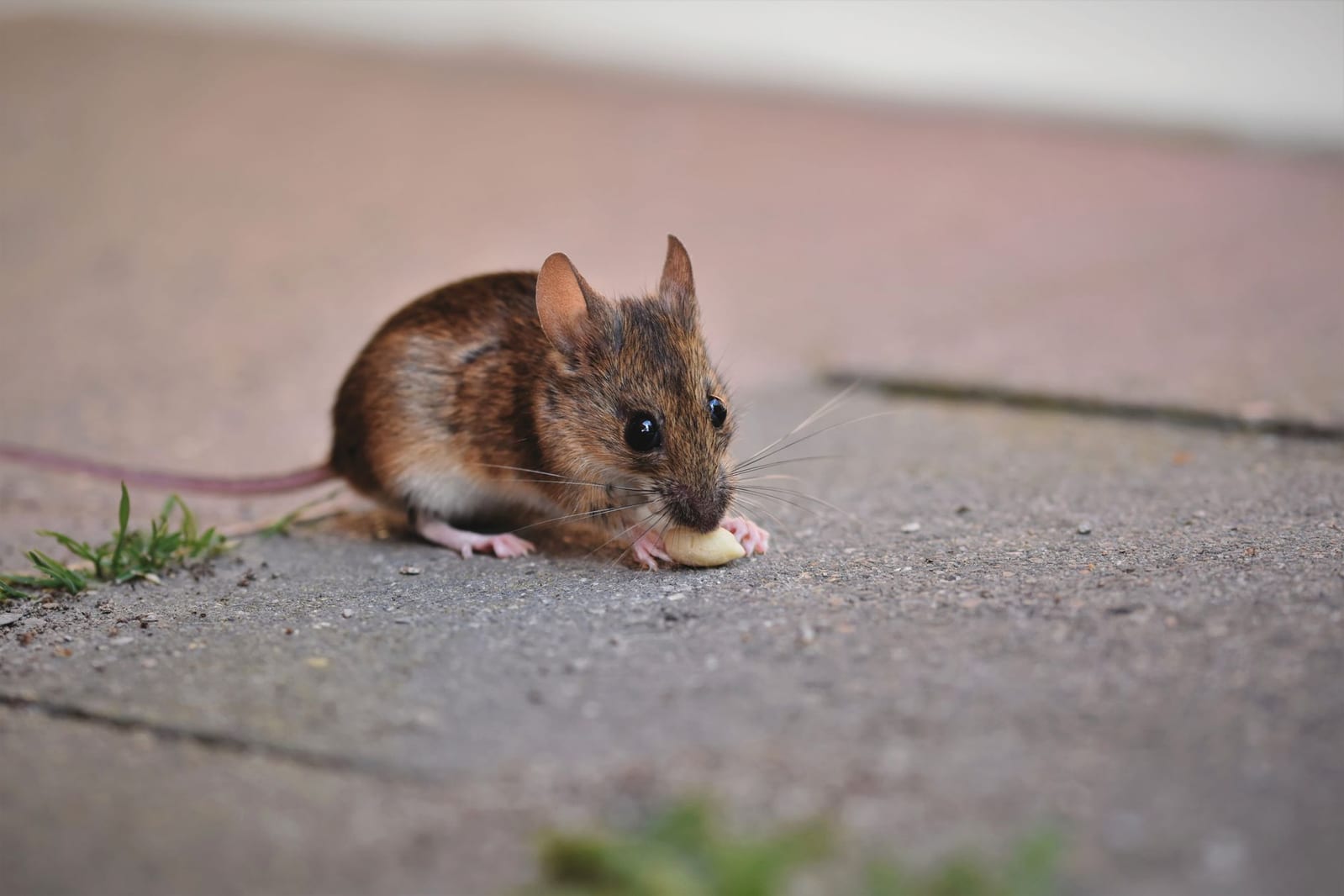
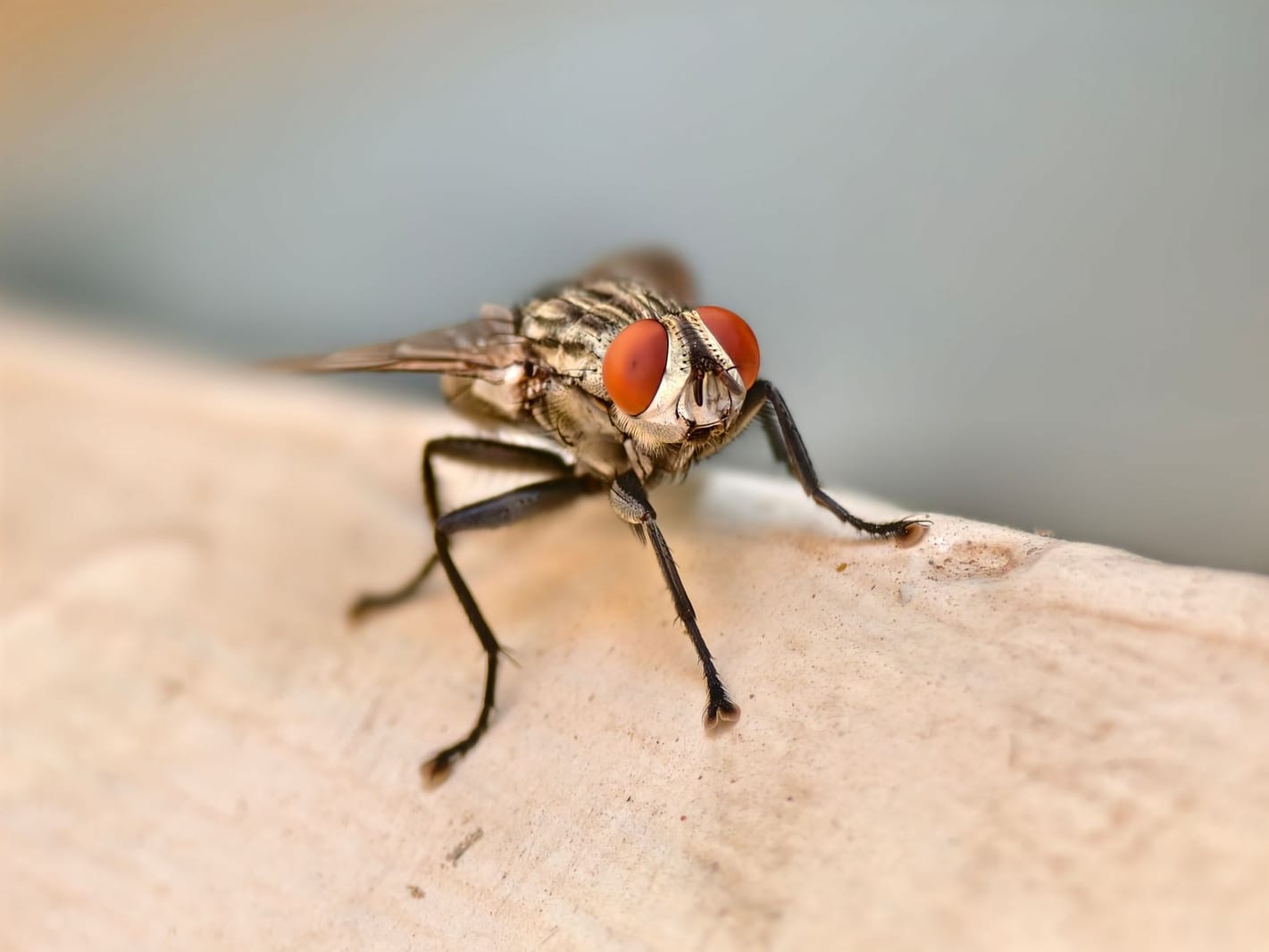
Bedford Avenue and the bar-and-restaurant strip near the waterfront sustain some of the heaviest fly and rodent pressure in the neighborhood, driven by the sheer density of commercial kitchens, dumpsters and late-night foot traffic packed into a few square blocks around Domino Park and the surrounding corridor. That commercial density pushes outward into the surrounding residential blocks, particularly ground-floor and garden apartments closest to Bedford Avenue itself, where rodent activity tracks the restaurant corridor's trash and delivery schedule more closely than it tracks the individual building's own age or renovation history — a five-year-old gut renovation two doors from a bar row still inherits that block's pest pressure.
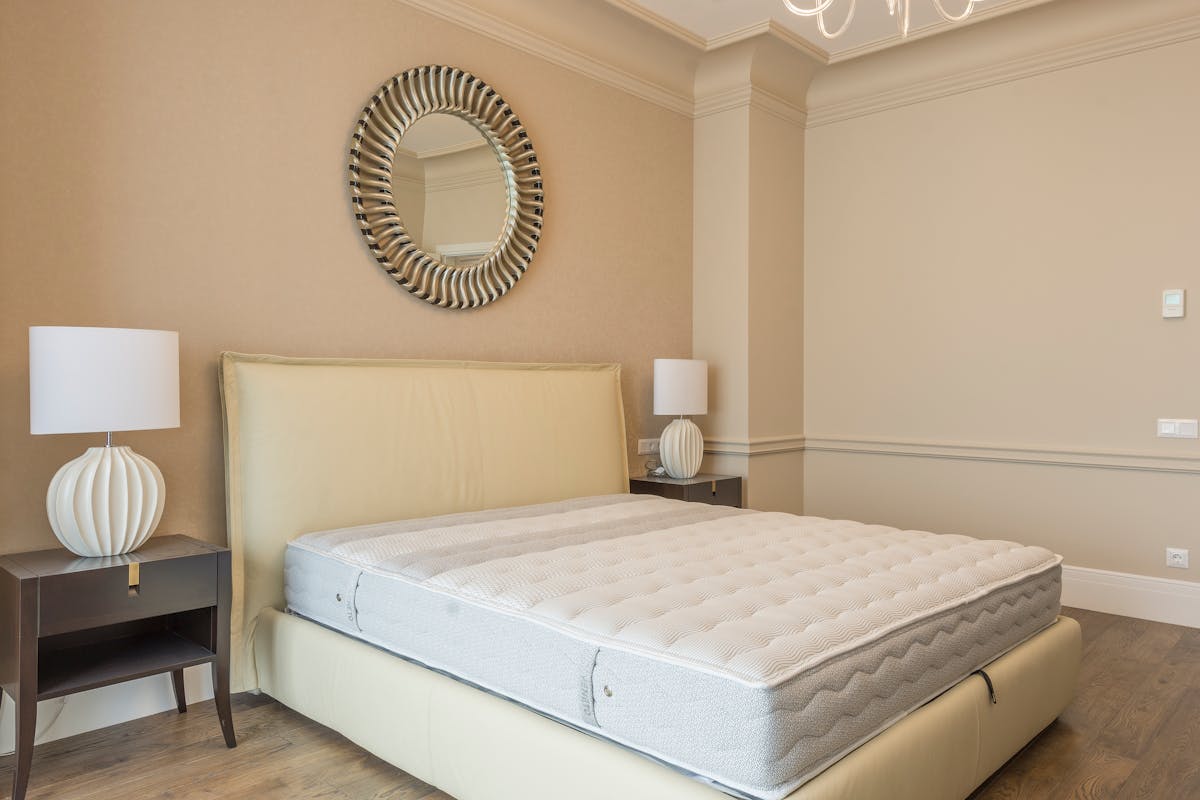
Bed bug pressure here is largely a function of turnover, not construction age. Williamsburg has one of the borough's highest concentrations of short-term rentals, furnished sublets and high-turnover leases near McCarren Park and the waterfront, and every incoming tenant, subletter or short-term guest is a fresh introduction risk regardless of how new or old the building is. A converted loft with a dozen units cycling through short-term occupants spreads an infestation between units faster than a stable, owner-occupied brownstone block ever would, because there's rarely enough time between occupants for anyone to notice a problem before the next person moves in and it starts again.
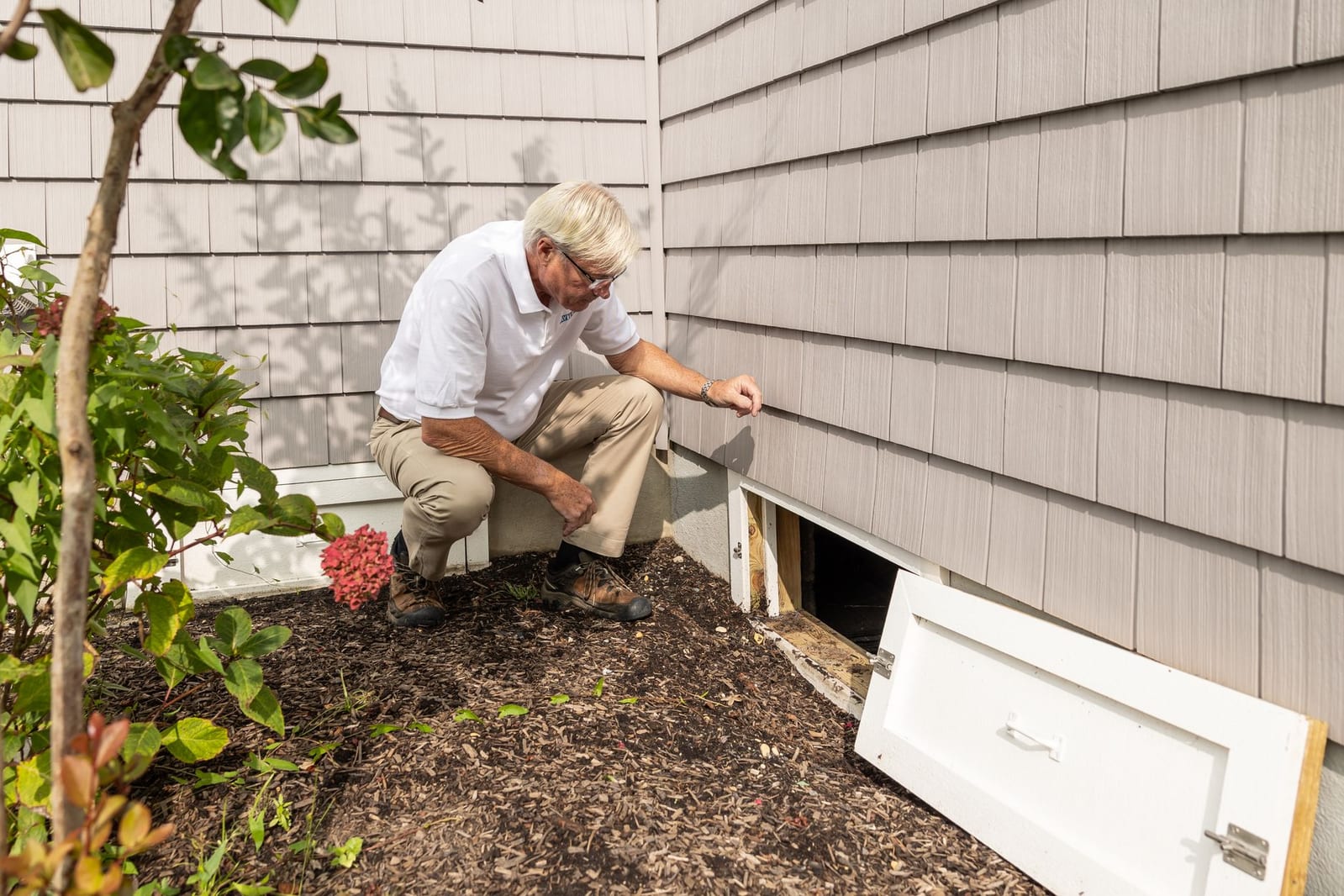
Treating a Williamsburg building well means starting with which era of the structure you're actually in. In a converted loft, the first stop is the old commercial infrastructure — freight shafts, oversized pipe chases, basement drains — because that's where a decades-old rodent population still lives. In a new-construction condo, the first stop is the ground floor and loading area, because that's the only place the building's own design doesn't already exclude pests. And in any building with regular short-term turnover, bed bug monitoring needs to run on a schedule, not wait for a tenant complaint that may come too late to stop it spreading.
What the city's own data says about Williamsburg
Residents of Williamsburg filed 693 rodent complaints with NYC 311 in the July 2025 – July 2026 period — the 7th highest of the 21 neighborhoods we cover. Over the same window the Health Department carried out 7,551 rodent inspections in these ZIP codes, and 24.2% of them failed for active rat activity (1,827 inspections).
Bed bugs are tracked separately. Under Local Law 69 of 2017, every multiple-dwelling owner in the city files an annual bed bug report with HPD. Across every filing covering Williamsburg's ZIP codes, 904 dwelling units were reported infested out of 954,238 — an infestation rate of 0.09%, the 21st highest of the 21 neighborhoods we cover.
We publish the citywide version of this analysis, ranked by borough and ZIP code, in our rattiest NYC neighborhoods report — free to cite, quote or embed.
A complaint count measures where rats get reported, not where they all live — a block that calls 311 is not necessarily worse off than a block that has given up on calling. The inspection failure rate is the harder number: it is what a city inspector actually found on site. The bed bug rate is a landlord's own filing, so it understates buildings that never filed. Source: NYC Open Data — NYC 311 Service Requests + DOHMH Rodent Inspection + HPD Bedbug Reporting (NYC Open Data). Retrieved 2026-07-10.
Common pests in Williamsburg
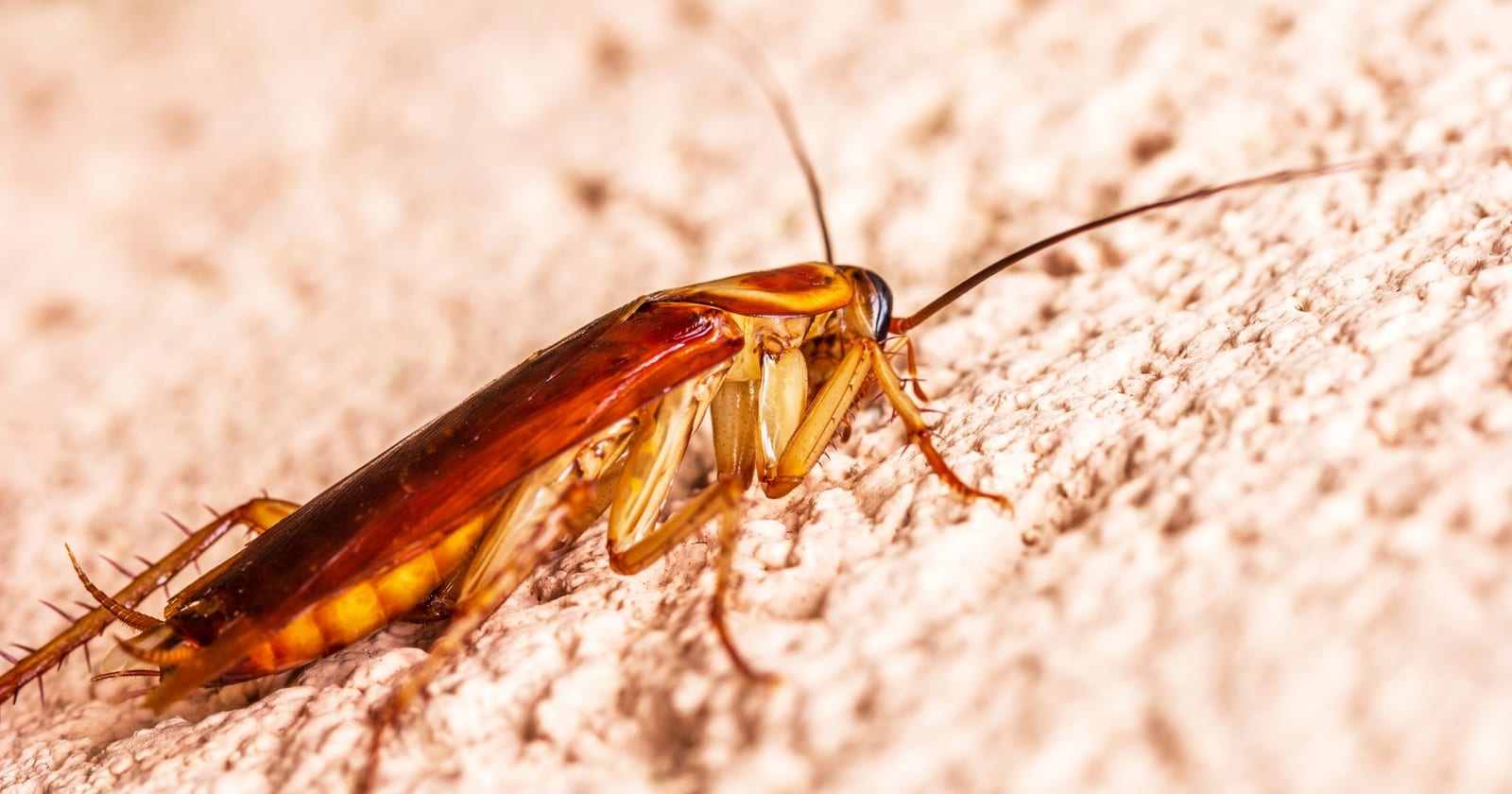
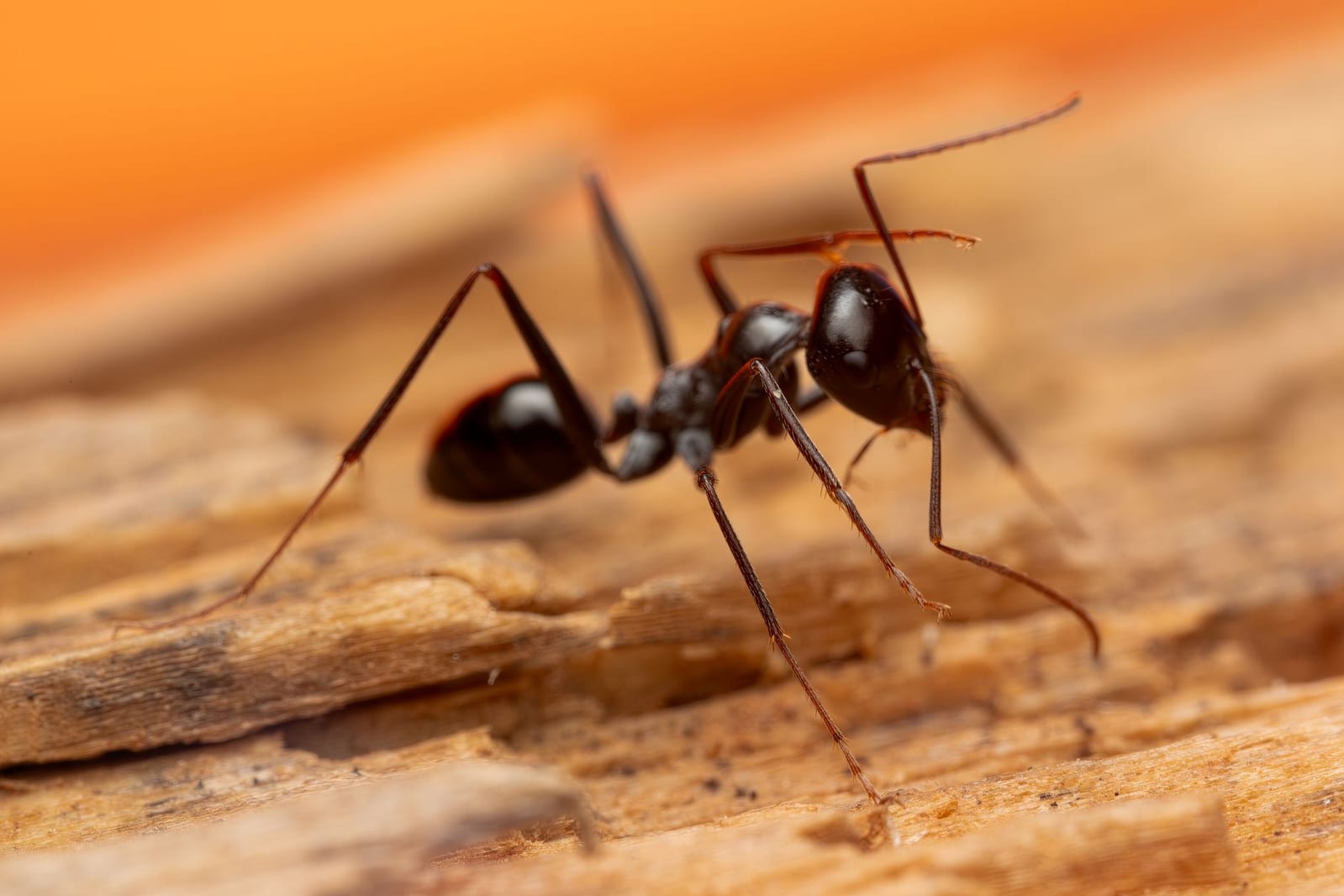
The issues we treat most here: rodents, cockroaches, bed bugs, flies. We serve Bedford Avenue, Williamsburg Bridge, Domino Park, McCarren Park and the wider area across ZIPs 11211, 11206, 11249.