Pest control built for Riverdale
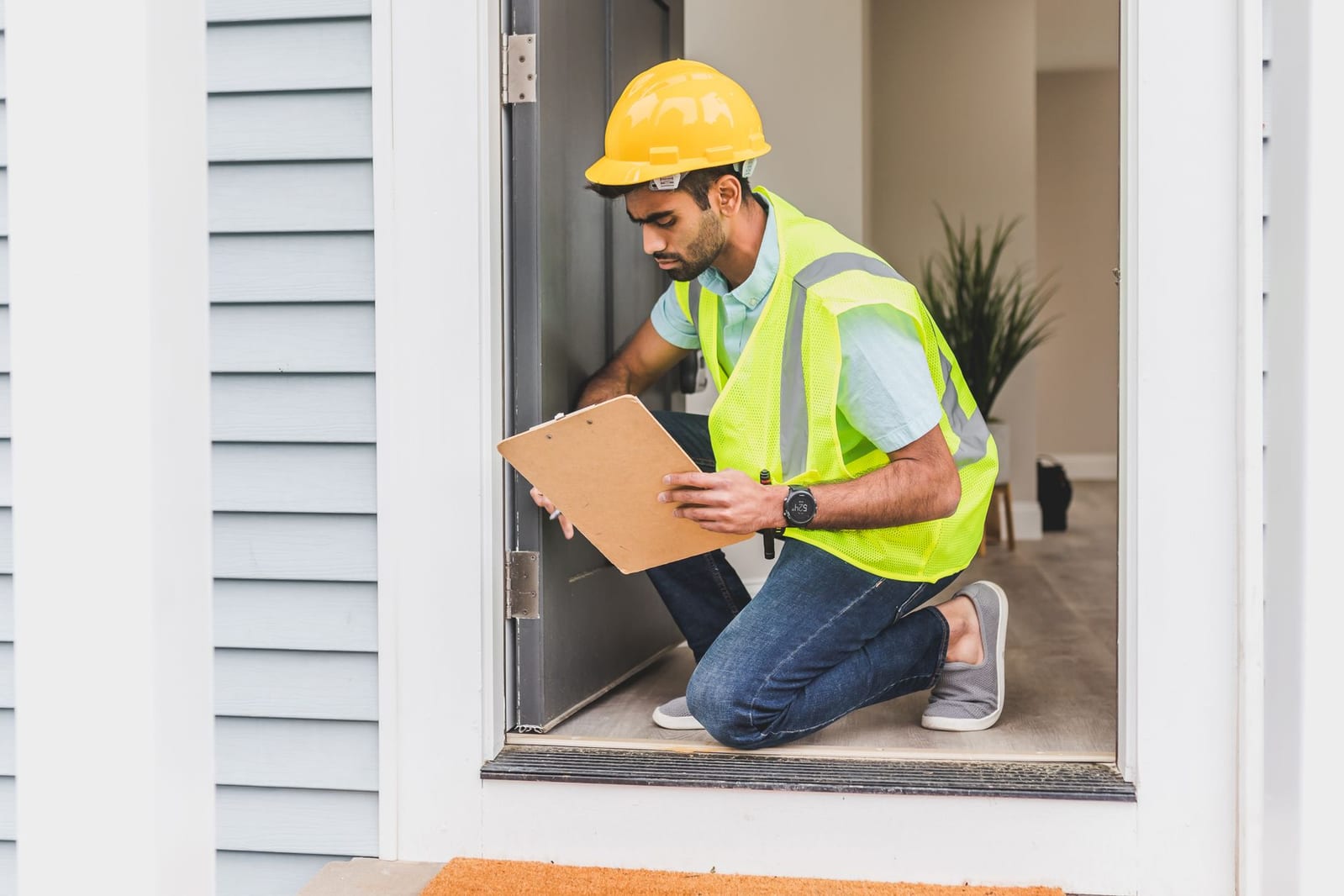
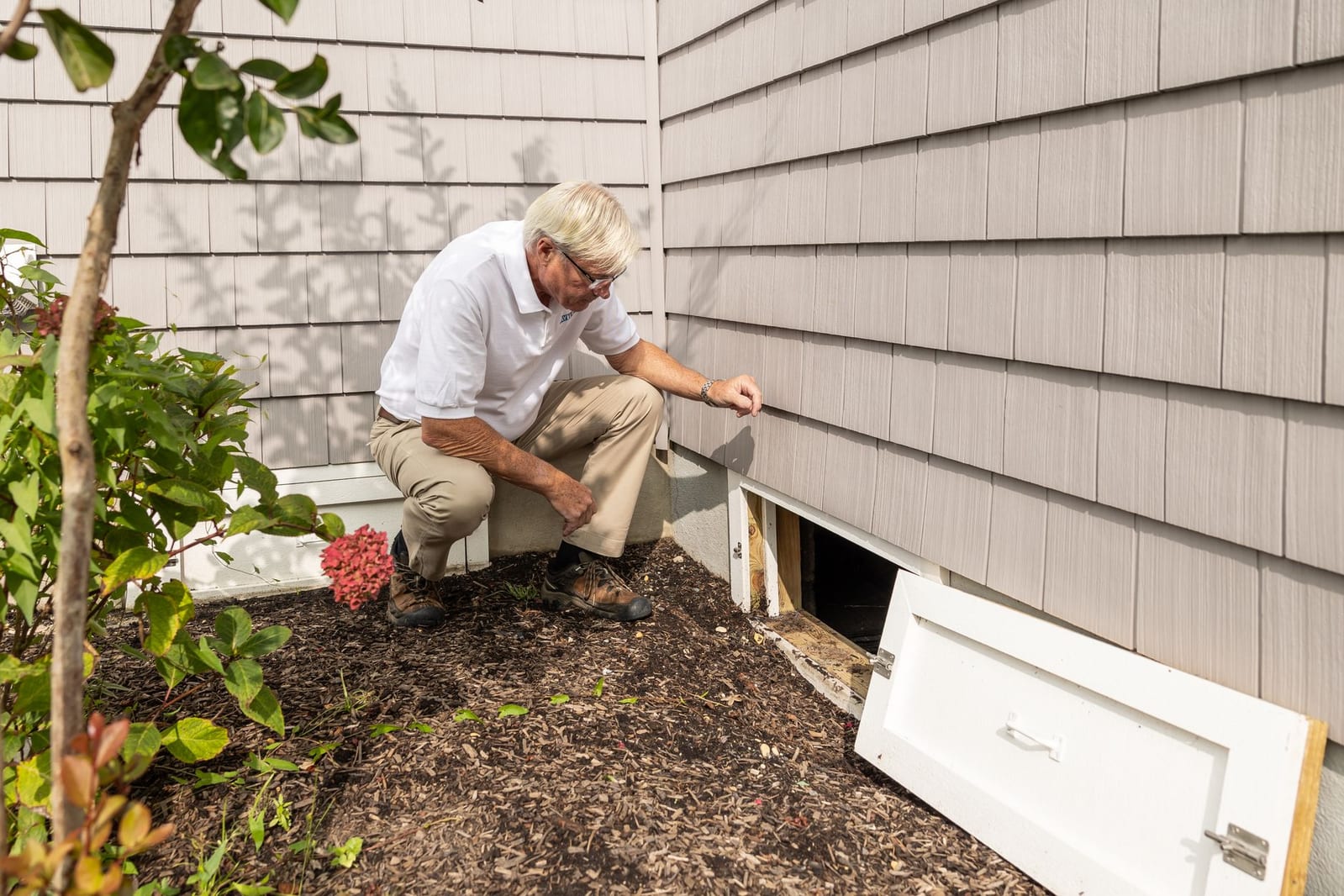
Riverdale is the Bronx neighborhood where a licensed exterminator has to explain, more than anywhere else in the borough, why a leafy, low-density block full of detached homes on Fieldston Road can carry a rat-inspection failure rate that rivals the densest South Bronx corridors. The answer sits in the terrain: the wooded hillside above the Hudson River, the private estates around Wave Hill, and the mature gardens that make Riverdale desirable are the same features that give Norway rats uninterrupted harborage — stone retaining walls, ivy-covered slopes, compost piles, and crawl spaces under century-old foundations that a flat urban block simply doesn't offer. A licensed inspector working this stretch needs to check the base of every retaining wall on the property, not just the foundation line facing the street.
That distinction matters when reading the inspection numbers: a high failure rate measures how many of the inspections that were actually performed came back flagged for rat activity, not how many rats live on a given block relative to a denser neighborhood. Riverdale gets fewer 311 complaints in absolute terms than the South Bronx, but when city inspectors do check a property here — often a garden apartment complex or an estate abutting Wave Hill's grounds — they find active burrowing at a rate matched by very few other neighborhoods in the network's coverage area. Low density does not mean low harborage quality; if anything, it means the opposite. This is a case where the raw complaint count understates the real problem, and a property owner shouldn't take a quiet 311 history as proof the block is clean.
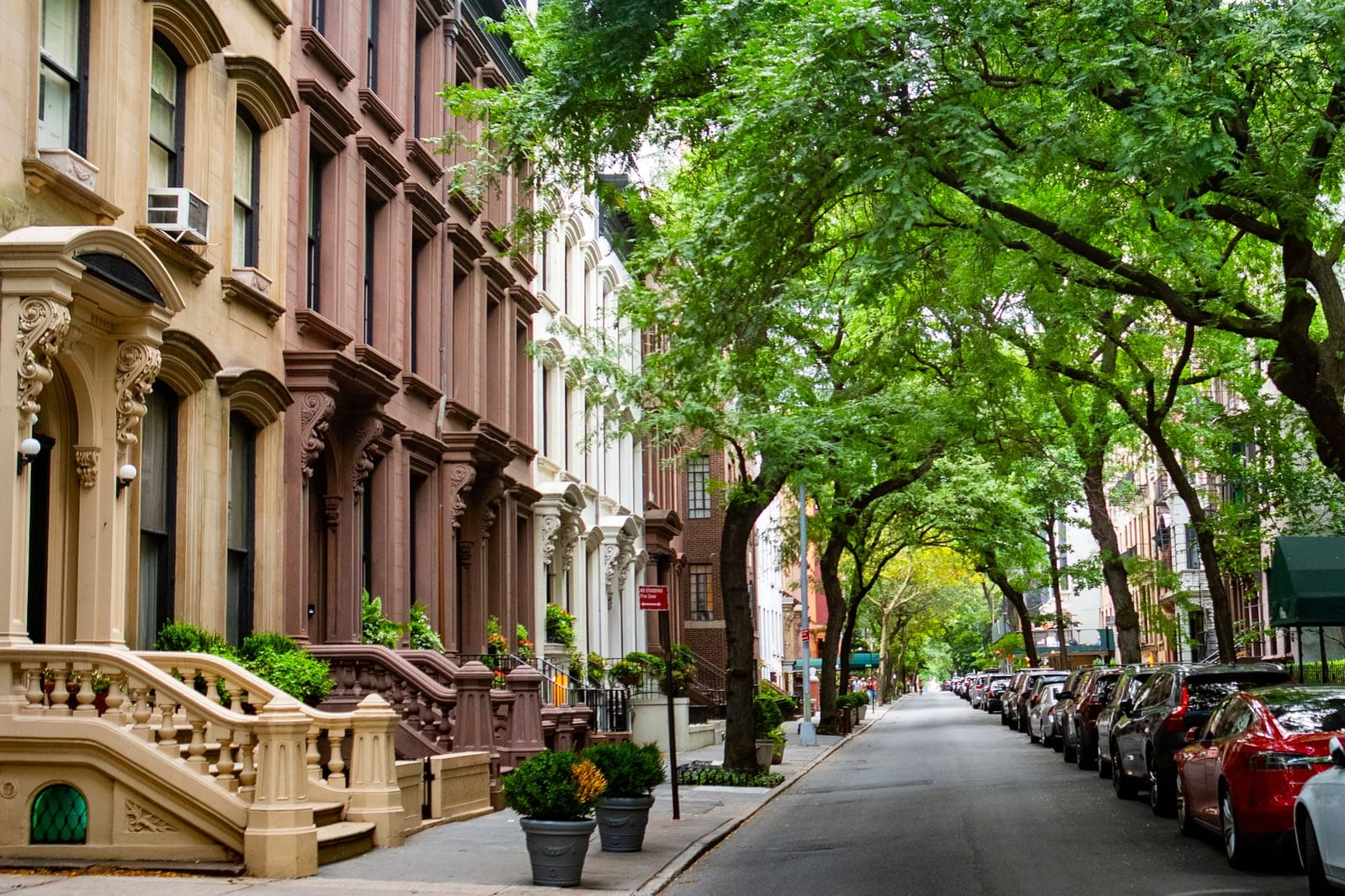
The building stock splits the pest picture in two. Detached homes and private estates set back from Riverdale Avenue have crawl spaces, garden beds, and retaining walls that give rats a place to dig undisturbed for months before anyone notices a burrow. The mid-rise and garden apartment buildings closer to the Henry Hudson Parkway corridor have a more conventional urban profile — shared basements, utility chases, and courtyard landscaping that channels rat activity between units the way it would in any dense Bronx apartment block. A single Riverdale service call can mean either an estate-scale exclusion job or a standard multi-unit basement job, and the two require completely different equipment.
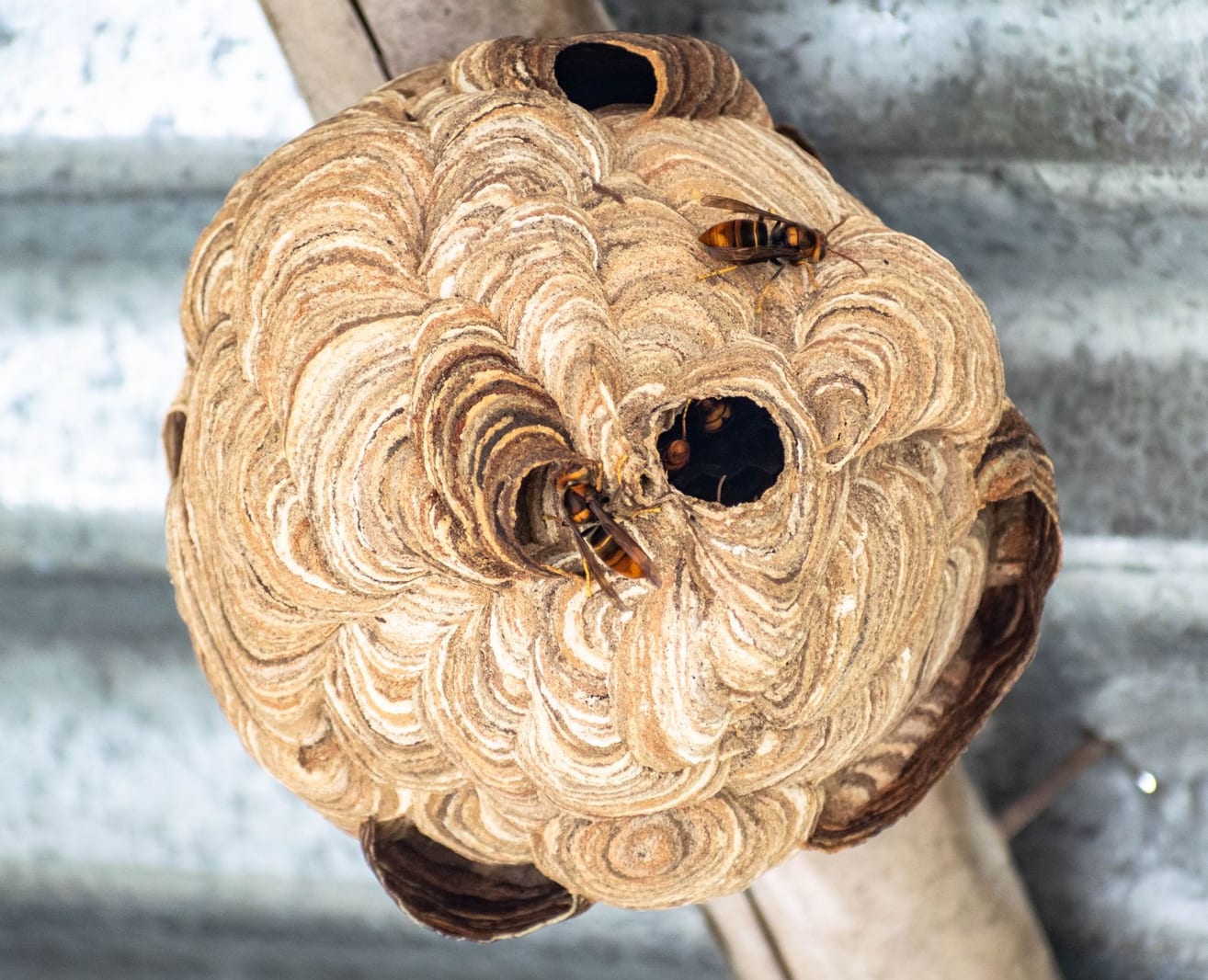
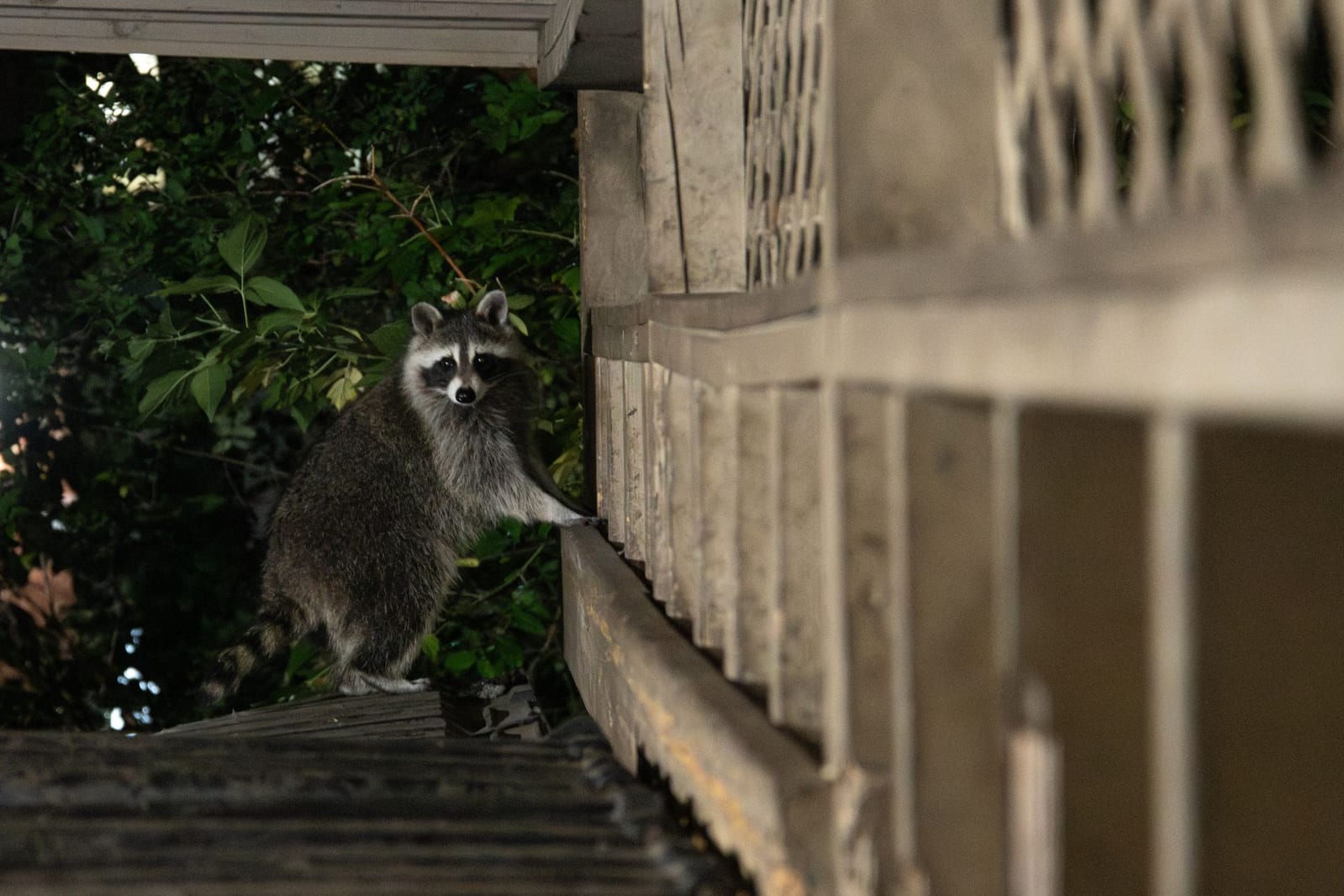
Wave Hill's cultivated gardens and the wooded public land along the Hudson River slope are a genuine wildlife draw, not just a rat harborage issue. Squirrels enter attics through fascia gaps on the older frame houses, raccoons work chimneys and crawl spaces on properties backing onto undeveloped hillside, and the tree canopy along the Henry Hudson Parkway sustains enough insect and small-mammal activity that stinging-insect nests and tick exposure are both real seasonal concerns for homeowners here — closer to what a Westchester property owner deals with than a typical Bronx resident. Homeowners who trim tree canopy back from the roofline by at least four to five feet cut squirrel and raccoon access dramatically, a simple step many Riverdale properties skip.
Seasonality in Riverdale runs on the suburban calendar more than the urban one. Squirrels have two breeding windows — January to February and again in June to July — and attic exclusion work timed between those windows avoids trapping young animals inside a sealed structure. October and November bring the annual entry push as mice and the occasional rat look for a warm way into a stone foundation or crawl space ahead of the cold, and the steep, wooded terrain means gutter and roofline inspection matters more here than almost anywhere else in the borough. Ignoring the breeding calendar and sealing entry points mid-season is the single most common mistake made on Riverdale wildlife jobs.
Riverdale Avenue's commercial strip is the exception to the estate-and-garden pattern — the shops and apartment buildings along the avenue face rodent and cockroach pressure driven by shared utility systems and food-service waste, the same driver you'd find on Fordham Road, just at a smaller scale. Properties directly on the avenue need the standard urban treatment: basement inspection, gap sealing at pipe penetrations, and bait placement along foundation walls. A block away, on the private, tree-lined streets, the job looks completely different — exclusion-first wildlife work and burrow mapping across a much larger, harder-to-access property line. Mixing the two approaches on the same property — treating the retail frontage like the estate behind it — is a common and costly misdiagnosis.
What the city's own data says about Riverdale
Residents of Riverdale filed 365 rodent complaints with NYC 311 in the July 2025 – July 2026 period — the 10th highest of the 21 neighborhoods we cover. Over the same window the Health Department carried out 832 rodent inspections in these ZIP codes, and 34% of them failed for active rat activity (283 inspections).
Bed bugs are tracked separately. Under Local Law 69 of 2017, every multiple-dwelling owner in the city files an annual bed bug report with HPD. Across every filing covering Riverdale's ZIP codes, 752 dwelling units were reported infested out of 269,629 — an infestation rate of 0.28%, the 15th highest of the 21 neighborhoods we cover.
We publish the citywide version of this analysis, ranked by borough and ZIP code, in our rattiest NYC neighborhoods report — free to cite, quote or embed.
A complaint count measures where rats get reported, not where they all live — a block that calls 311 is not necessarily worse off than a block that has given up on calling. The inspection failure rate is the harder number: it is what a city inspector actually found on site. The bed bug rate is a landlord's own filing, so it understates buildings that never filed. Source: NYC Open Data — NYC 311 Service Requests + DOHMH Rodent Inspection + HPD Bedbug Reporting (NYC Open Data). Retrieved 2026-07-10.
Common pests in Riverdale
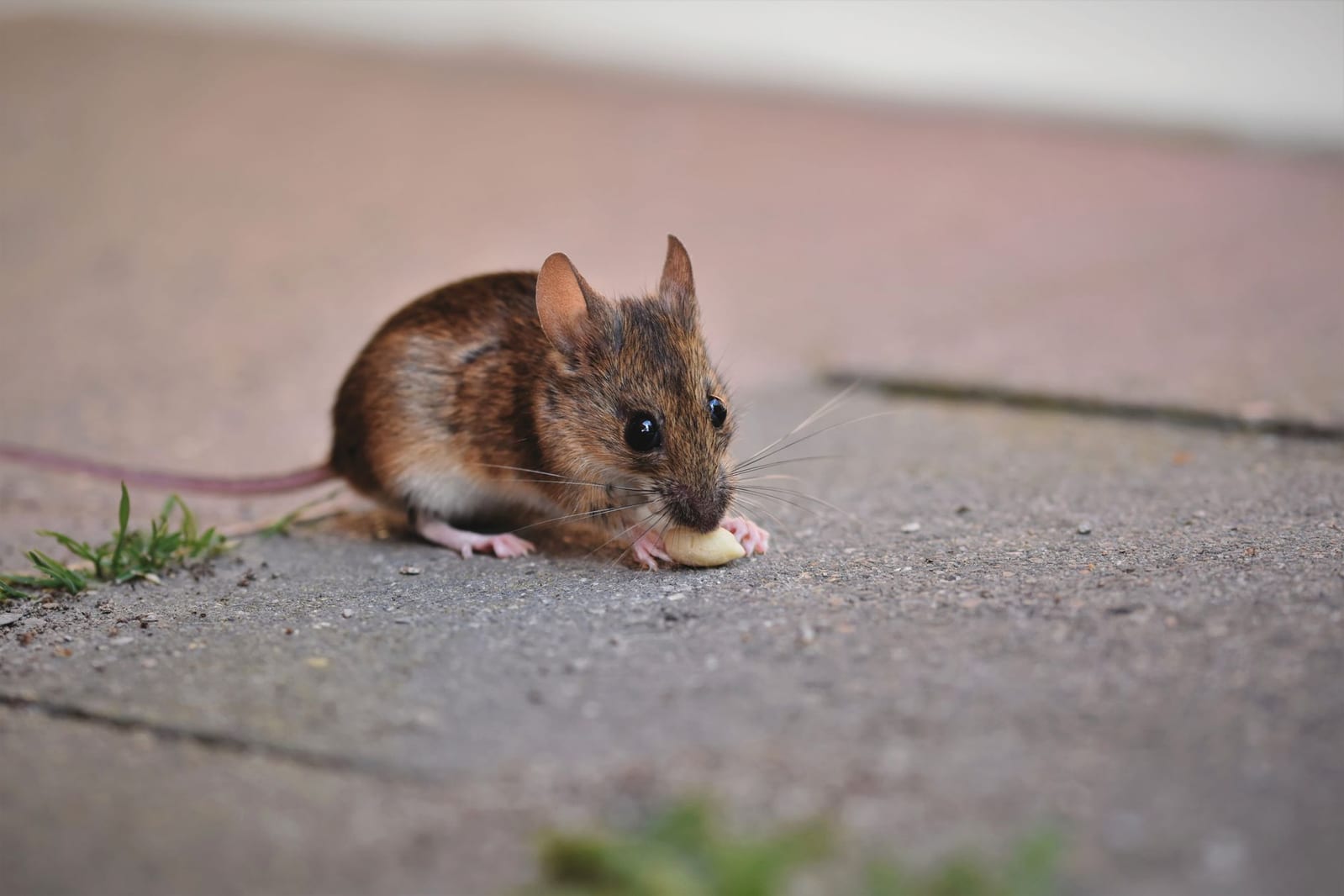
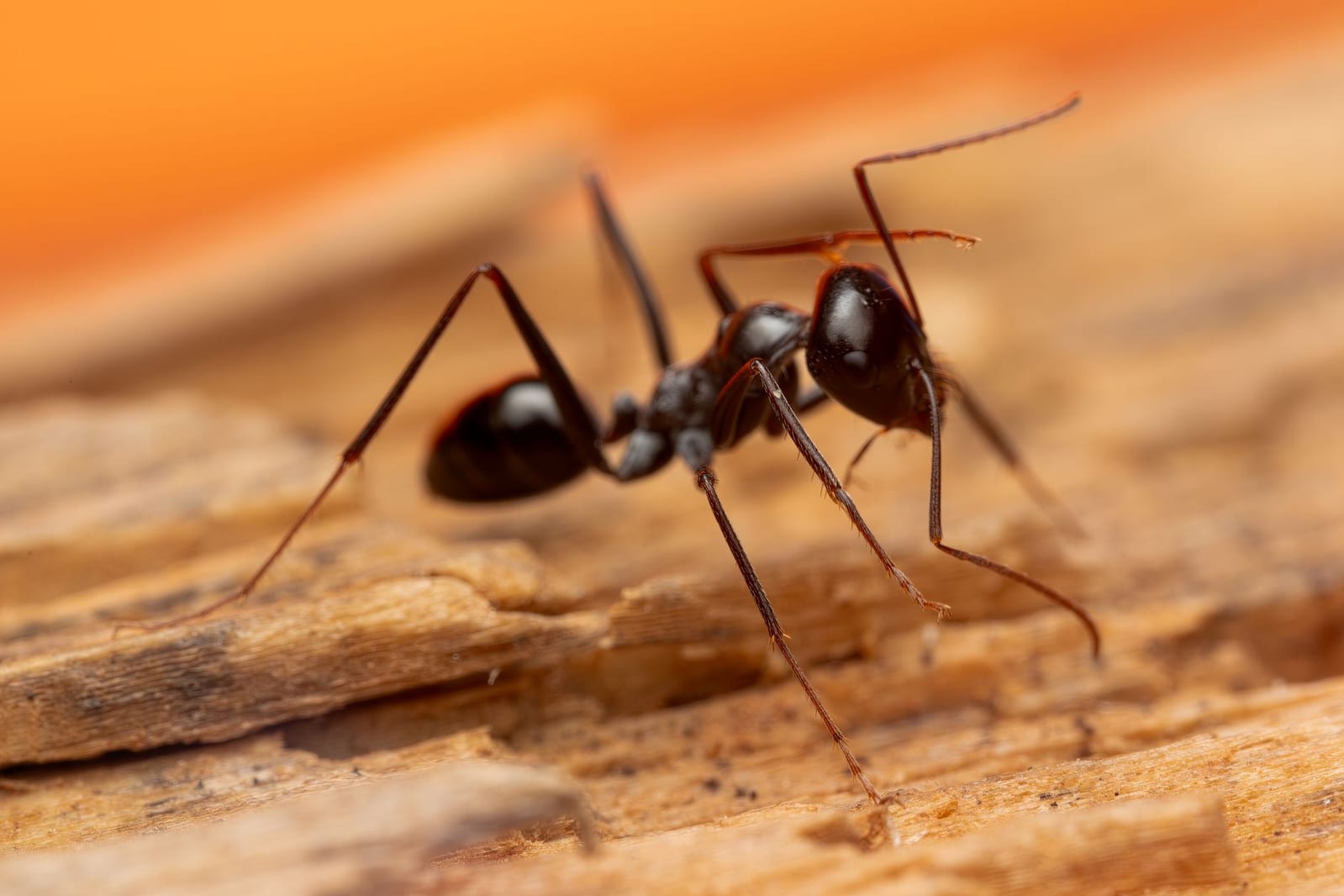
The issues we treat most here: rodents, ants, stinging insects, wildlife. We serve Hudson River, Wave Hill, Henry Hudson Parkway, Fieldston Road, Riverdale Avenue and the wider area across ZIPs 10463, 10471.