Pest control built for Jackson Heights
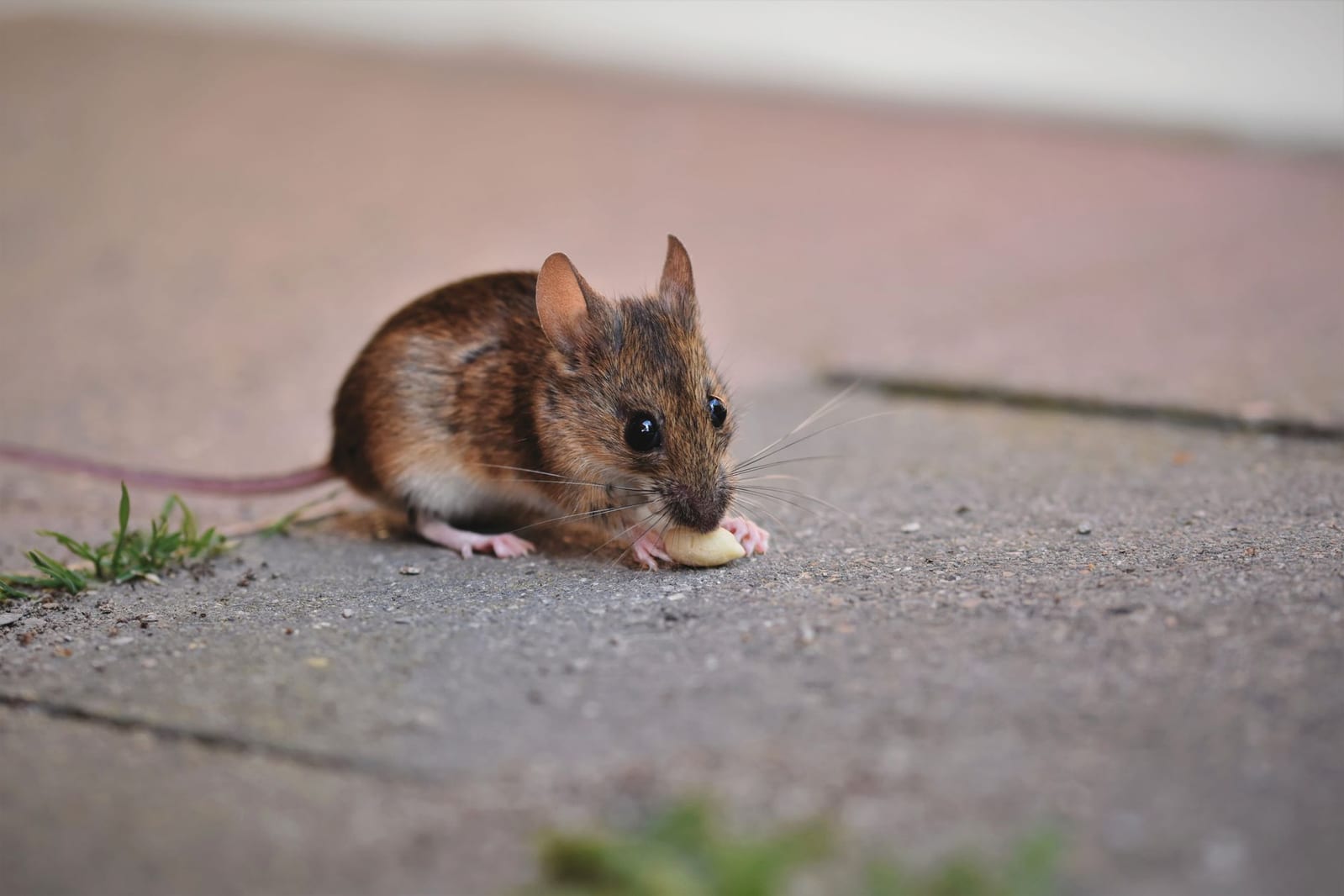
Jackson Heights carries a DOHMH inspection failure rate for rat activity that runs higher than Astoria's, notable because the raw 311 complaint volume here ranks toward the lower half of the 21 neighborhoods we track. A high failure rate against a comparatively modest complaint volume tells me something specific: when inspectors do get called into these buildings, they're finding active rat problems more often than the complaint volume alone would predict, which points to a building stock issue rather than a reporting one. The garden-apartment courtyards that make this neighborhood architecturally distinct are also where a lot of that activity concentrates. That's a meaningfully different diagnostic than a neighborhood with a high complaint count and a low failure rate, where the issue is more about volume of calls than severity of what inspectors actually find.
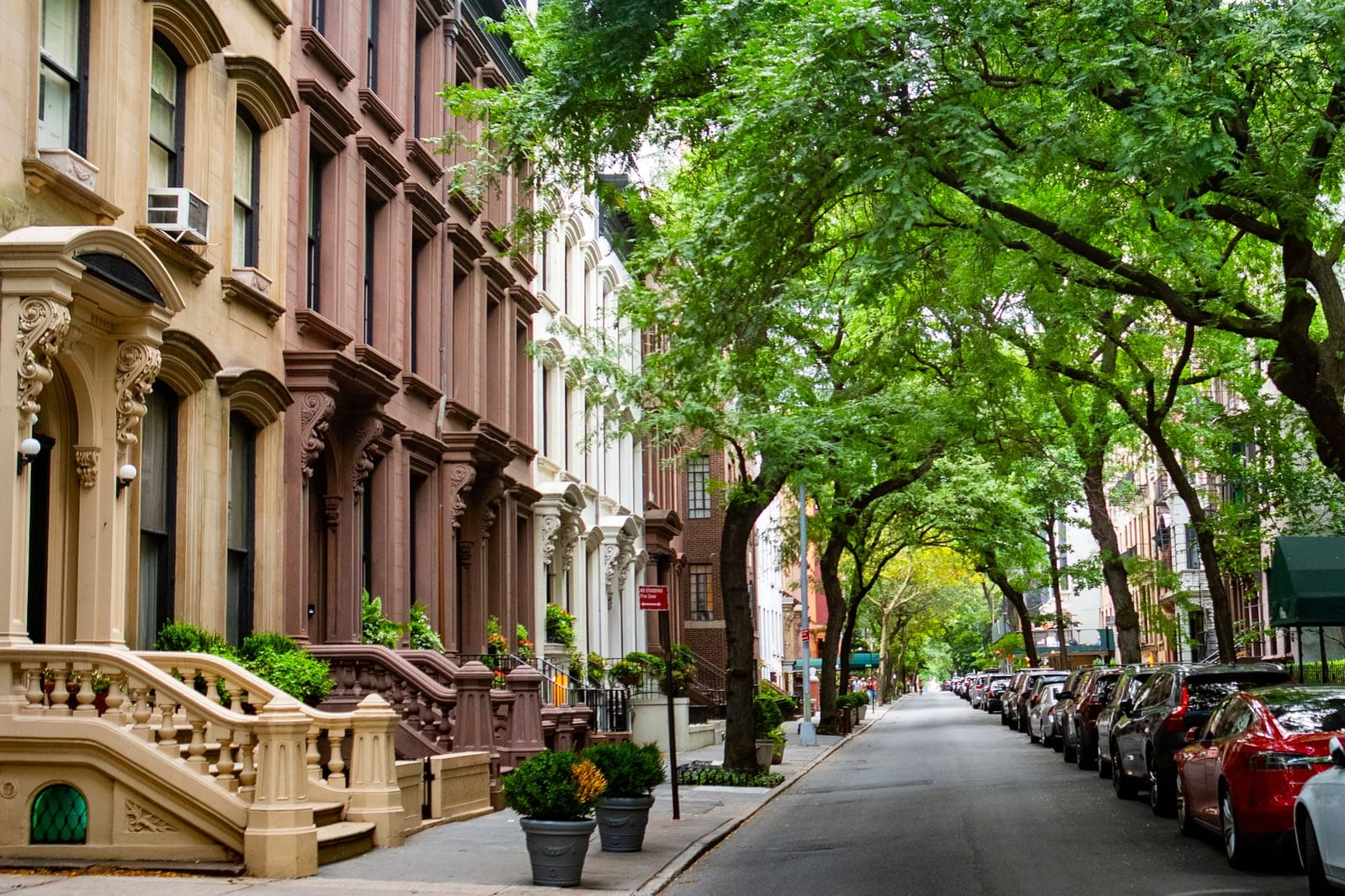
The historic garden-apartment district is Jackson Heights' defining building type: pre-war co-ops built around shared interior courtyards, with common basements, service stairs and aging risers connecting every unit in the complex. Those courtyards are handsome, but they're also semi-enclosed harborage — leaf litter, gaps under the perimeter fencing, and utility access points that give rats and mice a route from the courtyard into the building's shared basement, and from there into any apartment with a gap under the kitchen sink or around a radiator pipe. A single untreated corner of a courtyard can seed every wing of the co-op that surrounds it. I generally recommend a courtyard-wide inspection before quoting a single-apartment job in these buildings, because the harborage driving the complaint rarely originates inside the unit that called.
The elevated 7 train structure running the length of Roosevelt Avenue creates sheltered rat habitat in the steel understructure that a street-level building doesn't have to contend with — void spaces, drainage points and undisturbed shade year-round. Restaurants and markets packed under and around the elevated line add the food waste that keeps that population active, and buildings within a block or two of Roosevelt Avenue see meaningfully more rat pressure than blocks further into the residential courtyards, simply from that proximity. This is structural, borough-infrastructure-driven pressure that no amount of individual building sealing fully resolves — it's why I recommend exclusion first, then sustained baiting, for anything this close to the line.
Jackson Heights is one of the most linguistically diverse neighborhoods anywhere, and Spanish — spoken by Colombian, Mexican, Ecuadorian and Guatemalan residents in particular — functions as the primary language for pest control conversations in a large share of this neighborhood's households, not a secondary option. A tenant notice, a treatment consent form, or a bed bug disclosure that only exists in English is genuinely unusable for a meaningful share of residents here, and a building-wide bed bug or cockroach treatment that skips units because the notice wasn't understood fails within weeks, the same way it does anywhere a shared wall is involved. I always ask a building's co-op board or super, not just the individual tenant, what language the household actually needs before I schedule a job here, because guessing wrong costs a full treatment cycle.
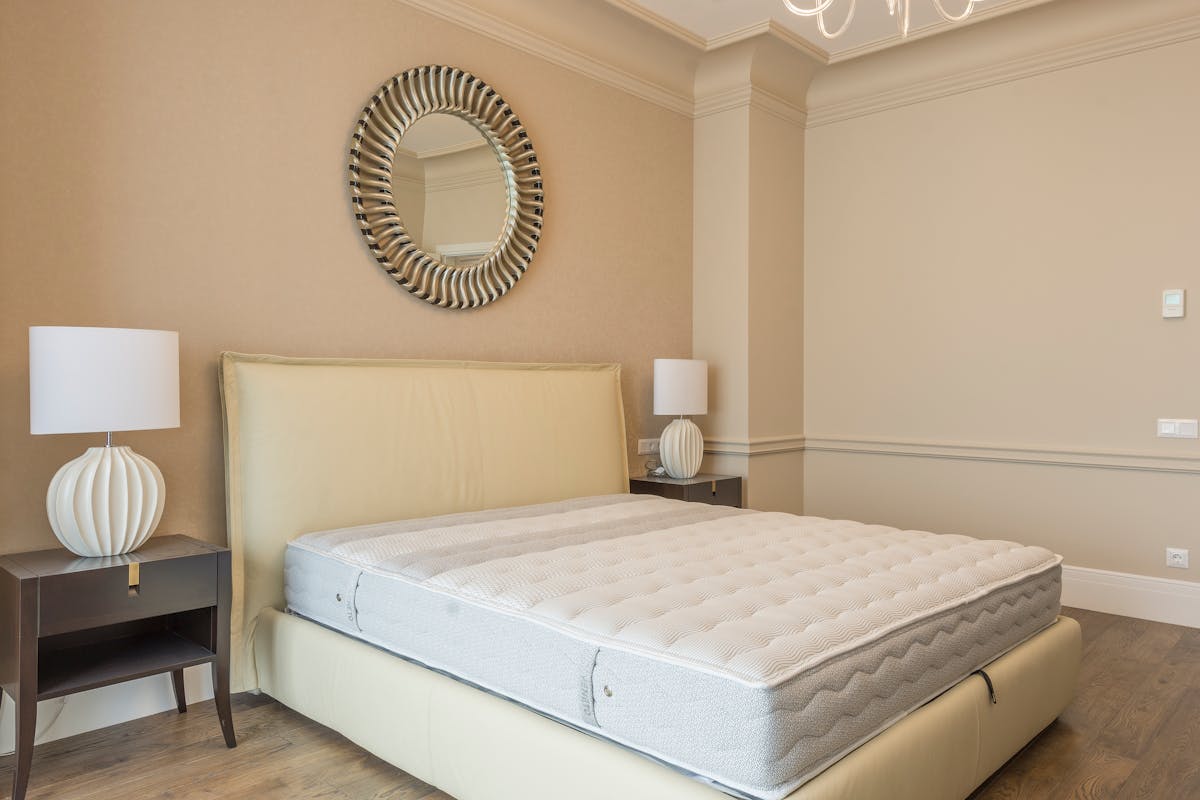
High residential density and steady tenant turnover in the co-ops keep bed bugs a live, recurring concern here rather than an occasional event — a new tenant moving furniture in, a departing tenant leaving items at the curb, and constant use of shared laundry rooms across the complex all create the transmission paths dense apartment living relies on. The courtyard buildings' shared basements and connected wall voids mean a bed bug problem in one line of apartments rarely stays contained to that line for long, and I've seen a single unaddressed unit reinfest an entire recently-treated wing within a couple of months. Shared laundry rooms in particular deserve more attention than they usually get in these buildings — a resident washing items from an infested apartment can seed the machines for the next tenant in line within a single cycle.
Mosquito control demand around Jackson Heights runs higher than in less green parts of Queens, driven by the neighborhood's shaded courtyards and street trees holding standing water after rain. It's a modest but genuine seasonal call, mainly June through August, and it's almost always tied to a specific standing-water source on the property — a clogged courtyard drain, a neglected planter — rather than a neighborhood-wide condition, which makes it one of the more straightforward fixes I handle in this part of Queens. Property managers here should budget for that seasonal call every summer rather than treating it as a one-off nuisance, since the same courtyard drainage issue tends to recur year after year without a permanent fix.
What the city's own data says about Jackson Heights
Residents of Jackson Heights filed 131 rodent complaints with NYC 311 in the July 2025 – July 2026 period — the 16th highest of the 21 neighborhoods we cover. Over the same window the Health Department carried out 559 rodent inspections in these ZIP codes, and 30.1% of them failed for active rat activity (168 inspections).
Bed bugs are tracked separately. Under Local Law 69 of 2017, every multiple-dwelling owner in the city files an annual bed bug report with HPD. Across every filing covering Jackson Heights's ZIP codes, 1,040 dwelling units were reported infested out of 162,098 — an infestation rate of 0.64%, the 4th highest of the 21 neighborhoods we cover.
We publish the citywide version of this analysis, ranked by borough and ZIP code, in our rattiest NYC neighborhoods report — free to cite, quote or embed.
A complaint count measures where rats get reported, not where they all live — a block that calls 311 is not necessarily worse off than a block that has given up on calling. The inspection failure rate is the harder number: it is what a city inspector actually found on site. The bed bug rate is a landlord's own filing, so it understates buildings that never filed. Source: NYC Open Data — NYC 311 Service Requests + DOHMH Rodent Inspection + HPD Bedbug Reporting (NYC Open Data). Retrieved 2026-07-10.
Common pests in Jackson Heights
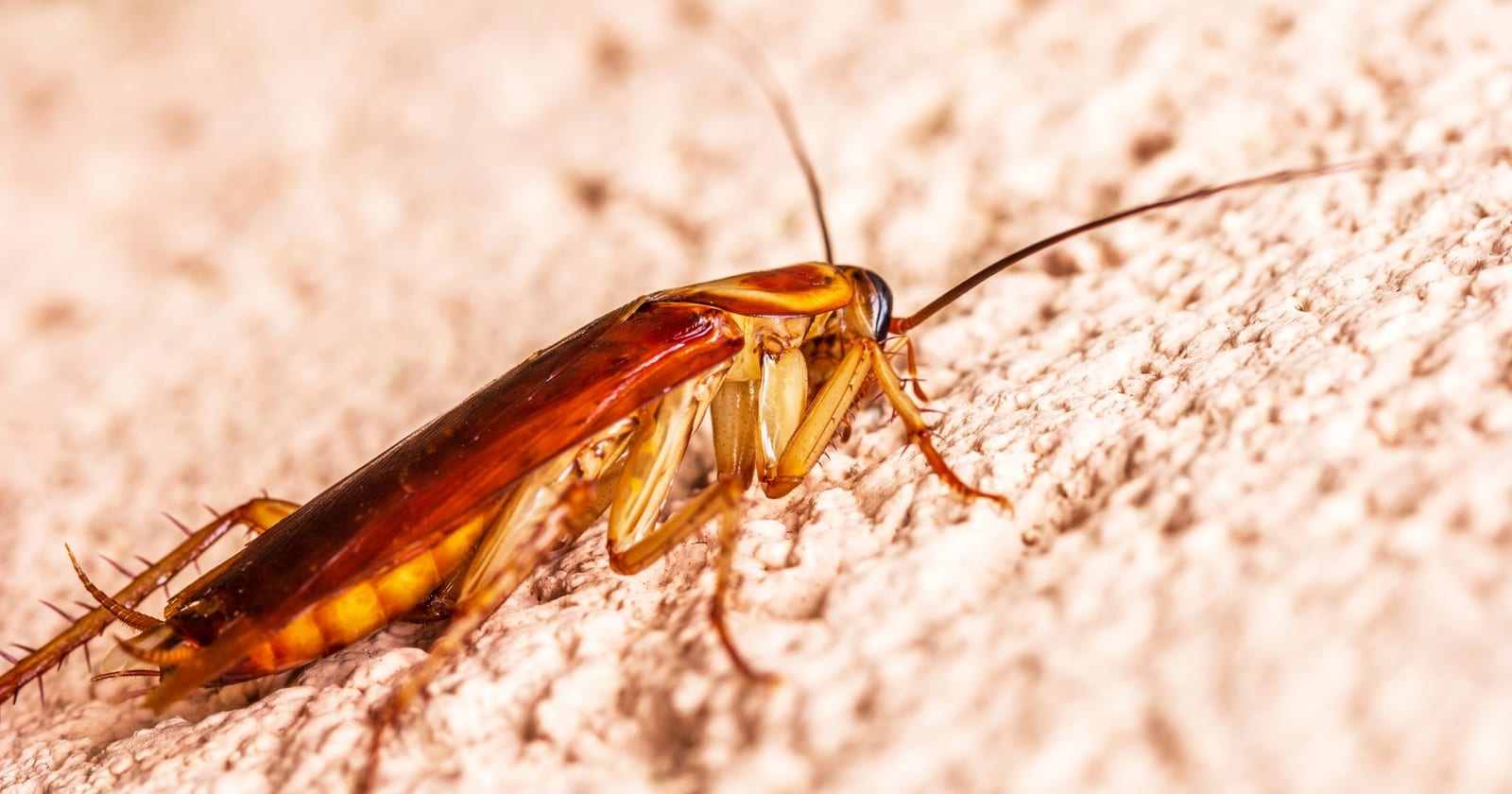
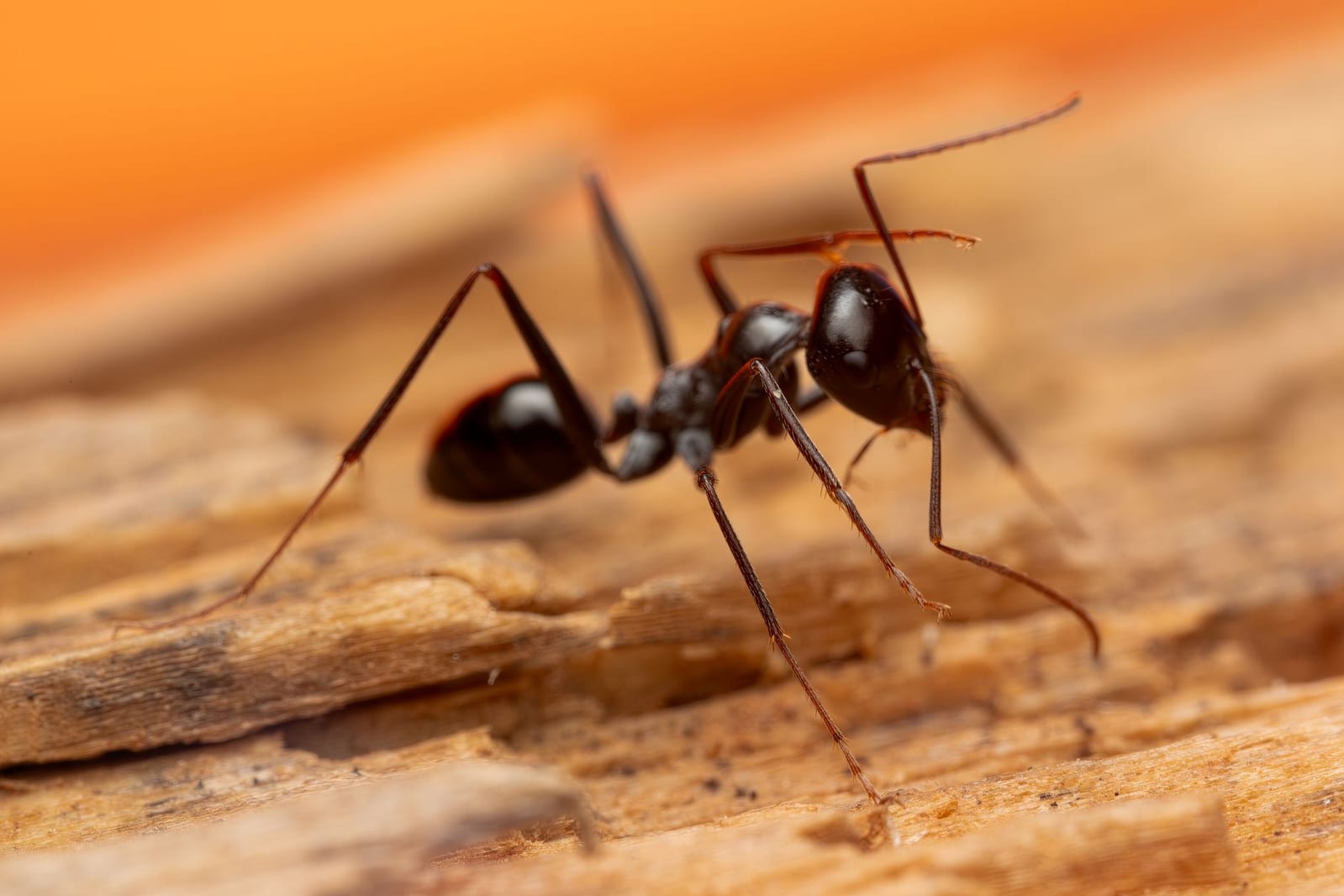
The issues we treat most here: cockroaches, rodents, bed bugs, ants. We serve Roosevelt Avenue, 37th Avenue, the historic garden-apartment district and the wider area across ZIPs 11372.