Pest control built for Jamaica
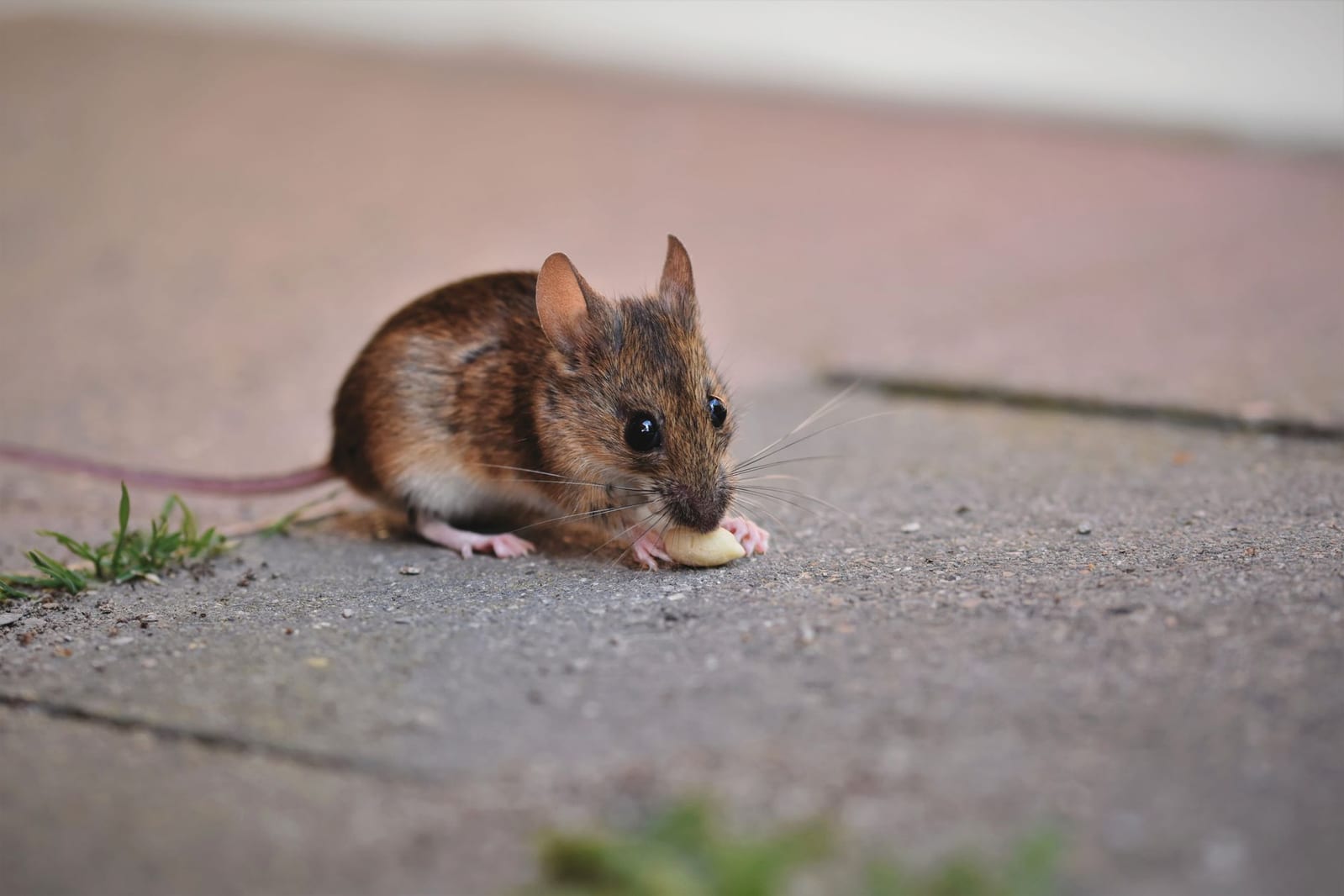
Jamaica's role as one of Queens' busiest transit and commercial hubs — the AirTrain, the LIRR, and the bus depots around Jamaica Avenue and Sutphin Boulevard — means the neighborhood absorbs pest pressure that has nothing to do with how any one building is maintained. Our data places this neighborhood's rodent 311 complaint volume in the middle tier of the 21 neighborhoods we track, with DOHMH inspectors failing a moderate share of the inspections they run here for rat activity. That's a moderate failure rate against a high inspection volume, which tells me the borough is actively working this corridor rather than leaving it unchecked — a different picture from a neighborhood with fewer inspections and a higher failure share.
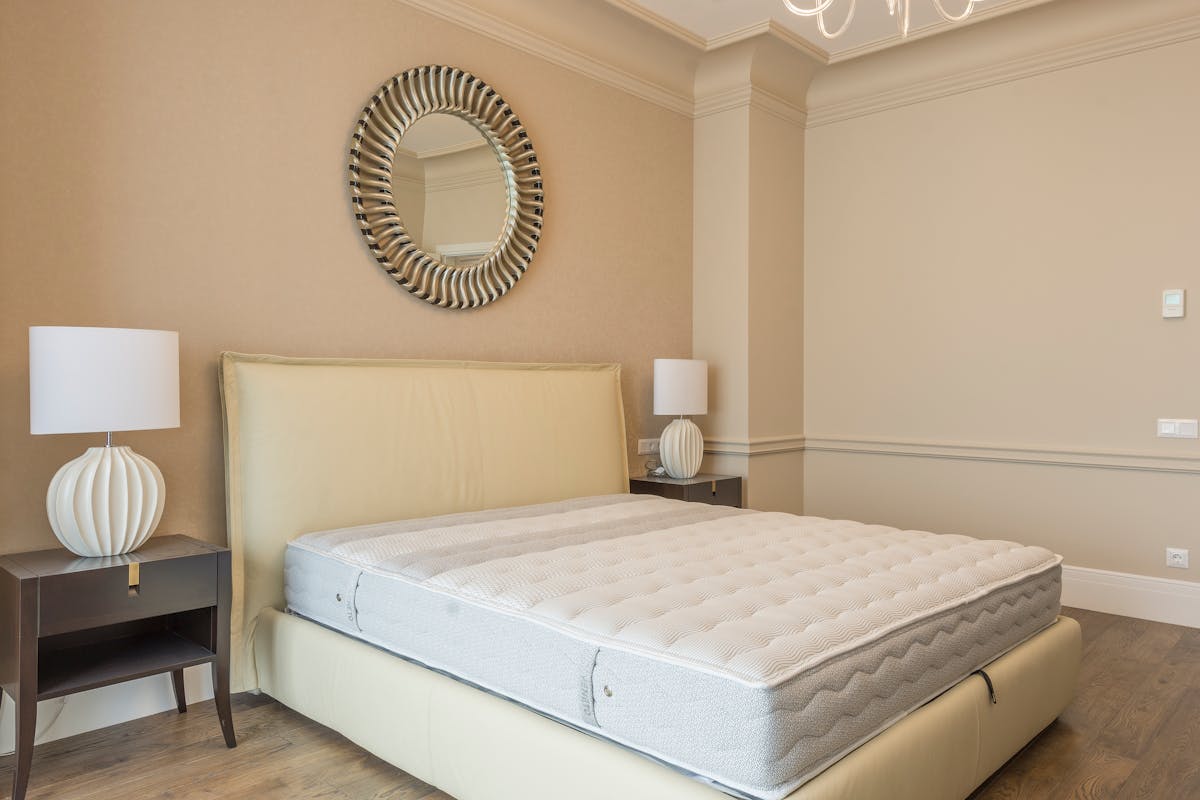
Jamaica's proximity to JFK Airport creates a bed bug introduction pathway that's genuinely unusual for a residential Queens neighborhood: international travelers moving through the AirTrain corridor and staying in the area's hotels and short-term rentals bring bed bugs home at a higher rate than neighborhoods without that airport traffic. I get more first-time bed bug calls here that trace back to a recent flight than in almost any other part of the network, and the honest answer to most of those customers is that the source usually isn't the flight itself — it's a nearby unit in the same building that picked it up first and never got treated. That explanation lands better once a customer understands how quickly bed bugs move through shared walls and risers in a building where another unit already carries an untreated infestation.
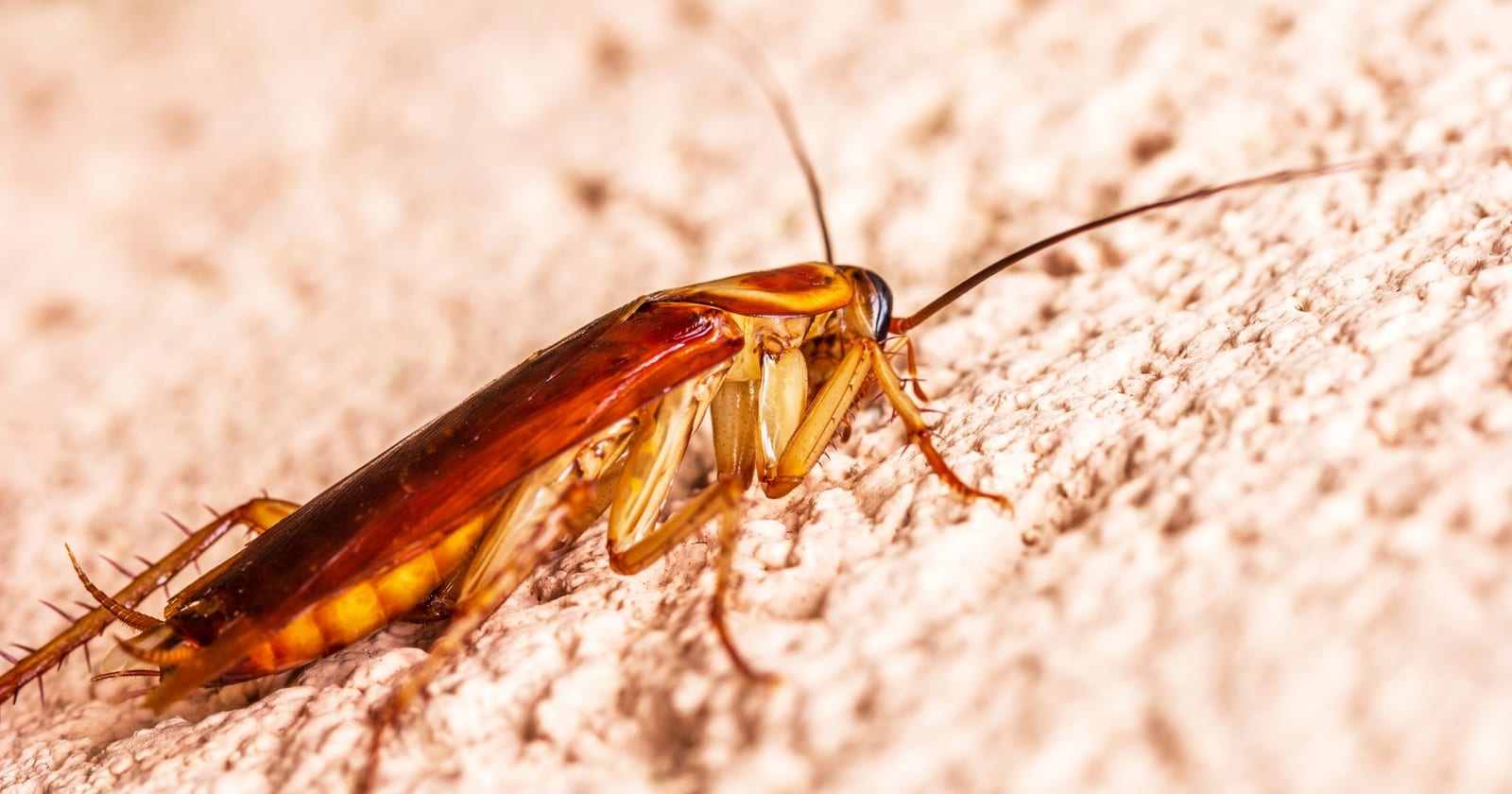
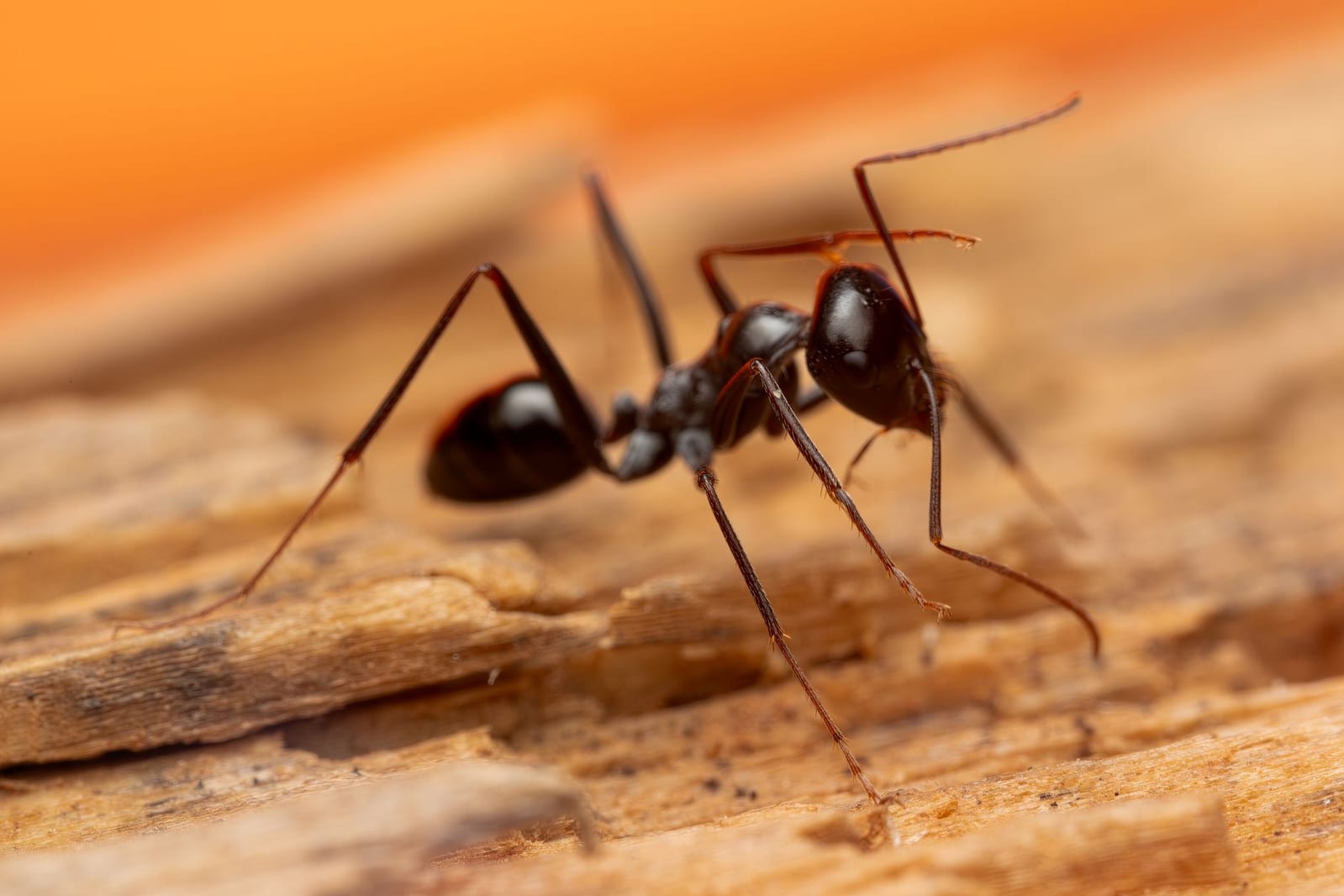
The housing mix here runs from large multi-family apartment buildings near the transit hub to older attached and semi-attached homes on the residential blocks further out toward Hollis and St. Albans. The apartment buildings have the shared basements, trash rooms and plumbing risers that keep German cockroach and mouse pressure constant regardless of season; the older attached homes bring ants and the occasional termite or carpenter-ant find in a damp sill plate, closer to what I see in the outer-Queens home-purchase market than in the transit corridor itself. A WDI inspection ahead of a real estate closing in this part of Jamaica is worth the cost, the same way it is across most of outer Queens' older housing stock.
Sutphin Boulevard and Jamaica Avenue carry heavy retail and food-service density, and that commercial base is the steady driver behind the rodent numbers — restaurant kitchens and the loading areas behind them feed rat and mouse populations that then move into the residential blocks on either side after dark. King Manor's grounds, a quieter green pocket just off the main corridor, add a modest seasonal insect and rodent pressure of their own, but nothing close to what the retail strip generates. Property owners a block or two off the main strip still see far more rodent activity than similar buildings deeper into the residential grid, simply from proximity to the commercial waste stream.
Jamaica's Caribbean and South Asian communities — Jamaican, Trinidadian, Guyanese and Indo-Caribbean residents in particular — mean English-language service calls are generally adequate here, unlike neighborhoods further west in Queens where Spanish is the primary language for pest control conversations. Where it matters practically is building-wide treatment: a multi-family building with tenants from several of these communities needs communication that reaches every unit, not just the super's office, because a bed bug or cockroach treatment that skips one apartment because nobody understood the notice fails for the whole line within weeks. I still recommend translated materials be available on request, because even in a predominantly English-speaking community there are households where the primary language at home isn't English, and a missed notice is still a missed notice.
Rat pressure around any large transit hub in NYC follows the infrastructure, not just the buildings, and Jamaica's bus depots and rail yards give rats the kind of undisturbed structural harborage — void spaces, drainage channels, discarded food from commuters — that a purely residential neighborhood doesn't have. That's a structural reality property owners near the station complex should plan around with exclusion work, not just bait, because the source population isn't fully addressable from any single building's basement. Buildings directly adjacent to the depot or rail right-of-way should expect recurring pressure regardless of how well the building itself is sealed. I've walked buildings a full block from the nearest depot entrance and still found burrow activity along the foundation that traces straight back to that rail corridor.
What the city's own data says about Jamaica
Residents of Jamaica filed 446 rodent complaints with NYC 311 in the July 2025 – July 2026 period — the 9th highest of the 21 neighborhoods we cover. Over the same window the Health Department carried out 890 rodent inspections in these ZIP codes, and 20.9% of them failed for active rat activity (186 inspections).
Bed bugs are tracked separately. Under Local Law 69 of 2017, every multiple-dwelling owner in the city files an annual bed bug report with HPD. Across every filing covering Jamaica's ZIP codes, 1,800 dwelling units were reported infested out of 353,294 — an infestation rate of 0.51%, the 9th highest of the 21 neighborhoods we cover.
We publish the citywide version of this analysis, ranked by borough and ZIP code, in our rattiest NYC neighborhoods report — free to cite, quote or embed.
A complaint count measures where rats get reported, not where they all live — a block that calls 311 is not necessarily worse off than a block that has given up on calling. The inspection failure rate is the harder number: it is what a city inspector actually found on site. The bed bug rate is a landlord's own filing, so it understates buildings that never filed. Source: NYC Open Data — NYC 311 Service Requests + DOHMH Rodent Inspection + HPD Bedbug Reporting (NYC Open Data). Retrieved 2026-07-10.
Common pests in Jamaica
The issues we treat most here: rodents, cockroaches, bed bugs. We serve Jamaica Avenue, Sutphin Boulevard, King Manor and the wider area across ZIPs 11432, 11433, 11434, 11435.