Pest control built for Williamsbridge
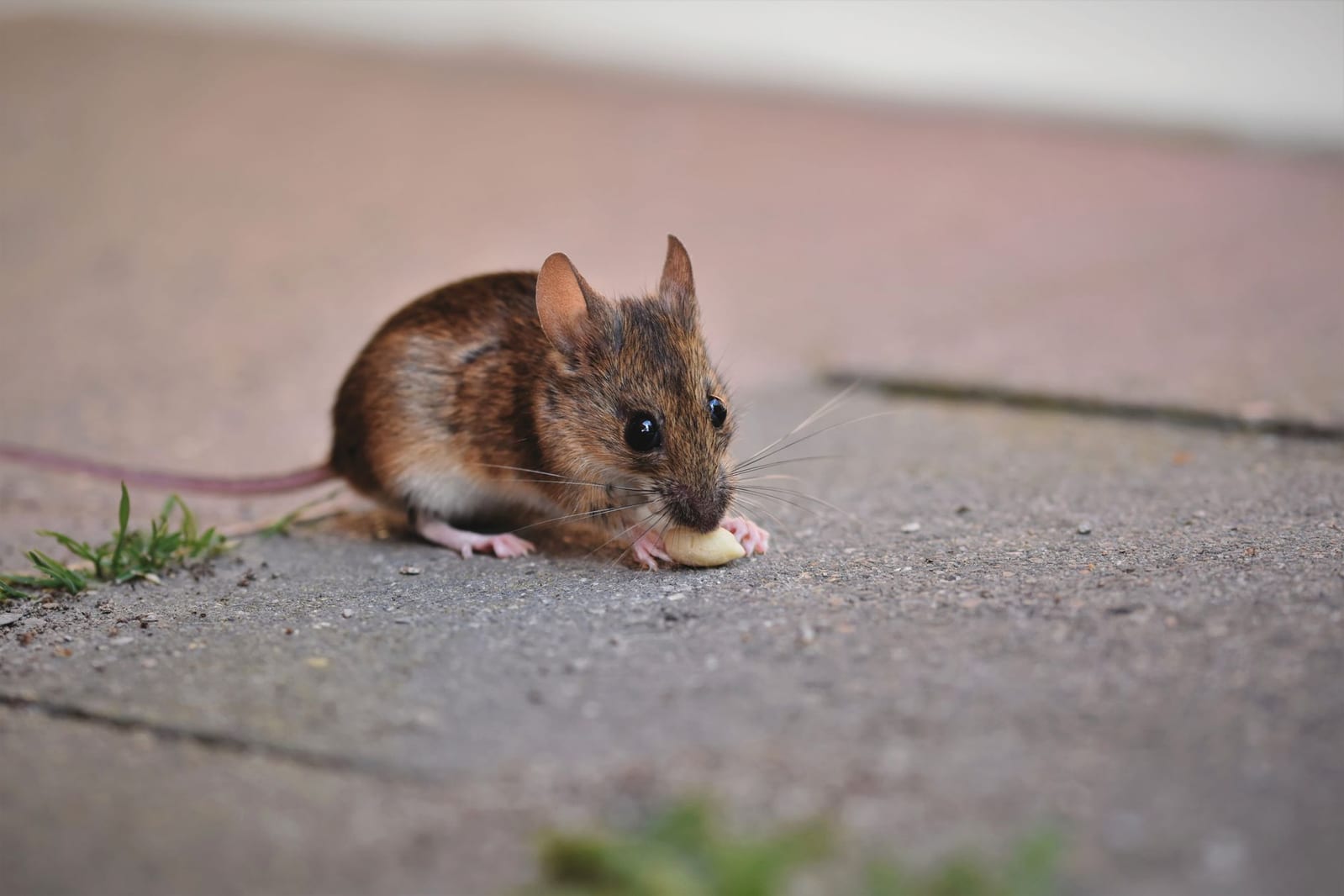
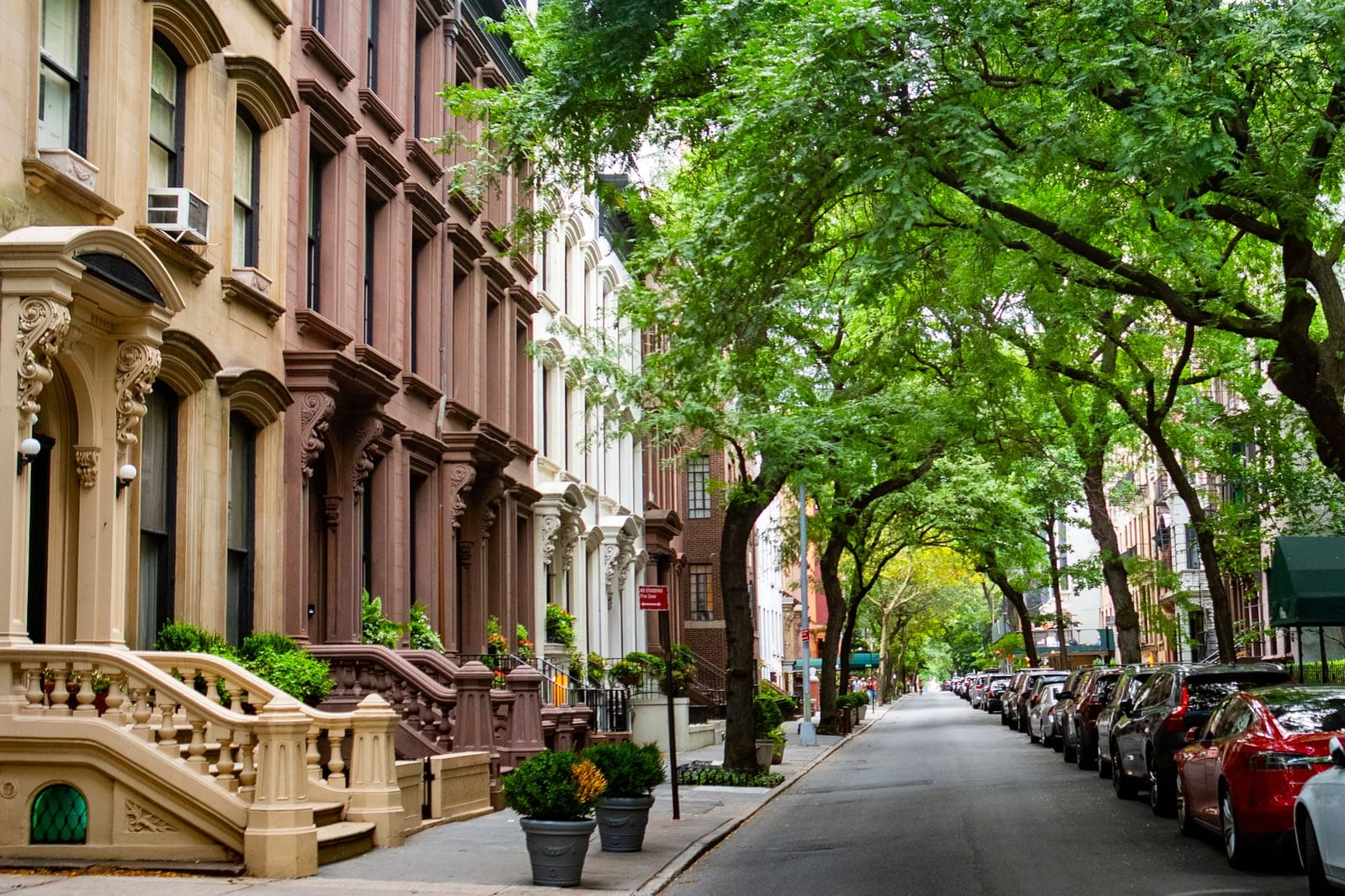
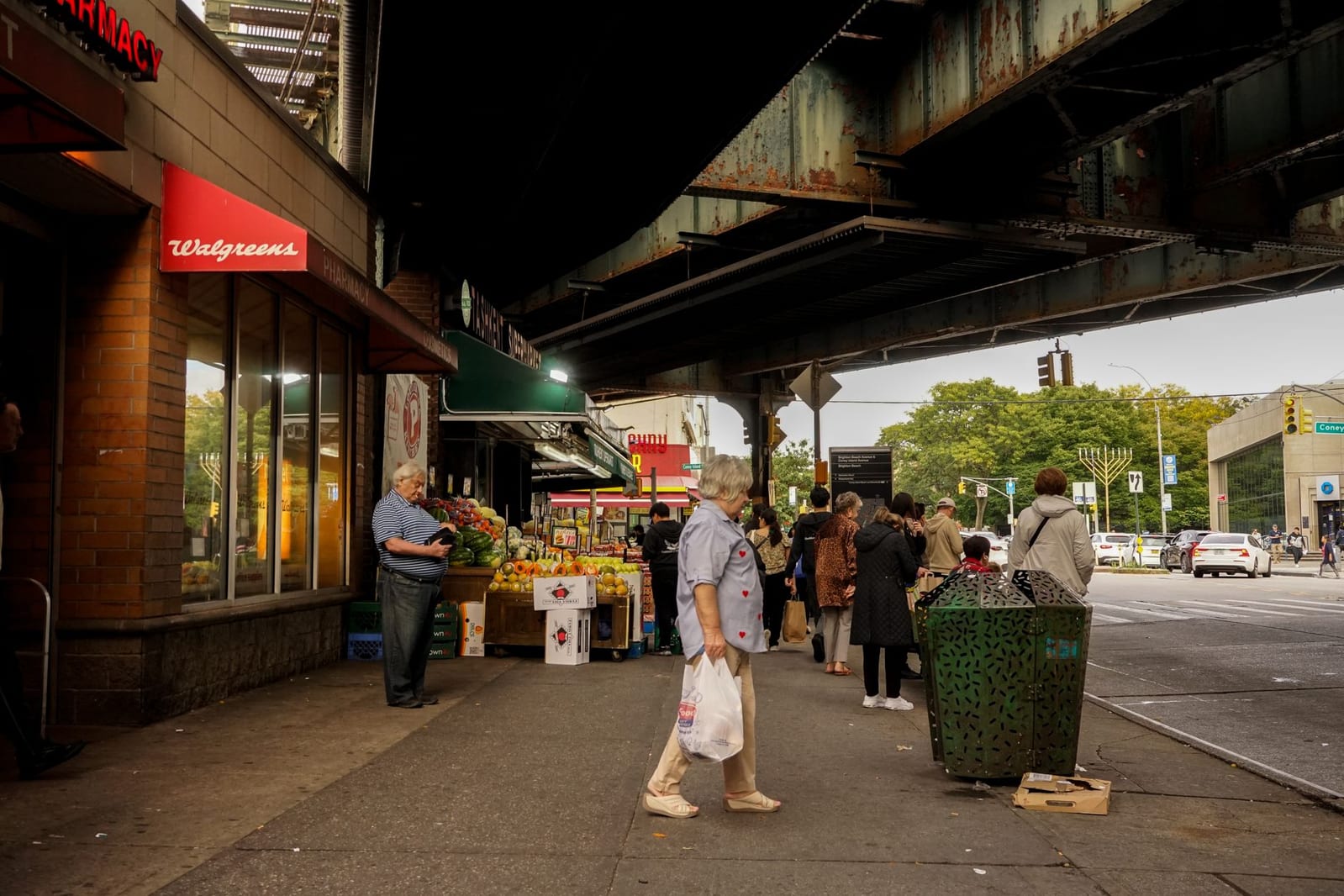
Williamsbridge sits between two commercial spines — White Plains Road and Boston Post Road — that carry restaurant and grocery waste past blocks of detached and semi-detached two-family homes set close enough that a Norway rat colony rarely respects a single property line. The burrows show up along the low retaining walls and concrete stoops that front these houses, at the base of chain-link fences, and under the raised porches common on the side streets near Williamsbridge Oval. Rat pressure here reads as chronic rather than dramatic: it builds quietly along the commercial corridors and pushes outward into residential blocks over years, which is why the city's rat-activity inspection data for this stretch of the northeast Bronx lands well above the network median rather than at either extreme.
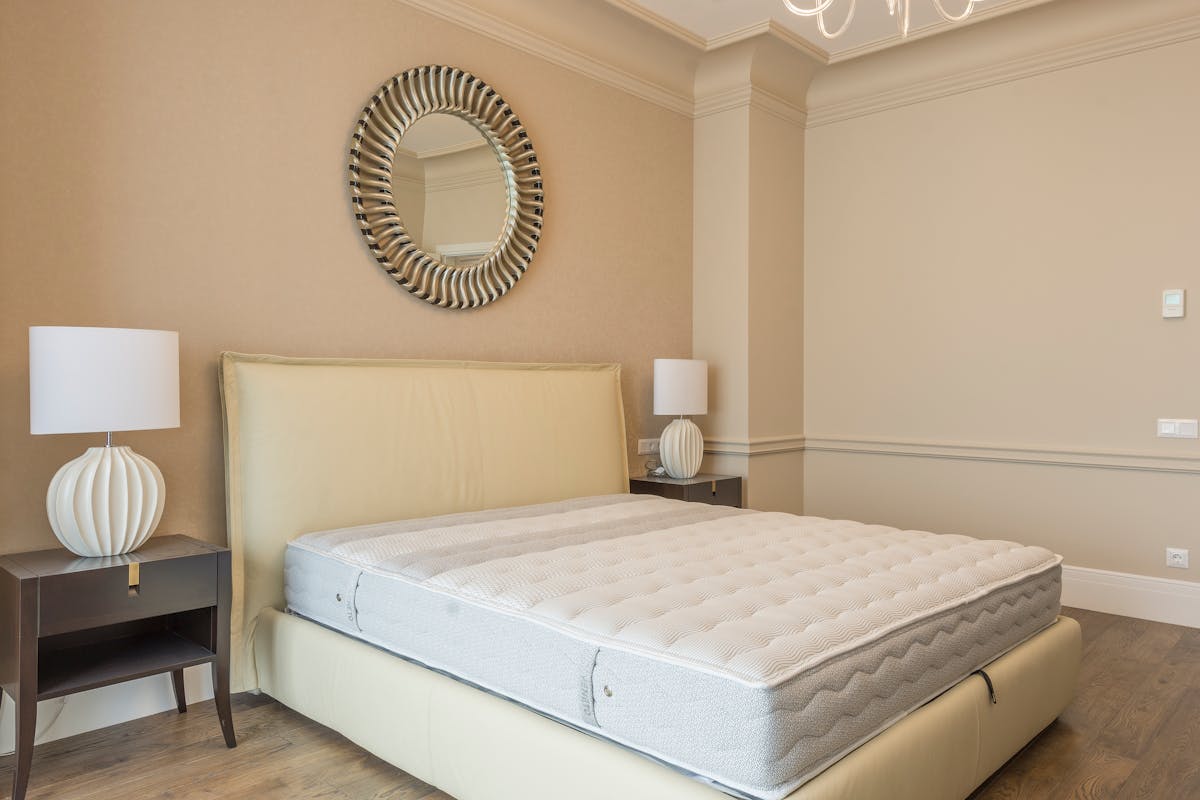
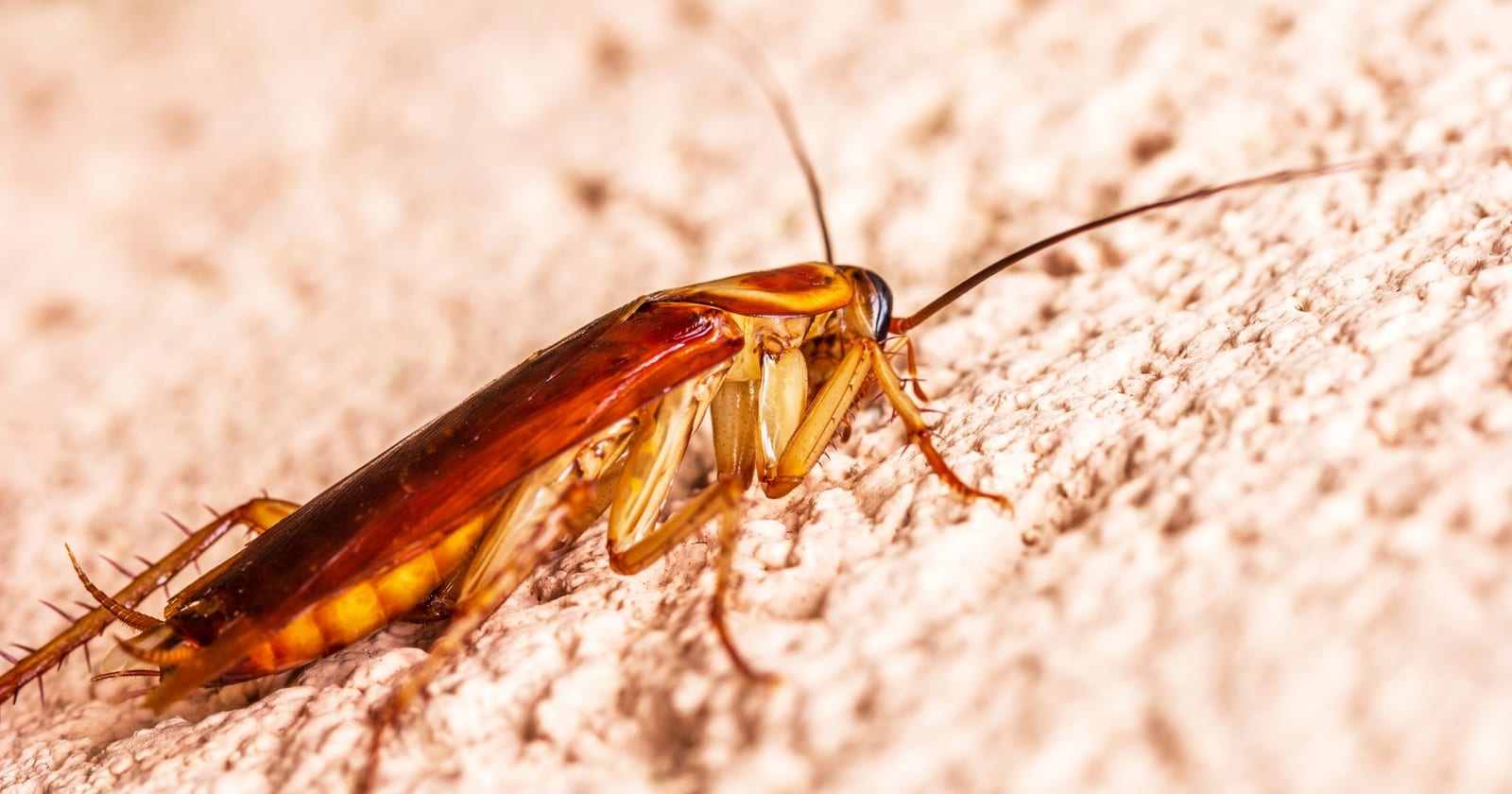
The apartment buildings clustered directly along White Plains Road are a different animal from the single-family houses on the quieter side streets. Ground-floor retail with basement food storage feeds German cockroaches up through shared risers and pipe chases into the residential units above, and the higher rental turnover in these buildings keeps bed bug introduction risk meaningfully elevated compared to the owner-occupied homes further from the commercial strip. A cockroach call from a Boston Post Road walkup almost always traces back to a shared wall or floor void, not the individual unit — which is why single-apartment treatment without building cooperation rarely holds for more than a few weeks in this stretch.
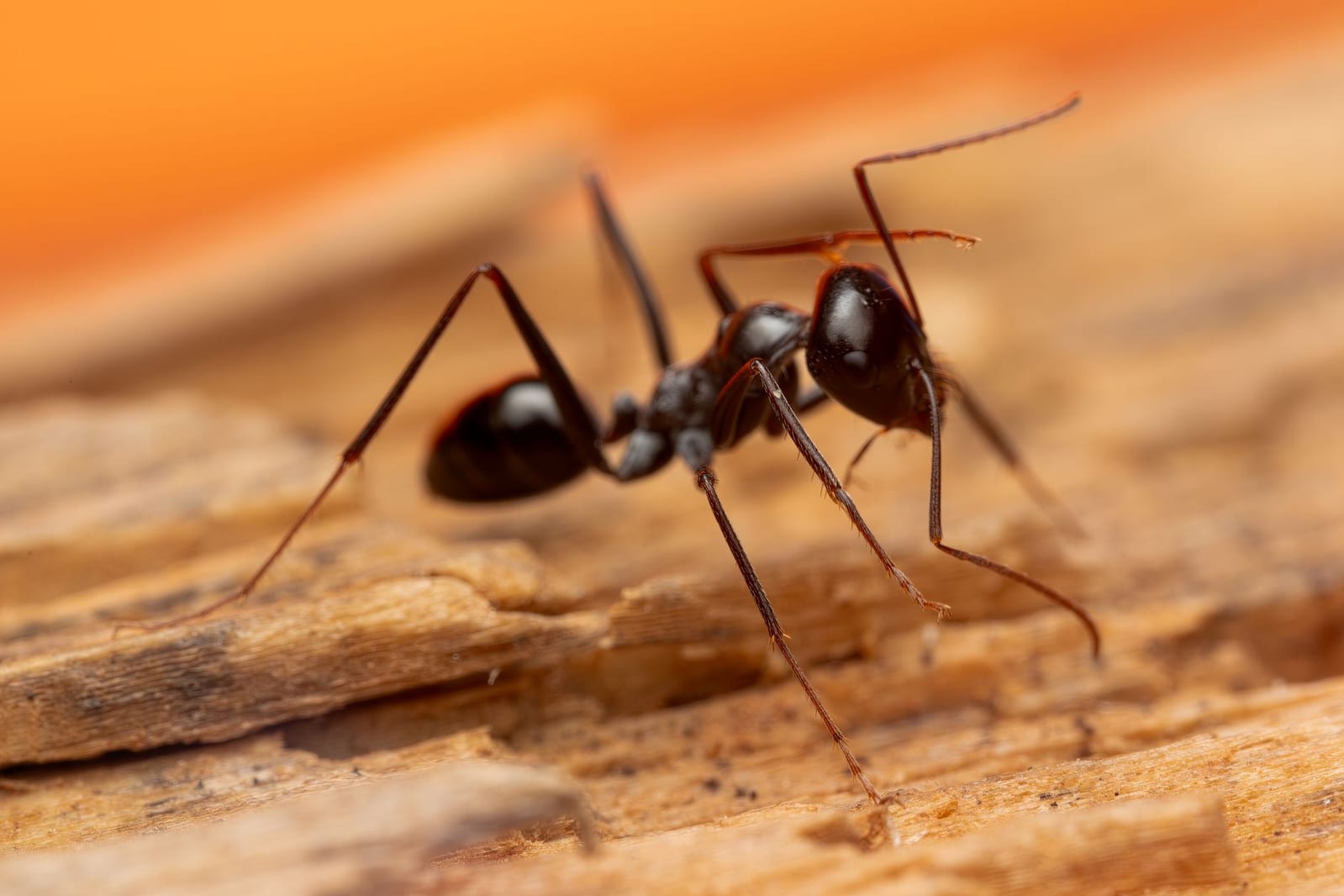
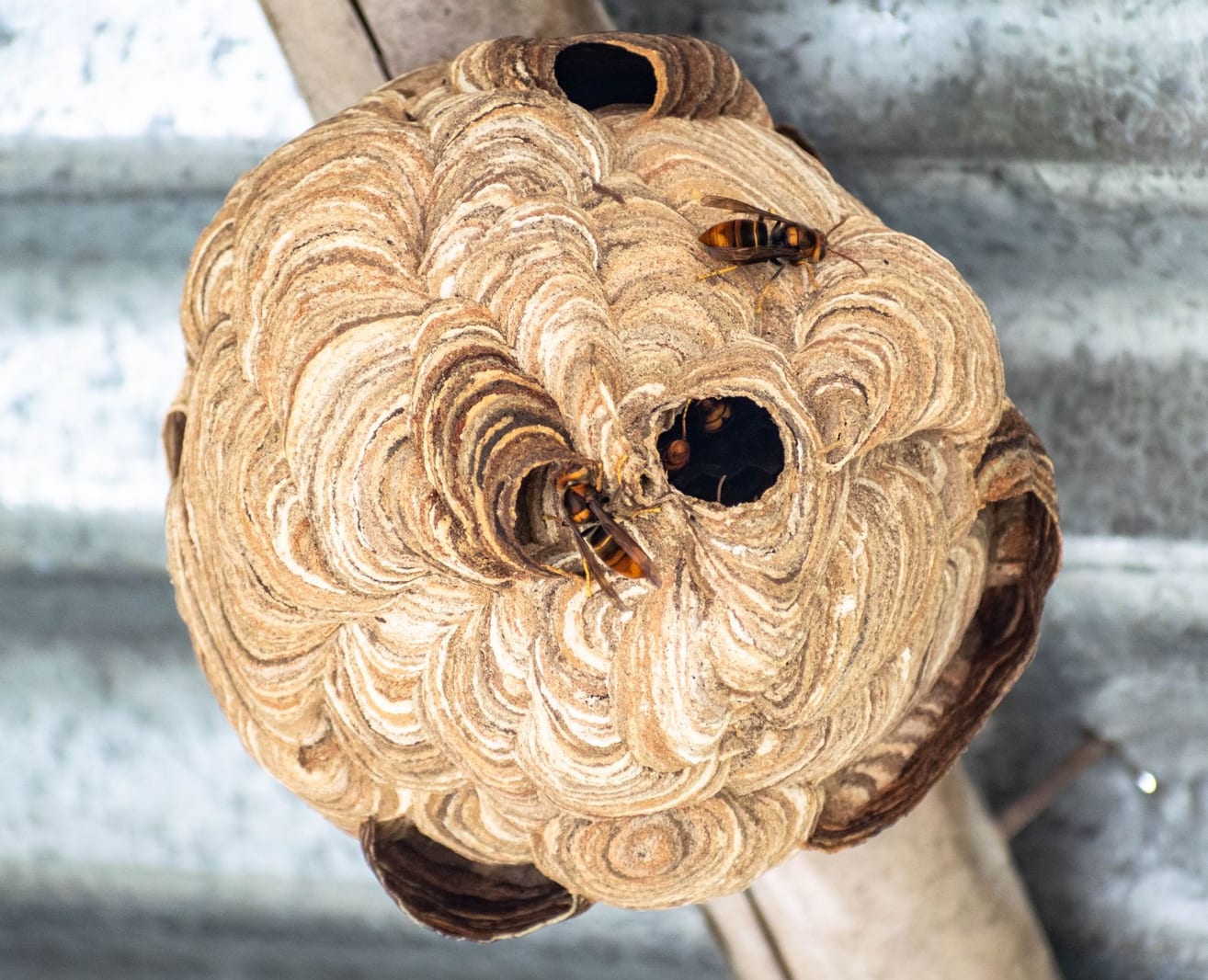
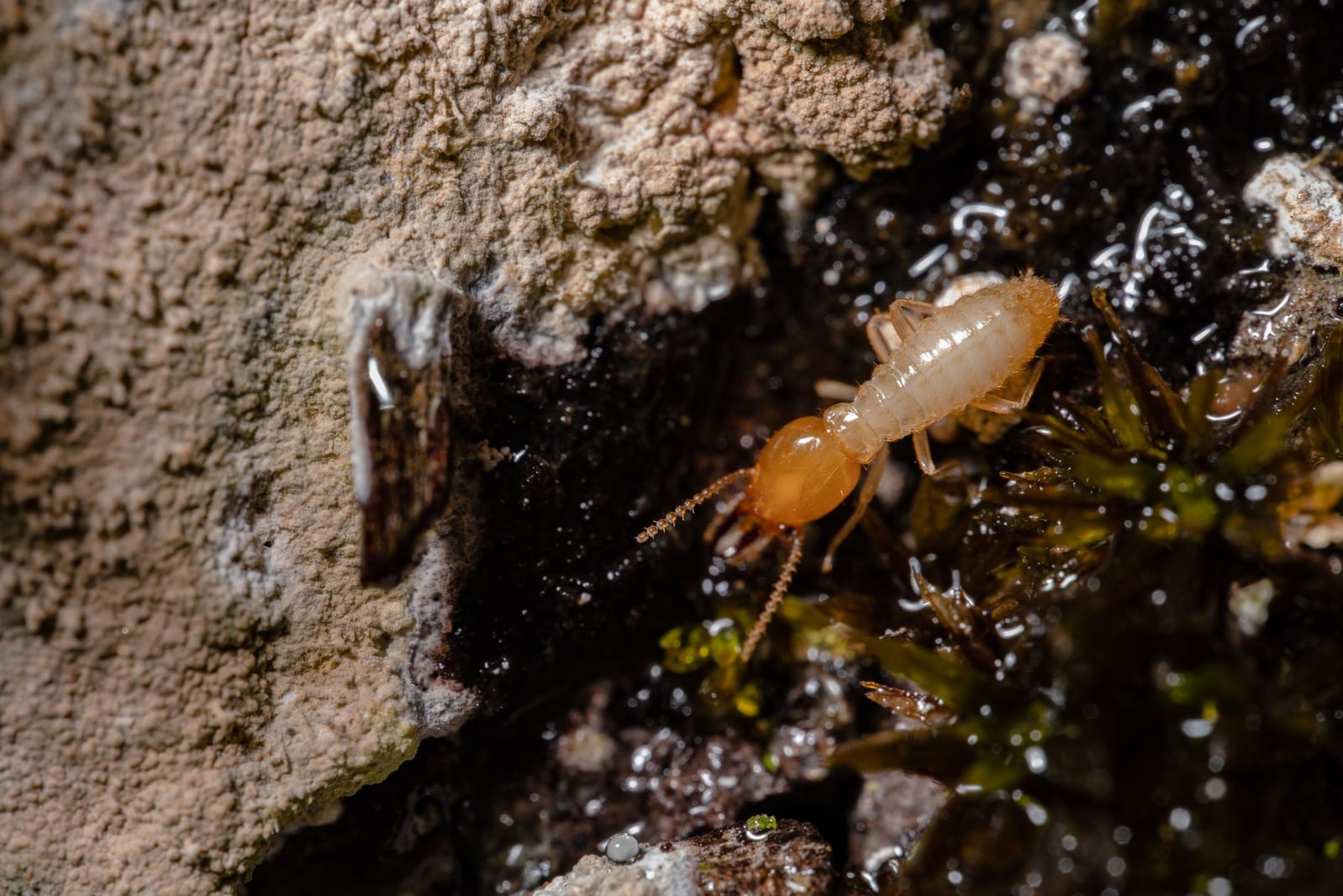
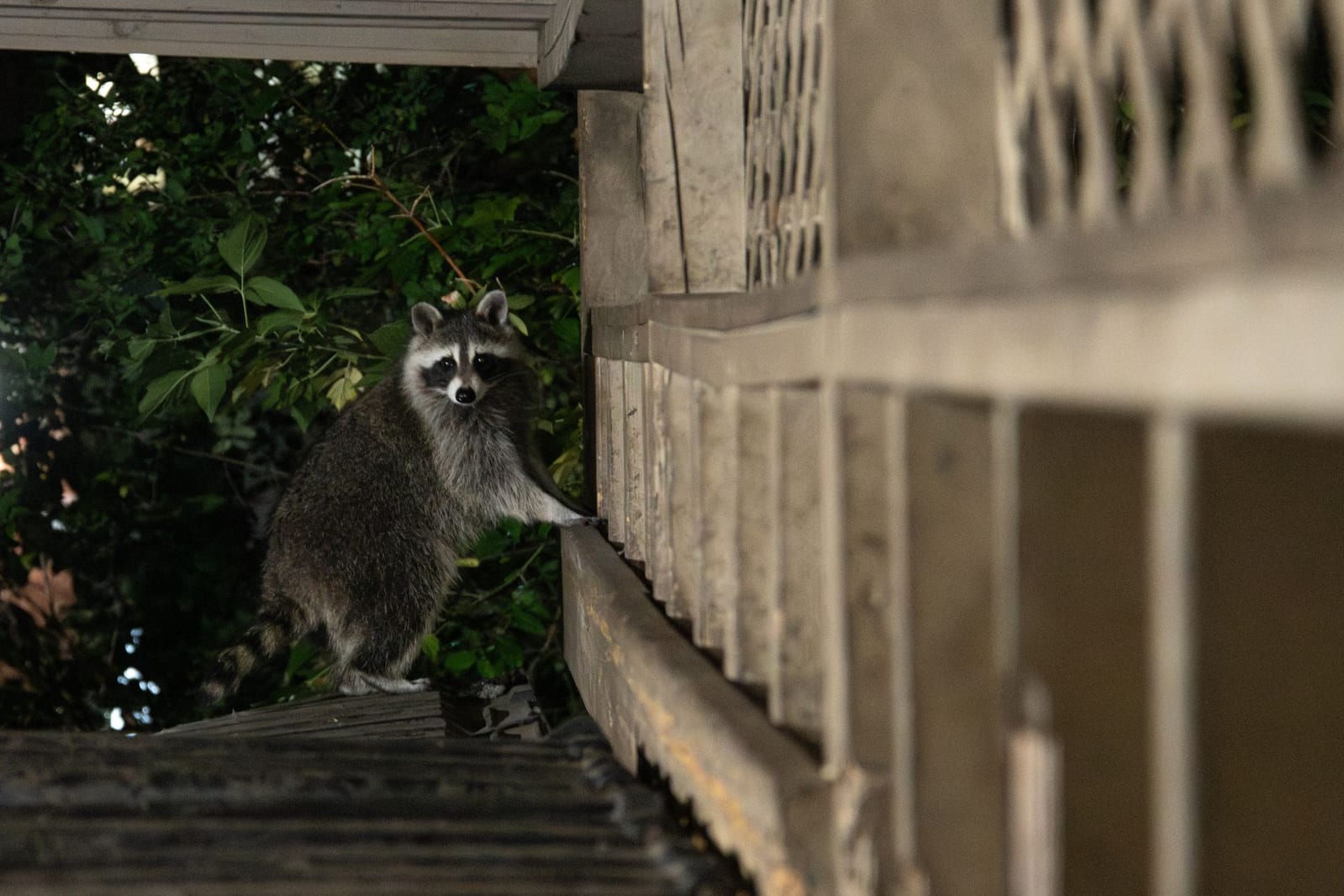
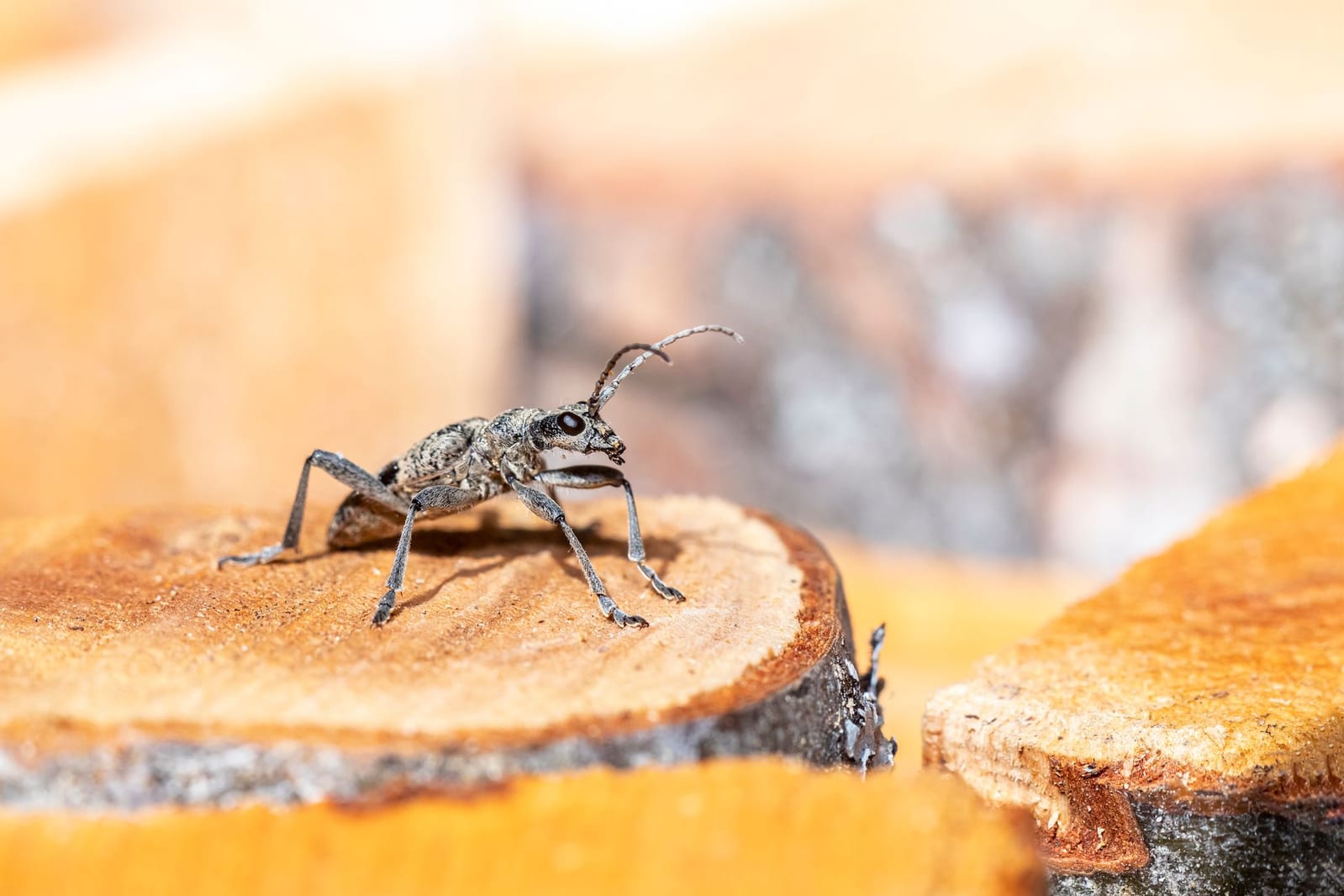
Williamsbridge Oval itself — the sunken park built over a demolished reservoir — and the green corridor along Pelham Parkway North bring a genuinely suburban layer to the neighborhood's pest profile that the commercial strips don't share. Homes bordering the Oval and the parkway see carpenter ants working old foundation timbers, stinging-insect nests under eaves and in overgrown shrubs by midsummer, and the occasional raccoon or opossum working a trash can along the park's perimeter fence. None of this rises to the wildlife pressure you'd find further north in Riverdale, but it's a real and separate demand stream from the rat and cockroach work generated by the retail corridors. Homeowners here sometimes mistake carpenter-ant frass for termite damage in the older wood-frame houses near the park; both point to a moisture problem worth a professional look, but the treatment protocols differ completely.
Seasonality splits cleanly along the same line as building type. The apartment stock on White Plains Road runs cockroach and mouse pressure essentially year-round — heated basements and constant food-waste supply don't give the population a reason to slow down. The detached and semi-detached homes near the Oval follow the more familiar Bronx pattern: outdoor rat activity climbs through spring as burrows reopen, stinging insects and ants peak in the mid-summer months, and October brings the entry-season push as mice and the occasional rat look for a way into a warm crawl space or basement ahead of the cold. Property managers along the corridor who schedule a single autumn service call, rather than a year-round contract, are the ones most likely to see a rat problem resurface by spring.
Norway rats are the species doing the damage in Williamsbridge, not roof rats — they burrow, they don't climb, and an exterminator diagnosing a 'rat in the attic' call here almost always finds a squirrel instead. The distinction matters for treatment: burrow mapping and foundation-gap sealing at ground level solves the rat problem; attic entry points call for exclusion work aimed at squirrels. Property owners along the commercial strips who skip the exclusion step and go straight to bait find themselves running a maintenance program rather than a fix, since fresh burrows reopen from the neighboring lot within weeks. It also explains why homeowners who spot droppings near the roofline should ask specifically what species left them before assuming the worst.
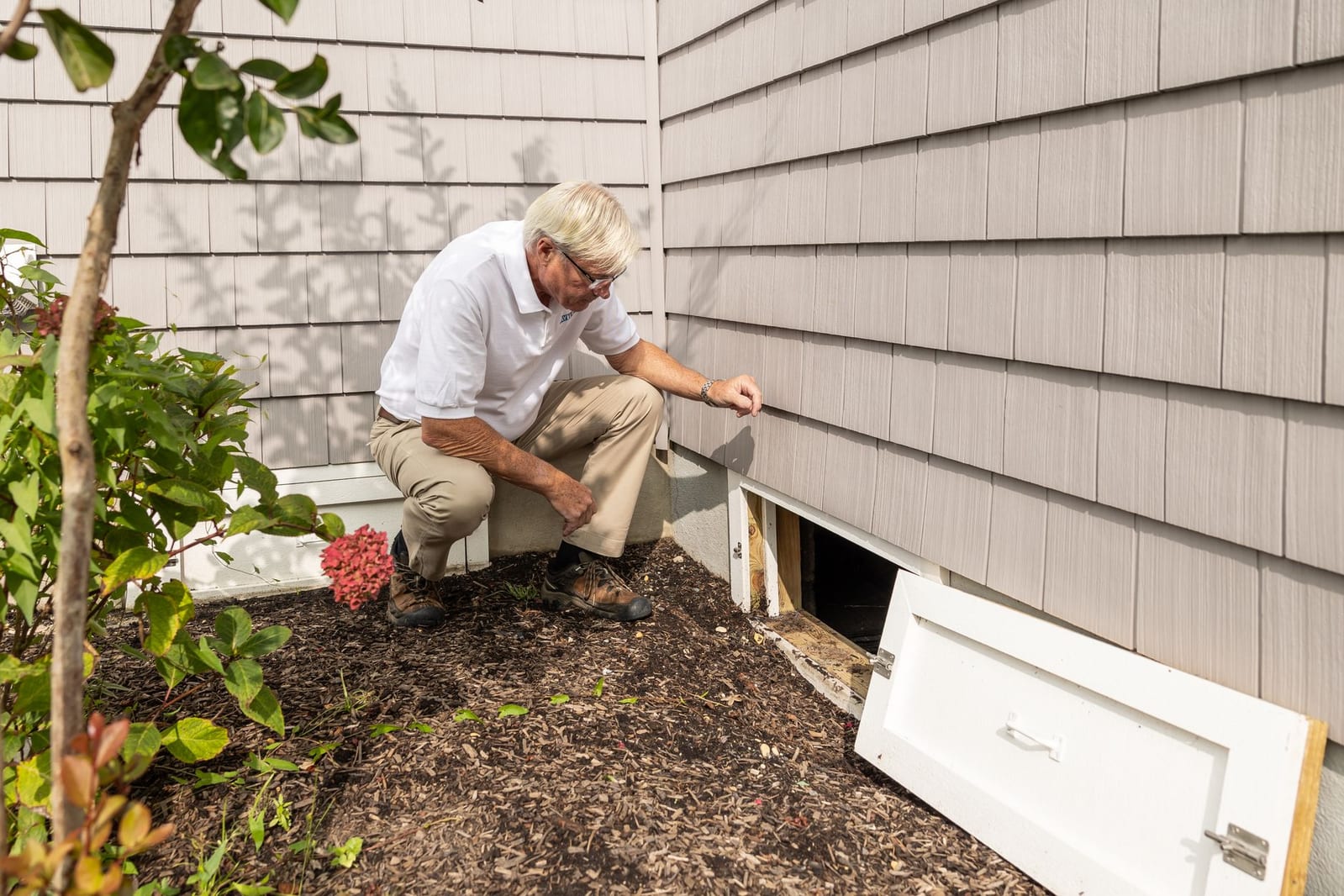
Building age plays a quiet role here too. Many of the two-family homes near Williamsbridge Oval date to the early twentieth century, with original masonry foundations that have settled and cracked over a hundred years of freeze-thaw cycles — exactly the kind of gap a Norway rat exploits without needing to dig. Newer construction and recently renovated homes on the same block can have a completely different pest profile because the foundation seal is intact. That's why a neighborhood-wide rat problem in Williamsbridge is really a foundation-age problem wearing a pest-control label, and it's worth an inspector's time to check the age of the house, not just the block. A pre-treatment foundation inspection that flags these settled cracks is often more valuable than the first round of bait.
Property owners along both commercial corridors dealing with a persistent rat or cockroach problem should expect a two-visit minimum: an initial inspection and exclusion pass, then a follow-up seven to ten days later to check bait uptake and confirm burrows or harborage sites are inactive. Skipping the follow-up is the single most common reason a Williamsbridge job doesn't hold. For the apartment buildings specifically, getting building management involved — not just the individual tenant — is what separates a lasting fix from a repeat call three months later. New residents moving into an older two-family home on these blocks should ask for a foundation-focused inspection in the first month, before assuming any pest activity is new rather than inherited from the previous occupant.
What the city's own data says about Williamsbridge
Residents of Williamsbridge filed 497 rodent complaints with NYC 311 in the July 2025 – July 2026 period — the 8th highest of the 21 neighborhoods we cover. Over the same window the Health Department carried out 2,378 rodent inspections in these ZIP codes, and 27.7% of them failed for active rat activity (659 inspections).
Bed bugs are tracked separately. Under Local Law 69 of 2017, every multiple-dwelling owner in the city files an annual bed bug report with HPD. Across every filing covering Williamsbridge's ZIP codes, 1,353 dwelling units were reported infested out of 236,379 — an infestation rate of 0.57%, the 6th highest of the 21 neighborhoods we cover.
We publish the citywide version of this analysis, ranked by borough and ZIP code, in our rattiest NYC neighborhoods report — free to cite, quote or embed.
A complaint count measures where rats get reported, not where they all live — a block that calls 311 is not necessarily worse off than a block that has given up on calling. The inspection failure rate is the harder number: it is what a city inspector actually found on site. The bed bug rate is a landlord's own filing, so it understates buildings that never filed. Source: NYC Open Data — NYC 311 Service Requests + DOHMH Rodent Inspection + HPD Bedbug Reporting (NYC Open Data). Retrieved 2026-07-10.
Common pests in Williamsbridge
The issues we treat most here: rodents, ants, cockroaches, bed bugs. We serve White Plains Road, Williamsbridge Oval, Pelham Parkway North, Boston Post Road and the wider area across ZIPs 10467, 10469.