Pest control built for Queens Village
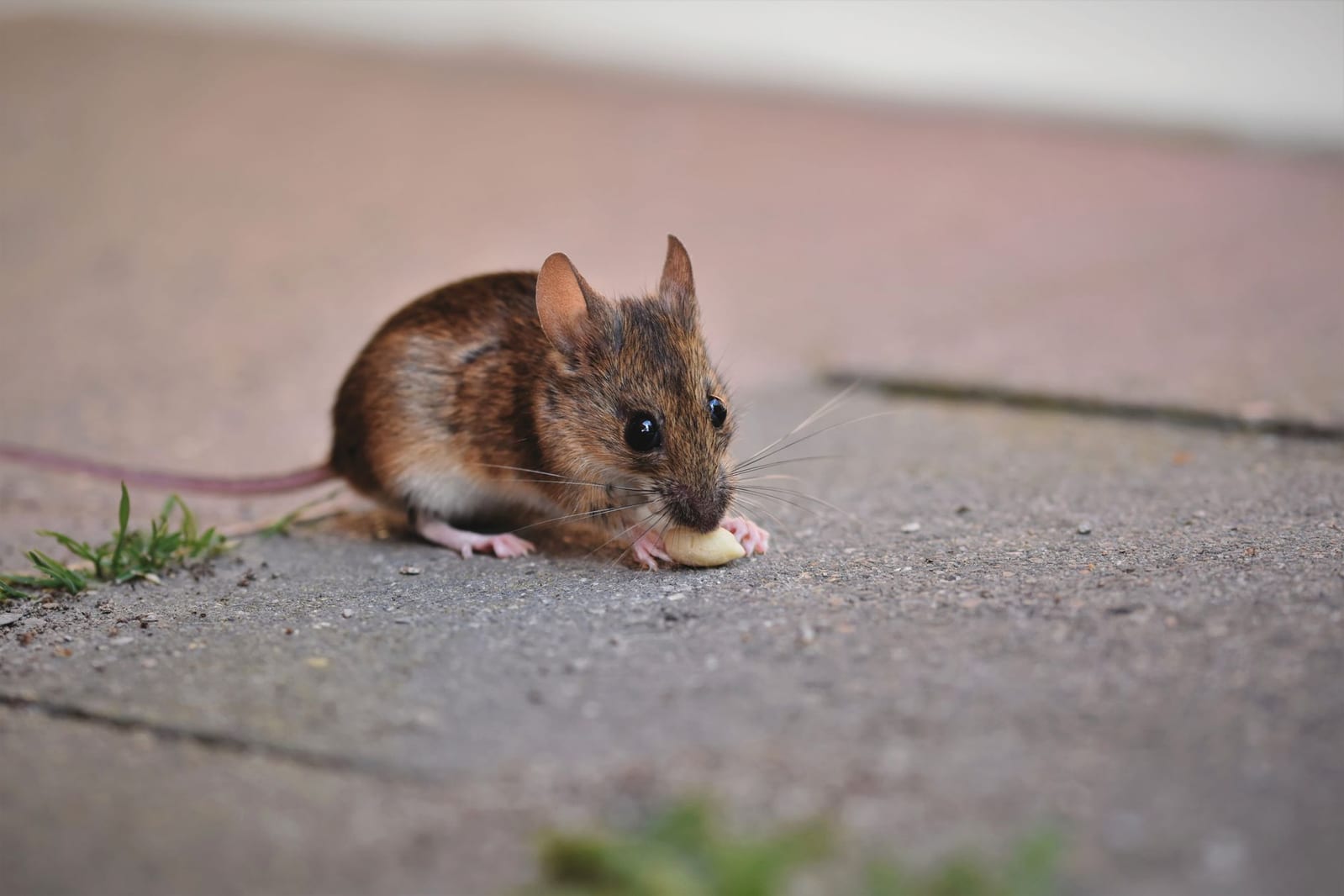
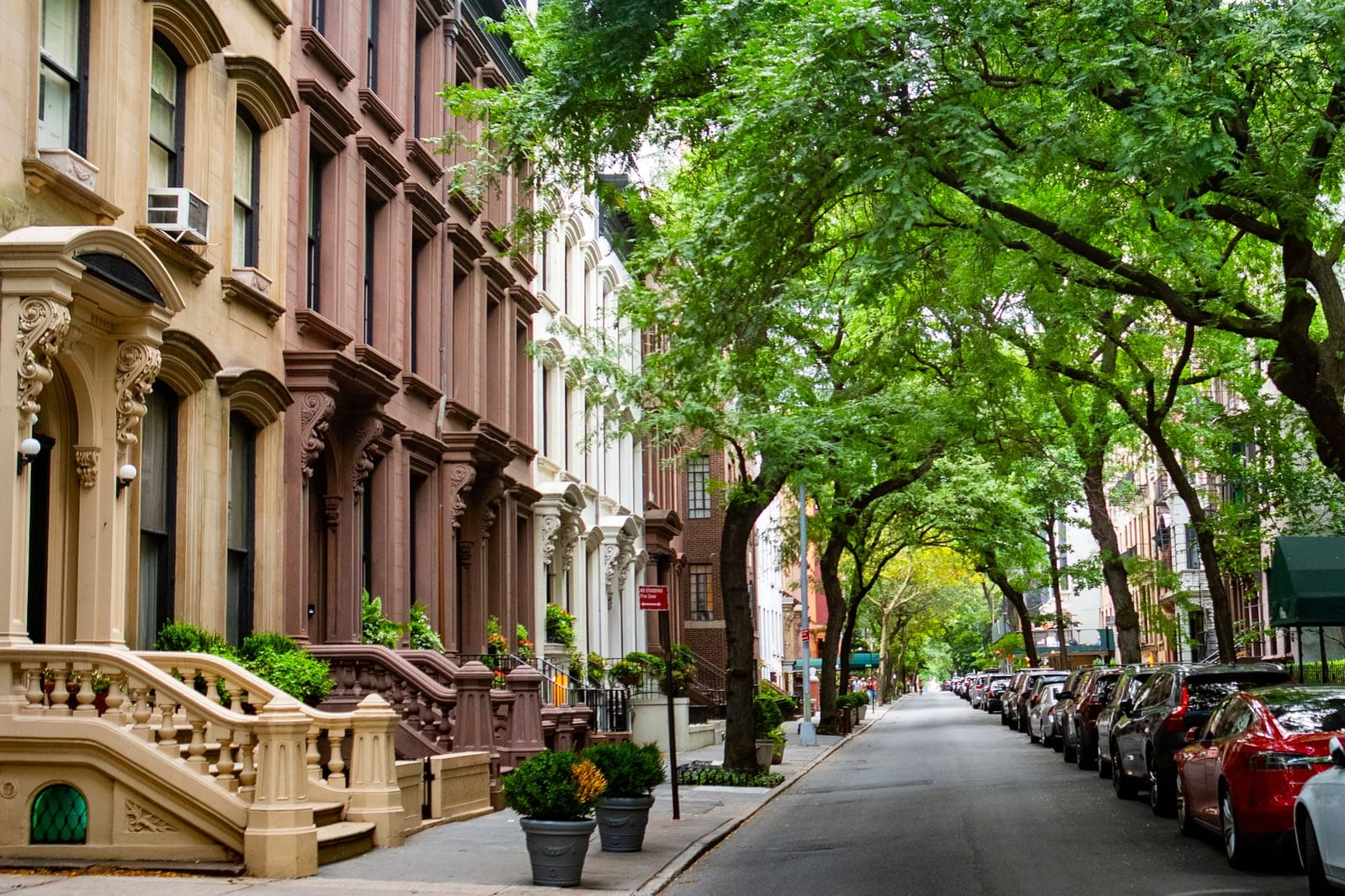
Queens Village posts the lowest rat-pressure numbers of any neighborhood in this part of our coverage — a rodent 311 complaint volume near the bottom of the 21 neighborhoods we track, against a DOHMH inspection failure rate for rat activity that's the lowest of the five we cover here. That's a genuinely different starting point from Astoria or Jackson Heights, and it tracks with the building stock: this is a neighborhood of detached and semi-detached single-family homes with yards, not shared-wall apartment buildings, so there's simply less of the interconnected harborage that drives rat numbers up elsewhere in Queens. The pest calls I get here look more like a suburban service area than an NYC apartment corridor.
Queens Village is the second of only two neighborhoods in our 21-neighborhood network where 'Condition Attracting Rodents' complaints run close to or ahead of actual rat sightings, rather than trailing well behind them the way they do almost everywhere else. On a detached-home block, that pattern usually means a homeowner noticed the garbage cans without lids, the woodpile against the foundation, or the gap under the shed before a rat ever showed itself, which is exactly the stage where sealing and exclusion work prevents a problem rather than treating one already underway. It's the kind of early call I wish I got more often across the rest of the network. Homeowners who call at that stage almost always avoid the multi-visit baiting program that a fully established burrow system requires, which is a meaningfully cheaper and faster outcome.
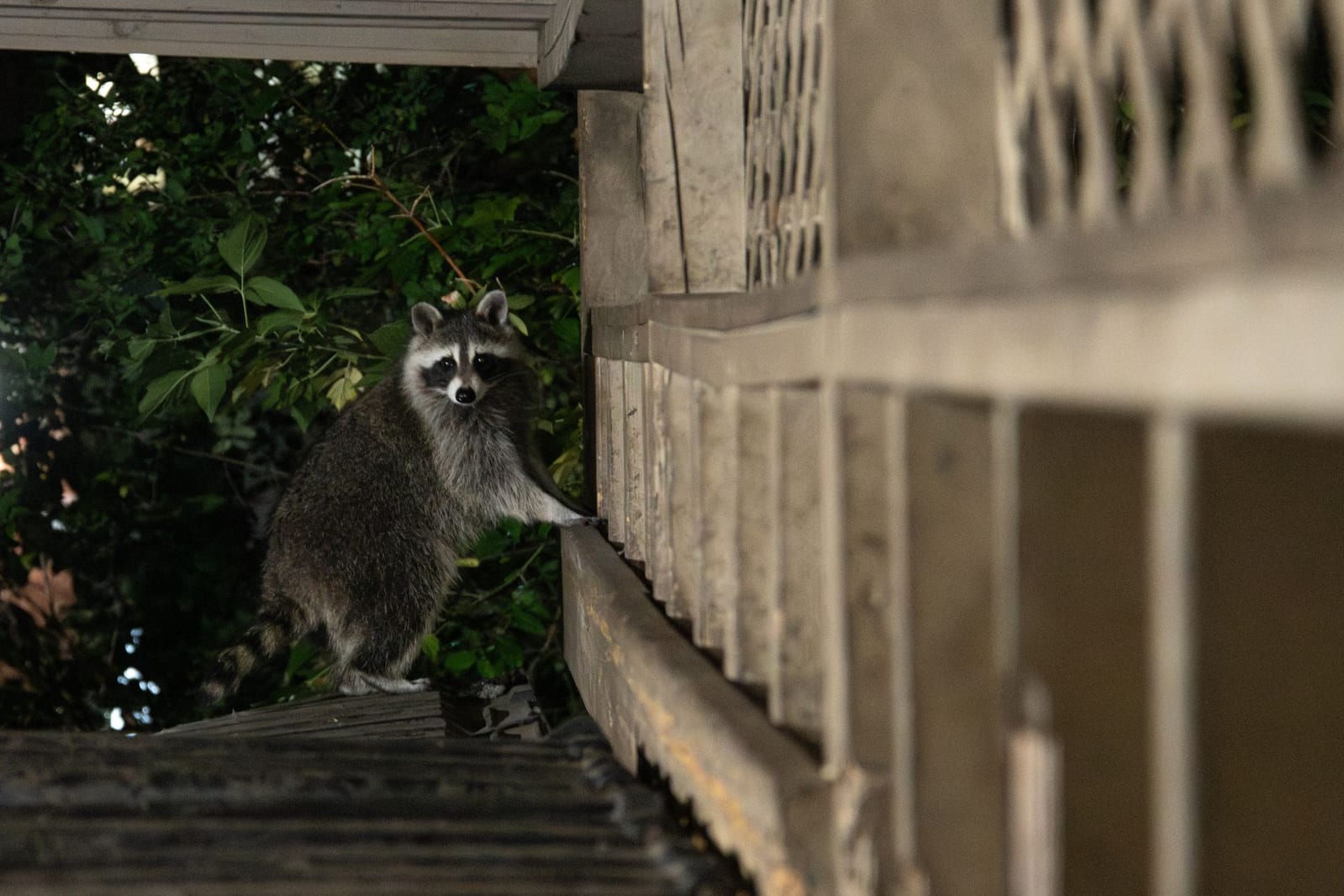
The detached and semi-detached homes here, many with basements, crawl spaces and mature trees on the property, put wildlife pressure front and center in a way apartment-dense Queens neighborhoods don't experience: squirrels and raccoons working the roofline and soffits for attic entry, especially as the weather cools in fall when they're seeking a warm place to den for winter. Alley Pond Park's mature tree canopy backing onto many of these properties is the direct source of that pressure, and I treat far more attic-exclusion jobs than apartment-style cockroach or bed bug calls in this part of Queens. I recommend chimney caps and roofline inspections every fall for these properties specifically because of that park-edge exposure, well before the first scratching sound in the attic gives the problem away.
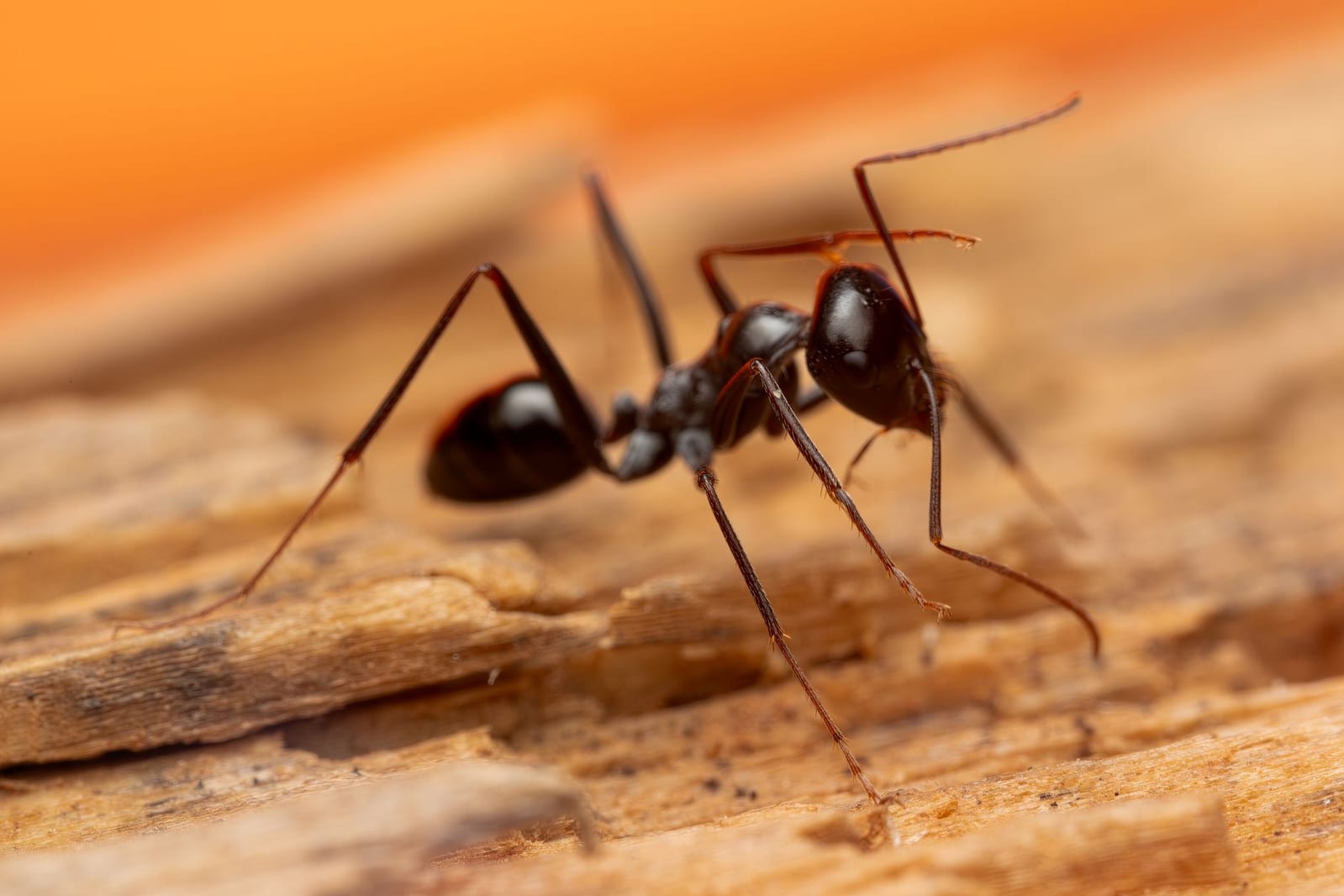
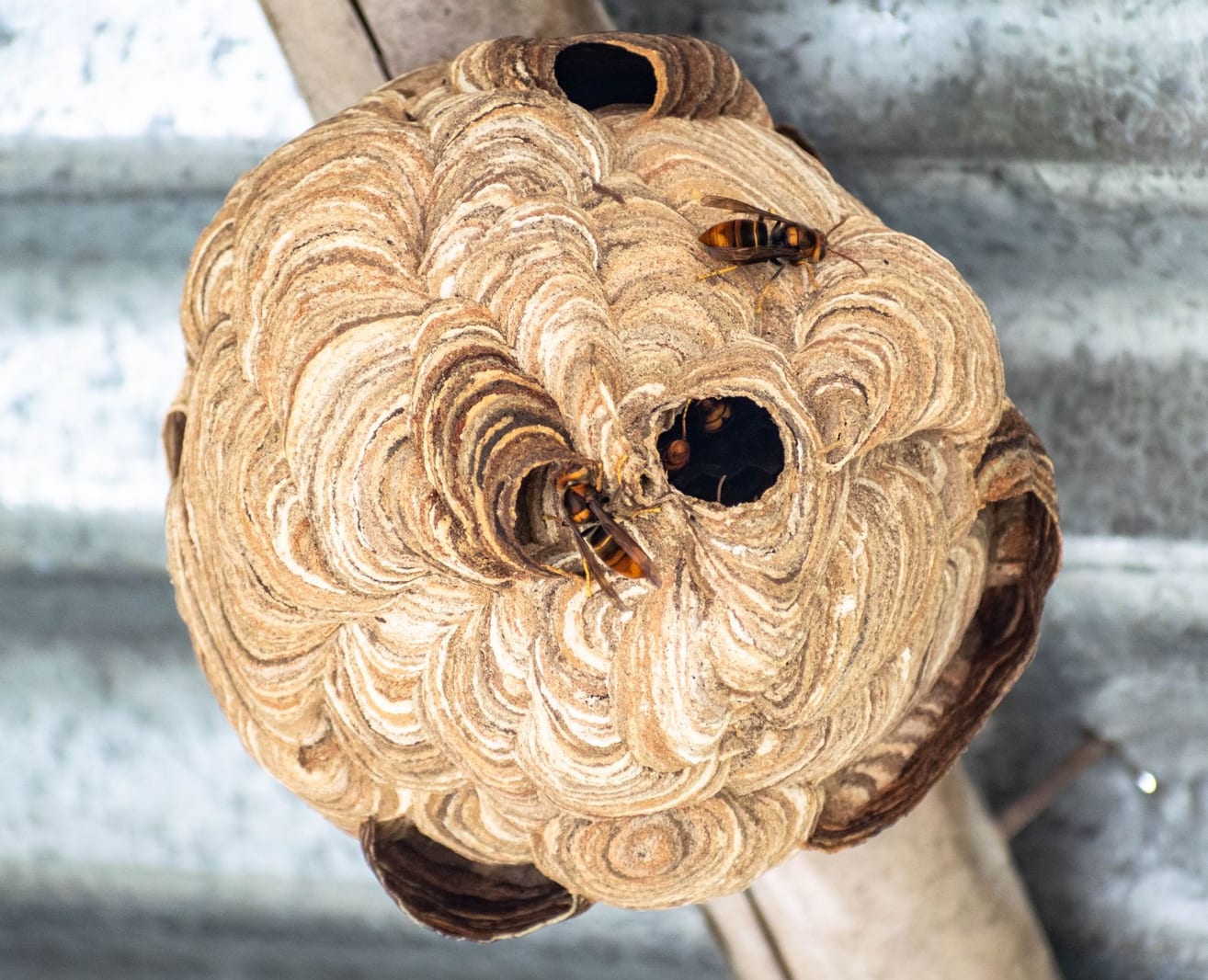
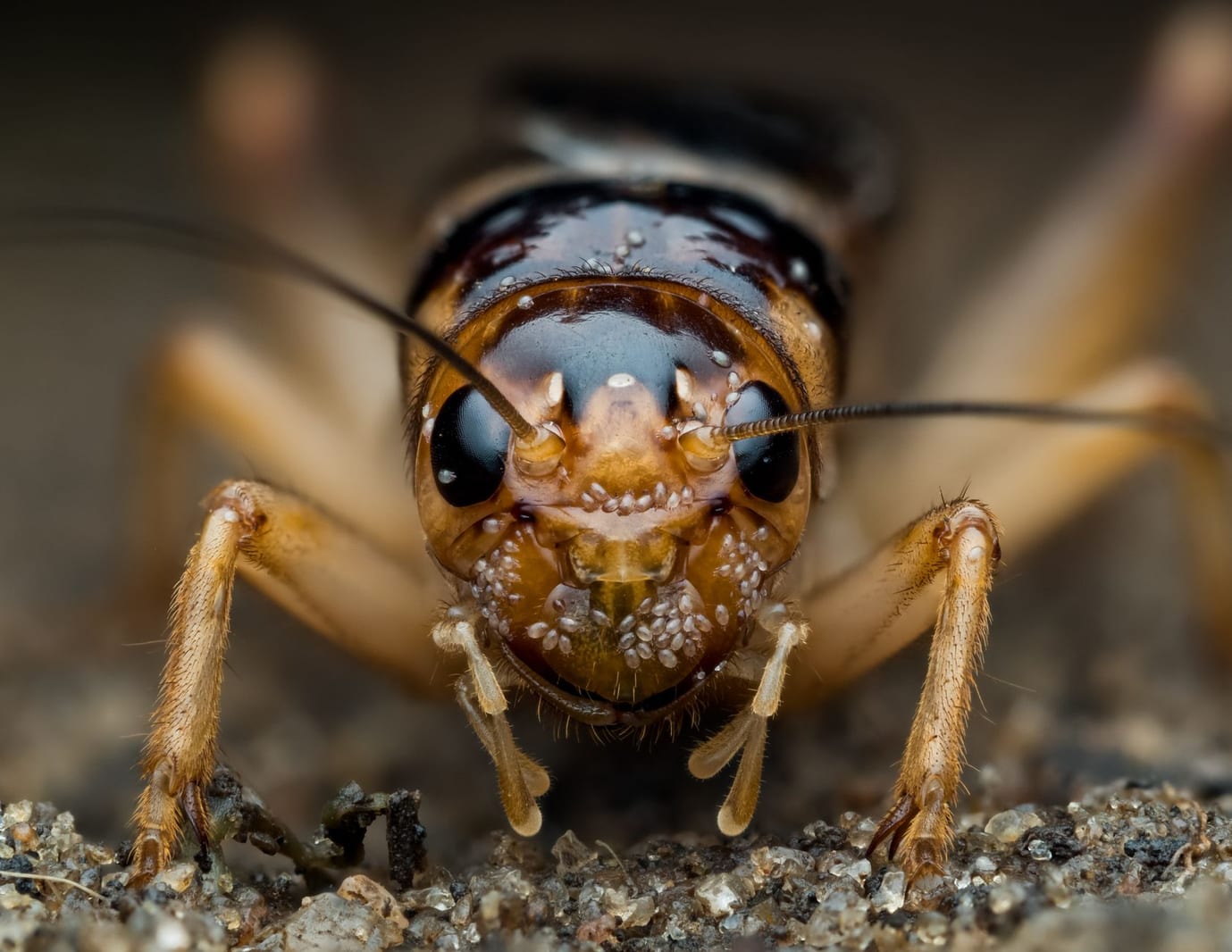
Ants and stinging insects round out the rest of what I see regularly here — pavement ants coming up through cracks in the concrete stoops and foundations that are standard on these homes, and yellowjacket or wasp nests in eaves, sheds and the same mature trees that bring the wildlife pressure. Spring emergence for the ants runs March through May, which matches the borough-wide pattern, but Queens Village homeowners deal with it as a yard and foundation issue rather than the indoor apartment problem it becomes in denser parts of Queens. A cracked concrete stoop or an unsealed expansion joint is usually all the pavement ants need, and sealing it is a permanent fix in a way that a single spring treatment on its own never is.
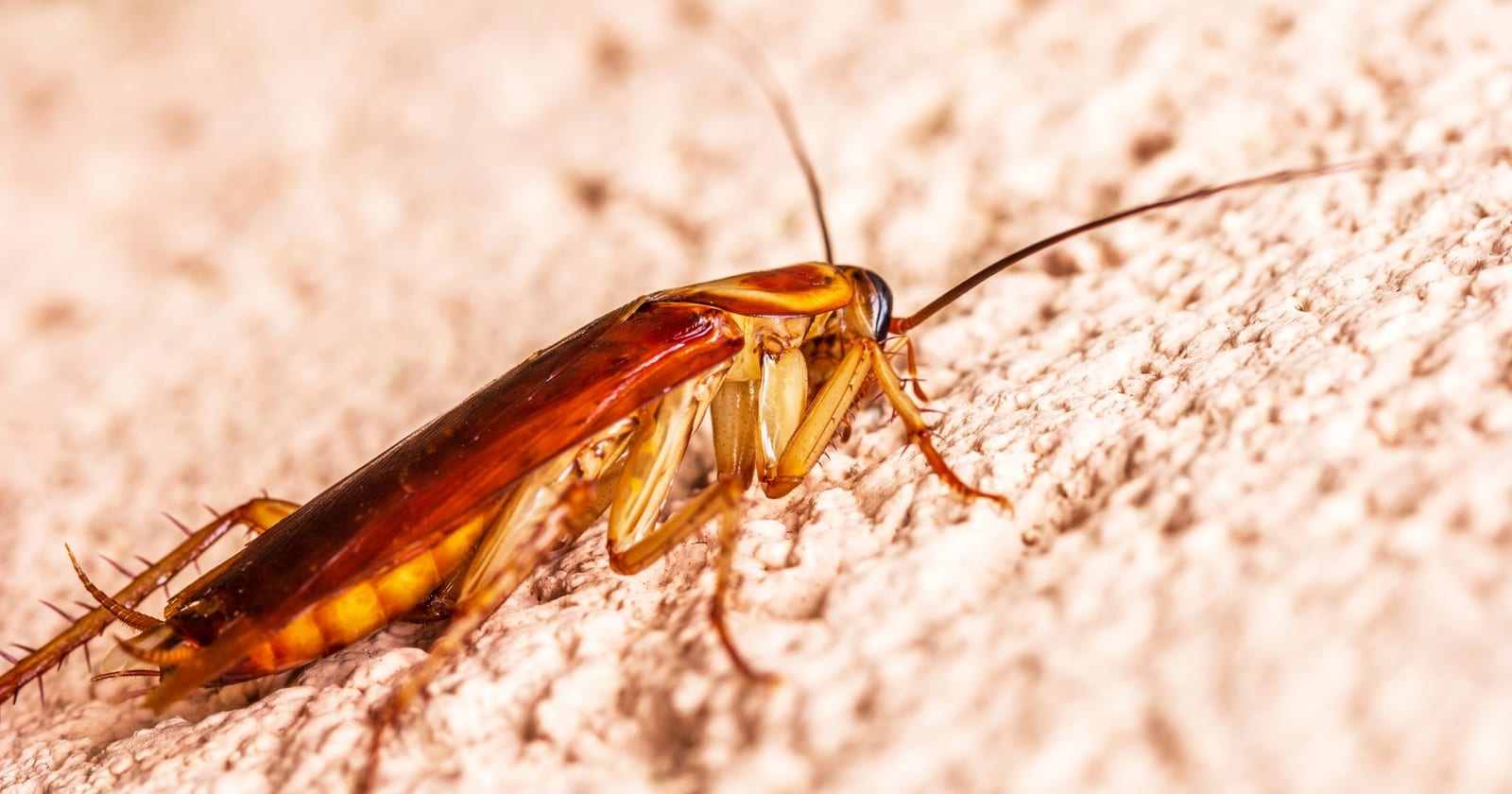
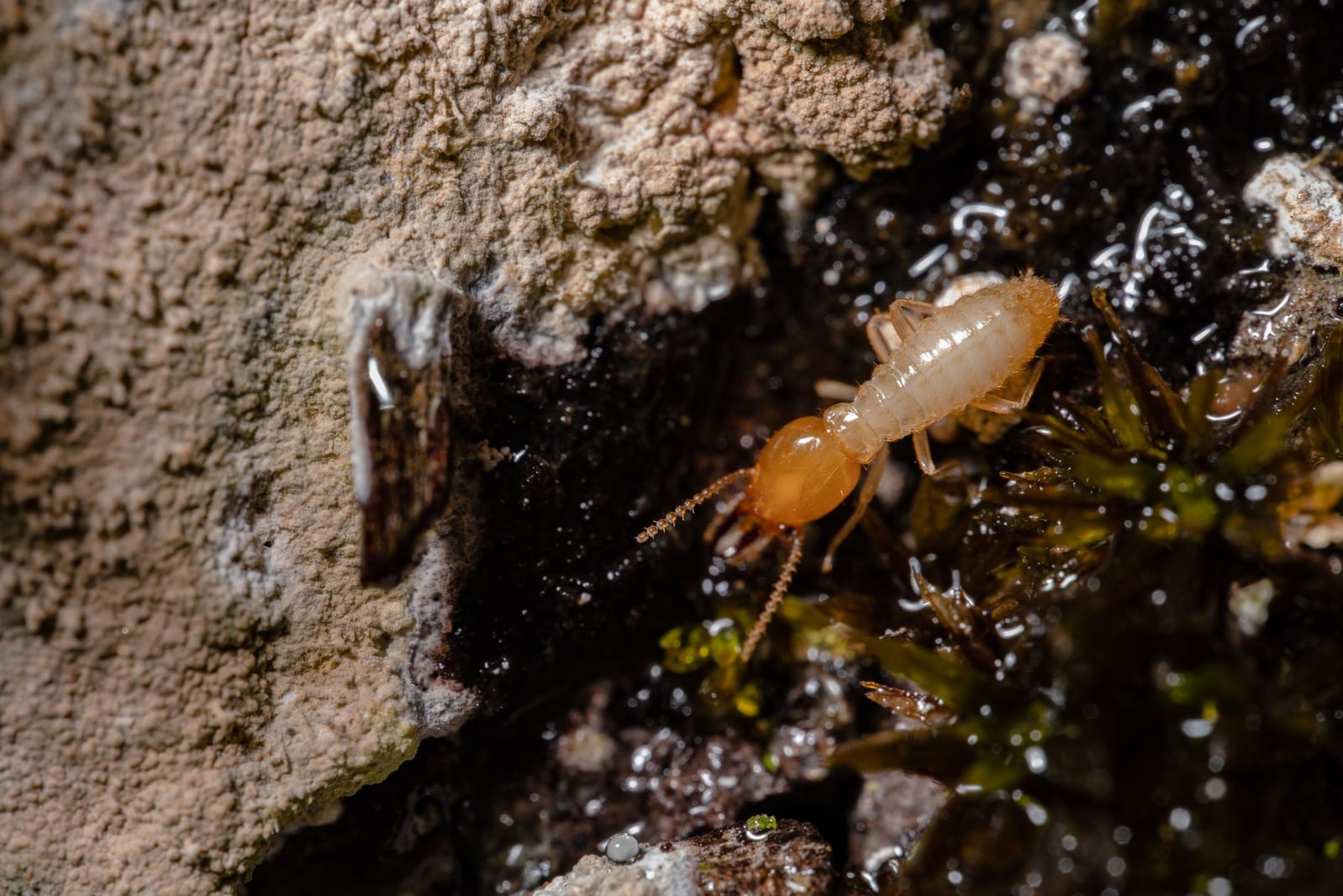
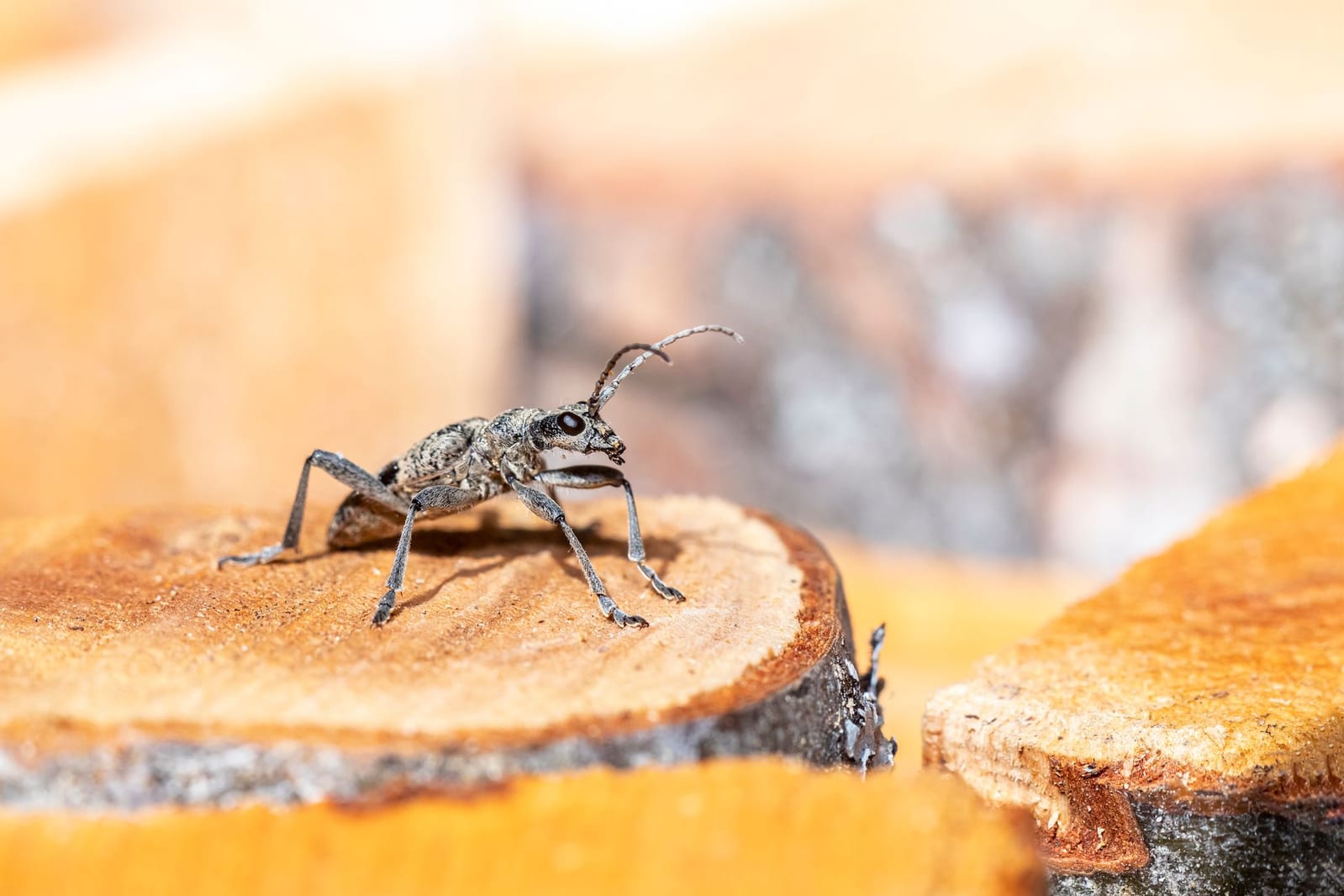
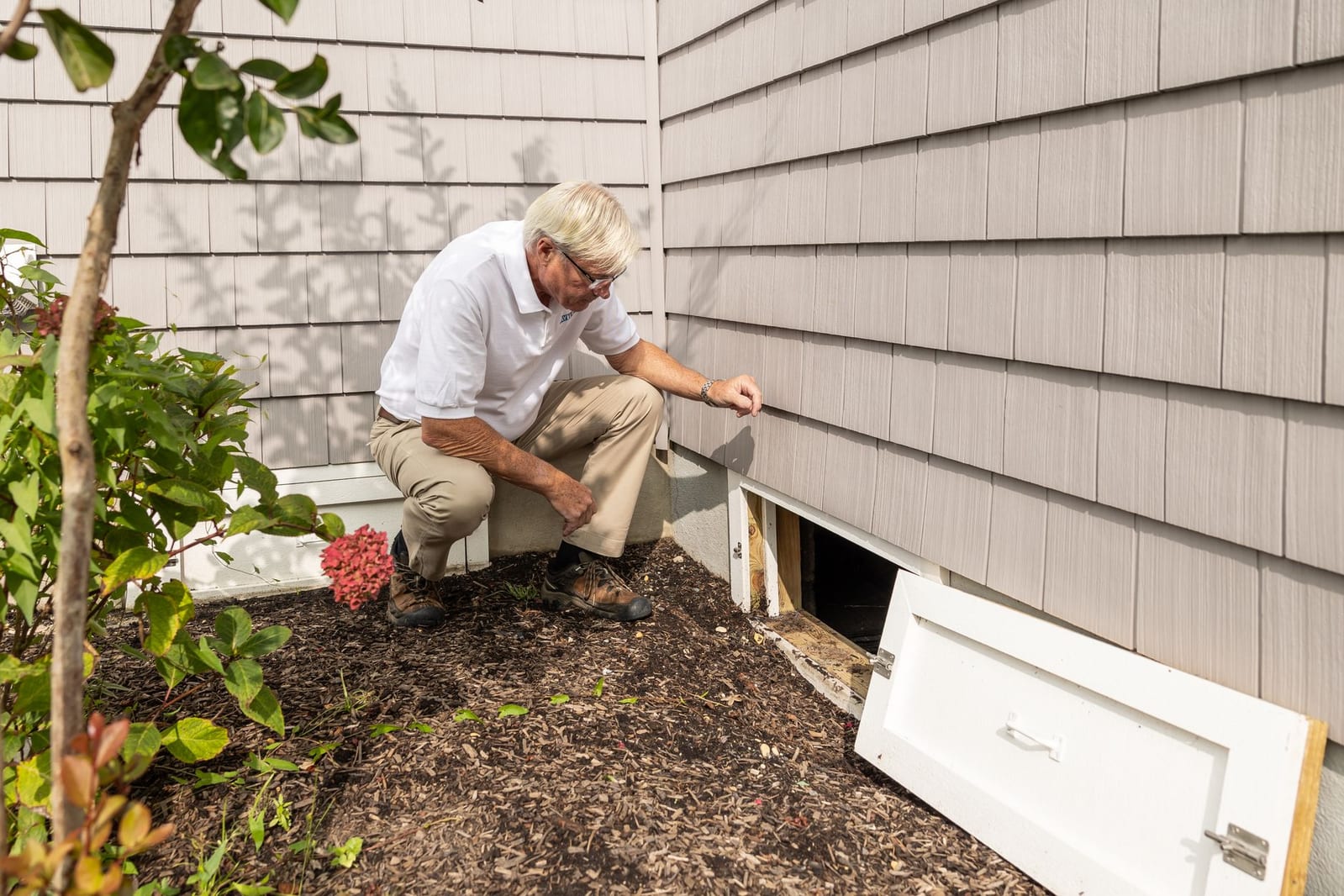
Where these homes do get indoor pest problems, it's almost always tied to a basement or crawl space moisture issue — a sump pump that isn't keeping up, a foundation crack letting groundwater in, or an unfinished crawl space with no vapor barrier. That moisture is what draws carpenter ants and the occasional American cockroach ('water bug') up into the living space, and fixing the moisture source is usually more of the job than the pest treatment itself, especially in the older homes closer to Jamaica Avenue. I check the sump pump and grading around the foundation before I treat anything indoors on these calls, because a homeowner who fixes the treatment but not the water source is booking a repeat visit for the following year.
None of this means Queens Village is pest-free — it means the pest mix here runs almost opposite to what I see three or four miles away in Jackson Heights or Flushing. There's no shared-wall transmission risk for bed bugs moving apartment to apartment, because there typically isn't an adjoining apartment; the concerns are property-specific rather than building-wide, which generally makes them faster and more contained to resolve once identified, provided the homeowner deals with the moisture or harborage source rather than just the pest itself. That's generally good news for a Queens Village homeowner: the fix is usually a single property, not a building-wide campaign involving a super, a management company and every other tenant on the line.
What the city's own data says about Queens Village
Residents of Queens Village filed 70 rodent complaints with NYC 311 in the July 2025 – July 2026 period — the 20th highest of the 21 neighborhoods we cover. Over the same window the Health Department carried out 134 rodent inspections in these ZIP codes, and 9% of them failed for active rat activity (12 inspections).
Bed bugs are tracked separately. Under Local Law 69 of 2017, every multiple-dwelling owner in the city files an annual bed bug report with HPD. Across every filing covering Queens Village's ZIP codes, 350 dwelling units were reported infested out of 29,547 — an infestation rate of 1.18%, the highest of the 21 neighborhoods we cover.
We publish the citywide version of this analysis, ranked by borough and ZIP code, in our rattiest NYC neighborhoods report — free to cite, quote or embed.
A complaint count measures where rats get reported, not where they all live — a block that calls 311 is not necessarily worse off than a block that has given up on calling. The inspection failure rate is the harder number: it is what a city inspector actually found on site. The bed bug rate is a landlord's own filing, so it understates buildings that never filed. Source: NYC Open Data — NYC 311 Service Requests + DOHMH Rodent Inspection + HPD Bedbug Reporting (NYC Open Data). Retrieved 2026-07-10.
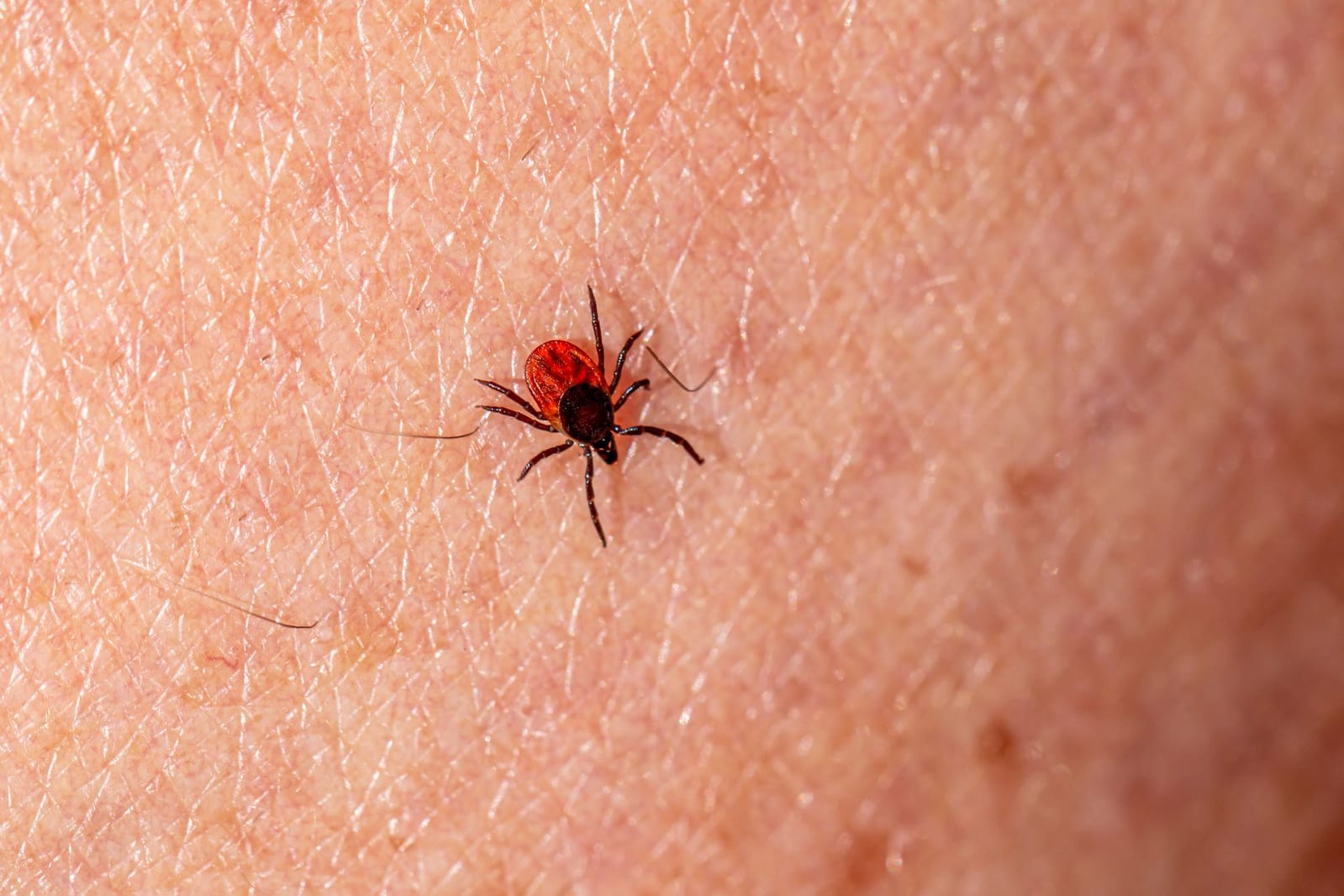
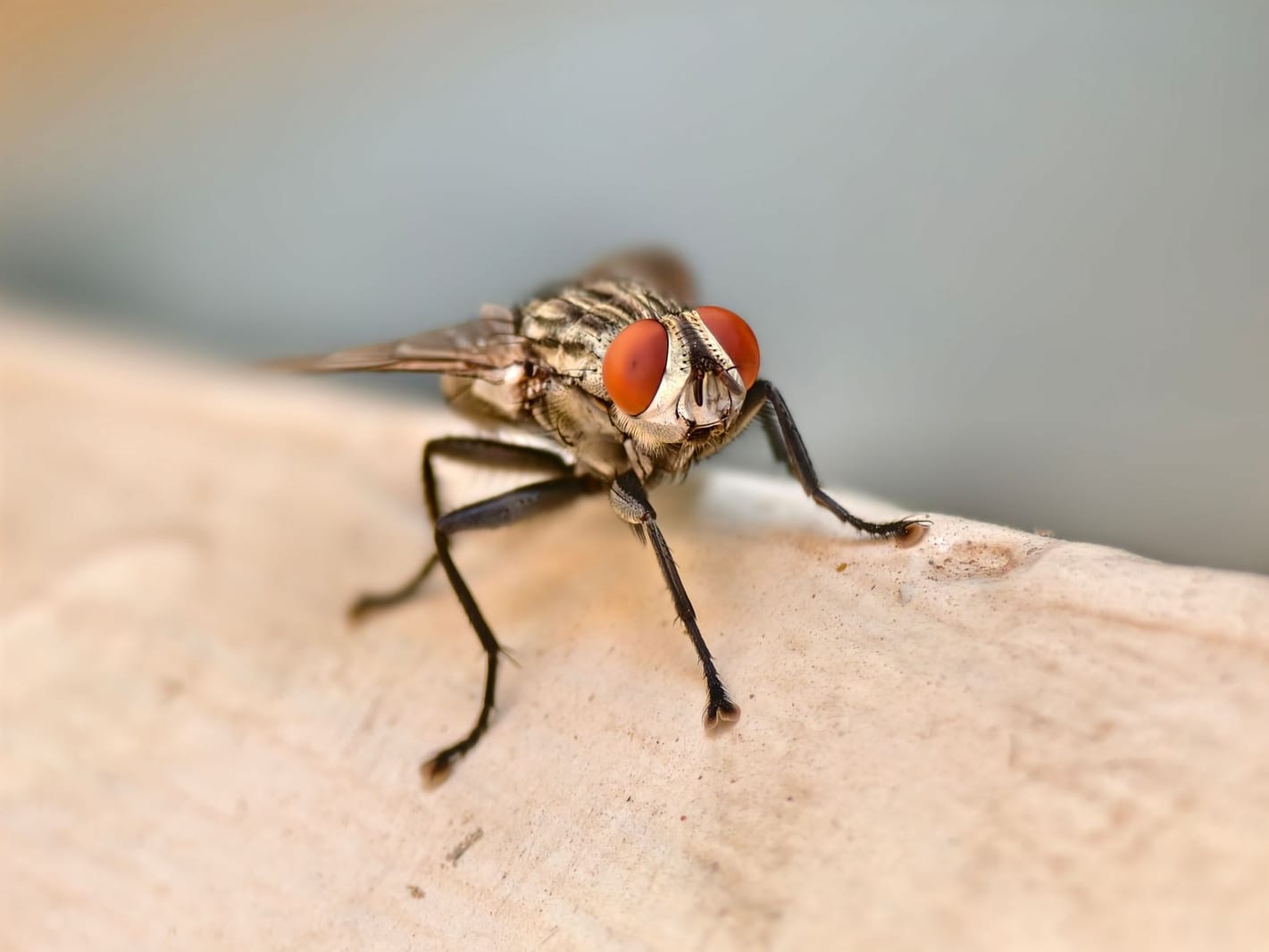
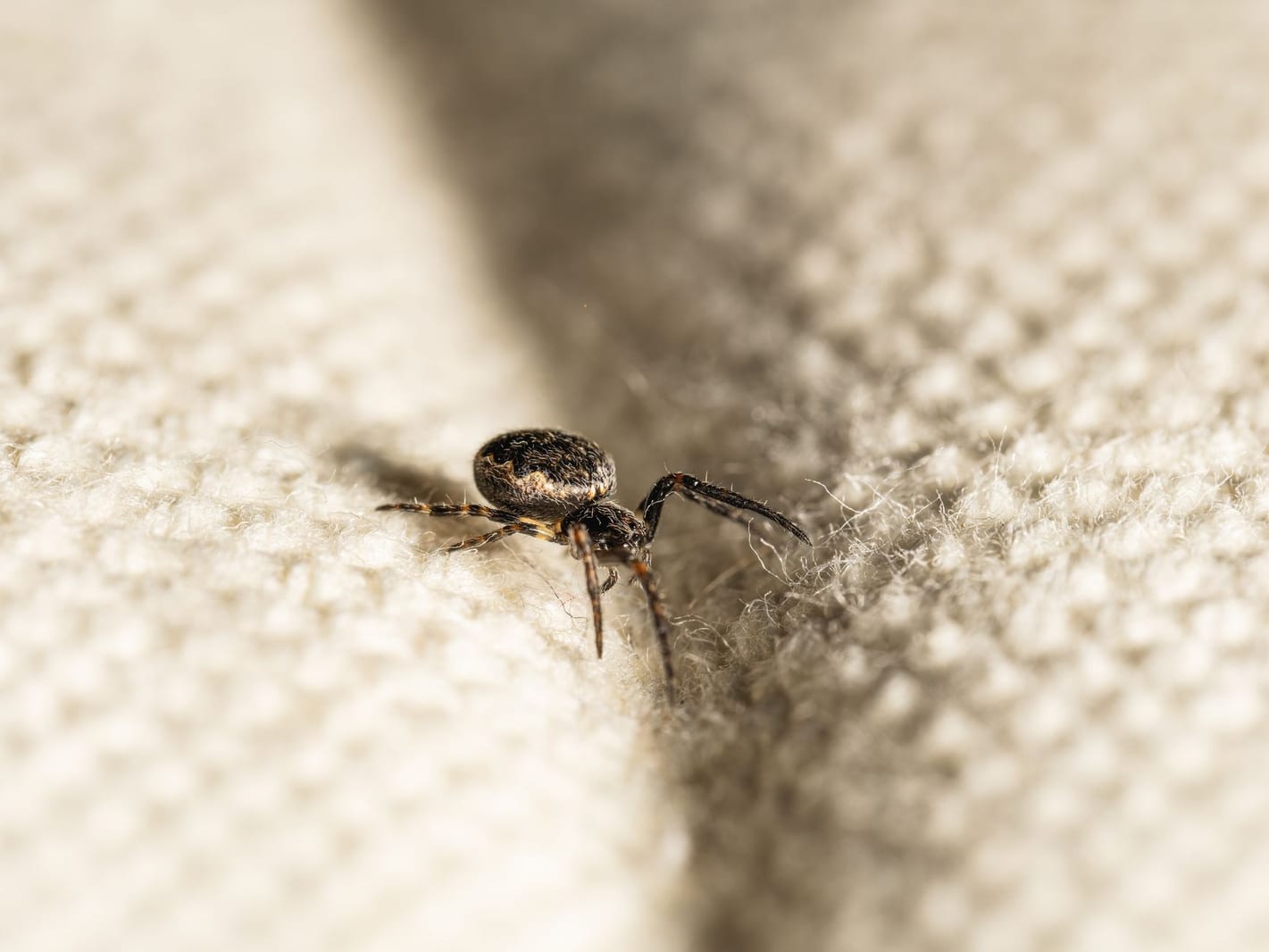
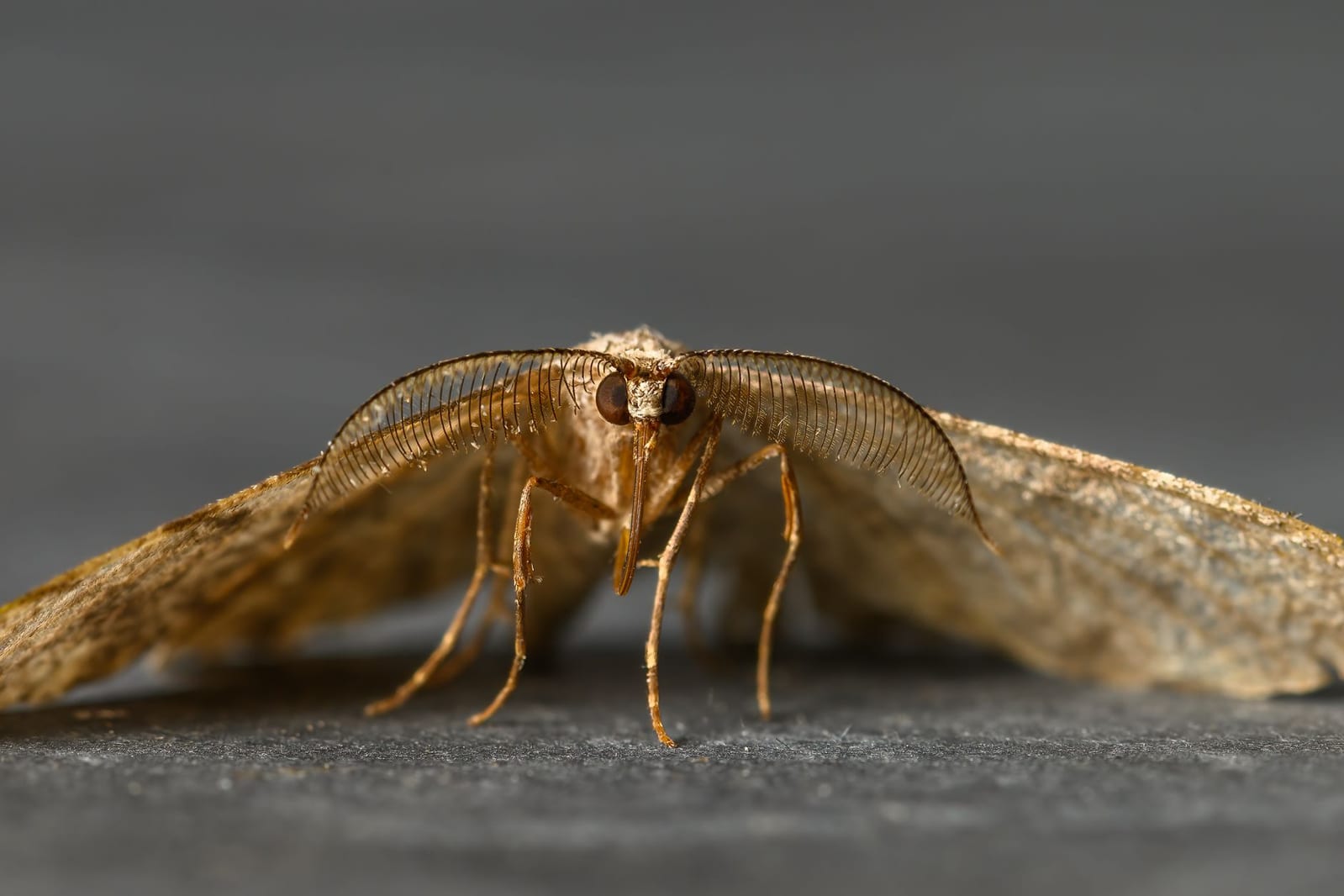
Common pests in Queens Village
The issues we treat most here: rodents, ants, stinging insects, wildlife. We serve Jamaica Avenue, Cross Island Parkway, Alley Pond Park and the wider area across ZIPs 11427, 11428, 11429.