Pest control built for West Village
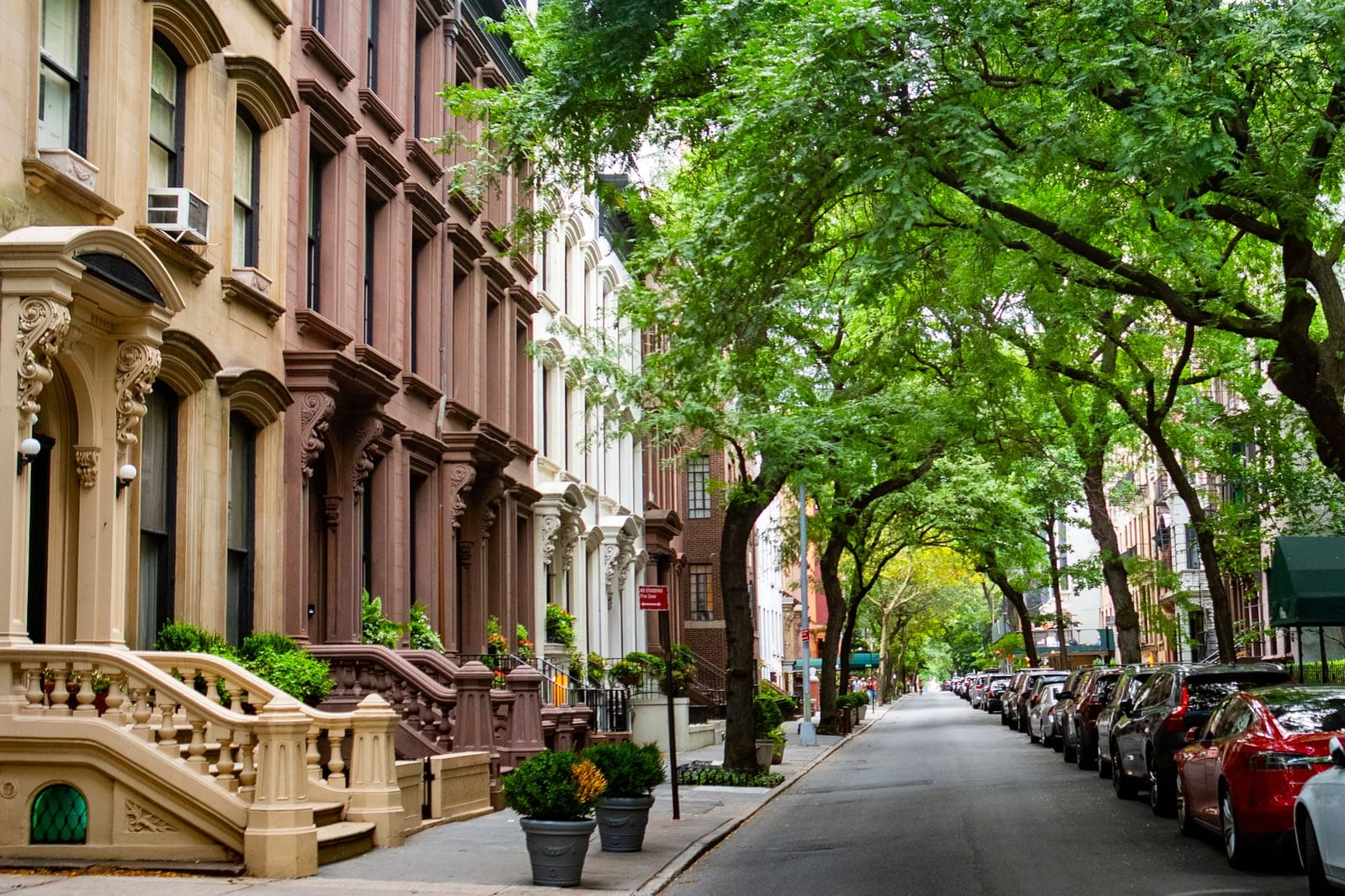
The West Village's street grid predates Manhattan's 1811 Commissioners' Plan entirely — Bleecker, Christopher, and Jane Streets bend and dead-end in ways no other Manhattan neighborhood does, and the housing that fills them is correspondingly older and lower: three- and four-story Federal-era rowhouses and early brick townhouses rather than the six-story tenement walk-ups that dominate the East Village a few blocks over. Lower building height means fewer stacked units sharing a single plumbing riser, which is one real reason this neighborhood's pest complaint volume runs lower than almost anywhere else in Manhattan we cover. It's a genuinely different structural starting point from a six-story East Village tenement, and it shows up directly in how few units share a single vulnerable riser line.
The Meatpacking District sits at the West Village's northern edge along Gansevoort Street and the western end of 14th Street, and its dense cluster of restaurants and nightclubs generates the same food-waste-driven rodent pressure any commercial strip does — it just has less residential density immediately behind it than a corridor like 9th Avenue in Chelsea, so the effect is more contained. Buildings directly on the Gansevoort block and the cobblestone streets running south of it see the most spillover; buildings further into the historic townhouse blocks toward Hudson Street see comparatively little, since the lower residential density behind the district limits how far the pressure travels before it dissipates.
Most of the West Village sits inside the Greenwich Village Historic District, and that designation genuinely changes what an exterminator can do here versus a neighborhood without landmark protection: exterior alterations like new vent covers, door sweeps mounted to a landmarked facade, or foundation patch work visible from the street require Landmarks Preservation Commission sign-off before a building can make them. In practice, that means exclusion work in these townhouses leans harder on interior sealing — wall voids, baseboards, under-sink penetrations — because the fastest fixes available in a non-landmarked building aren't always available here without a permitting delay. Planning that interior-first sequence before a job starts, rather than discovering the permitting constraint mid-treatment, is standard practice on every West Village service call.
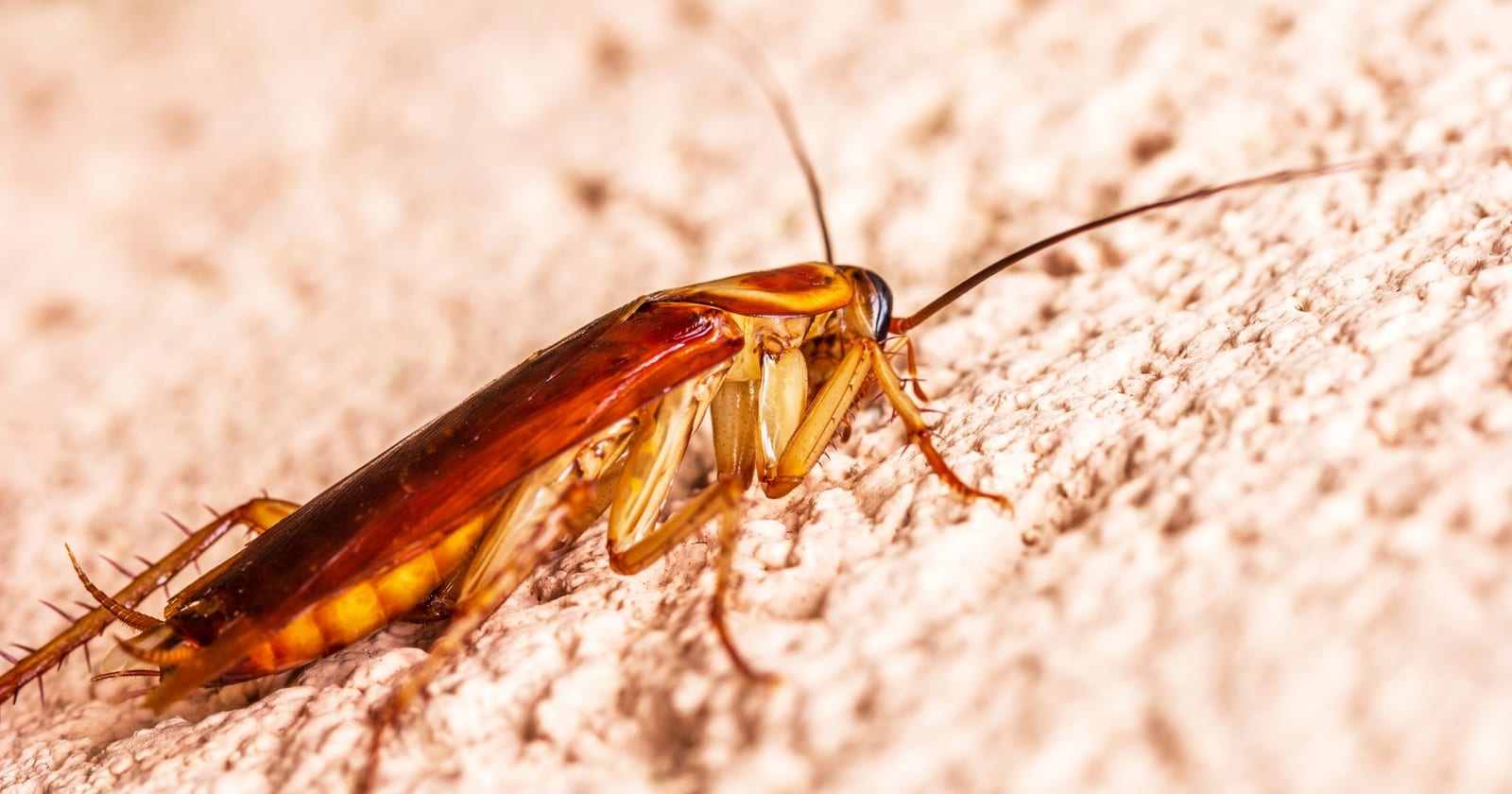
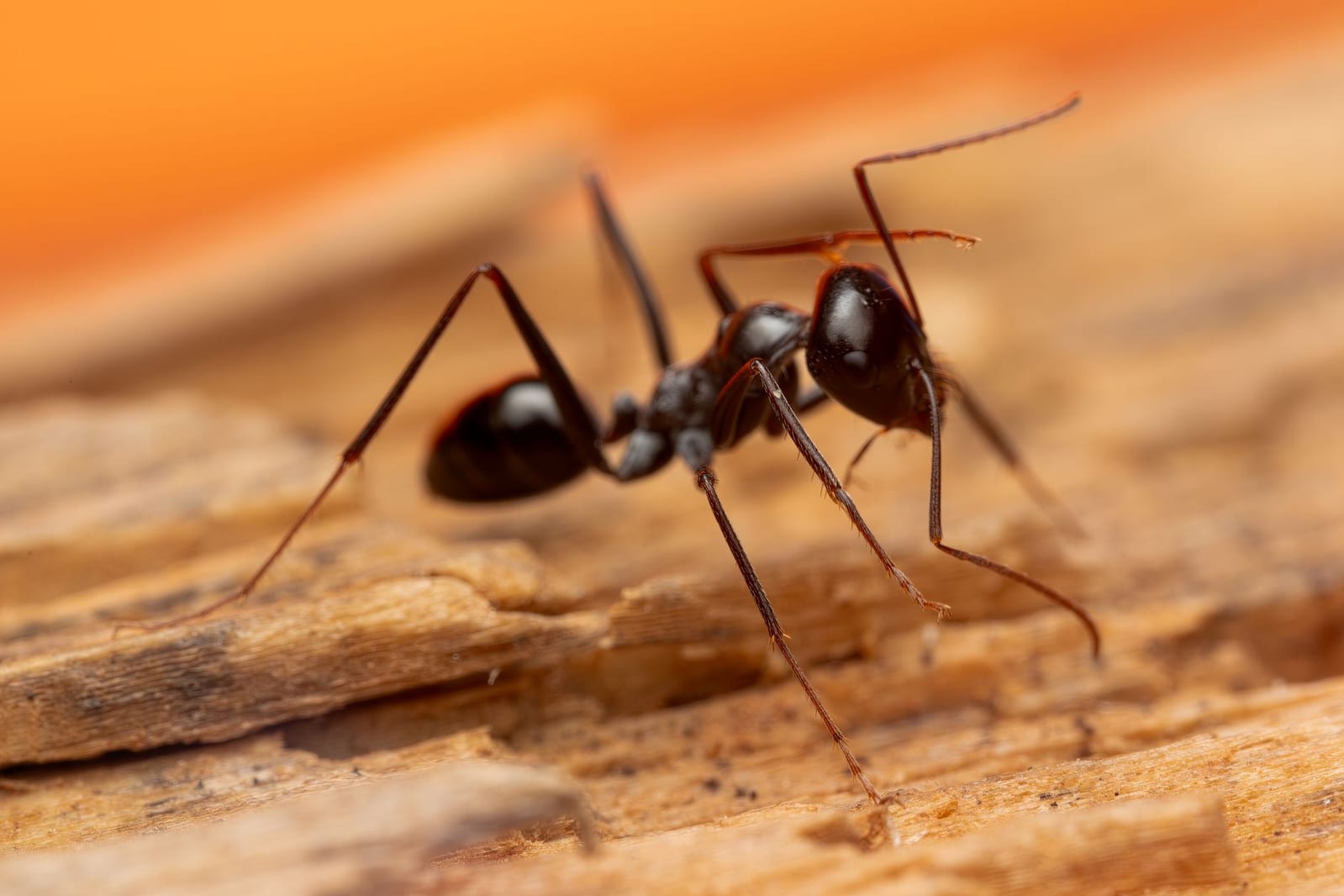
Garden-level and basement units in the historic townhouse stock along Bank, Jane, and Christopher Streets sit closest to original 19th-century foundations, and those foundations were built with lime mortar and drainage assumptions that don't match current code. Ants find their way in through mortar cracks at grade, and American cockroaches — water bugs — surface from original below-grade drains after humid stretches, the same mechanism you'd see in a Greenwich Village row house but on streets with far fewer restaurants generating the food waste that would otherwise sustain a larger colony. Sealing the foundation cracks directly, rather than treating only the visible activity indoors, is what actually stops both problems from recurring.
The West Village's DOHMH numbers are genuinely among the lowest of any Manhattan ZIP code we track — low complaint volume and a moderate inspection failure rate that sits well under Harlem's or the Upper East Side's. Part of that is the building stock itself: a higher share of owner-occupied townhouses and long-tenured rent-stabilized tenants means less of the high-turnover rental churn that spreads bed bugs and invites deferred maintenance elsewhere in Manhattan. It doesn't mean zero risk — it means the baseline pressure here is structurally lower, not that residents can skip prevention, and the handful of larger rental buildings that do exist here still see the same pressure a comparable building would anywhere else.
Hudson River Park runs the length of the West Village's western edge along Hudson and West Streets, and the waterfront brings its own seasonal mosquito pressure to the blocks closest to the water, along with the higher humidity that keeps silverfish and centipedes active in below-grade apartments year-round. It's a much smaller pressure source than the restaurant corridors are for rats, but it's the reason ground-floor units on West Street see more standing-water insect activity than blocks just two streets inland, particularly after a stretch of summer rain collects in the park's low-lying planted sections and drains slowly through the older storm infrastructure beneath the esplanade, a drainage quirk that has nothing to do with any individual building's own upkeep.
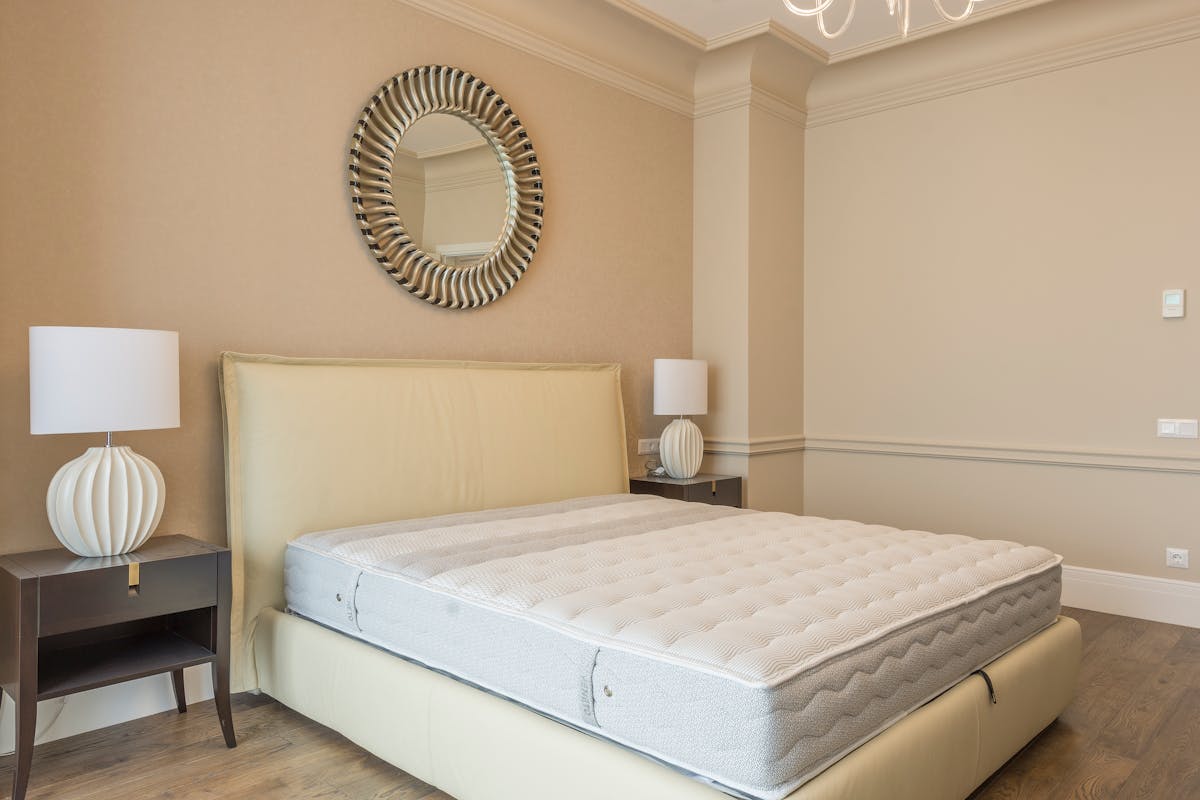
Bed bug calls in the West Village follow the citywide pattern of travel and secondhand furniture rather than a building-density driver, given how few large multi-unit rental buildings exist here compared to the East Village or Chelsea. Rodent entry season still runs September through November as it does everywhere in Manhattan, but the historic townhouse foundations mean exclusion work has to be planned around landmark rules well before the cold weather hits, not scheduled reactively once mice are already in the walls. Getting ahead of that permitting timeline in late summer is the single most useful thing a West Village homeowner can do before the October entry window opens, and it's advice we repeat every year to owners who wait until the first cold snap to call.
What the city's own data says about West Village
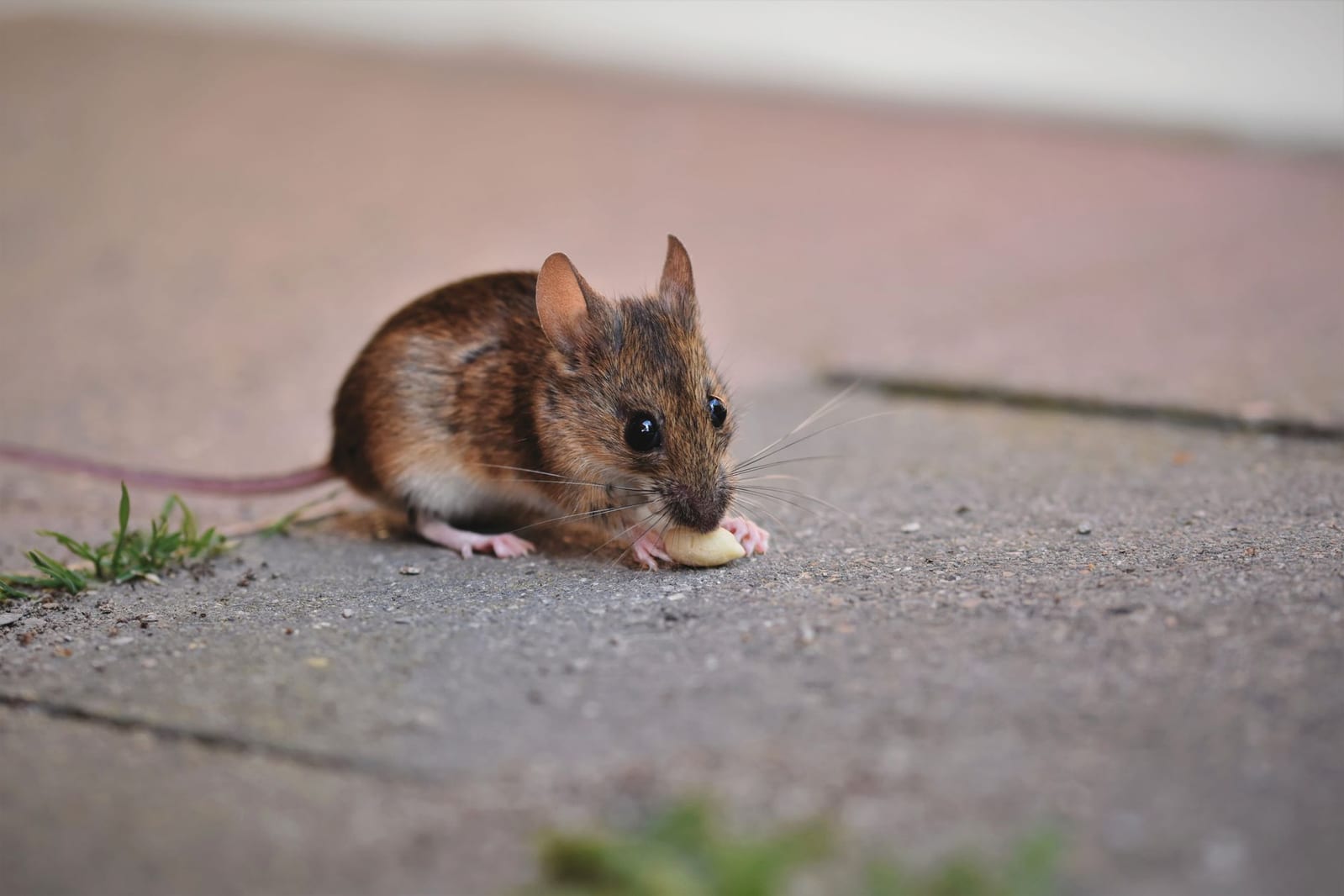
Residents of West Village filed 110 rodent complaints with NYC 311 in the July 2025 – July 2026 period — the 18th highest of the 21 neighborhoods we cover. Over the same window the Health Department carried out 1,265 rodent inspections in these ZIP codes, and 13.4% of them failed for active rat activity (169 inspections).
Bed bugs are tracked separately. Under Local Law 69 of 2017, every multiple-dwelling owner in the city files an annual bed bug report with HPD. Across every filing covering West Village's ZIP codes, 490 dwelling units were reported infested out of 167,066 — an infestation rate of 0.29%, the 13th highest of the 21 neighborhoods we cover.
We publish the citywide version of this analysis, ranked by borough and ZIP code, in our rattiest NYC neighborhoods report — free to cite, quote or embed.
A complaint count measures where rats get reported, not where they all live — a block that calls 311 is not necessarily worse off than a block that has given up on calling. The inspection failure rate is the harder number: it is what a city inspector actually found on site. The bed bug rate is a landlord's own filing, so it understates buildings that never filed. Source: NYC Open Data — NYC 311 Service Requests + DOHMH Rodent Inspection + HPD Bedbug Reporting (NYC Open Data). Retrieved 2026-07-10.
Common pests in West Village
The issues we treat most here: rodents, cockroaches, bed bugs, ants. We serve Bleecker Street, Hudson Street, Meatpacking District, Christopher Street, Jane Street and the wider area across ZIPs 10014.