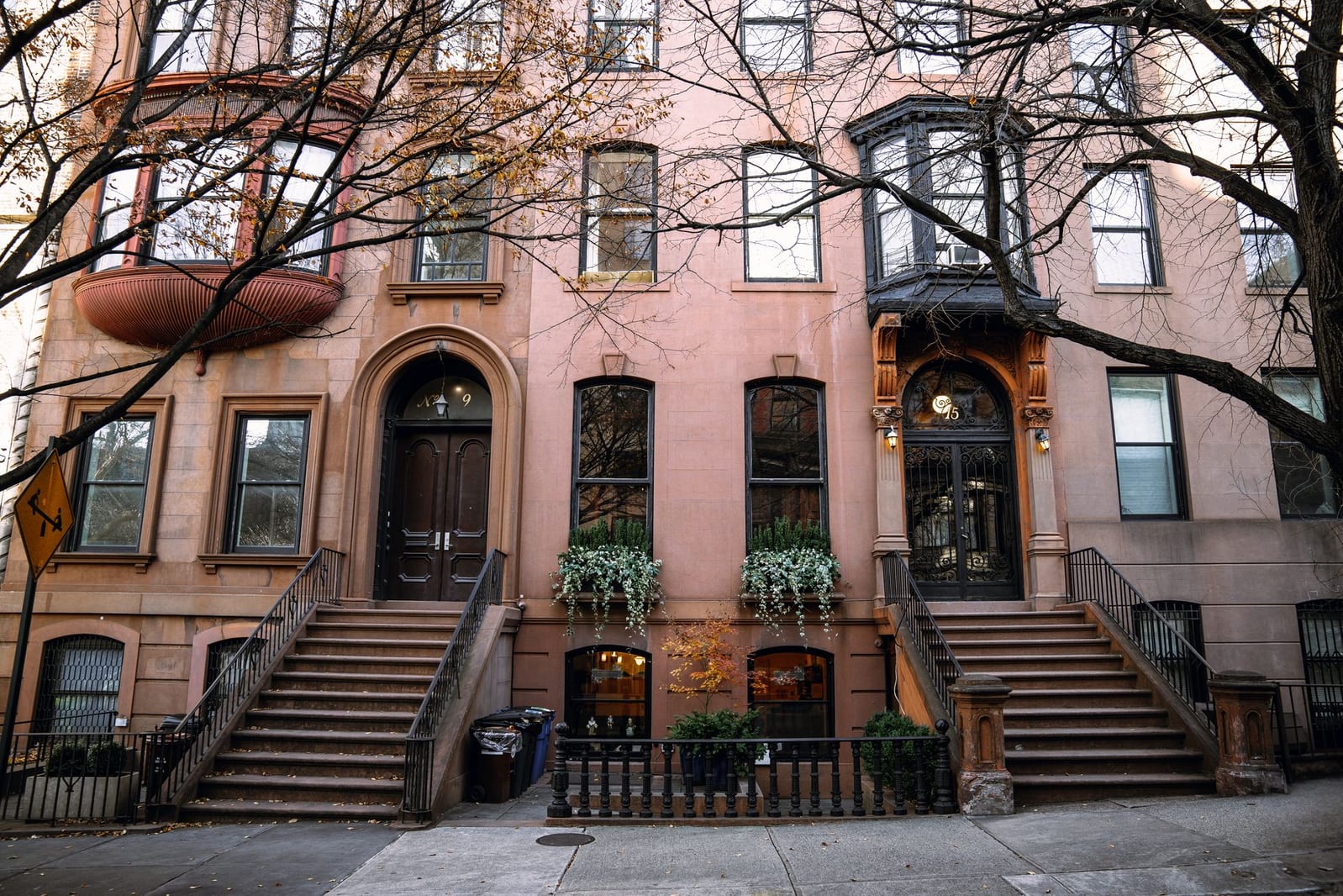
Pest control built for Park Slope
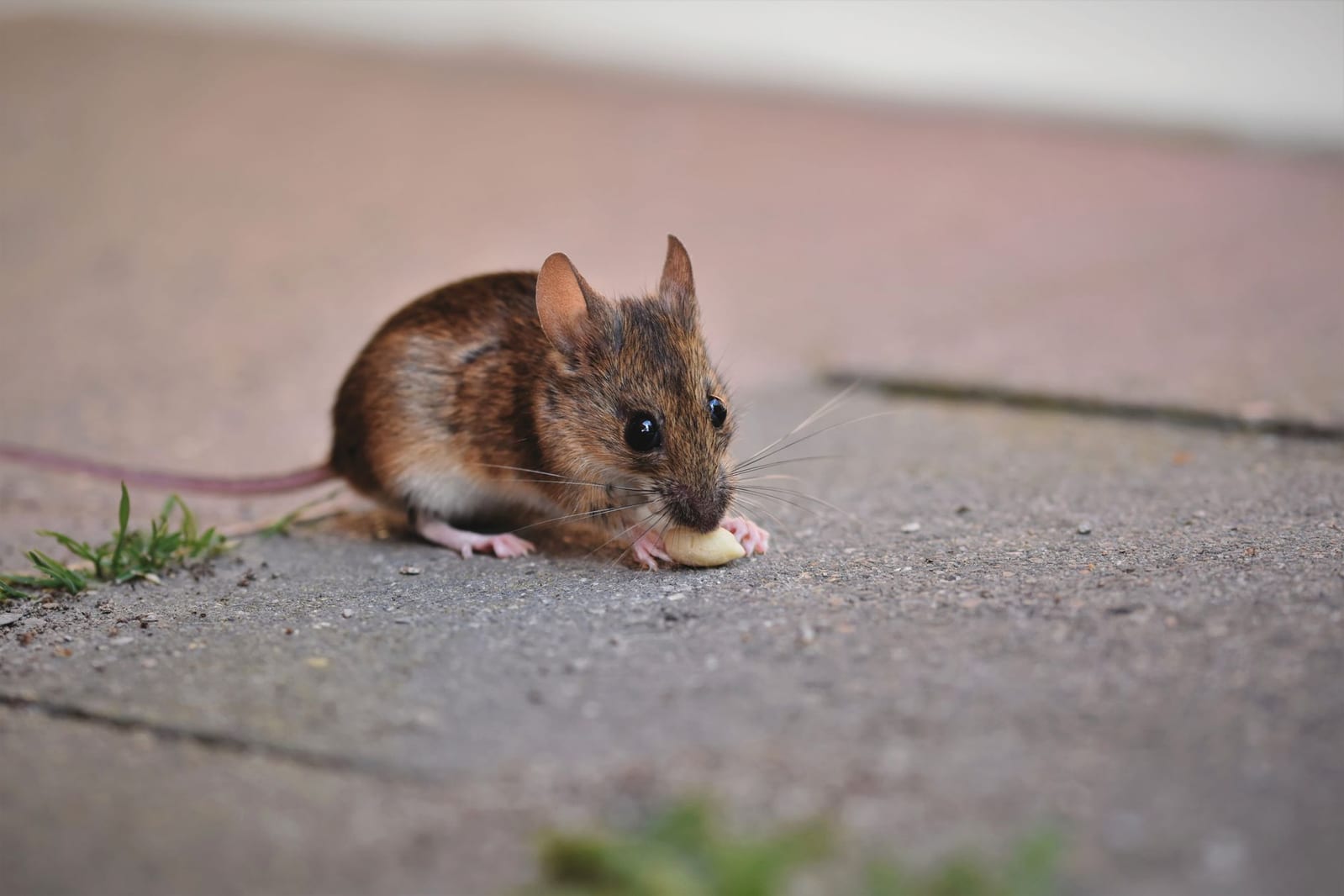
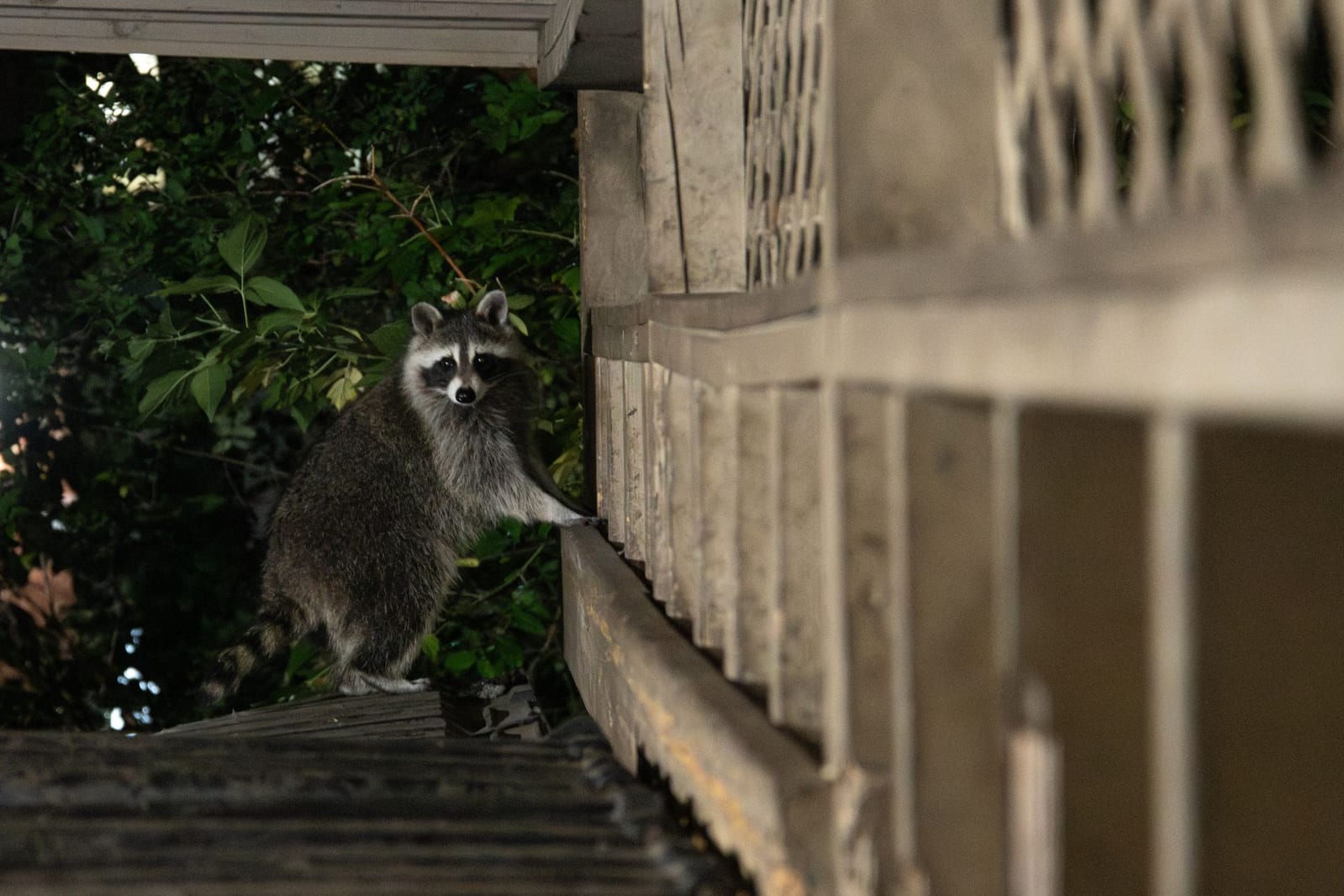
Here's a number that surprises people: when a DOHMH inspector actually checks a Park Slope address for rat activity, they confirm it more often than in any other neighborhood we track — a higher share of failed inspections than Bed-Stuy posts, despite Bed-Stuy generating roughly twice the 311 complaints and many times the inspection volume. Complaint volume measures how loudly a neighborhood calls 311; it doesn't measure how often an inspector who actually shows up finds a rat. Park Slope calls in less than Bed-Stuy does, and gets far fewer visits overall, but when the city does check, it finds more — which says something about where the pressure is actually hiding, not about how much noise the neighborhood makes.
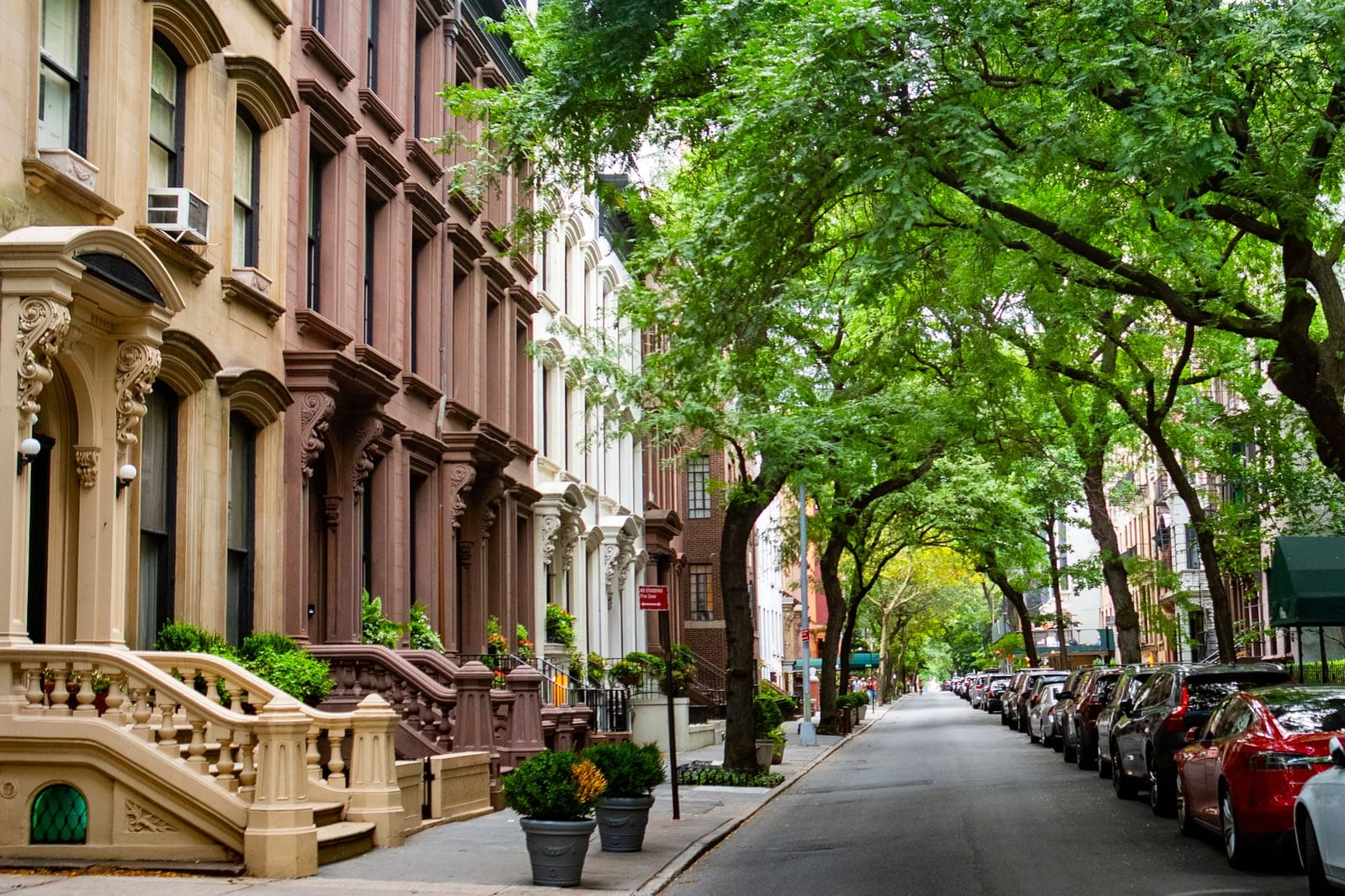
Part of the explanation is likely the housing stock itself. Park Slope's brownstones and limestone row houses back onto private rear yards and gardens rather than the shared paved lots common elsewhere in the borough — soil, mulch, compost bins and mature plantings that give Norway rats soft ground to burrow in, cover from foot traffic, and food sources a concrete lot doesn't offer. A well-tended garden, ironically, is easier to burrow under than bare pavement, and homeowners who compost in their own rear yard — increasingly common here — are maintaining exactly the kind of soft, food-adjacent ground rats prefer.
The brownstone cellars themselves add to it. These are 80-to-130-year-old below-grade spaces with original stone or brick foundations, dirt floors in older unrenovated sections, and shared party walls running the length of the block — conditions that let a burrow travel from a neglected rear yard straight into a finished basement without the homeowner ever seeing the entry point outside. Because Park Slope's brownstone stock is largely owner-occupied and well-maintained above grade, an active rat problem in the cellar can go unnoticed for longer than it would in a rental building where tenants report issues quickly, sometimes for a full season before it surfaces as droppings near the boiler.
The neighborhood's edge along Prospect Park is another likely factor. Rats move along the park's tree lines and refuse areas and push into the residential blocks closest to Prospect Park West and Grand Army Plaza, especially once cooler weather sends them looking for warmth and cover in September and October. A brownstone backing onto a garden that's also a short foraging trip from the park's edge is getting pressure from two directions at once — outdoor harborage from the park, and soft rear-yard ground of its own — which no comparably built rental building three blocks from the park necessarily faces to the same degree.
Ongoing construction near the Gowanus rezoning and ordinary brownstone renovation work throughout the neighborhood also displaces established rat colonies, and displaced rats don't disappear — they relocate to the nearest undisturbed harborage, often a neighboring rear yard or cellar within two to three weeks of a site breaking ground. Park Slope has seen a steady run of exactly this kind of construction and gut-renovation activity for years. None of this proves a single cause; it's several plausible pressures — gardens, old cellars, the park edge, construction displacement — stacking on top of a housing stock old enough to have every entry point construction adds.
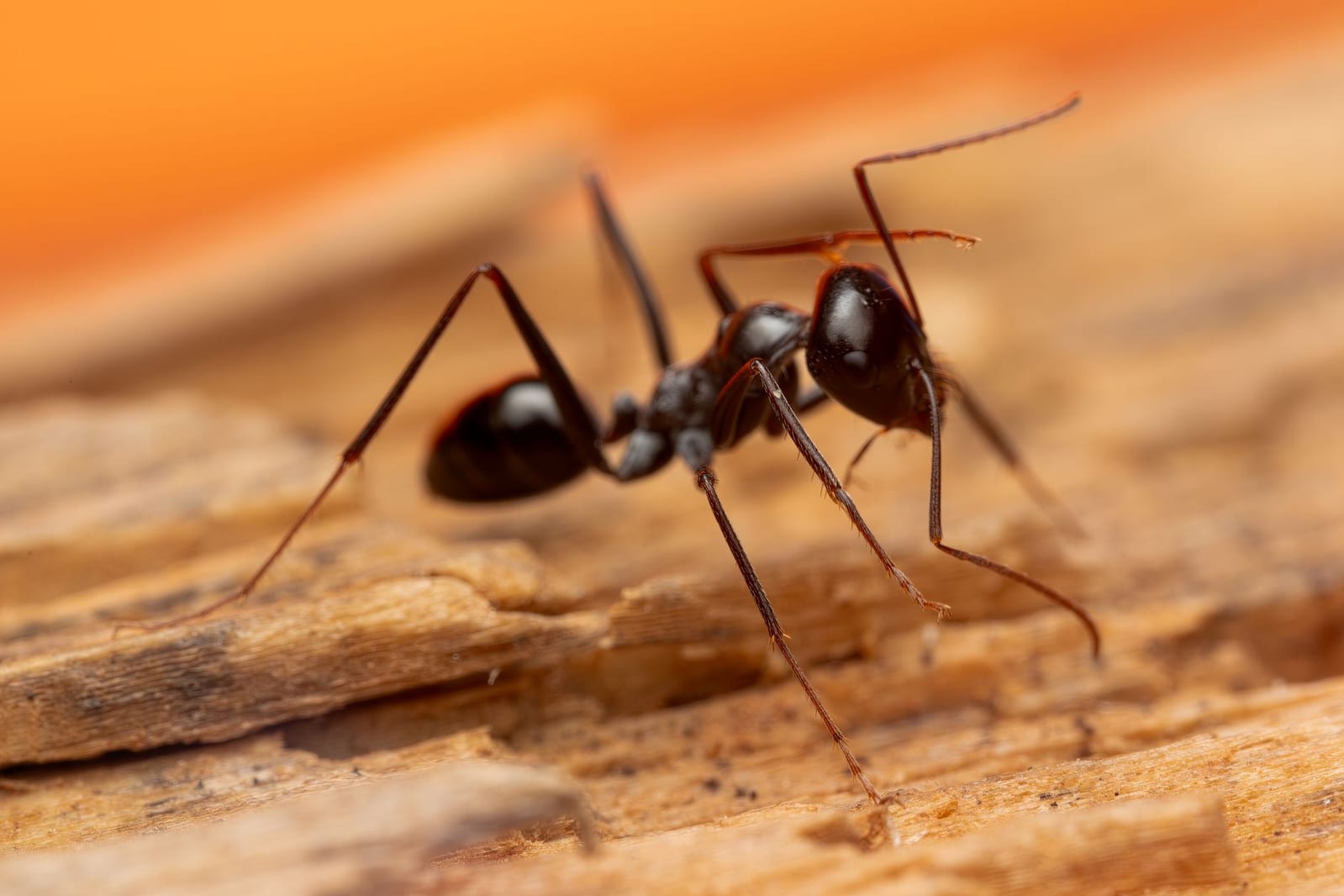
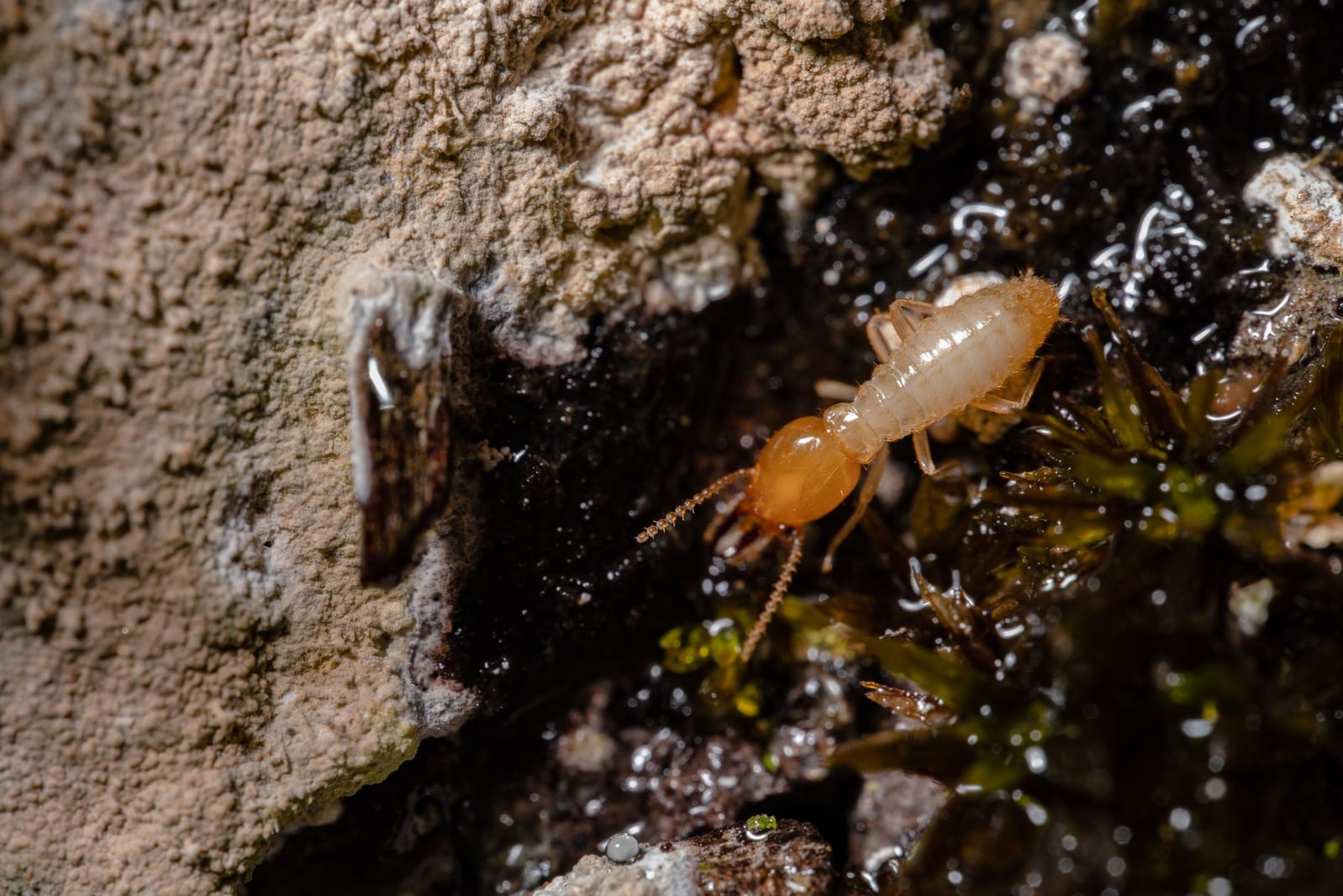
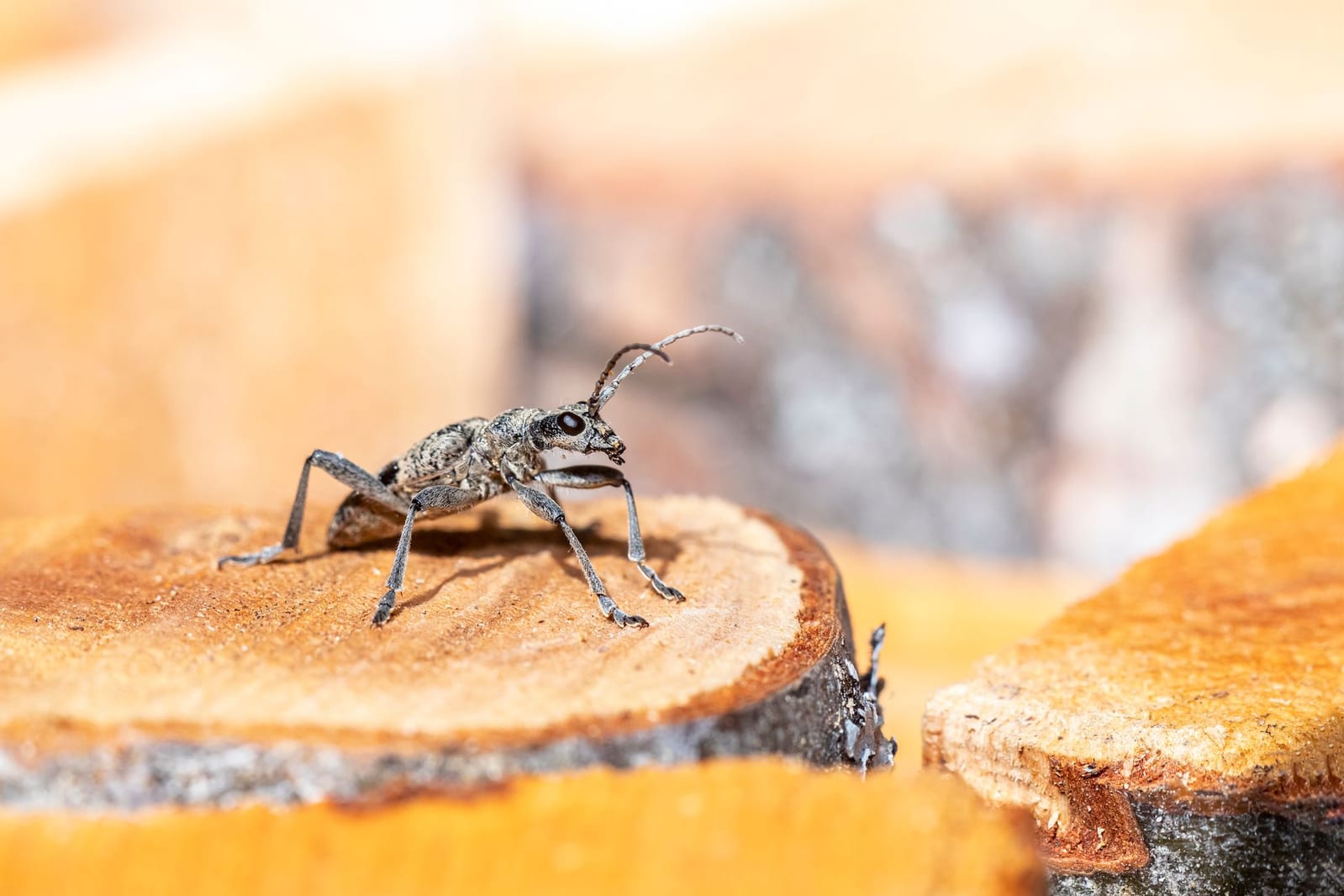
Carpenter ants are the other defining Park Slope pest, and they're a different story from the rat numbers — a moisture problem, not a foraging one. Mature London plane trees and sycamores lining these blocks provide a physical bridge from the canopy to brownstone roof trim and window frames, and carpenter ants nest in wood that's already wet from a leaking gutter or failed flashing. Termite pressure is real here too; sub-grade wood elements in century-old sill plates and floor joists near the foundation are a genuine issue, and Park Slope brownstone sales routinely require a WDI inspection report before the mortgage closes.
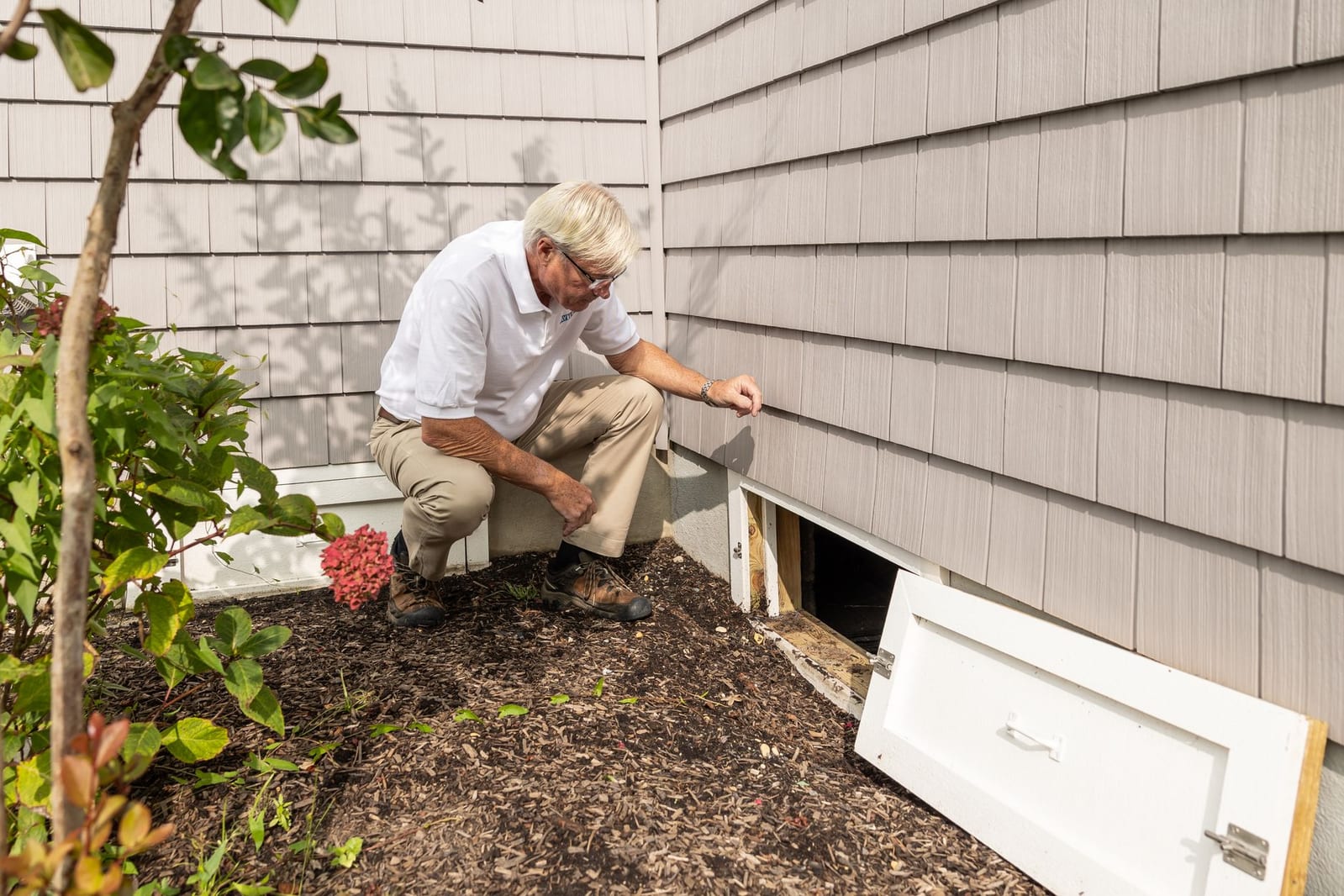
None of this means Park Slope is a worse-maintained neighborhood than Bed-Stuy or Flatbush — the opposite, if anything, given how well its brownstone stock is kept up above grade. It means rat pressure here comes from the yard and the cellar rather than the sidewalk, which changes where an inspection has to look. Effective treatment starts in the rear yard and basement, not the front stoop: mapping burrow activity along the garden's soil line, checking for foundation gaps where the cellar meets that soil, and only then moving to exclusion and bait placement along the actual travel corridors rats are using.
What the city's own data says about Park Slope
Residents of Park Slope filed 878 rodent complaints with NYC 311 in the July 2025 – July 2026 period — the 4th highest of the 21 neighborhoods we cover. Over the same window the Health Department carried out 1,391 rodent inspections in these ZIP codes, and 35% of them failed for active rat activity (487 inspections).
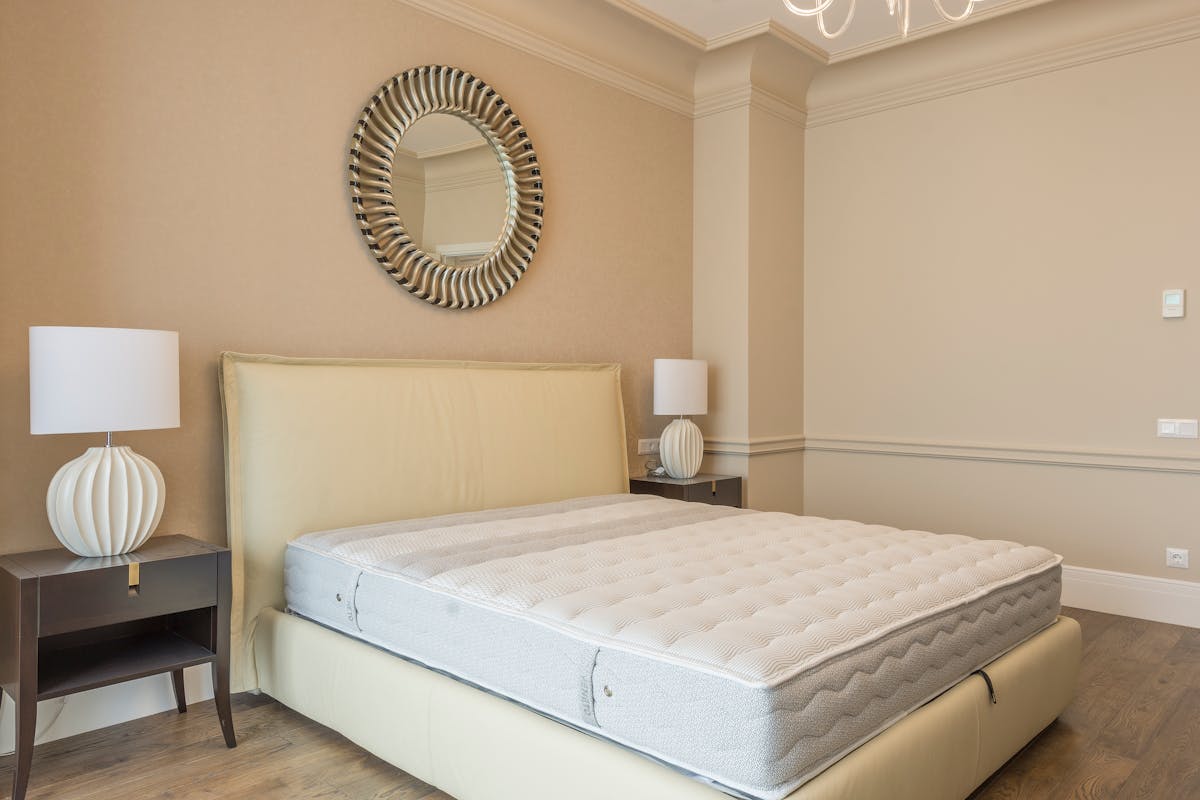
Bed bugs are tracked separately. Under Local Law 69 of 2017, every multiple-dwelling owner in the city files an annual bed bug report with HPD. Across every filing covering Park Slope's ZIP codes, 1,781 dwelling units were reported infested out of 370,439 — an infestation rate of 0.48%, the 11th highest of the 21 neighborhoods we cover.
We publish the citywide version of this analysis, ranked by borough and ZIP code, in our rattiest NYC neighborhoods report — free to cite, quote or embed.
A complaint count measures where rats get reported, not where they all live — a block that calls 311 is not necessarily worse off than a block that has given up on calling. The inspection failure rate is the harder number: it is what a city inspector actually found on site. The bed bug rate is a landlord's own filing, so it understates buildings that never filed. Source: NYC Open Data — NYC 311 Service Requests + DOHMH Rodent Inspection + HPD Bedbug Reporting (NYC Open Data). Retrieved 2026-07-10.
Common pests in Park Slope
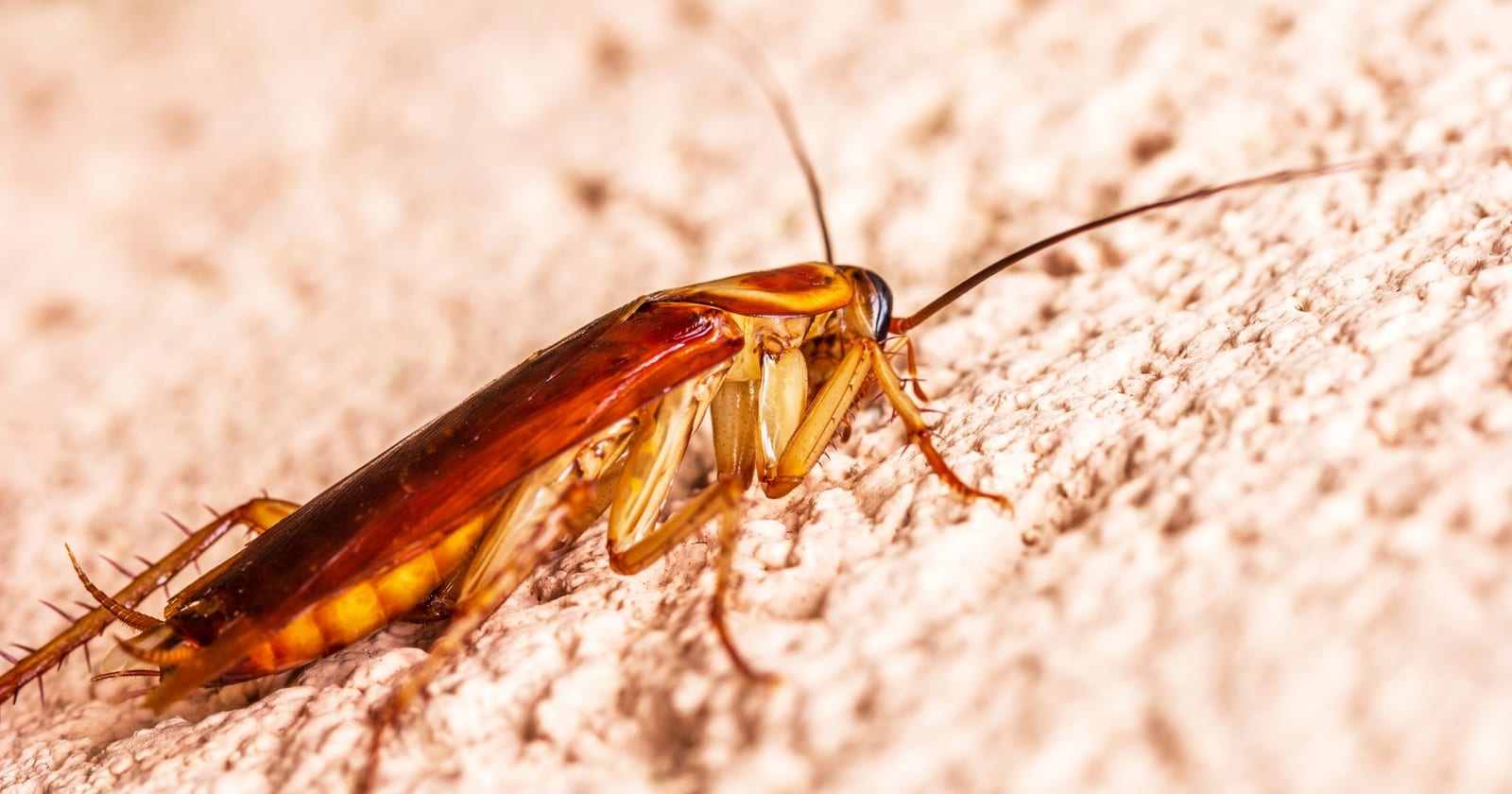
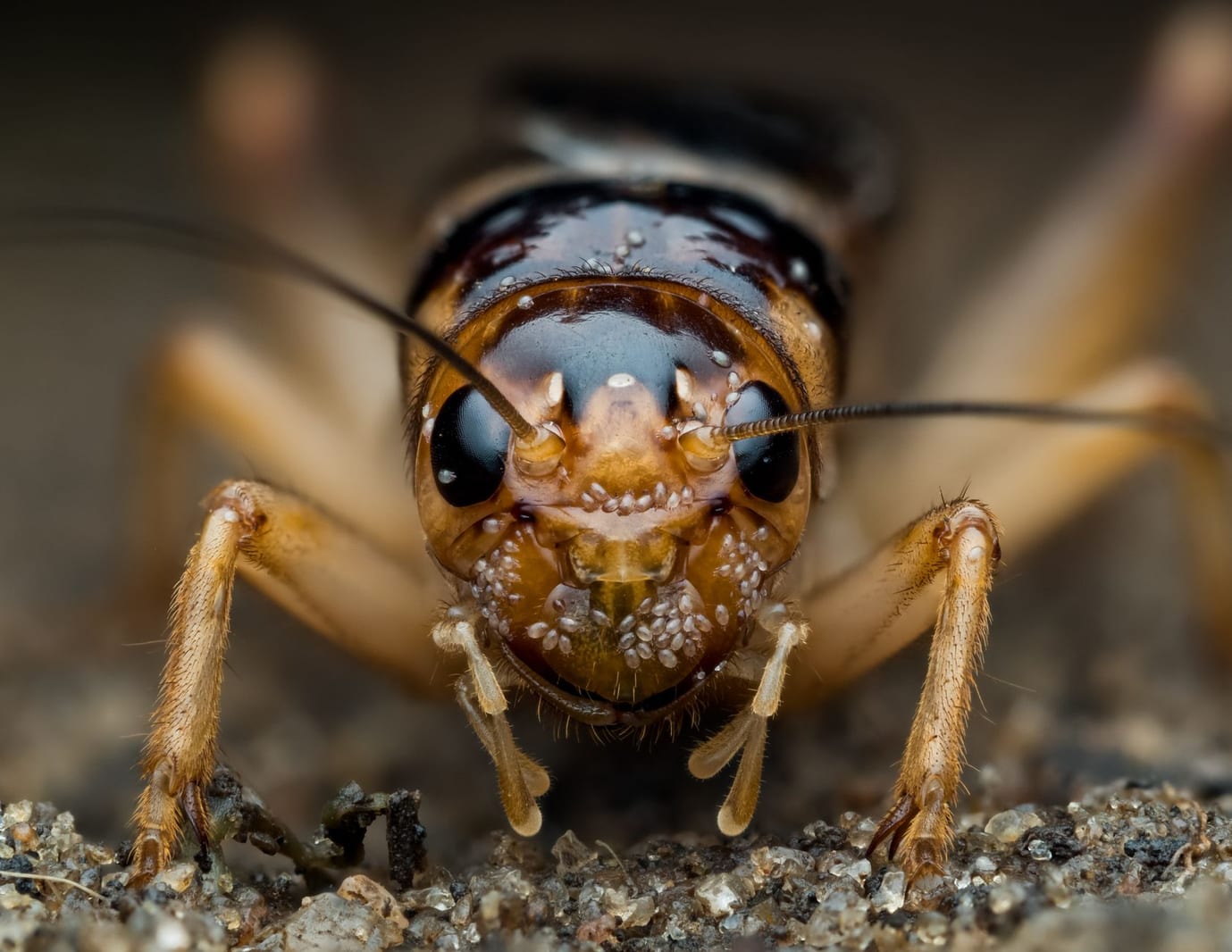
The issues we treat most here: rodents, cockroaches, ants, bed bugs. We serve Prospect Park, Fifth Avenue, Seventh Avenue, Grand Army Plaza and the wider area across ZIPs 11215, 11217, 11218.