Pest control built for Fordham
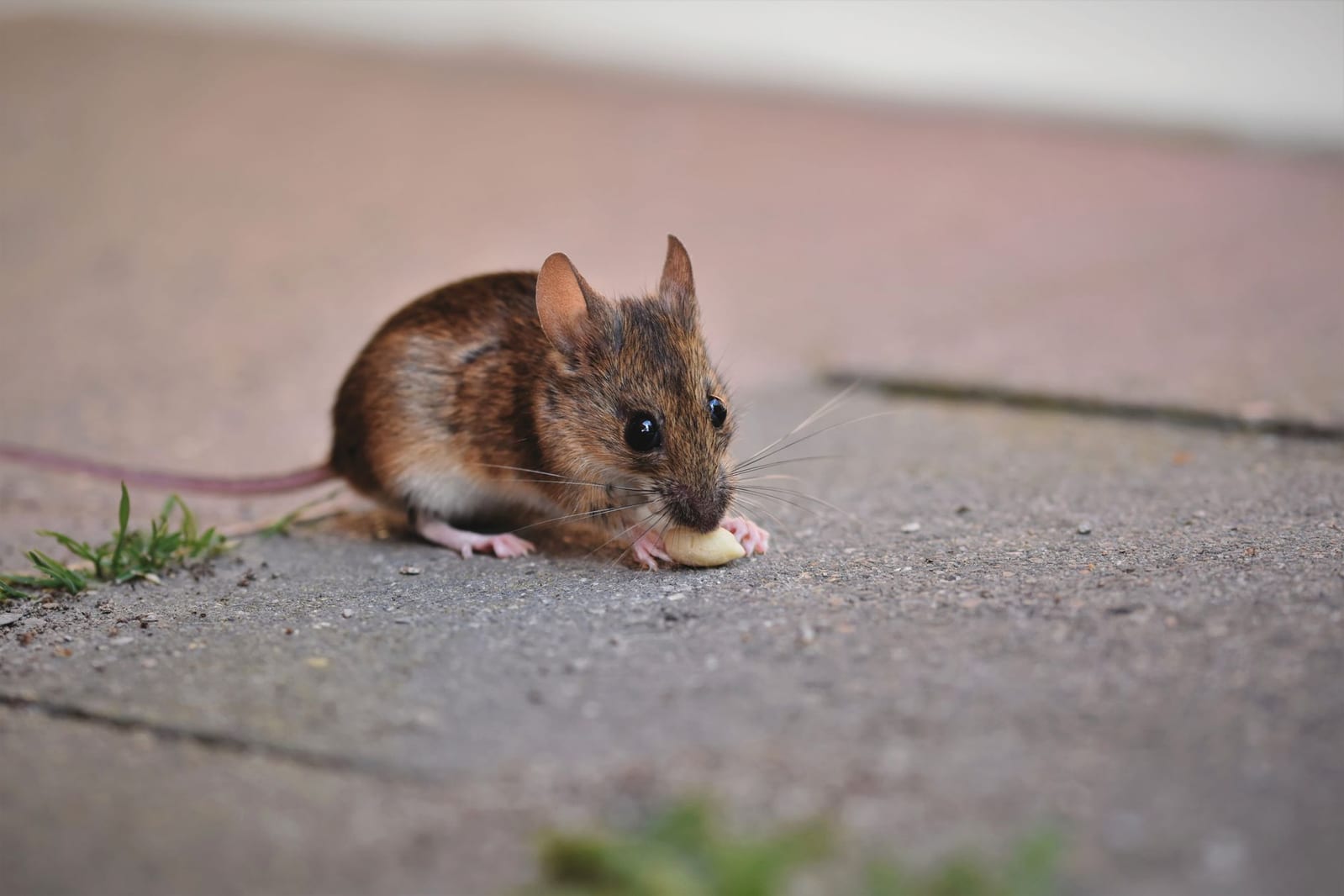
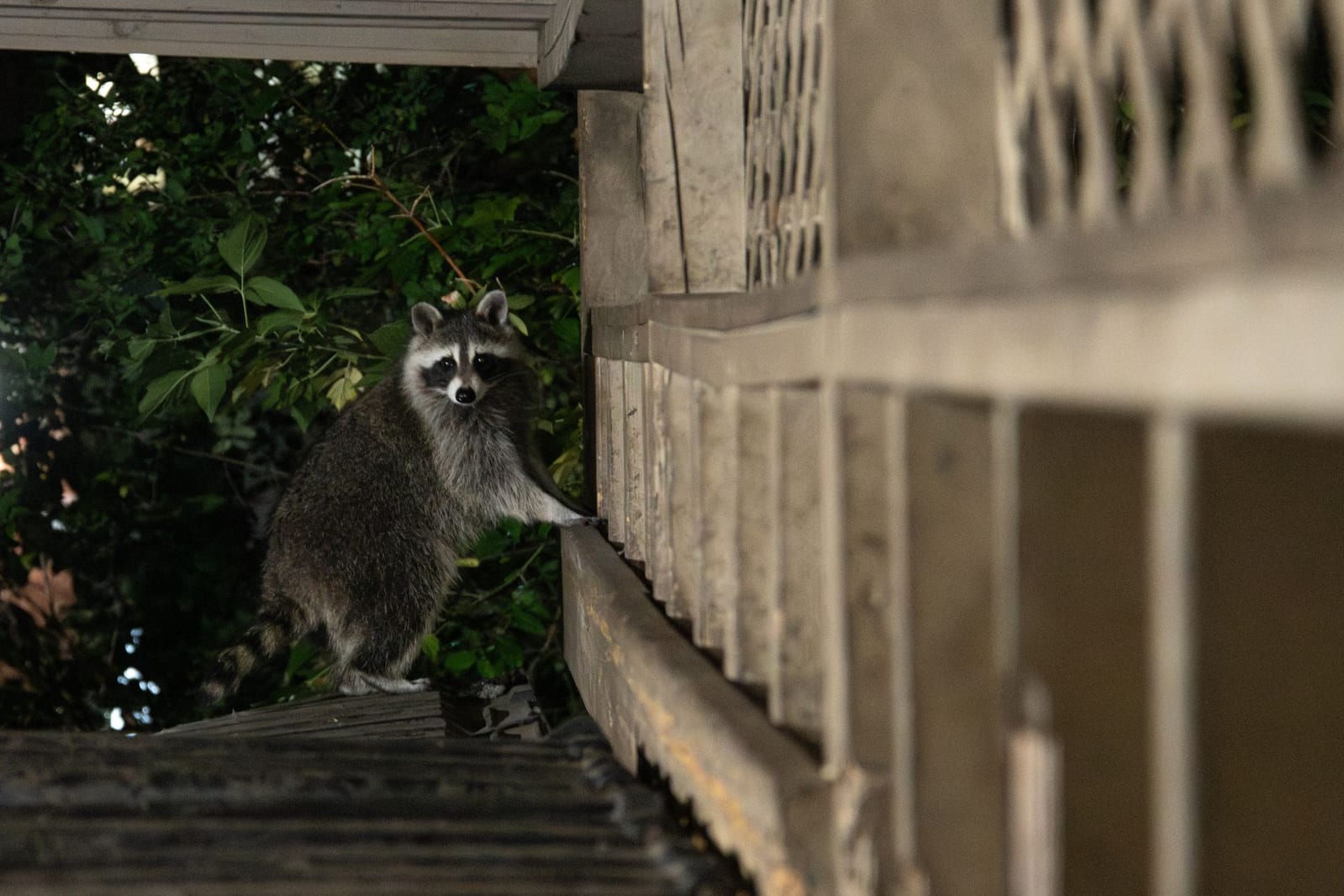
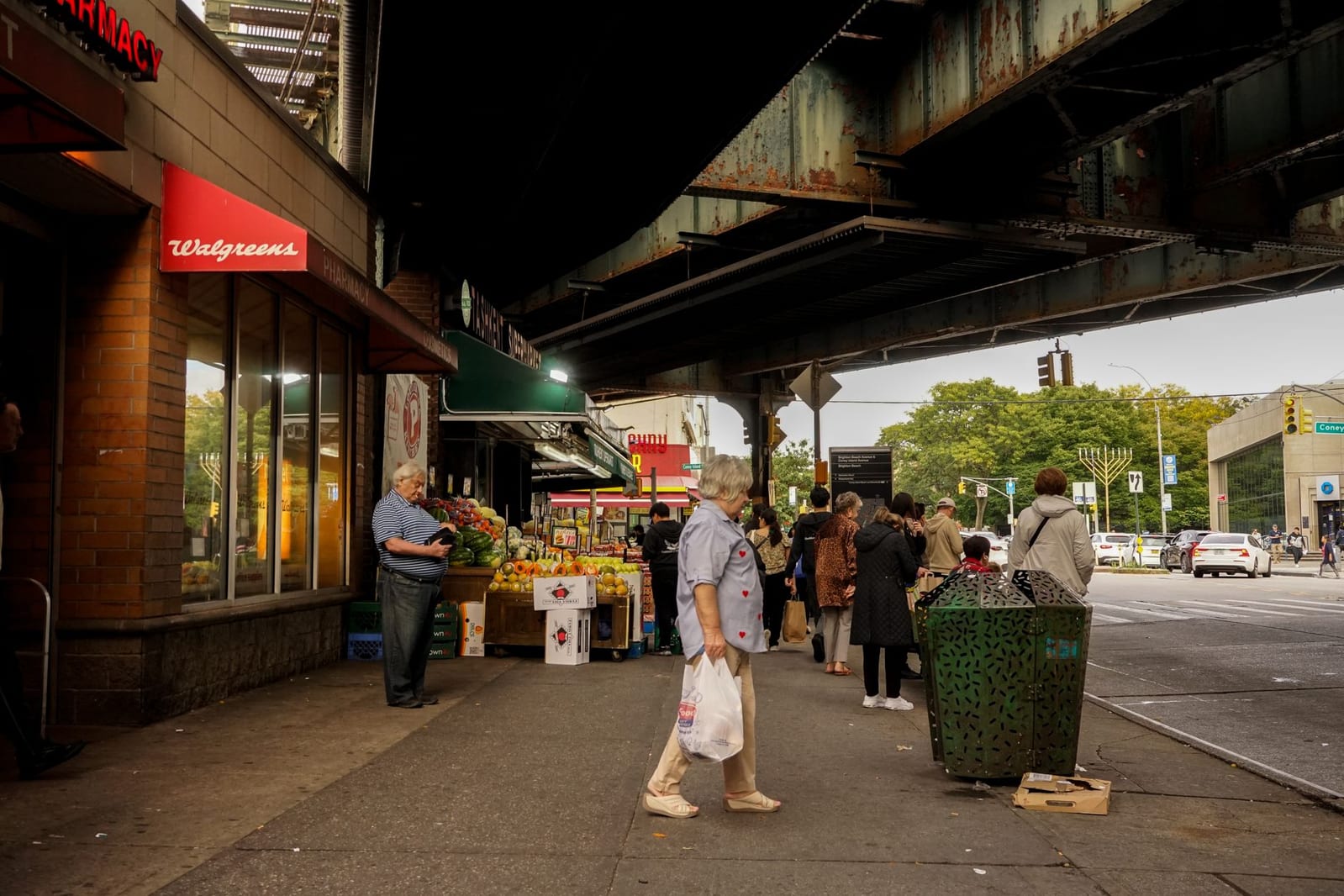
Fordham Road carries more inspection traffic than almost any other stretch in the entire 21-neighborhood network the city tracks — only one comparable corridor gets checked more often — and yet the share of those inspections that come back flagged for rat activity is comparatively modest. That combination tells its own story: this is a neighborhood under sustained enforcement pressure, not a neighborhood where rat activity has run unchecked. The elevated subway line, the dense retail strip, and the fast-food concentration along Fordham Road generate exactly the food-waste volume that would normally drive severe rat pressure, and the inspection frequency here is the city's direct response to that risk. A Fordham Road property that passes one inspection cannot assume it will pass the next; the corridor's enforcement cadence simply doesn't allow for complacency.
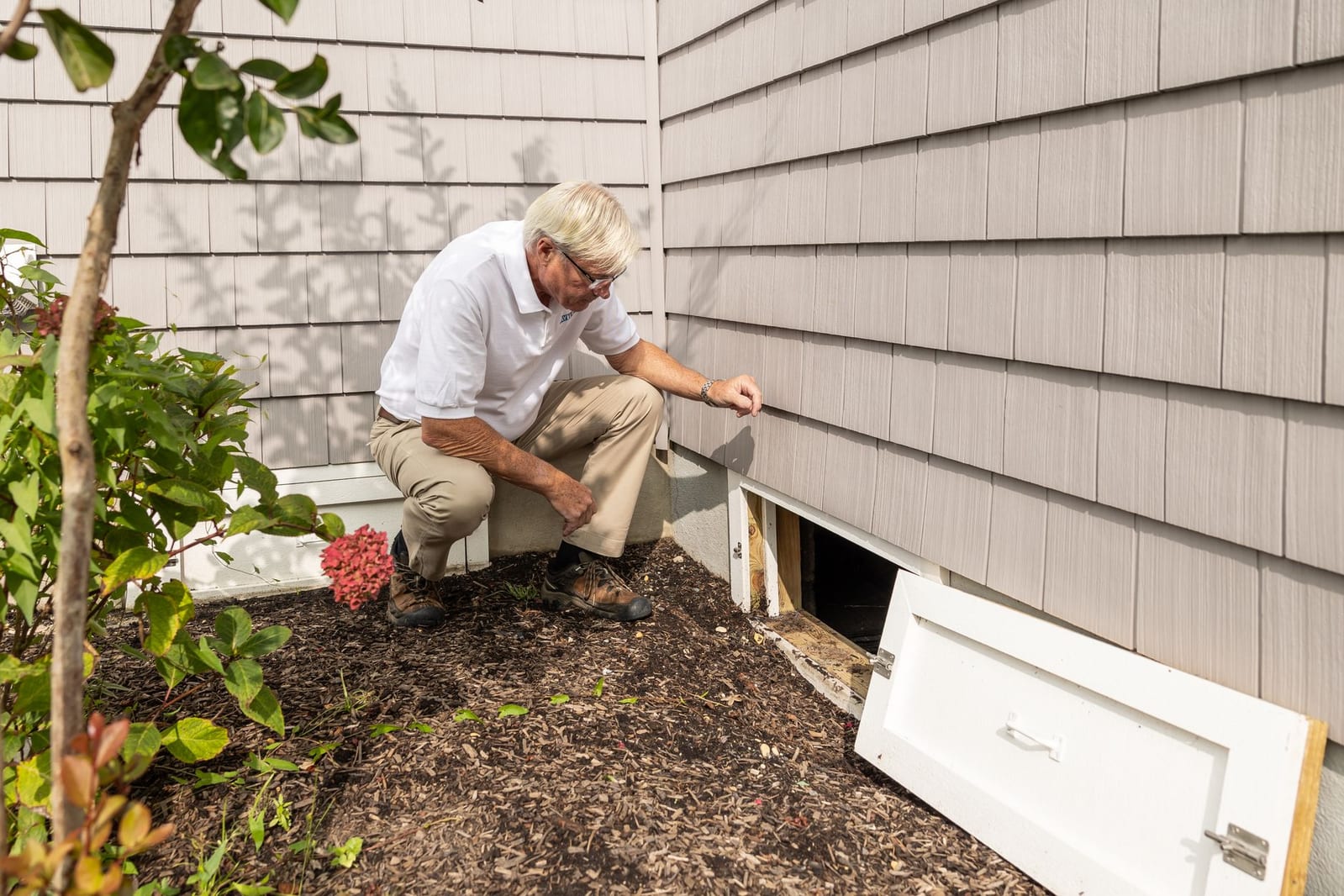
Heavy inspection activity isn't just a data point — it changes how a property owner along Fordham Road should think about pest management. A restaurant or apartment building on this corridor is far more likely to get checked, and checked again, than a comparable property in a lower-inspection neighborhood, which means the margin for letting a rodent problem slide is thinner here than almost anywhere else in the borough. Landlords and commercial tenants who treat inspection prep as a once-a-year event get caught out; the properties that stay ahead of the city's schedule are the ones running a standing service contract, not a reactive one. The properties with a standing contract also tend to have inspection paperwork ready on demand, which shortens the visit and avoids the follow-up re-check that a disorganized file invites.
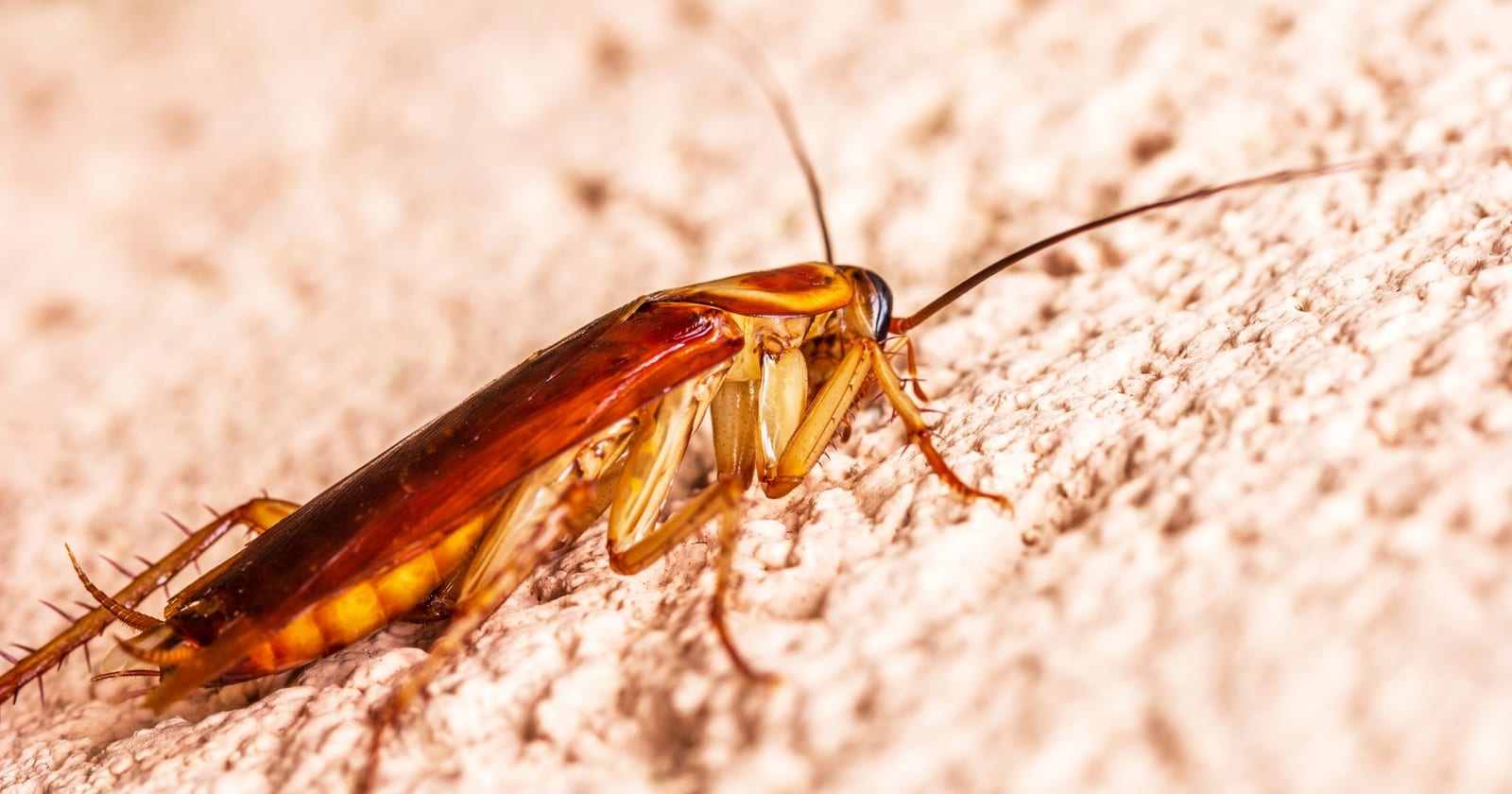
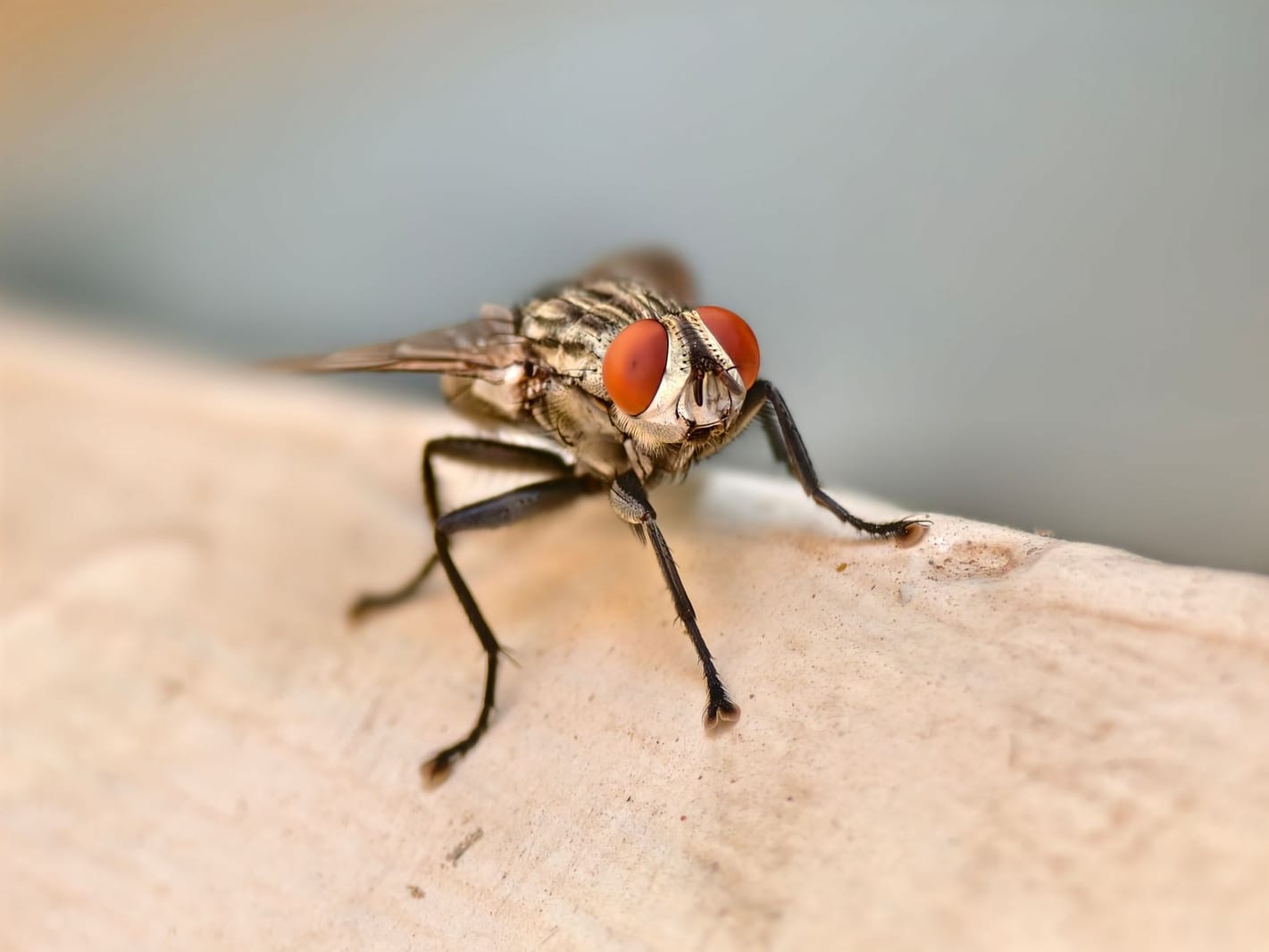
Arthur Avenue's restaurant and market district, just east of the university, adds a second and distinct pressure layer. The 'Little Italy' corridor's bakeries, butchers and cheese shops generate concentrated food-service waste that drives cockroach and fly activity in the commercial kitchens themselves, separate from the rat pressure tied to the Fordham Road transit corridor. A pest call from an Arthur Avenue restaurant is almost always a German cockroach or fly problem rooted in kitchen sanitation and grease trap maintenance, while a call from a Fordham Road storefront is more likely rat activity tracing back to the subway infrastructure and street-level waste. Treating the two calls the same way — spraying a kitchen instead of gel-baiting it, or gel-baiting a subway-adjacent storefront instead of mapping burrows — wastes a visit on the wrong problem.
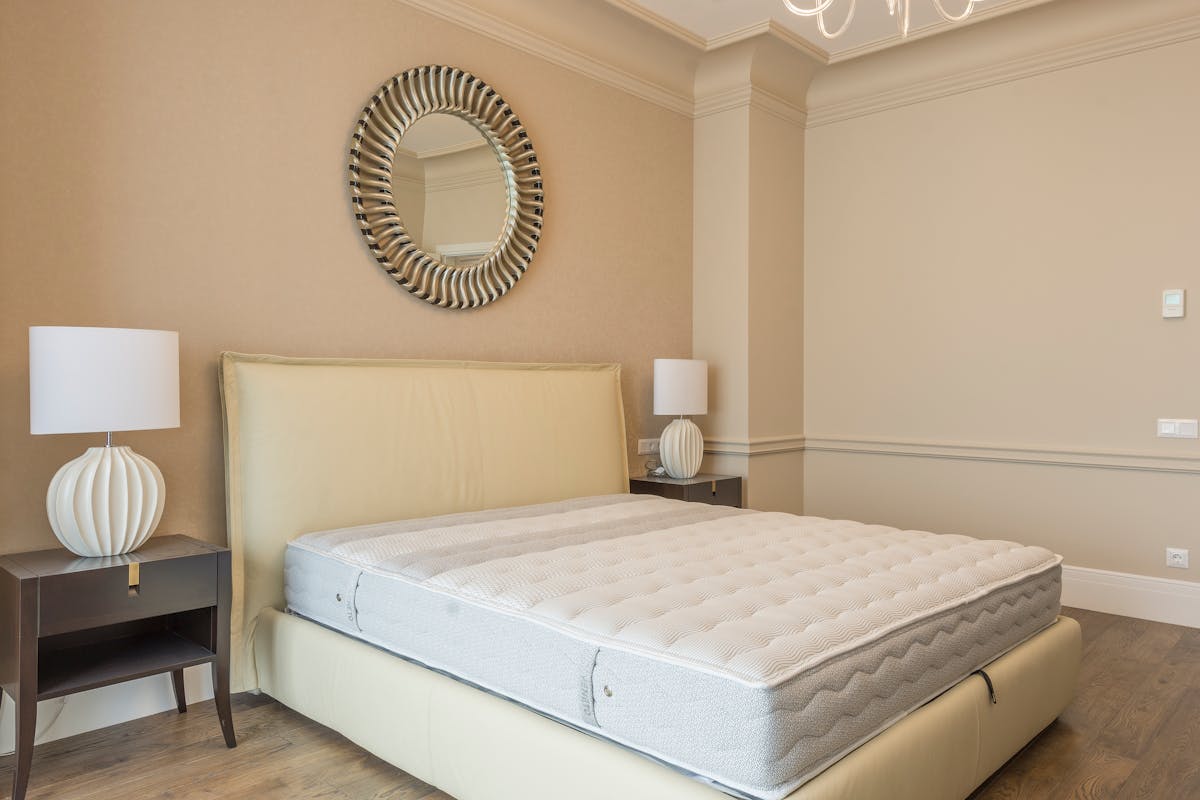
Fordham University's presence shapes the residential side of the picture. Student housing and the private apartment buildings that ring the campus see high turnover every August and January, and that turnover is the single biggest driver of bed bug introduction in the neighborhood — secondhand furniture picked up during move-in season, luggage from students arriving from elsewhere, and shared laundry facilities in dormitory-adjacent buildings. It's a different bed bug pathway from the South Bronx pattern of building-to-building spread through shared walls; here, the vector is turnover itself, concentrated into two predictable windows a year rather than spread evenly. Landlords near the campus who schedule preventive inspections ahead of both turnover windows catch most introductions before they establish, rather than after a tenant reports bites.
The Grand Concourse's Art Deco apartment buildings in the Fordham stretch are large, architecturally distinctive, and structurally vulnerable in the same way older large buildings anywhere are: interconnected basements, shared plumbing risers, and courtyard spaces that let mice and German cockroaches travel between units and even between buildings without ever crossing an exterior wall. Treating a single unit in one of these buildings without coordinating with the building superintendent is close to pointless — the population simply repopulates from the adjacent apartment within two to three weeks, the same pattern that holds in shared-wall buildings across the city. A super who lets one unit go untreated effectively re-infests every apartment the exterminator just cleared, which is why a single-unit service agreement in these buildings is close to a wasted visit.
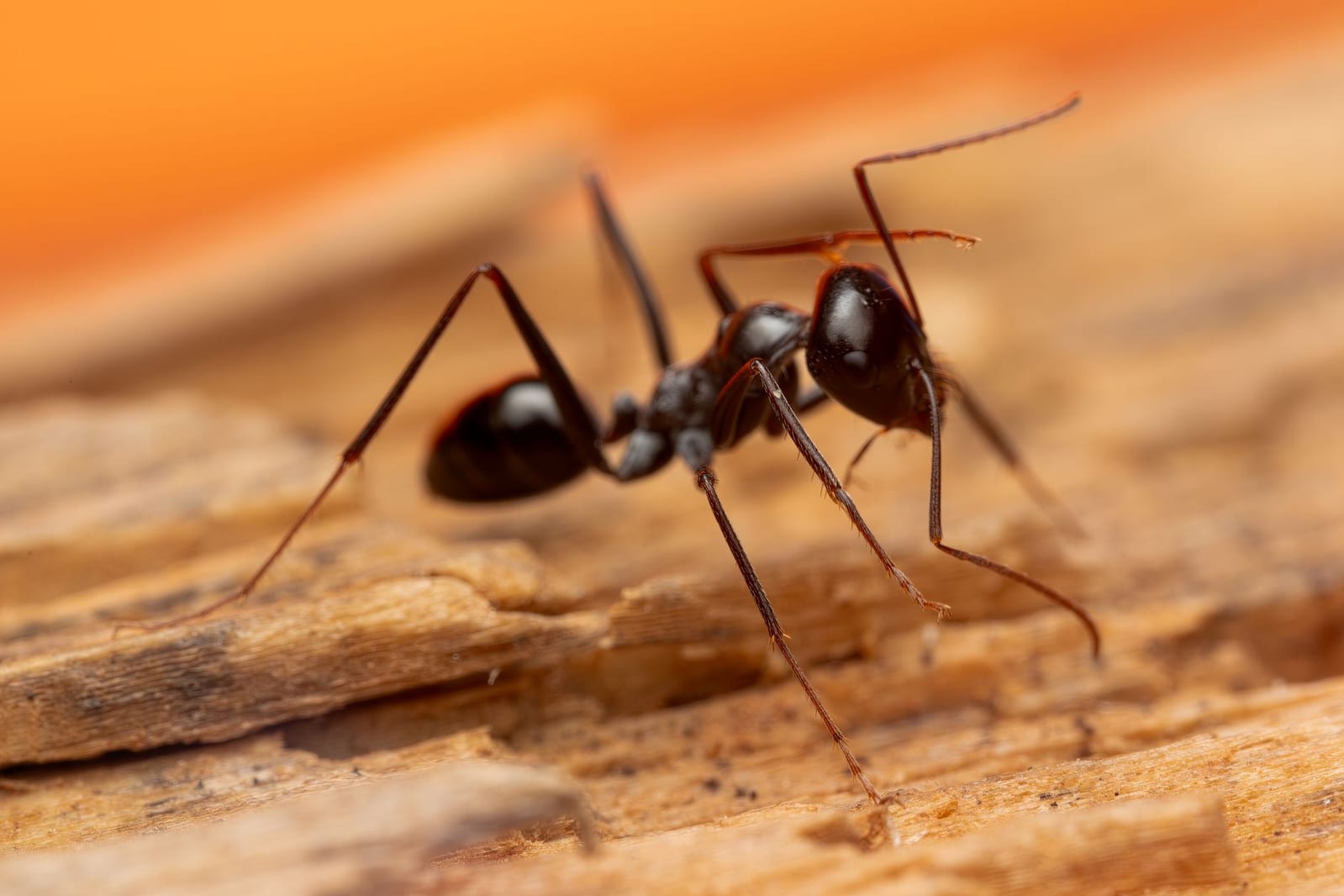
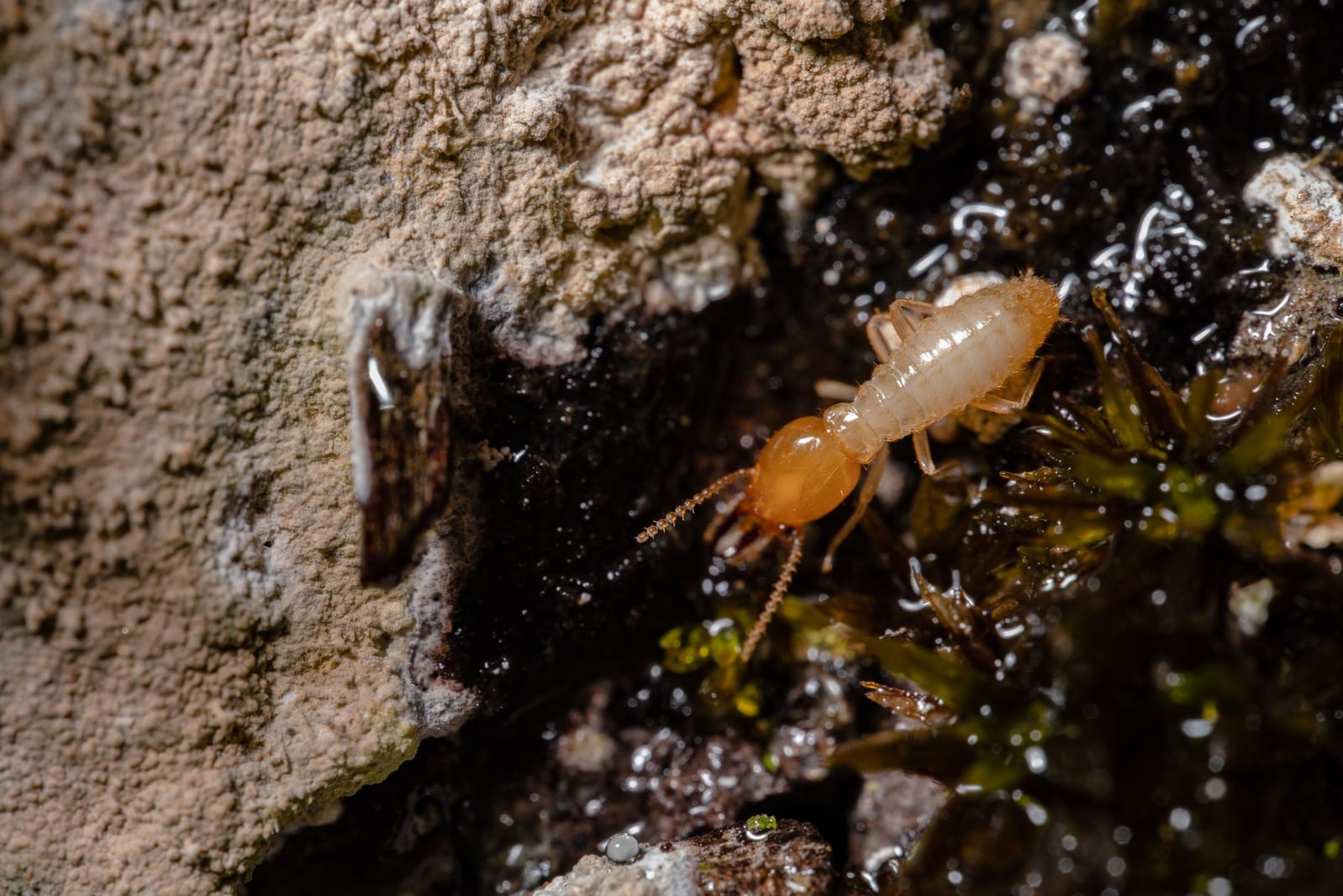
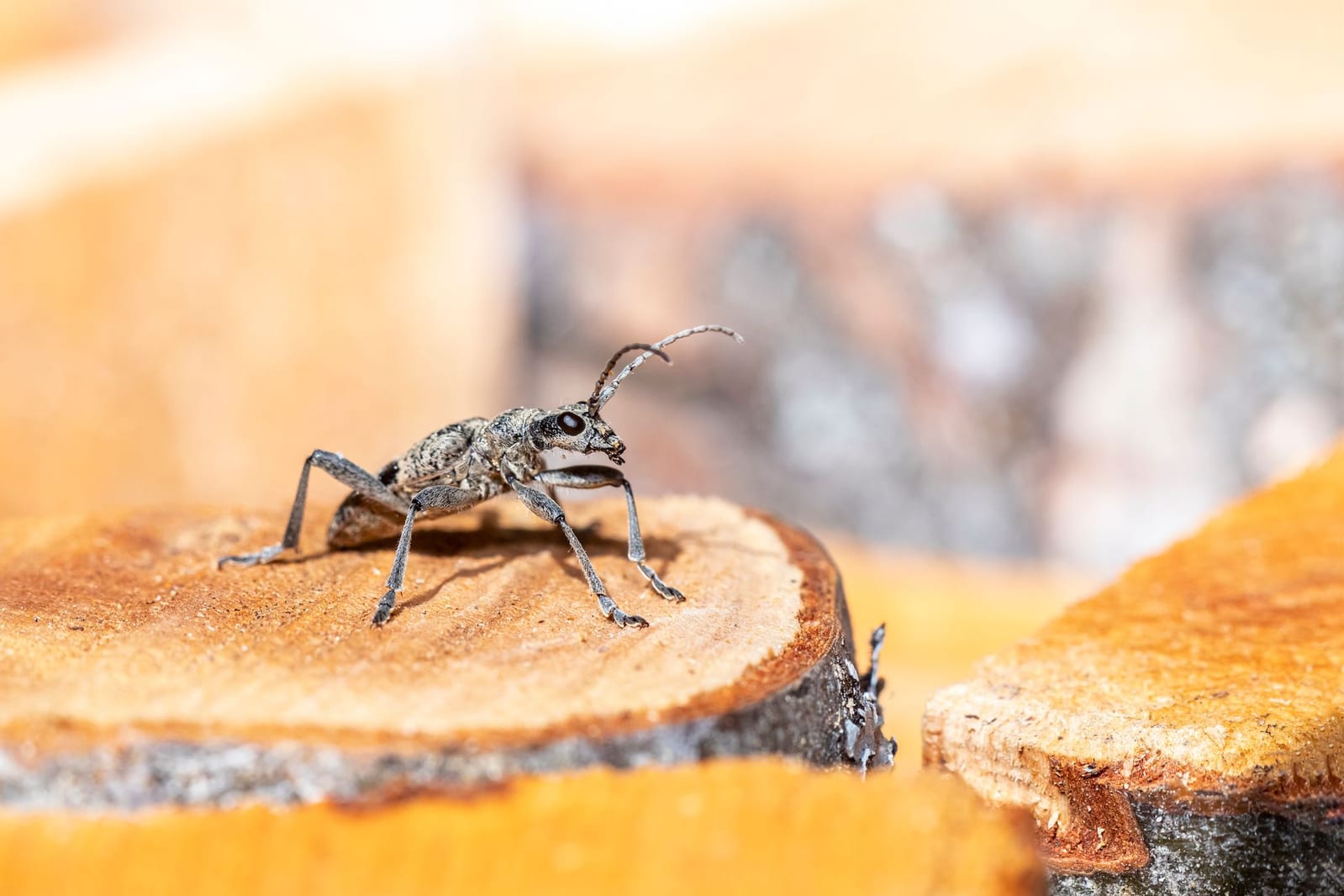
Seasonality in Fordham runs close to year-round for the retail corridor — heated buildings, constant food-service waste, and subway infrastructure don't give rats or roaches a reason to slow down in winter — with two added spikes: swarming season for the neighborhood's occasional carpenter ant and termite calls in older frame construction near the university in spring, and the August–January student turnover windows that concentrate bed bug risk into short, predictable bursts rather than spreading it evenly across the calendar. Commercial tenants renewing a lease along the corridor should build a standing quarterly service visit into the terms rather than waiting for the next scheduled city inspection to reveal a problem.
What the city's own data says about Fordham
Residents of Fordham filed 363 rodent complaints with NYC 311 in the July 2025 – July 2026 period — the 11th highest of the 21 neighborhoods we cover. Over the same window the Health Department carried out 8,725 rodent inspections in these ZIP codes, and 19.5% of them failed for active rat activity (1,700 inspections).
Bed bugs are tracked separately. Under Local Law 69 of 2017, every multiple-dwelling owner in the city files an annual bed bug report with HPD. Across every filing covering Fordham's ZIP codes, 1,640 dwelling units were reported infested out of 335,479 — an infestation rate of 0.49%, the 10th highest of the 21 neighborhoods we cover.
We publish the citywide version of this analysis, ranked by borough and ZIP code, in our rattiest NYC neighborhoods report — free to cite, quote or embed.
A complaint count measures where rats get reported, not where they all live — a block that calls 311 is not necessarily worse off than a block that has given up on calling. The inspection failure rate is the harder number: it is what a city inspector actually found on site. The bed bug rate is a landlord's own filing, so it understates buildings that never filed. Source: NYC Open Data — NYC 311 Service Requests + DOHMH Rodent Inspection + HPD Bedbug Reporting (NYC Open Data). Retrieved 2026-07-10.
Common pests in Fordham
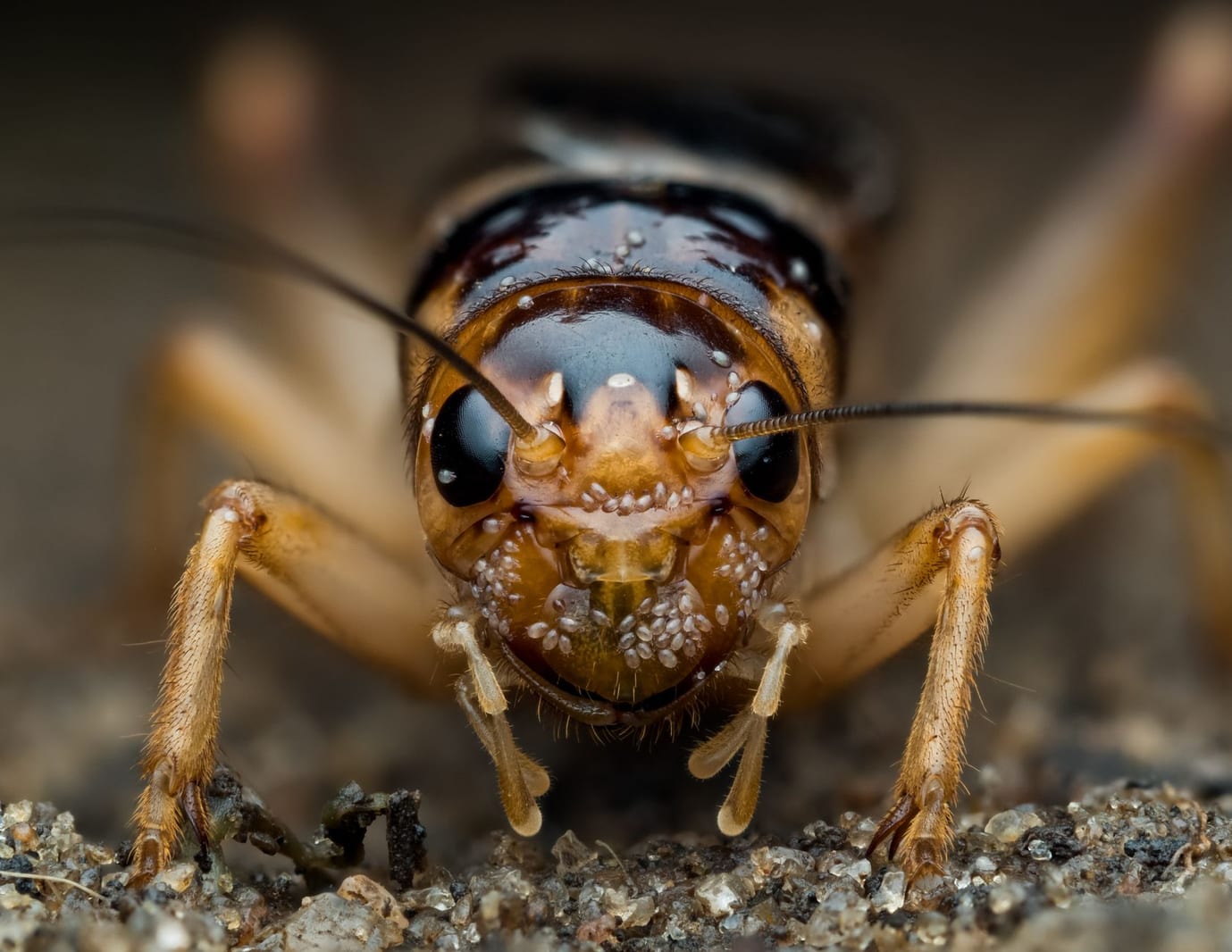
The issues we treat most here: rodents, cockroaches, bed bugs, flies. We serve Fordham Road, Fordham University, Grand Concourse (Fordham area), Arthur Avenue (nearby) and the wider area across ZIPs 10458, 10460.