Silverfish are a nuisance and property-damage pest, not a health risk — they don't bite, sting, or spread disease. What they do is feed on paper, book bindings, wallpaper paste, cardboard, and starches, and they thrive wherever humidity stays high: bathrooms, basements, laundry rooms, and closets tucked against exterior walls.
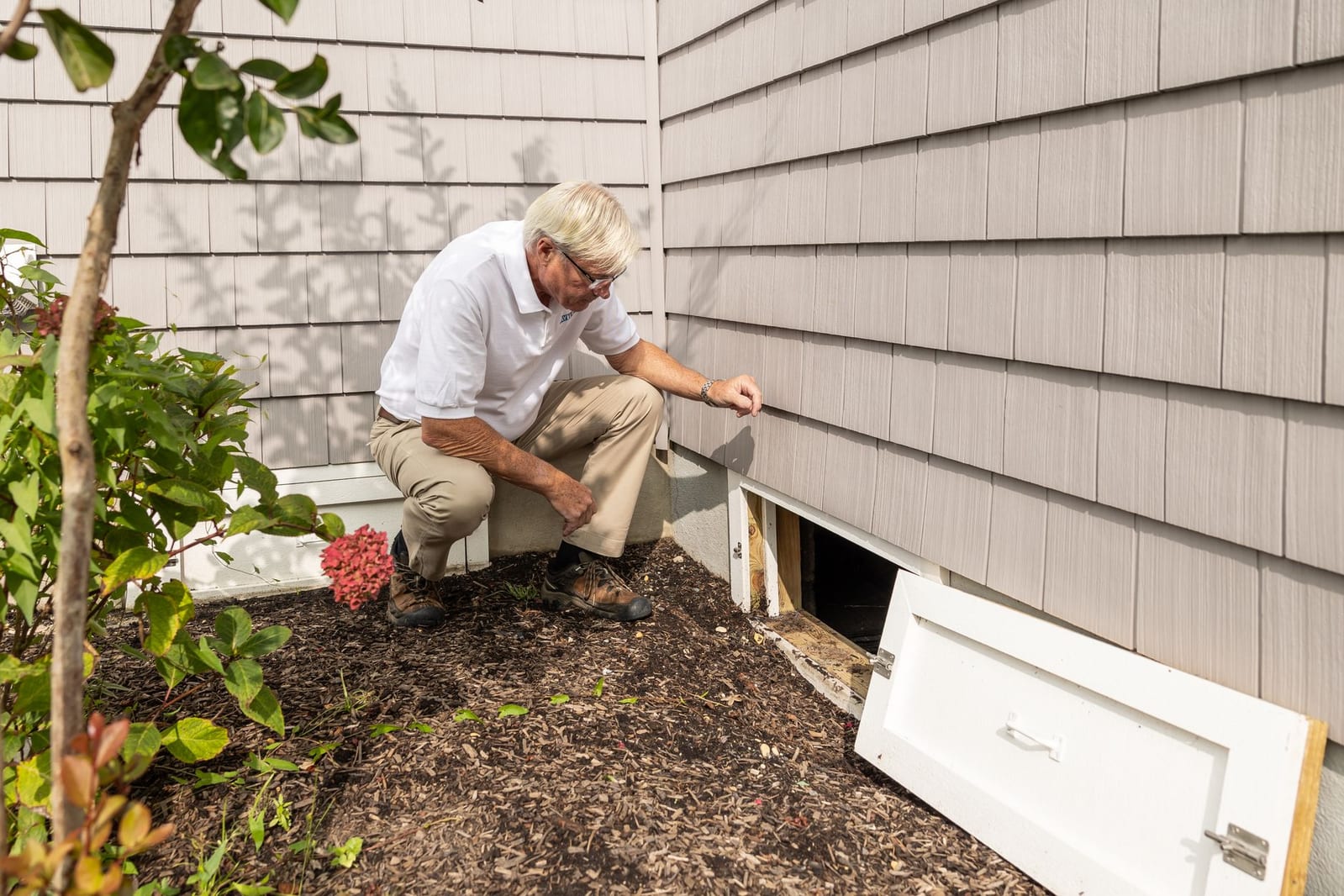
Because silverfish are moisture-driven, a spray-only approach rarely holds. Expert Exterminating inspects to find the humidity source and the harbourage — behind baseboards, under sinks, inside stacked boxes or bookshelves — and treats those specific areas rather than fogging a whole room. In older NYC buildings with basement storage and shared plumbing chases, that targeted approach is what keeps them from coming back.
Most calls come from residents who've spotted the insects in a bathroom at night or found damage to stored paper goods, wallpaper, or book collections. A licensed inspection tells you whether it's an isolated damp-area issue or a sign of a broader moisture problem in the unit or building.
What attracts silverfish, what do they damage, and how do you get rid of them in a NYC home?
The University of California IPM program describes silverfish as shiny, silver to pearl-gray and about half an inch long, with two long antennae and a body tapering to three thin, tail-like appendages; near-identical firebrats are a mottled gray-brown, so finding their dustlike, slightly incandescent shed scales beside damaged items is the surest way to tell which pest you have. (UC Statewide IPM Program — Silverfish and Firebrats)
Silverfish are a moisture problem first: the UC IPM program reports they thrive in damp, warm conditions, favouring relative humidity above 75 percent, and commonly infest basements, laundry rooms and bathrooms — the exact damp pockets of a NYC apartment or brownstone where humidity is rarely controlled. (UC Statewide IPM Program — Silverfish and Firebrats)
Penn State Extension reports that silverfish and firebrats can destroy cereals, books, paper, wallpaper and other starchy items, and UC IPM notes the damage shows as irregularly shaped holes because the insects scrape rather than bite the surface — feeding on paper sizing, book bindings, wallpaper paste and the starch in stored clothing. (Penn State Extension — Bristletails (Silverfish and Firebrats))
Penn State Extension advises that no single method controls silverfish: effective management combines sanitation, de-humidification, habitat modification and only targeted insecticide, cutting off food, water and harbourage at once. UC IPM adds that dehumidifiers and fan ventilation can lower humidity to intolerable levels, with chemical use reserved for large infestations. (Penn State Extension — Bristletails (Silverfish and Firebrats))
Silverfish vs firebrat — how to tell them apart
| Silverfish | Firebrat | |
|---|---|---|
| Colour | Shiny silver to pearl-gray | Mottled gray or brown |
| Size | About 1/2 inch | About 1/2 inch |
| Preferred conditions | Damp and warm, humidity above 75% | Very hot and drier, above 90°F |
| Where found | Basements, laundry rooms, bathrooms | Near ovens, hot-water pipes, furnaces, summer attics |
Signs you have a silverfish control problem
- Small, silver-grey, wingless insects seen at night in bathrooms, basements, or closets
- Irregular holes or yellow staining on paper, book bindings, or wallpaper
- Tiny pepper-like droppings near stored paper or cardboard
- Shed skins (they moult repeatedly) in damp, low-traffic corners
- Musty or damp odour in the affected area alongside visible moisture
Why NYC sees this
Since 2006, Expert Exterminating has handled silverfish calls in the older housing stock common across the five boroughs — pre-war buildings in neighborhoods like washington-heights, inwood, and park-slope often have basement storage and plumbing chases that hold humidity, exactly the conditions silverfish need.
Licence #15739 covers residential and multi-unit buildings alike, and because silverfish damage tends to concentrate in stored paper, books, and wallpaper, we treat this as a property-preservation issue as much as a pest one — flagging moisture sources for the resident or building owner to address alongside the treatment itself.