Mosquito & tick control in St. George: what to know
St. George is Staten Island's transit hub — the Staten Island Ferry terminal, Borough Hall and the surrounding government and commercial district generate significant food-waste pressure and pedestrian density that sustains strong rodent and cockroach populations in the service areas of adjacent buildings.
The neighbourhood is experiencing rapid residential conversion of older commercial and institutional buildings; these conversions retain the deep service basements and original utility systems where cockroaches and mice establish before new tenants arrive.
High transit foot traffic through the ferry terminal area and growing restaurant and bar activity along Richmond Terrace make bed bug pressure a consideration for the neighbourhood's residential buildings; older commercial-to-residential conversions benefit from professional pre-occupancy pest clearing.
How much does mosquito & tick control cost in St. George?
$50–$2,500
Per-visit: $80–$150. Per-season average: $350–$1,000 (property-dependent; quarter/half-acre seasonal average ~$500). Overall reported range: $50–$2,500. Larvicide-only visits: $80–$120.
| Per-visit | $80–$150 per visit |
| Per-season | $350–$1,000 per season |
US national figure — NYC typically runs higher.
Tier-2 NYC industry sources cite the Bronx and Staten Island as generally the most price-competitive boroughs for pest control, though this is directional signal from industry blogs, not an independently verified figure.
Market range — not our quote
This is a market range synthesised from published cost guides — not a quote from this provider. The actual price depends on an in-person or photo-based inspection.
US national, yard/property-based figures — most NYC pest-control demand is apartment/building interior, so these outdoor-yard-oriented ranges apply best to NYC rowhouse/backyard or small-business-patio contexts, not typical apartment units. No NYC-specific mosquito guide found.
What drives the price
- Property/yard size
- Treatment method (adult spray vs larvicide briquettes vs misting system)
- Single visit vs full-season recurring plan (every ~21 days, April–September)
- Contract length
Signs you need mosquito & tick control
- Standing water anywhere on the property — clogged gutters, catch basins, plant saucers, tarps, or low-lying drainage spots
- Noticeably higher mosquito activity in early evening near the yard, deck, or entryway during warm months
- Tall grass, leaf litter, brush, or unmaintained vegetation along fence lines or property edges
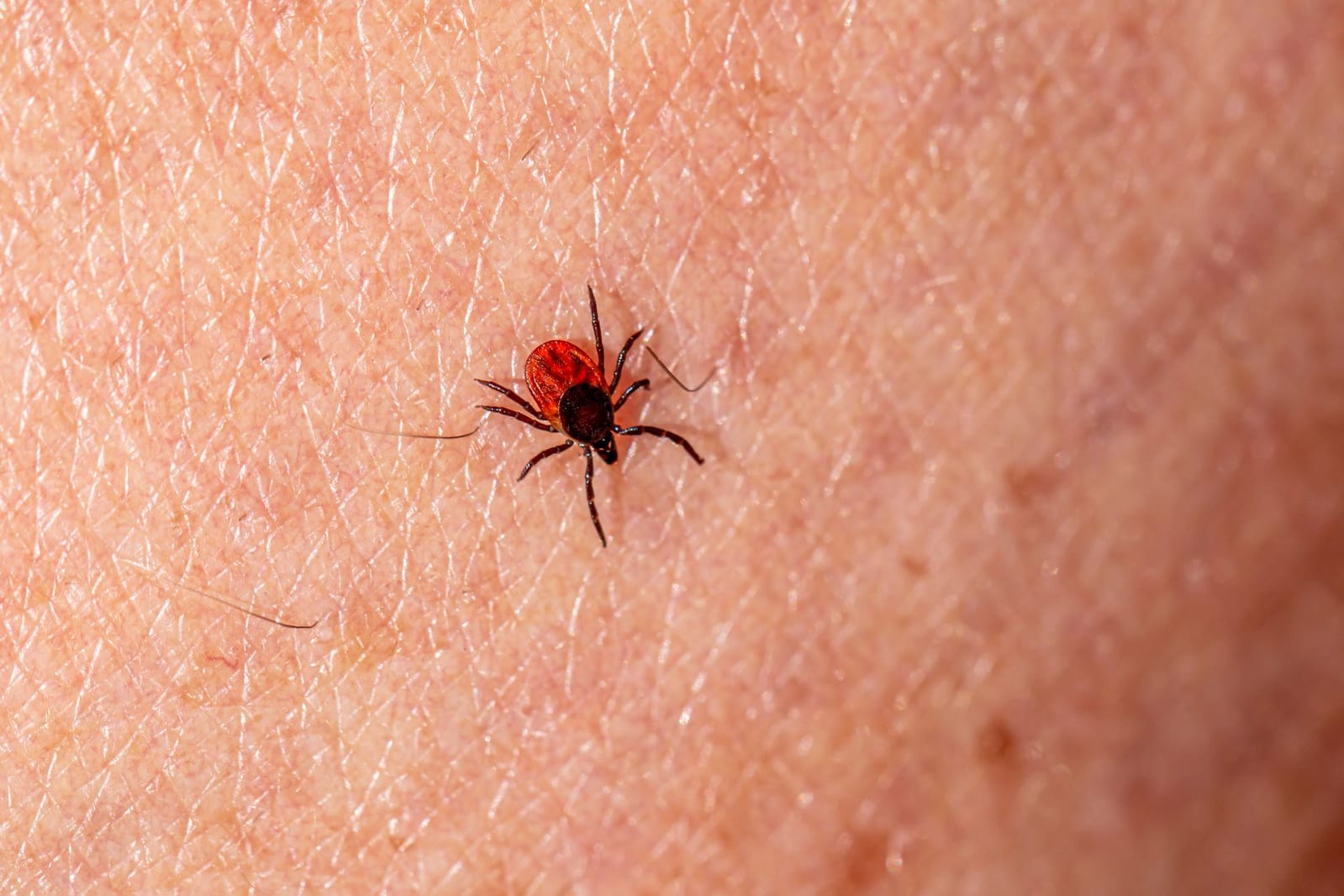
- A pet or family member finding an attached tick after time spent in the yard or nearby green space
- Proximity to a park edge, waterfront, or other green space known for tick or mosquito activity
How we treat mosquito & tick control in St. George
Mosquitoes and ticks are grouped together as a service because they share the same underlying driver: a property with the right conditions breeds one or attracts the other, and often both. Mosquitoes need standing water to complete their breeding cycle — it doesn't take much, a clogged gutter, an unmaintained catch basin, a forgotten planter saucer, or a low spot that collects rainwater is enough to sustain a local population through the warm months. Ticks, by contrast, don't need water; they need vegetation cover, leaf litter, and tall grass at the edges of a property where they wait to attach to a passing host.
In New York City, both risks are real and both are property-specific rather than city-wide. A rowhouse with a small paved yard in the east-village has essentially no tick habitat but can still have a mosquito problem from a single clogged drain. A property backing onto green space near a park edge — closer to prospect-heights or fort-greene, adjacent to Prospect Park, or on the upper-west-side or morningside-heights near Central Park — carries more tick exposure from leaf litter and brush at the property line, along with typical mosquito breeding risk from any standing water nearby.
Local landmarks & coverage
We serve all of St. George and the surrounding Staten Island area — including St. George Ferry Terminal, Richmond County Bank Ballpark, New York Supreme Court (Staten Island), Borough Hall, Richmond Terrace — across ZIP codes 10301, 10302.
