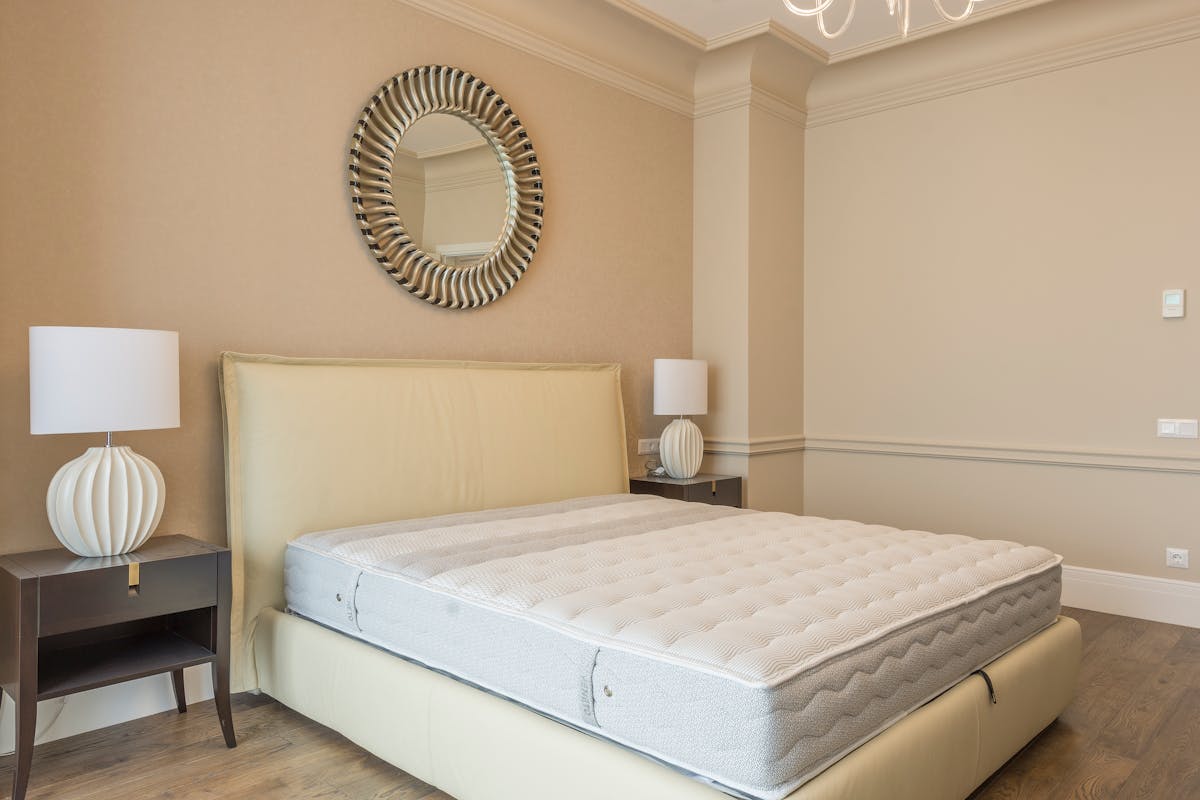
Bed bug control is among the most common pest issues we treat in Harlem. Harlem's green edges — Marcus Garvey Park, St. Nicholas Park and Morningside Park — drive the warm-season pressure residents search for most: ants foraging indoors from spring through autumn, spiders moving in around old window frames and basements, and mosquitoes breeding in standing water after summer rain. These are common in ground-floor, garden and brownstone-rear apartments backing onto the parks.
Bed bug control in Harlem: what to know
Harlem's housing is dominated by pre-war apartment buildings, historic brownstones and walk-ups — handsome buildings with deep baseboard gaps, shared wall voids and aging plumbing that let rodents and cockroaches travel freely between units.
The dense restaurant and retail corridor along 125th Street and Lenox Avenue creates constant food-source pressure that feeds rodent and roach populations into the surrounding residential blocks.
Brownstone conversions are especially prone to bed bug spread through shared walls and hallways, and to 'water bugs' rising through old shared plumbing from basements.
Harlem's green edges — Marcus Garvey Park, St. Nicholas Park and Morningside Park — drive the warm-season pressure residents search for most: ants foraging indoors from spring through autumn, spiders moving in around old window frames and basements, and mosquitoes breeding in standing water after summer rain. These are common in ground-floor, garden and brownstone-rear apartments backing onto the parks.
Signs you need bed bug control
- Itchy bites in a line or cluster, often on arms, shoulders or legs after sleeping
- Small rust-coloured or dark spots on sheets, mattress seams or the headboard
- Tiny pale eggs or translucent shed skins along seams and crevices
- A faint, sweet, musty odour in heavily infested rooms
- Live bugs (apple-seed sized, flat, reddish-brown) in mattress seams or behind the headboard
How we treat bed bug control in Harlem
Bed bugs are one of the most stubborn pests in New York City, and they spread fast through the shared walls, hallways and laundry rooms of apartment buildings and brownstones. A single fertilised female can start a new infestation, which is why DIY sprays almost always fail — they scatter bugs into wall voids and adjacent units instead of killing the population.
Our bed bug programme starts with a full inspection (visual and, where needed, canine detection) to map every harbourage point: mattress seams, box springs, headboards, baseboards, outlets and furniture joints. We then treat with a combination of residual products and, for heavy infestations, whole-room heat that raises the space above the lethal threshold for eggs and adults alike.
Local landmarks & coverage
We serve all of Harlem and the surrounding Manhattan area — including Apollo Theater, 125th Street, Marcus Garvey Park, St. Nicholas Park, Morningside Park, Striver's Row, Lenox Avenue — across ZIP codes 10026, 10027, 10030, 10037, 10039.